Hummingbird Nectar Recipe and Feeder Tips for 2026
Making sugar water nectar for a hanging hummingbird feeder is simple. Learn how!
Quick Reference
- Hummingbird nectar recipe: 4 cups water + 1 cup white granulated sugar. No red dye, no honey, no substitutes.
- Clean schedule: twice a week, or every 2 days once temperatures top 75 degrees Fahrenheit.
- Placement: partial shade, away from windows, near tubular flowers.
- Most common backyard species (US): Ruby-throated (East), Anna’s and Allen’s (Pacific Coast), Black-chinned (Southwest), Rufous (Pacific Northwest).
- When to put feeders out: two weeks before the first sighting in your region. Most US regions: late March through April.
- Sources: Cornell Lab of Ornithology, National Audubon Society, Farmers’ Almanac field notes.
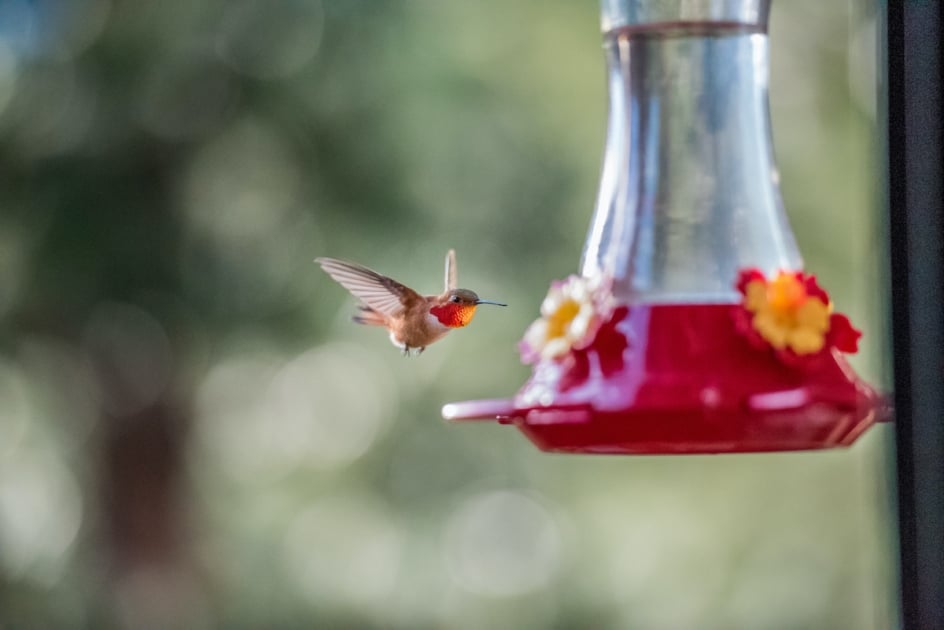
Nothing is more breathtaking than watching hummingbirds dart about on a hot summer day. Invite them to your patio or backyard with a feeder filled with their favorite nectar: plain sugar water. Making sugar water nectar for a hanging hummingbird feeder is simple, and once you know the ratio, the cleaning schedule, and the few placement rules below, your feeder will keep working all season. Since the standard feeder holds about one quart, here’s a recipe for that amount.
Hummingbird Nectar Recipe
Hummingbird Nectar Recipe
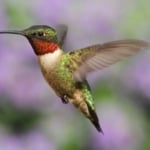
- 4 cups water
- 1 cup sugar
Stir sugar into a pot of water on the stove and bring to a boil.
Remove from heat and allow to cool completely before adding to the hummingbird feeder.
While hummingbirds are attracted to red, there is no need to add red dye to your nectar.
The color of your feeder is what attracts them.
The 4-to-1 water-to-sugar ratio roughly matches the sugar content of natural flower nectar that hummingbirds evolved on, about 20% to 25% sucrose by weight. Use plain white granulated cane or beet sugar. Skip everything else: brown sugar holds too much iron, organic raw sugar carries molasses, honey ferments fast and grows bacteria deadly to hummingbirds, and any sugar substitute (including stevia) gives them zero calories during a season when a single bird burns through more than its body weight in sugar every day. The boil-and-cool step kills off mold spores and dissolves the sugar fully. Store extra nectar in the refrigerator for up to a week.

Hummingbird Feeder Tips
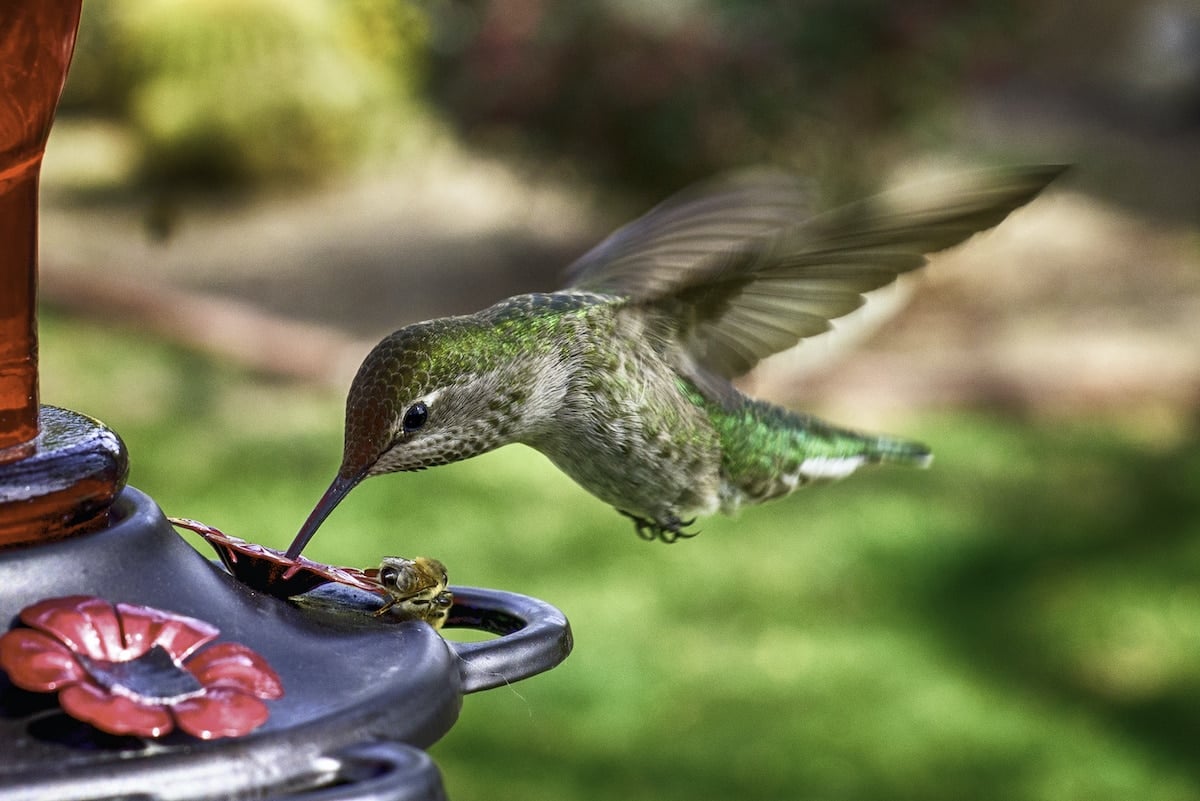
- Hang the feeder in partial shade to keep the nectar solution from fermenting.
- Hummingbird feeders should be cleaned out twice per week, especially in hot weather over 75 degrees Fahrenheit. Clean the feeder using hot water only, or a weak white vinegar solution.
- Tie a red bandana to the top of the feeder to attract hummingbirds.
- Use fishing line to hang your feeder. Fishing line is too thin for ants to crawl up.
- Wasps and bees can also be attracted to the feeder. If this becomes a problem, visit your local garden center for a mesh bee guard to attach to the feeder.
- Never substitute honey for sugar when making sugar water nectar.
Two more tips from years of reader notes: in heavy ant country, hang the feeder under an ant moat (a small dish of plain water above the feeder, which the ants will not cross). And in regions with bears, take the feeder down at dusk and bring it inside, because bears find sugar water as easily as hummingbirds do. For the right week to set out feeders alongside spring transplants, cross-reference the planting calendar with the Best Days calendar.
When to Put the Feeder Out, by Region
Hummingbirds migrate north on a roughly fixed schedule, and they remember last year’s feeder. Hang yours out about two weeks before the typical first sighting in your region. Once the first scout arrives, leave it up until at least two weeks after the last bird vanishes in the fall, just in case a straggler is moving through. Migration timing comes from the Cornell Lab of Ornithology’s All About Birds species accounts and ongoing eBird sightings.
Plant The Flowers That Attract Hummingbirds
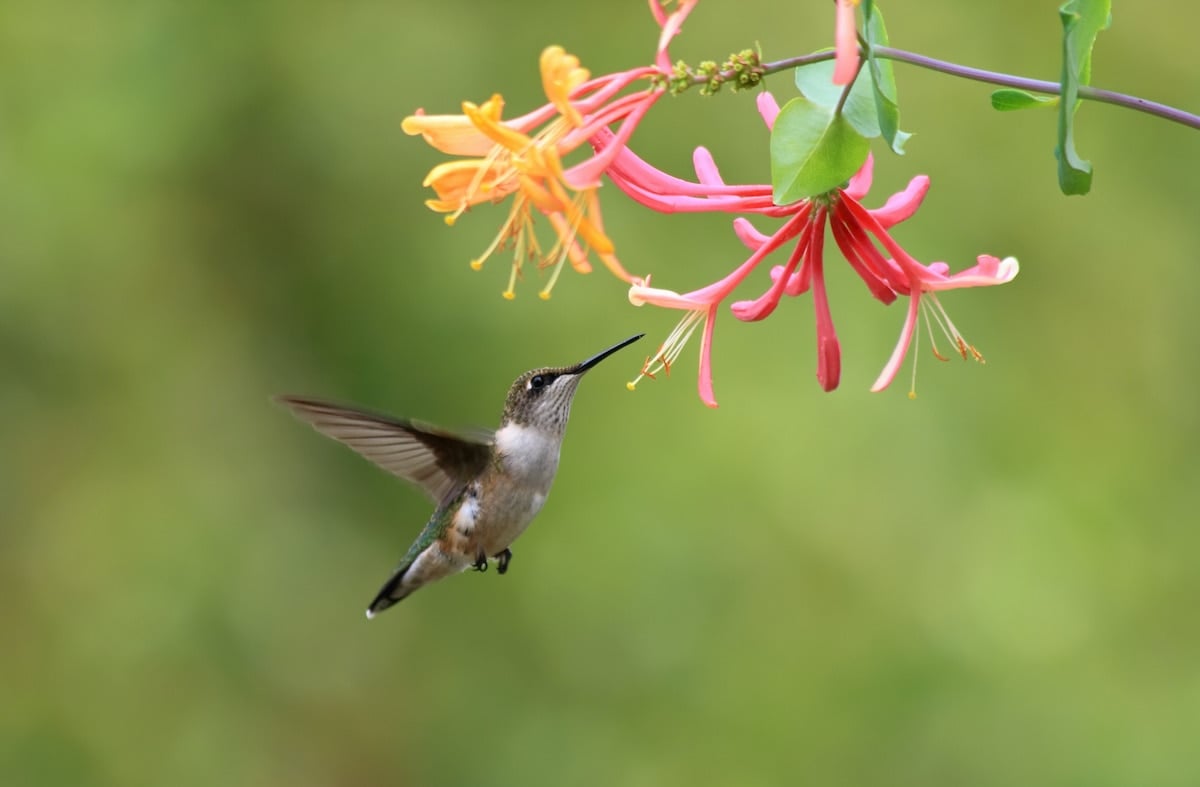
We compiled a list from A-Z of the plants and flowers that attract hummingbirds. The pictures are spectacular. See it here. Reliable favorites across most US regions include trumpet vine, coral honeysuckle, bee balm, salvia, cardinal flower, columbine, fuchsia, and red hot poker. The shared trait is the long tubular shape: a hummingbird’s bill and tongue fit the trumpet, and most short-tongued insects cannot reach the nectar pool at the back of the bloom. That keeps the resource mostly hummingbird-only.
Why the No-Dye Rule Matters
Red dye No. 40 (Allura Red AC) is the additive most often dropped into homemade nectar to make it look “official.” The National Audubon Society reviews of the topic, including its how-to nectar guide, are clear: hummingbirds do not need red nectar to find your feeder, and there are no long-term studies confirming the dye is safe at the volume a 3-gram bird is drinking each day. The color of the feeder (red glass, red plastic, a red tie at the top) is what catches their eye. Plain clear sugar water in a red feeder works perfectly.
Cleaning and Mold Control
The danger sign in a feeder is cloudy nectar or a black-grey haze on the inside walls. Both are signs the sugar has started to ferment or mold. A fermented feeder can cause a deadly fungal infection called candidiasis, which swells a hummingbird’s tongue until it can no longer feed. The fix is regular cleaning, not a stronger detergent.
- Below 70 F: change nectar every 5 to 6 days.
- 70 to 80 F: change every 3 days.
- Above 80 F: change every 1 to 2 days.
- Cleaning solution: hot water plus a weak white-vinegar rinse (1 part vinegar to 4 parts water), then plain water rinse. Skip dish soap. Soap residue is hard to flush from feeder ports and can stick to the birds’ feathers.
- Brushing: use a bottle brush plus a pipe cleaner for the feeding ports. The ports are where mold sets in first.
Watch This Live Hummingbird Cam
Check out these fascinating hummingbird facts!

Frequently Asked Questions
What is the correct hummingbird nectar recipe?
4 cups water to 1 cup plain white granulated sugar. Boil, dissolve, cool, then fill the feeder. No red dye. No honey. No brown sugar or sugar substitute. The 4-to-1 ratio matches the sugar content of natural flower nectar.
How often should I change the nectar and clean the feeder?
Twice a week as a baseline. Every other day once temperatures top 80 degrees Fahrenheit, because the sugar starts fermenting in the heat. Wash with hot water and a weak white-vinegar rinse, never with dish soap.
Why no red dye in the nectar?
Hummingbirds find the feeder by the color of the feeder itself, not the color of the liquid. There are no long-term studies confirming Red Dye No. 40 is safe at the volume a 3-gram bird drinks daily. Plain clear nectar in a red feeder works just as well.
When should I put my hummingbird feeder out in 2026?
About two weeks before the first sighting in your region. For most of the US, that means mid-March to early May. Pacific Coast Anna’s hummingbirds stay year-round. The regional table above lists timing zone by zone.
Will leaving my feeder up keep hummingbirds from migrating?
No. Hummingbirds migrate on changes in day length and instinct, not food supply. Cornell Lab and Audubon both confirm a full feeder will not stop a bird from heading south. In fact, leaving it up for two weeks past the last sighting can help late stragglers refuel.
How do I keep ants and wasps off the feeder?
For ants, use fishing line to hang the feeder (too thin to climb) or fit an ant moat above it. For wasps and bees, choose a feeder with built-in mesh bee guards, or pick up an add-on guard from a local garden center. Move the feeder a few feet if a wasp scout finds it.
Can I substitute honey or brown sugar?
No. Honey ferments and grows bacteria that can be deadly to hummingbirds. Brown sugar and raw sugar contain iron and molasses the birds cannot process. Stick with plain white granulated cane or beet sugar.


This article was published by the Staff at FarmersAlmanac.com. Any questions? Contact us at [email protected].
- Farmers' Almanac Staff

- Farmers' Almanac Staff

- Farmers' Almanac Staff

- Farmers' Almanac Staff