

Hummingbird Flowers: 24 Blooms to Plant This Year
Hummingbirds are beautiful to watch and can be easily enticed into your flower garden. Here's a list of plants they love from A to Z.
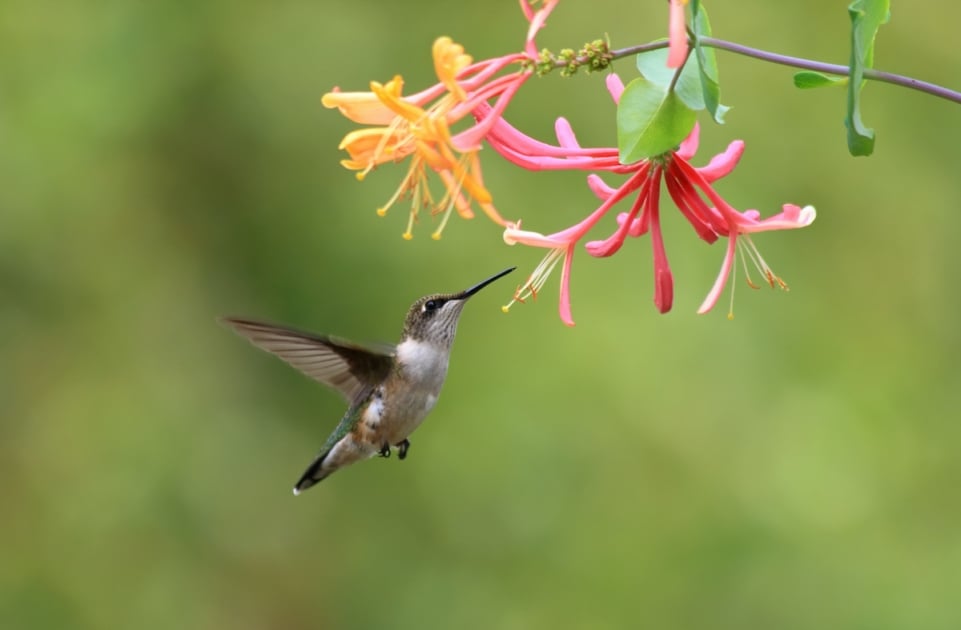
Quick Reference: Hummingbird Flowers
- Best colors: red, orange, and pink blooms catch a hummingbird’s eye first.
- Best shape: long, tubular flowers that hang or point downward hold the most nectar.
- Plant for all season: mix early, midsummer, and fall bloomers so the nectar never runs dry.
- Skip the pesticides: hummingbirds eat small insects too, so a chemical-free garden feeds them twice.
- Nectar math: flower nectar makes up about 90 percent of a hummingbird’s diet.
You do not need a special feeder to bring hummingbirds to the yard. A patch of the right blooms will do it, and this 2026 growing season is a fine time to plant them. Hummingbirds find flowers by color first, then come back for the nectar, so a garden stocked with red, orange, and pink tubular blossoms becomes a regular stop on their daily route. Here are 24 hummingbird flowers, from A to Z, that will keep them coming back all summer long.
Which Flowers Do Hummingbirds Like?
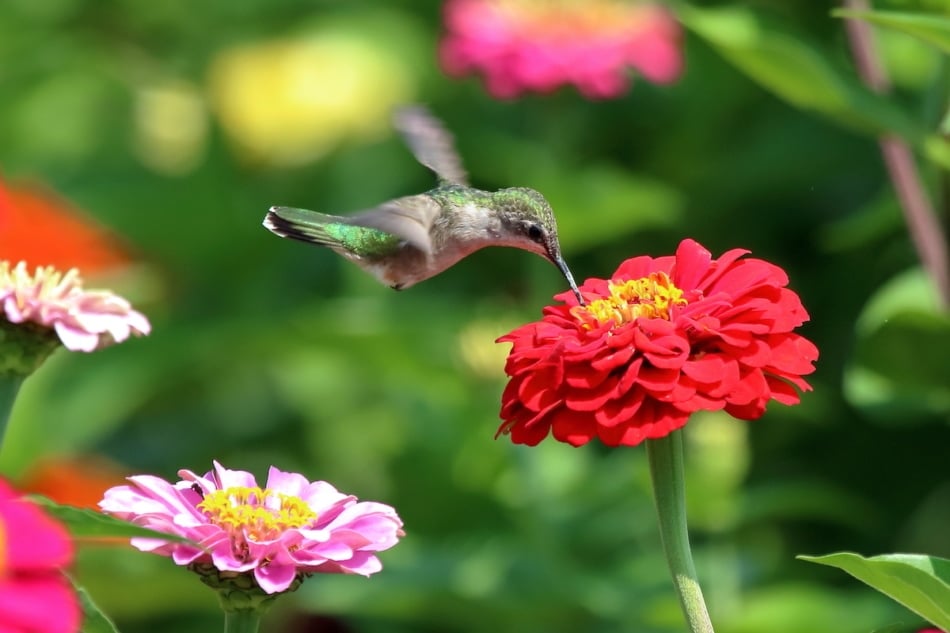
The first thing to know is that hummingbirds are drawn to flowers by color. They are especially pulled toward red, orange, and pink blooms, and they return for the nectar inside. Hummingbirds favor flowers that produce a large amount of high-sugar nectar. Those flowers tend to be red or orange, and they are often long and tubular, hanging or pointing downward where a hovering bird can reach in.
That tubular shape is not an accident. A hummingbird’s long bill and even longer tongue are built to sip from deep, narrow blooms that most other pollinators cannot reach, which means the flower gets a faithful visitor and the bird gets a meal all its own. Providing this natural botanical nectar supplies essential nourishment and energy to visiting hummingbirds. To lure them to linger long in your flower garden, plant any of the botanicals below.
Plant for Blooms All Season
Hummingbirds arrive in spring and stay into fall, so the trick is to keep something flowering the whole time. Pick a few plants from each column below and you will have nectar on offer from the first warm weeks through the last of the migration. Bloom times shift with your region, so treat these as a guide and watch what opens when in your own beds.
| Season | Hummingbird Flowers to Plant |
|---|---|
| Spring bloomers | Azalea, Lilac, Flowering Quince, Rhododendron, Columbine, Bellflower |
| Summer bloomers | Bee Balm, Butterfly Weed, Fuchsia, Hibiscus, Petunia, Phlox, Salvia, Trumpet Honeysuckle, Weigela, Foxglove, Borage, Mock Orange, Lily, Sweet William |
| Late summer into fall | Zinnia, Morning Glory, Cypress Vine, Spotted Touch-Me-Not (Jewelweed) |
- Flowers are an above-ground crop, so the old rule is to set them in during the light, or waxing, of the Moon.
- The Gardening by the Moon Calendar lists this month’s Best Days to plant flowers in your area.
24 Hummingbird Flowers, From A to Z
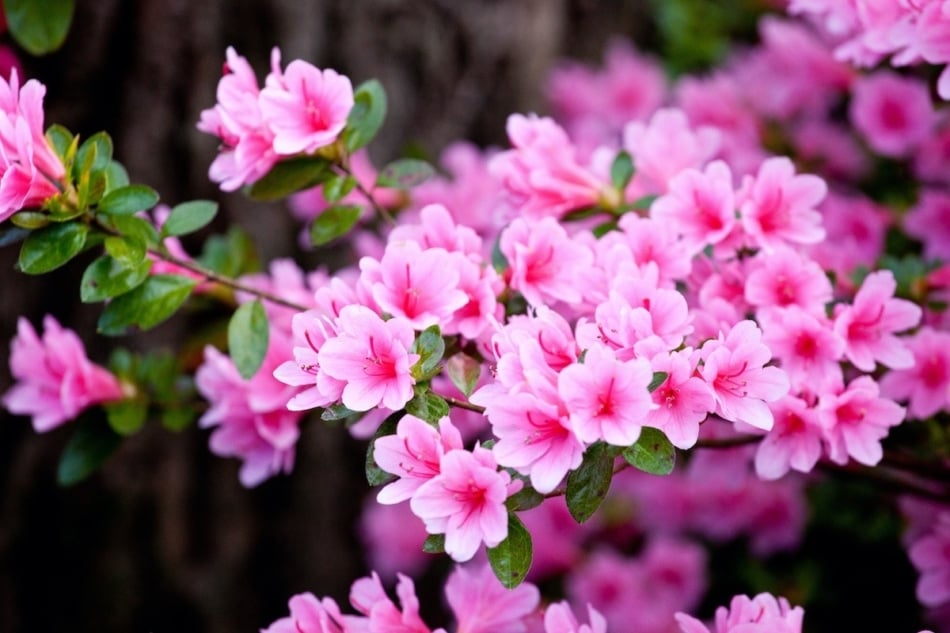
Azalea
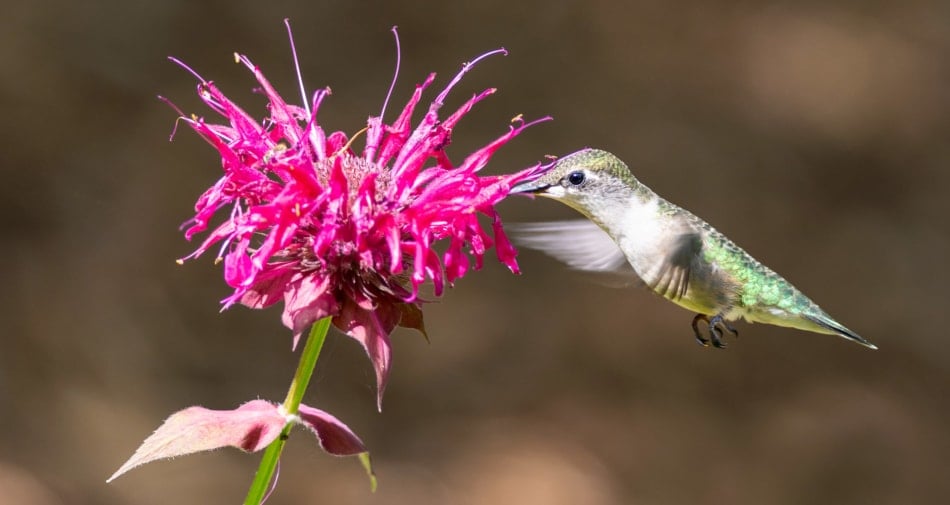
Bee Balm
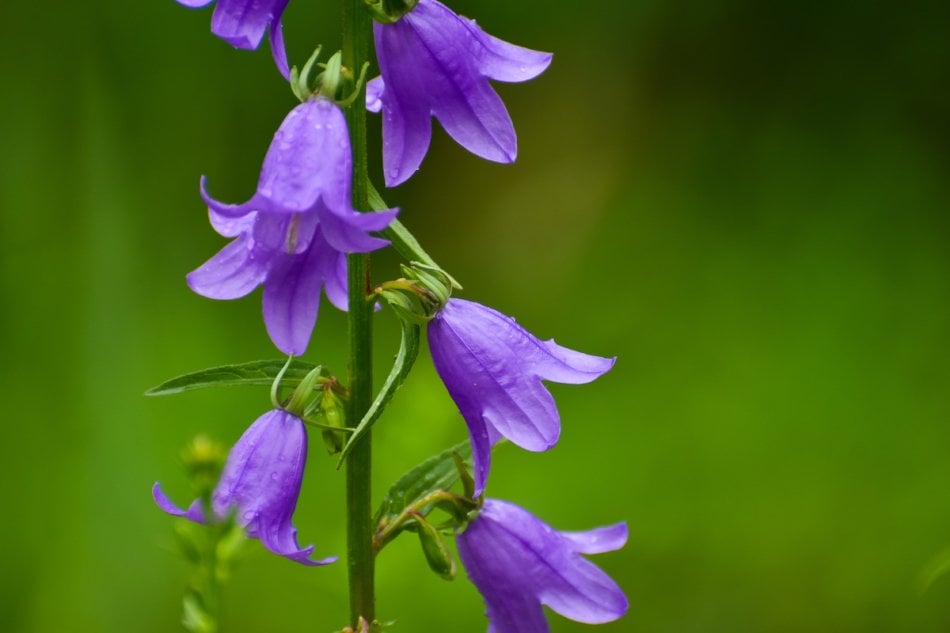
Bellflower
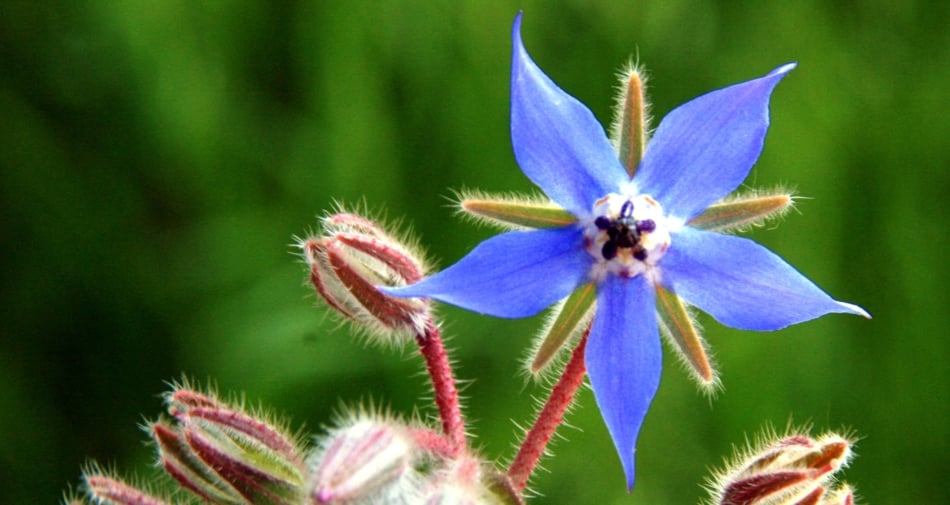
Borage
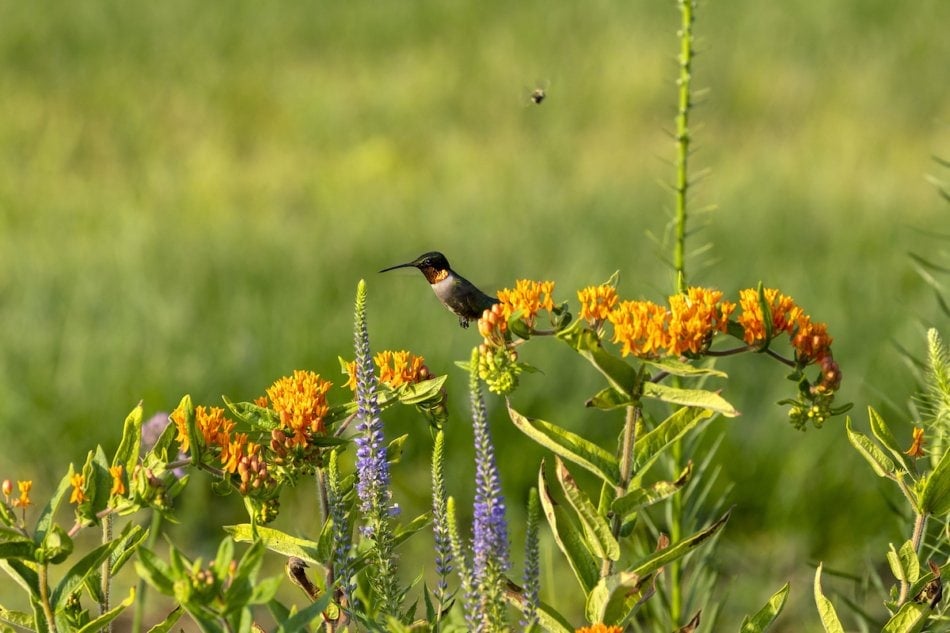
Butterfly Weed
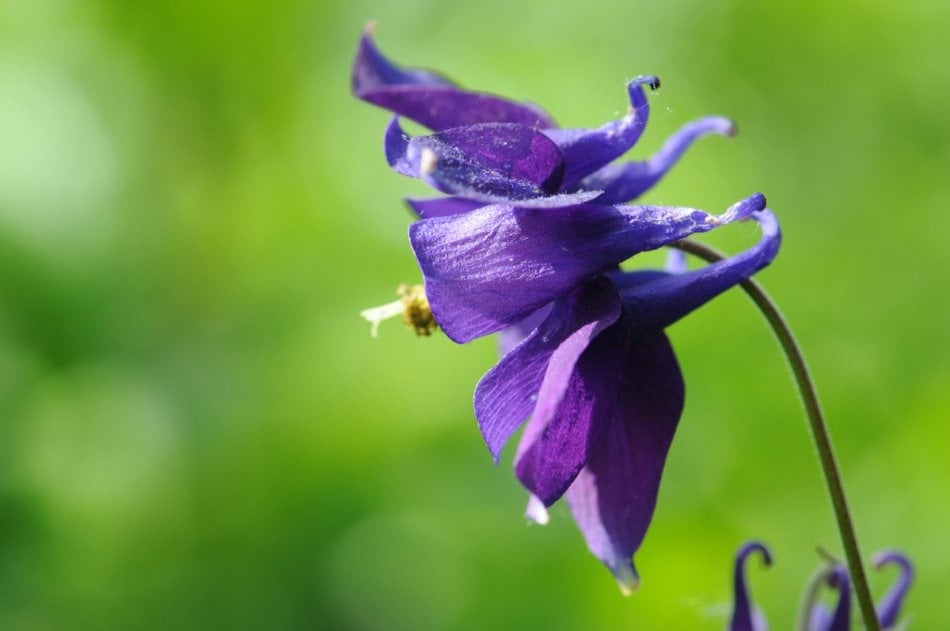
Columbine
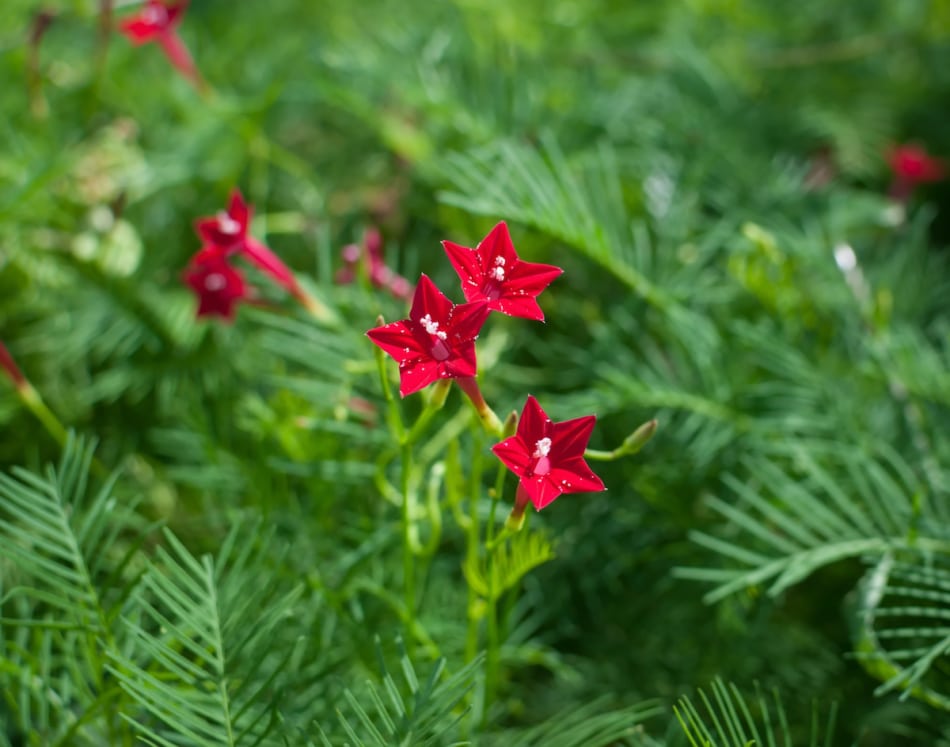
Cypress Vine
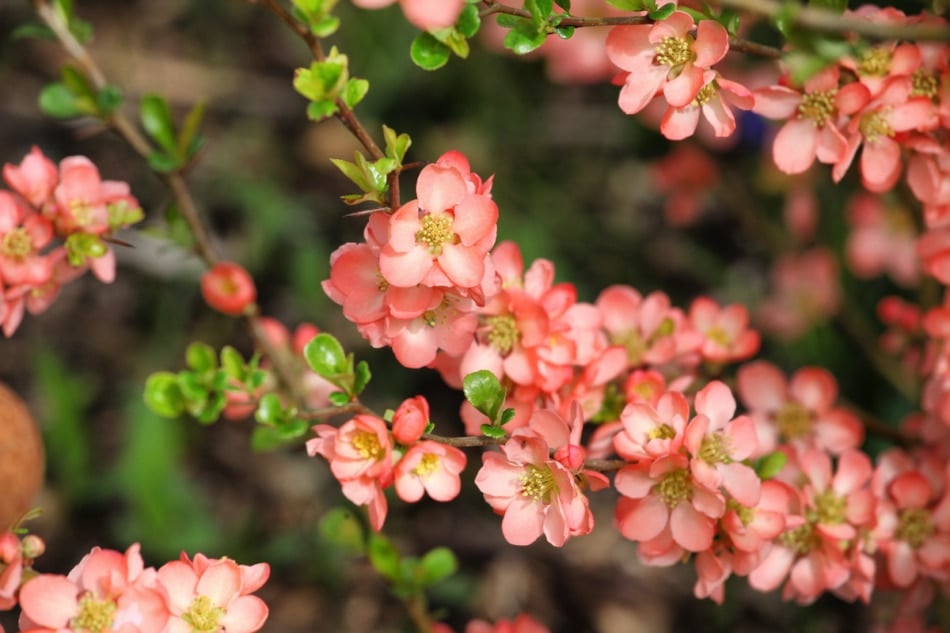
Flowering Quince
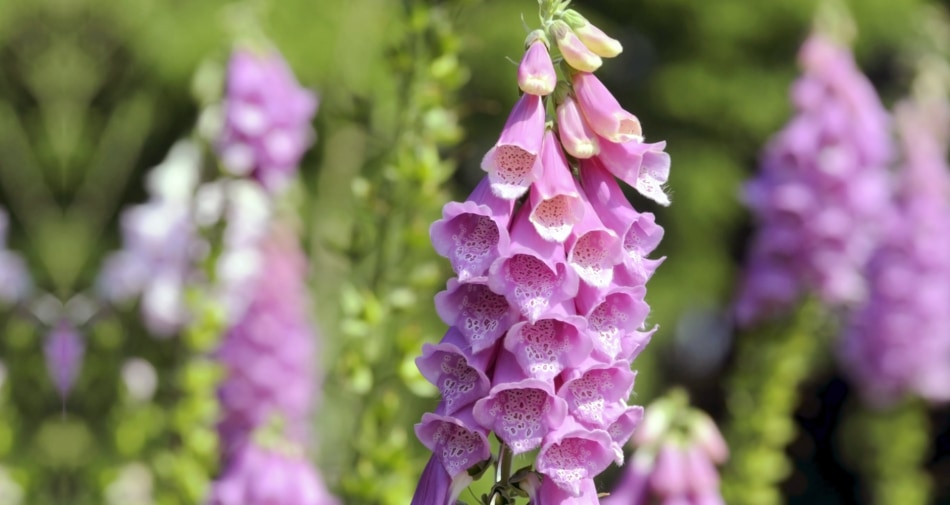
Foxglove
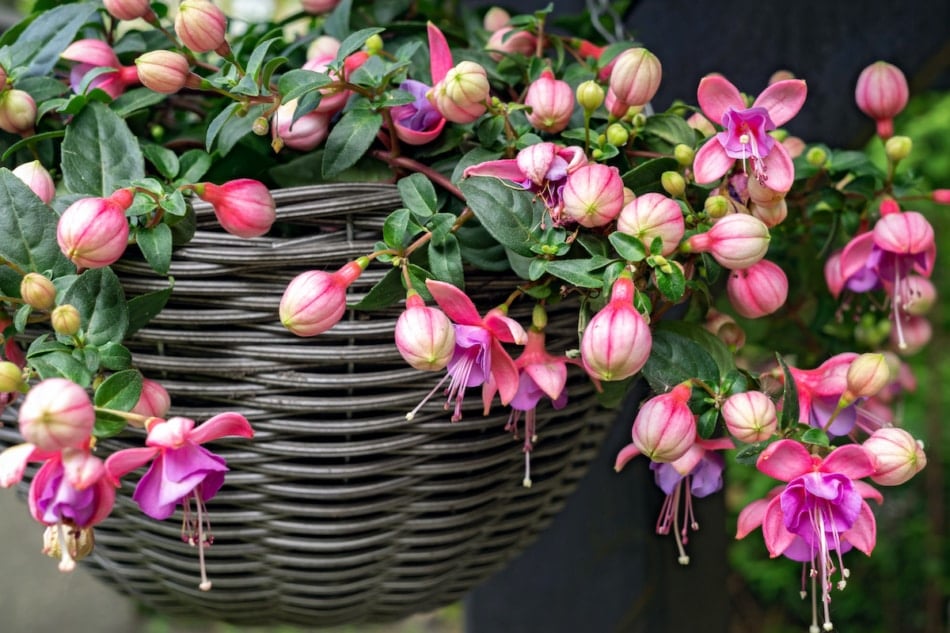
Fuchsia
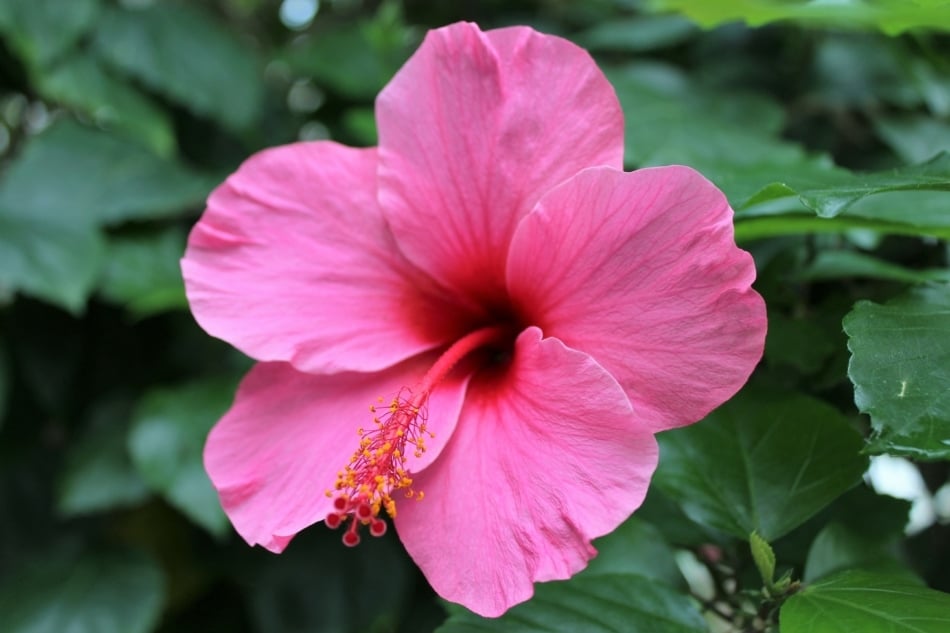
Hibiscus
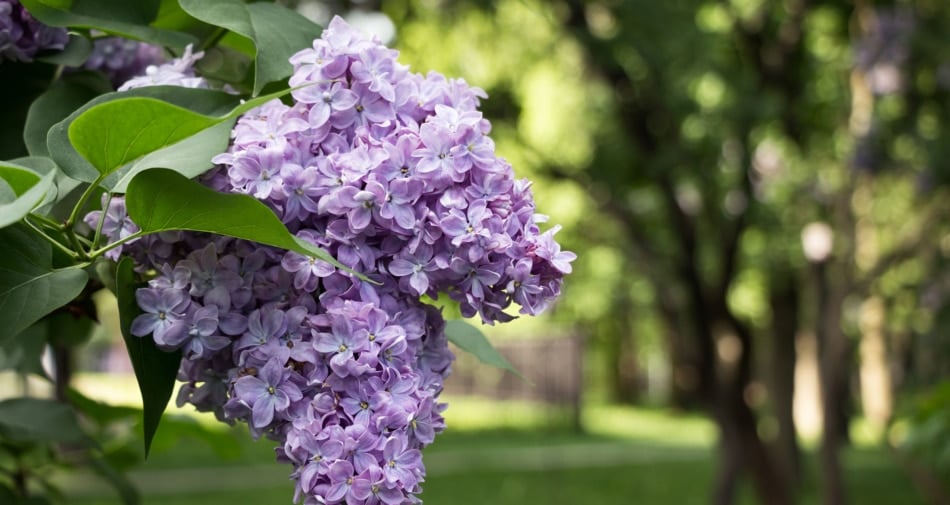
Lilac
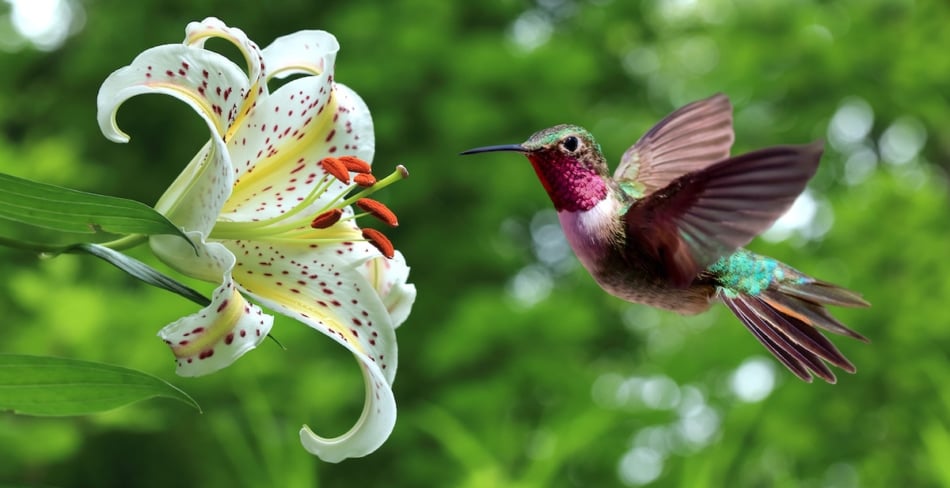
Lily
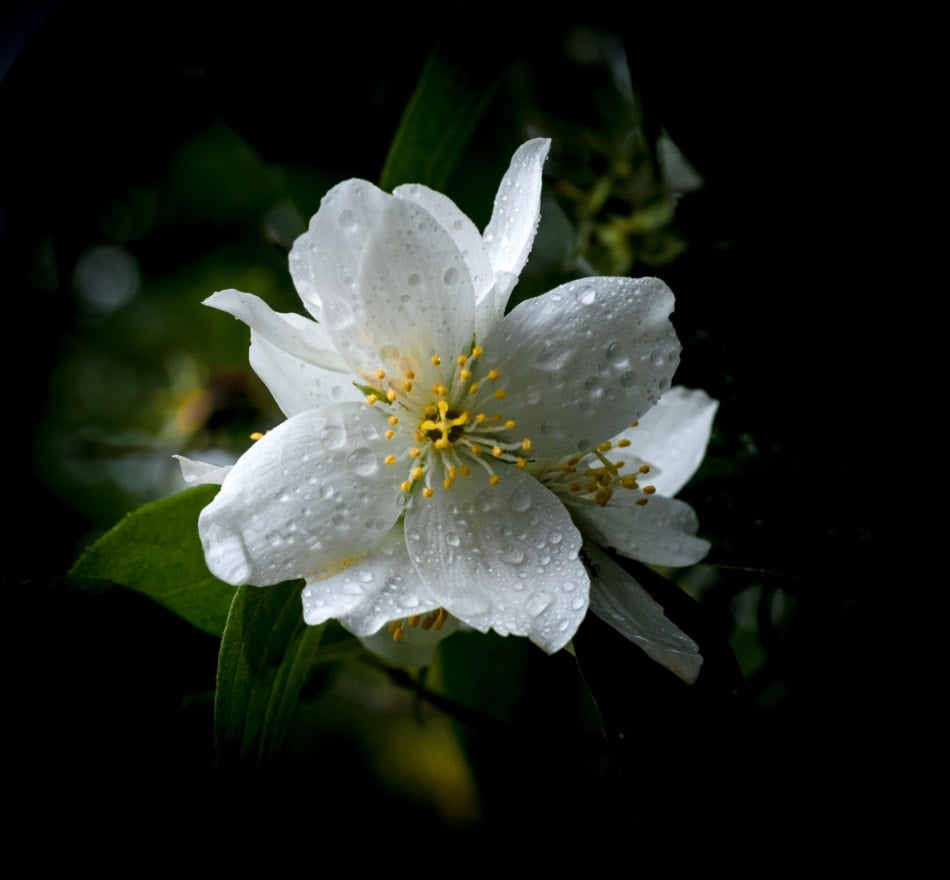
Mock Orange
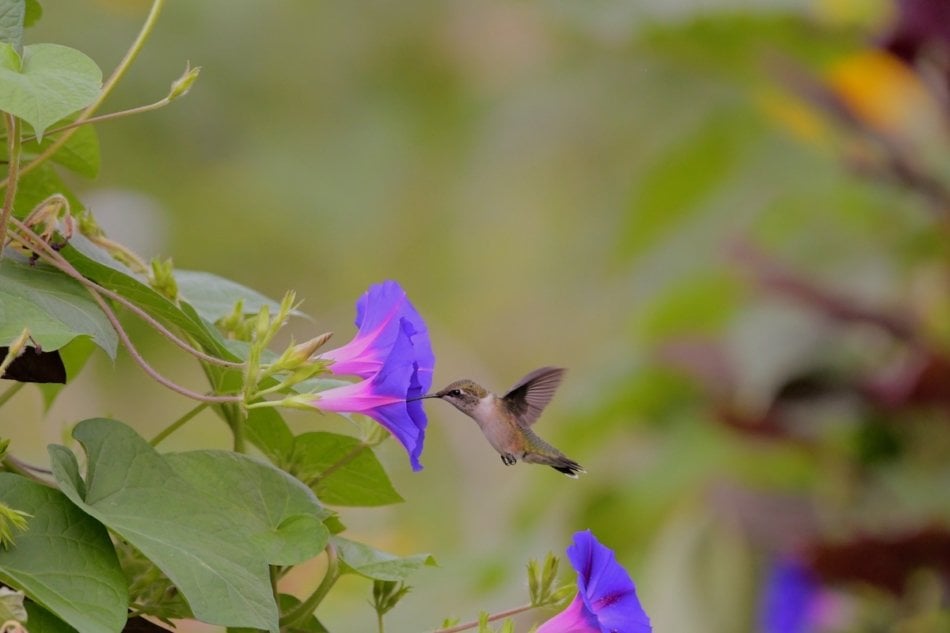
Morning Glory
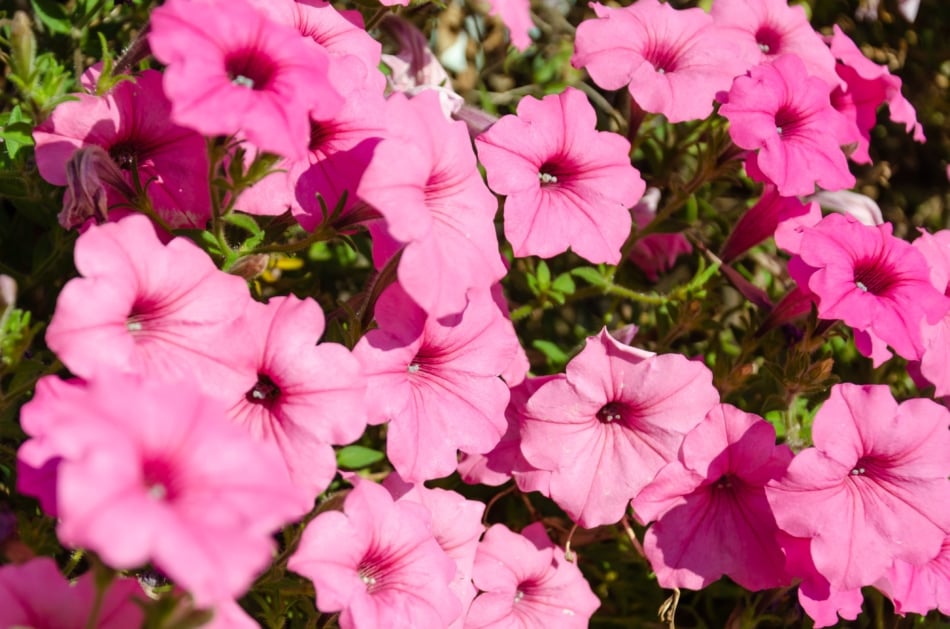
Petunia
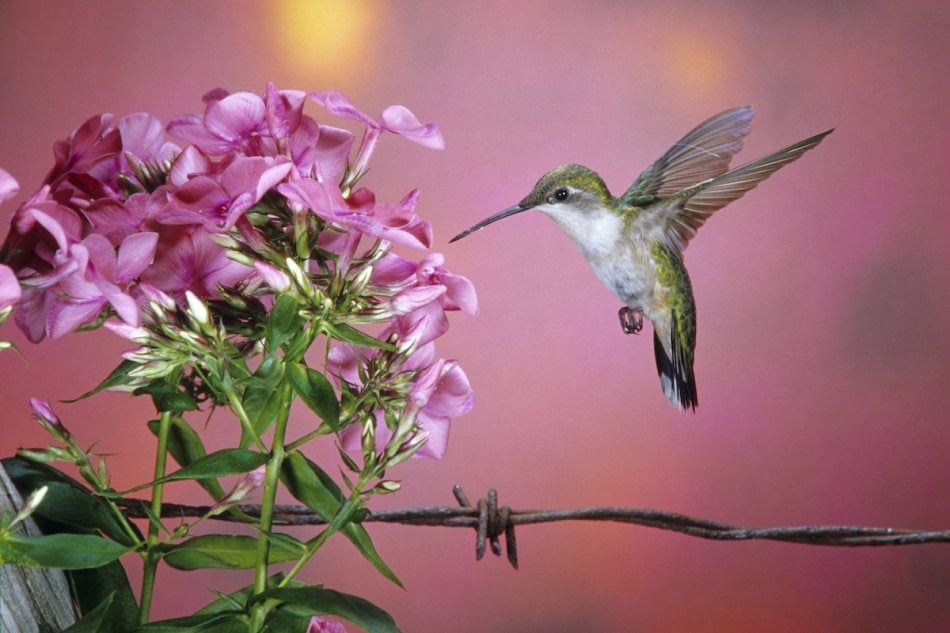
Phlox
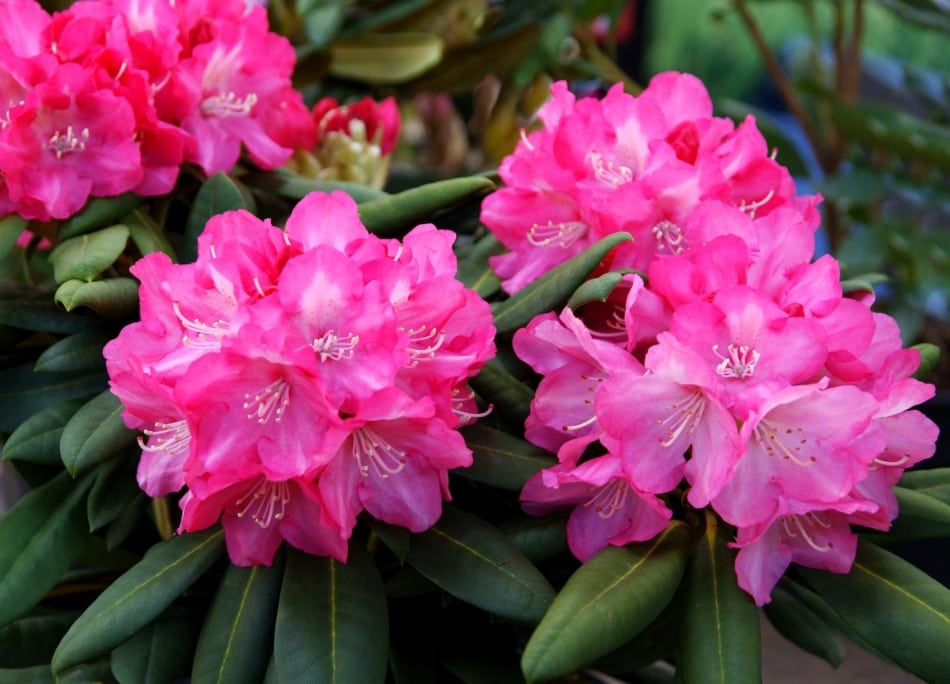
Rhododendron
Salvia
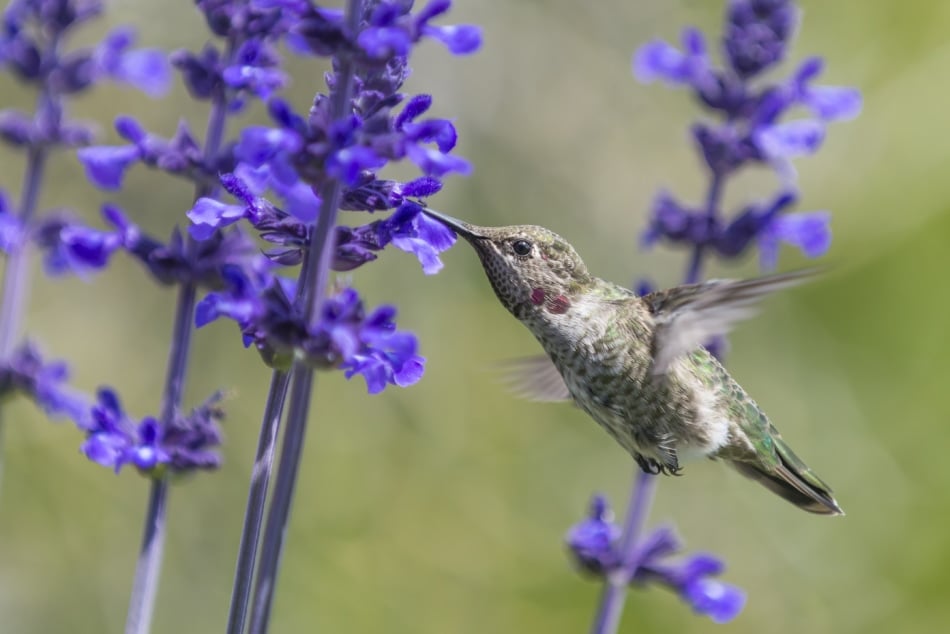
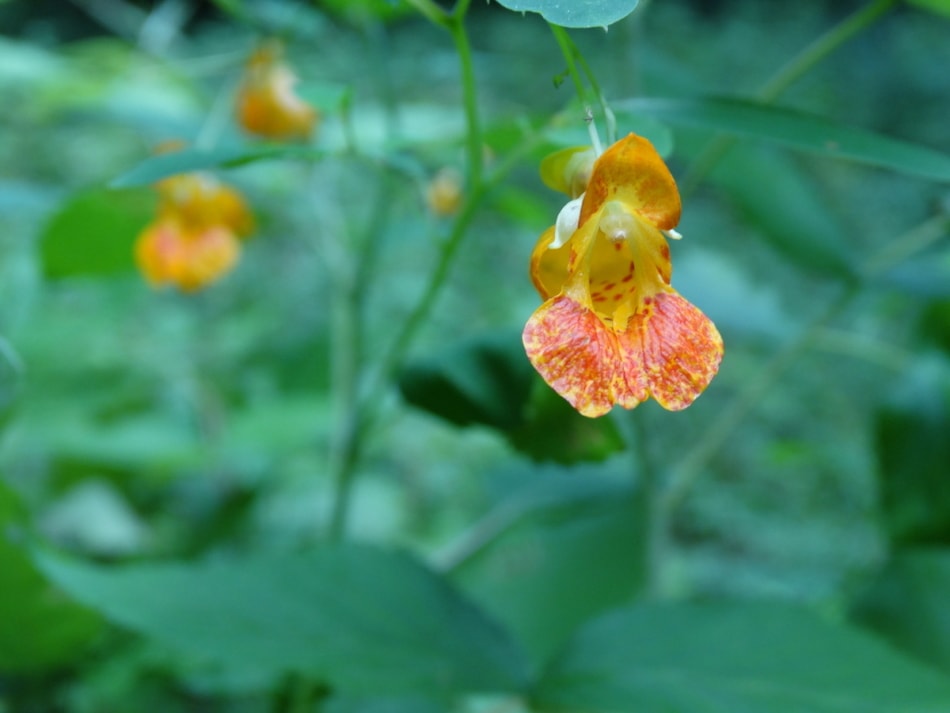
Spotted Touch-Me-Not; Jewelweed
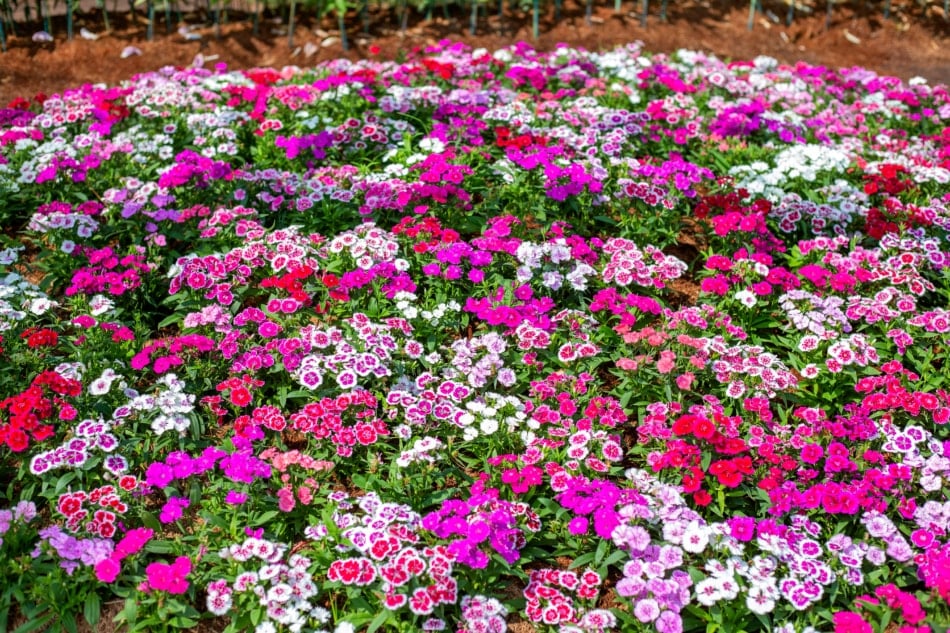
Sweet William
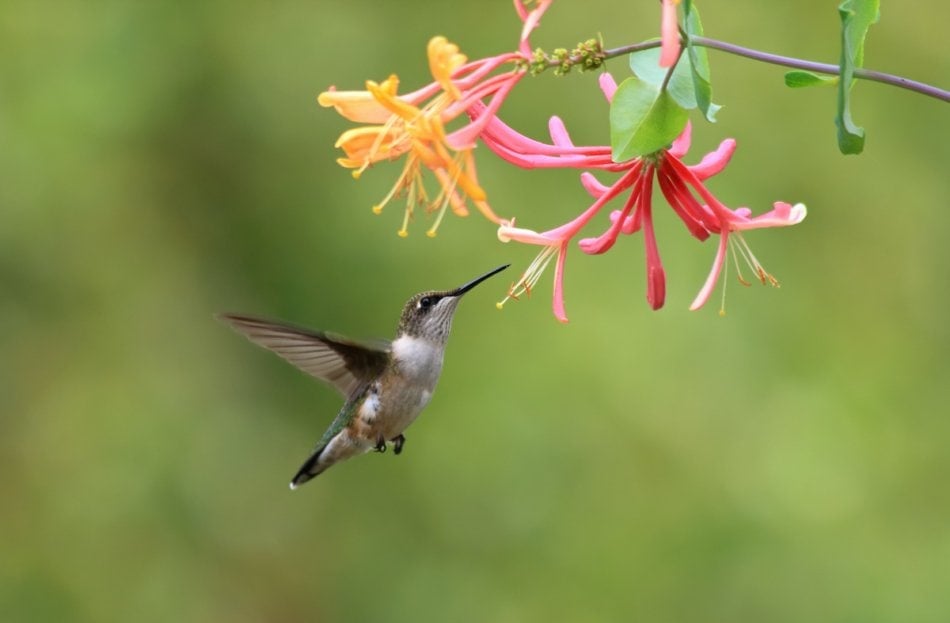
Trumpet Honeysuckle
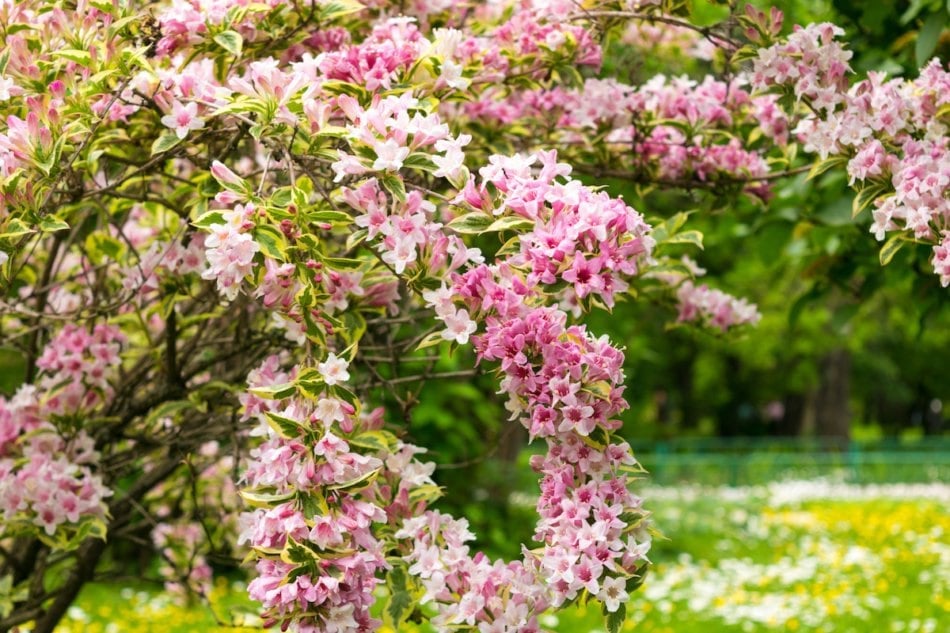
Weigela
Zinnia
A Few Extra Touches for the Garden
The flowers do most of the work, but a few small additions make your yard a place hummingbirds want to stay. Leave the pesticides in the shed, since hummingbirds eat gnats, aphids, and other tiny insects along with nectar, and a spray that clears the bugs takes away half their menu. A shallow dish of clean water or a gentle mister gives them a place to bathe, and a bright feeder filled with plain sugar water, one part sugar to four parts water and no red dye, makes a fine backup between blooms.
Where you can, lean on native plants that bloom in your area. They are matched to your soil and weather, they need less fuss, and the local hummingbirds already know them. For more on timing your planting, our Gardening by the Moon Calendar points you to the Best Days for flowers. Our roundup of amazing hummingbird facts is worth a read while you wait for the first visitor, and if you want blooms that shine after dark, try pairing them with a Moon Garden.
Flowers Are An Important Food Source For Hummingbirds
All hummingbirds rely on flower nectar for 90% of their food. Unlike ducks or geese, they are solo migrators. Their migratory patterns are tied to their breeding grounds and food sources. All hummingbirds are exclusive to the Western Hemisphere, and most live in the Caribbean and South and Central America. Of more than 300 species, only 16 migrate to North America and most come only to breed. One of these, the Ruby-throated Hummingbird, migrates to breeding grounds east of the Rocky Mountains from the Gulf of Mexico to southern Canada, and is the only species that nests east of the Mississippi River.
According to the Cornell Lab of Ornithology, the Ruby-throated Hummingbird can beat its wings about 53 times a second, which is why a nectar-rich garden matters so much: that hover costs a great deal of energy. You can read more about the species in the Cornell Lab’s All About Birds guide.
Become A Citizen Scientist
The National Audubon Society designed a program to mobilize citizen scientists across the US to bolster current research by documenting the feeding patterns of hummingbirds. Learn about hummingbirds and sign up to do your part at Hummingbirds at Home.
Drink Hummingbird-Friendly Coffee
Hummingbirds spend most of the year in the tropics where they often move up and down mountains to keep up with all types of flowering plants. Coffee beans are grown on the same mountains. When coffee beans are shade-grown on organic coffee farms, the farms provide a pesticide-free and flower-rich habitat for the hummingbirds. When you drink coffee that has been certified as bird-friendly, you help to ensure and protect the kind of habitat that hummingbirds need. The Smithsonian Migratory Bird Center has an online resource where you can learn more about bird-friendly coffee, and find certified bird-friendly coffee retailers and roasters.
Hummingbird Flowers: Frequently Asked Questions
Which hummingbird flowers attract the most birds?
Red, orange, and pink blooms with a long, tubular shape draw the most hummingbirds, since they hold the high-sugar nectar the birds need. Bee balm, salvia, trumpet honeysuckle, cypress vine, and fuchsia are among the strongest performers. Plant a few from each bloom season so there is nectar on offer from spring through fall.
What color flowers do hummingbirds like best?
Hummingbirds are drawn to flowers by color, and they favor red, orange, and pink first. Those shades stand out to them and often mark blooms rich in nectar. They will still visit other colors, so do not pull up a purple bellflower or blue morning glory just because it is not red.
When should I plant flowers to attract hummingbirds?
Plant after your last spring frost, which shifts by region, so a Southern garden may go in weeks before a Northern one. Aim for a mix of spring, summer, and fall bloomers so the nectar never runs out during migration. The Gardening by the Moon Calendar lists this month’s Best Days to plant flowers in your area.
Do hummingbirds only feed on red flowers?
No. Red simply catches their eye quickly, but hummingbirds feed from many colors once they learn where the nectar is. Shape matters as much as color, and a deep, tubular bloom in any shade will earn repeat visits. A varied garden serves them better than a single color ever could.
Do I still need a feeder if I plant hummingbird flowers?
A well-planted garden can feed hummingbirds on its own, since nectar makes up about 90 percent of their diet. A feeder is a helpful backup between bloom cycles or in a new garden that has not filled in yet. If you use one, fill it with plain sugar water, one part sugar to four parts water, and skip the red dye.
Are any of these flowers harmful to grow around children or pets?
A few on this list, including foxglove, are toxic to people and pets if eaten, even though they are safe and useful for hummingbirds. If small children or curious animals share the yard, place those plants where they will not be nibbled, or choose gentler options like bee balm, salvia, and zinnia. Do what is best for your household.


Deborah Tukua
Deborah Tukua is a natural living, healthy lifestyle writer and author of 7 non-fiction books, including Pearls of Garden Wisdom: Time-Saving Tips and Techniques from a Country Home, Pearls of Country Wisdom: Hints from a Small Town on Keeping Garden and Home, and Naturally Sweet Blender Treats. Tukua has been a writer for the Farmers' Almanac since 2004.

Jean Grigsby
Jean Grigsby is a writer, who lives on the banks of the Kennebec River in Chelsea, Maine. She enjoys working out, reading, and running her marketing and public relations business, The Write Approach. Her article, Where Are All The Birds? appears in the 2021 Farmers' Almanac.
-
Jean Grigsby

-
Jean Grigsby
-
Jean Grigsby
-
Jean Grigsby


Saw my first Hummingbird of 2024 last week. I’m so glad I went ahead and put out my feeders early.
We love to hear of their return – even better to see them ourselves!
Love this!! Thank you!!