Best Seeds for Early-Season Planting: Peas and Fava Beans
Quick Reference: Best Seeds for Early-Season Planting
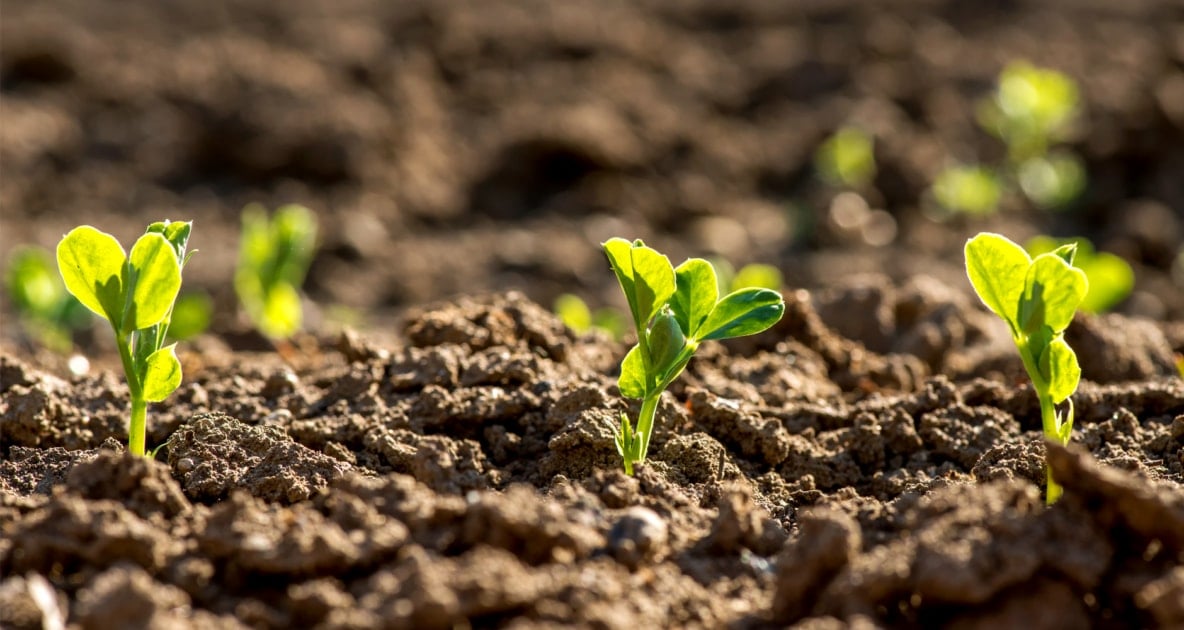
- Plant first: peas and fava beans, the moment the soil is workable. Both thrive in cold, damp weather.
- Old rule: “plant your peas and pay your taxes on the same day,” which puts most gardeners in the ground around mid-April.
- Boost the roots: roll seeds in inoculant, a beneficial bacteria that helps the roots bind nitrogen for stronger plants and higher yields.
- Save space: trellis peas on two 8-foot posts set 5 feet apart, driven 1 1/2 feet into the ground.
- Harvest: by the Fourth of July for peas started in early spring.
When the last snow melts and the ground finally gives under a spade, one question runs through every gardener’s head: what goes in first? The answer has stayed the same for generations. Peas and fava beans lead the way, dropped into cold, damp soil weeks before the tender crops dare to sprout. Here is how to time your early-season planting, feed the roots, build a trellis that pays off by the Fourth of July, and stretch the cool weeks into a real harvest.
Why Peas and Fava Beans Go In First
Peas and fava beans are the first seeds in the ground the moment the soil is workable. Both thrive in cold, damp weather that would rot a bean or stall a tomato. That cold tolerance is the whole reason they lead off the season, and it is why old-timers reach for them before anything else.
Joann Matuzas, a guest blogger from Johnny’s Selected Seeds, learned the timing the country way. When she moved to Maine, an old-time farmer told her you “plant your peas and pay your taxes on the same day.” It has worked for her for the last five years. Tax day lands in mid-April across most of the country, which is a handy, memorable stand-in for that first stretch of workable soil.
Like most folk rules, this one carries a measured caveat. The calendar date is a reminder, not a law. Soil temperature and workability are the real triggers, so a Southern gardener may plant weeks earlier while a Northern one waits for the frost to leave the ground. Use the rule to jog your memory, then let your own soil have the final say.
When to Plant Early-Season Seeds
Peas germinate once the soil reaches about 40 degrees, and they do their best growing while nights stay cool. As a rule of thumb, that lands four to six weeks before your last spring frost. Fava beans are just as hardy and shrug off a light frost. The University of Minnesota Extension keeps a plain-English guide to growing peas if you want to confirm the window for your own ground.
Frost dates run weeks apart across the country, so the calendar date shifts with your region. The trigger does not change: workable soil that has thawed and drained.
In Canada, gardeners in British Columbia and southern Ontario often start peas in early to mid spring, while the Prairies, Quebec, and the Maritimes wait for the soil to thaw and drain, usually mid to late spring. In every region the same trigger applies: cold, damp, workable soil, well ahead of the last frost.
- Peas and fava beans are above-ground crops. Favor the light, or waxing, of the Moon for planting.
- The Gardening by the Moon Calendar lists this month’s Best Days to plant above-ground crops in your area.
Use Inoculant at Planting Time
The key to growing strong bean and pea plants is to use inoculant at planting time. Inoculant is a beneficial bacteria that helps the roots bind nitrogen from the air, and the result is stronger plants with higher yields. It is easy to use and inexpensive, sold in a small bag at most garden centers and seed catalogs.
The method is simple. Put the inoculant in a zip lock bag, then roll the peas or beans in it as you plant. The dark, dusty coating clings to the damp seed and rides it right into the furrow. Peas and beans are legumes, so this partnership between root and bacteria is exactly how they feed themselves and, over time, leave the soil richer than they found it.
Build a Simple Pea Trellis
Trellising peas conserves space, makes picking easier, and adds a vertical element of interest to the garden. Vines held up off the ground also dry faster after rain, which keeps mildew at bay. A good trellis design comes from Eliot Coleman’s “Four Season Harvest” book, and it goes together with a few posts and a length of netting.
Take two 8-foot 2 by 2 posts, or three for a longer trellis, and sharpen them to a point at one end. Drive them about 1 1/2 feet into the ground, spaced 5 feet apart. Thread the trellis netting down the two or three posts, then thread it through a crossbar secured on top of the uprights. The crossbar keeps the whole run taut so the vines have something to grab as they climb.
Set the trellis at planting time, not after the vines flop. Peas send out grabbing tendrils early, and they will find the netting on their own if it is waiting for them.
More Early-Season Crops to Try
Peas and fava beans open the door, but the cool weeks hold room for more. Once the soil is workable, these hardy crops go in alongside your first peas:
- Spinach and lettuce: quick, cold-loving greens that bolt once summer heat arrives, so early is the only good time.
- Radishes: ready in three to four weeks, a fast reward while the peas are still climbing.
- Onions and shallots: set as sets or transplants in cool soil for a summer harvest.
- Kale and Swiss chard: tough greens that take a light frost in stride and keep producing for months.
Give these neighbors a little thought before they share a bed. For a fuller pairing chart, see our companion planting guide, and if peas become your headline crop, our step-by-step notes on how to grow peas carry the season from seed to pod. Gardeners who want a root crop in the same cool stretch can slip in early potatoes using our guide to growing your own potatoes.
Harvest by the Fourth of July
Here is the payoff. By the Fourth of July you will be harvesting peas from vines you started while the ground was still cold. Pick often, since a picked vine keeps setting new pods, and a neglected one slows down and turns starchy. Fava beans follow close behind, ready once the pods swell and feel full in the hand.
When the peas finish in the summer heat, do not pull the roots. Cut the vines at soil level and leave the nitrogen-fixing roots in the ground to feed whatever you plant next. That is the quiet bonus of leading with legumes: they hand the bed back richer than they found it.

Early-Season Planting: Frequently Asked Questions
What seeds are best to plant early in the season?
Peas and fava beans are the classic early-season seeds, since both thrive in cold, damp weather and go in the moment the soil is workable. Spinach, lettuce, radishes, onions, kale, and Swiss chard are other hardy crops that handle the cool weeks well.
What does “plant your peas and pay your taxes” mean?
It is an old New England rule of thumb that ties pea planting to tax day in mid-April, a memorable stand-in for the first stretch of workable spring soil. Treat it as a reminder, not a law. Soil temperature and workability are the real triggers, so plant earlier in the South and later in the North.
Do I really need inoculant for peas and beans?
Inoculant is not required, but it is easy and inexpensive and it pays off. It is a beneficial bacteria that helps the roots bind nitrogen, which gives you stronger plants and higher yields. Put it in a zip lock bag and roll the peas or beans in it as you plant.
How do I build a simple pea trellis?
Following Eliot Coleman’s “Four Season Harvest” design, take two 8-foot 2 by 2 posts, or three for a longer run, and sharpen one end to a point. Drive them 1 1/2 feet into the ground, 5 feet apart, thread netting down the posts, and secure it through a crossbar on top of the uprights.
How cold is too cold to plant peas?
Peas germinate once the soil reaches about 40 degrees and shrug off a light frost, so cold soil is rarely the problem. Wet, unworkable soil is the real risk, since seeds can rot before they sprout. Wait until the ground has thawed and drained enough to crumble in your hand.
When will early-planted peas be ready to harvest?
Peas started in cold early-spring soil are typically ready by the Fourth of July. Pick often to keep the vines setting new pods, and cut the finished plants at soil level so the nitrogen-fixing roots stay in the bed to feed your next crop.


This article was published by the Staff at FarmersAlmanac.com. Any questions? Contact us at [email protected].
- Farmers' Almanac Staff

- Farmers' Almanac Staff

- Farmers' Almanac Staff

- Farmers' Almanac Staff