Uncle Sam History: The Real Man Behind the Symbol
Uncle Sam Day is September 13th. Ever wonder how and why he became a symbol for the USA? Find out!
Quick Reference: Uncle Sam History
- Who: Samuel Wilson, a meatpacker from Troy, New York, born September 13, 1766, in Mason, New Hampshire.
- When the name stuck: the War of 1812, when soldiers joked about “Uncle Sam’s beef.”
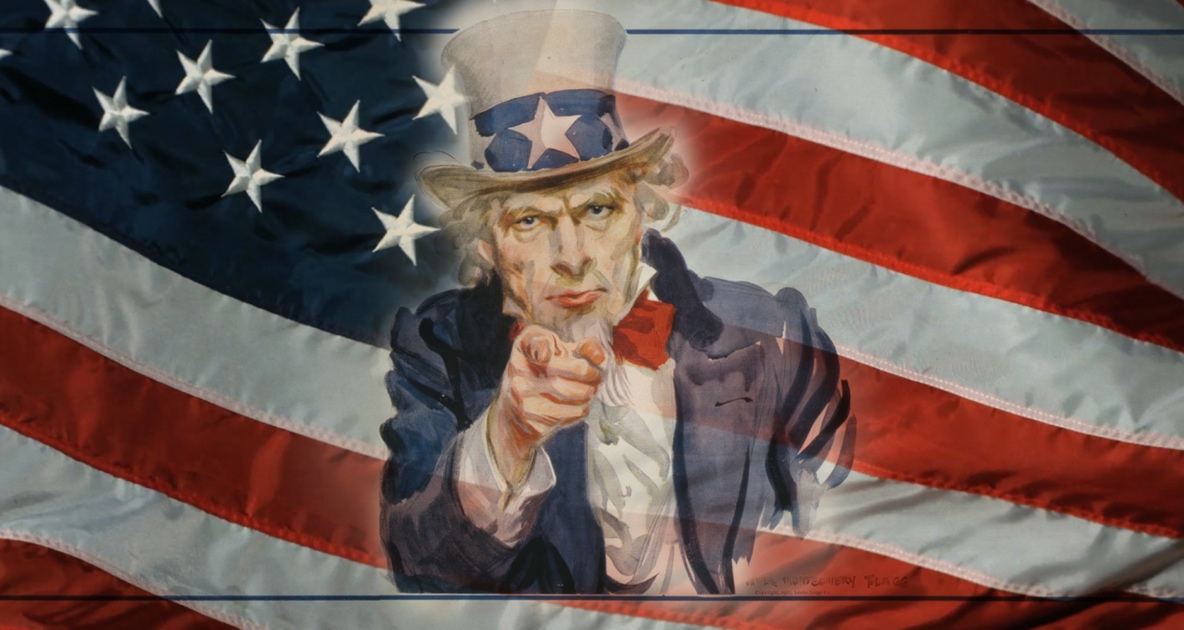
- The famous face: James Montgomery Flagg’s pointing “I Want YOU” poster, drawn in 1917.
- Made official: Congress recognized Samuel Wilson as the namesake of Uncle Sam in 1961.
- Uncle Sam Day: September 13th, Wilson’s birthday.
Uncle Sam Day falls on September 13th, and the date is no accident. It is the birthday of a real Troy, New York, meatpacker named Samuel Wilson, the man most folks credit as the flesh-and-blood reason America has an Uncle Sam at all. Here is how a friendly butcher with a knack for getting on with people turned into the white-bearded figure in the star-spangled hat who still points off the page and tells you he wants you.
Who Was Uncle Sam?
Many believe that Uncle Sam was coined and then symbolized after a New Hampshire native named Samuel Wilson. Wilson was born on September 13, 1766, and lived in Mason, New Hampshire, until his teens. Seeking greener fields, he moved to Troy, New York, where he started working in the meatpacking business. Because of his warmth, friendliness, and kindness, the moniker “Uncle Sam” was popularly attributed to him.
During the War of 1812, Wilson associated himself with Elbert Anderson, a government contractor. Together they shipped large quantities of meat and other commodities from Troy to the American forces stationed in various places. The Library of Congress keeps a short account of how Samuel Wilson’s name spread to the whole country if you want the federal record alongside the local lore.
Uncle Sam’s Beef
The soldiers from Troy knew that the goods so marked were handled by Samuel Wilson, their Uncle Sam, and jokingly spoke of the meat as “Uncle Sam’s beef.” This expression was quickly adopted by their fellow soldiers, and was used by them to designate all property belonging to the United States Government as “Uncle Sam’s.”
The story behind the joke is a tidy one. Barrels of meat headed to the troops were stamped “U.S.” for United States. The men from Troy knew who packed them, so they read the letters as the initials of their hometown Uncle Sam instead. A government shorthand became a nickname for the whole country, all because a friendly butcher’s reputation traveled with his barrels.

From a Friendly Face to a Tall Gentleman
The appellation became widely used by Americans and foreigners as a symbol of the United States. At first, the symbol was of a stocky figure with a kindly face, patterned after the likeness of Samuel Wilson, and clad in striped trousers, high hat, and flowing coattails, similar to the civilian clothing of 1812. Around 1880, some years after the death of Abraham Lincoln, the national cartoon of Uncle Sam was elongated into a figure of a tall, spare old gentleman, fashioned after the gaunt Lincoln. Today, Uncle Sam is still widely recognized and used as an American symbol.
So the face you picture today is really two men layered together: the warm, stocky butcher from Troy and the tall, lean shape of Lincoln. Political cartoonists kept adding to him through the 1800s, dressing him in the stars and stripes and giving him the white goatee. By the time the country needed a recruiting poster, Uncle Sam already looked the way he does on a Fourth of July banner.
The “I Want YOU” Poster
The single picture that fixed Uncle Sam in the public eye came from artist James Montgomery Flagg. In 1917, as the United States entered World War I, Flagg drew the now-famous recruiting poster of a stern Uncle Sam pointing straight at the viewer above the words “I Want YOU for U.S. Army.” Flagg used his own face as the model and aged it up, which is part of why the figure feels so direct. The poster was printed by the millions, and it is the version most Americans still see in their mind’s eye.
When Congress Made It Official
For more than a century, the Samuel Wilson story was passed along as local lore in Troy and beyond. Then in 1961, Congress adopted a resolution recognizing Samuel Wilson of Troy, New York, as the namesake of America’s national symbol, Uncle Sam. The man behind the barrels finally had it in writing. That is also why September 13th, Wilson’s birthday, is marked as Uncle Sam Day.
Celebrating Uncle Sam Day
September 13th lands in the heart of harvest season, when the Harvest Moon lights the evenings and the September full Moon signals the turn toward fall. It is a fitting time to read up on the country’s homegrown symbols, the same way you might mark Flag Day in June. If you are planning a small gathering, the Farmers’ Almanac Best Days Calendar can help you pick a good day for entertaining or travel.

Uncle Sam History: Frequently Asked Questions
Was Uncle Sam a real person?
Many believe so. The name is popularly traced to Samuel Wilson, a meatpacker in Troy, New York, who supplied beef to American forces during the War of 1812. In 1961, Congress recognized Wilson as the namesake of the national symbol. The figure itself is a composite that grew well beyond the real man.
How did the name “Uncle Sam” start?
Samuel Wilson worked with government contractor Elbert Anderson, shipping meat from Troy to the troops. Soldiers who knew Wilson joked about “Uncle Sam’s beef,” and the nickname spread to mean all property belonging to the United States Government. From there it became a name for the country itself.
Who drew the famous Uncle Sam “I Want YOU” poster?
Artist James Montgomery Flagg drew the famous pointing poster in 1917, during World War I, above the words “I Want YOU for U.S. Army.” Flagg modeled the face on his own. The poster was printed by the millions and remains the image most people picture when they think of Uncle Sam.
Why does Uncle Sam look like Abraham Lincoln?
The earliest Uncle Sam was a stocky, kindly figure modeled on Samuel Wilson and dressed in the civilian clothing of 1812. Around 1880, some years after Lincoln’s death, cartoonists elongated him into a tall, spare old gentleman fashioned after the gaunt Lincoln, which is the lean shape we recognize today.
When is Uncle Sam Day?
Uncle Sam Day is September 13th, the birthday of Samuel Wilson, who was born September 13, 1766, in Mason, New Hampshire. It is a quiet holiday, but a fitting day to read up on how a Troy butcher became a national symbol.
What does Uncle Sam stand for today?
Uncle Sam stands for the United States Government and, more broadly, the country itself. The figure shows up at tax time, on recruiting posters, and in Fourth of July artwork. He began as friendly shorthand for goods marked “U.S.” and grew into one of America’s best-known symbols.

This article was published by the Staff at FarmersAlmanac.com. Any questions? Contact us at [email protected].
- Farmers' Almanac Staff

- Farmers' Almanac Staff

- Farmers' Almanac Staff

- Farmers' Almanac Staff