

Mulching to Fight Weeds Naturally: Methods and Tips
Mulching is a great natural way to fight weeds without harsh chemicals. Check out these methods and tips for a weed-free garden!
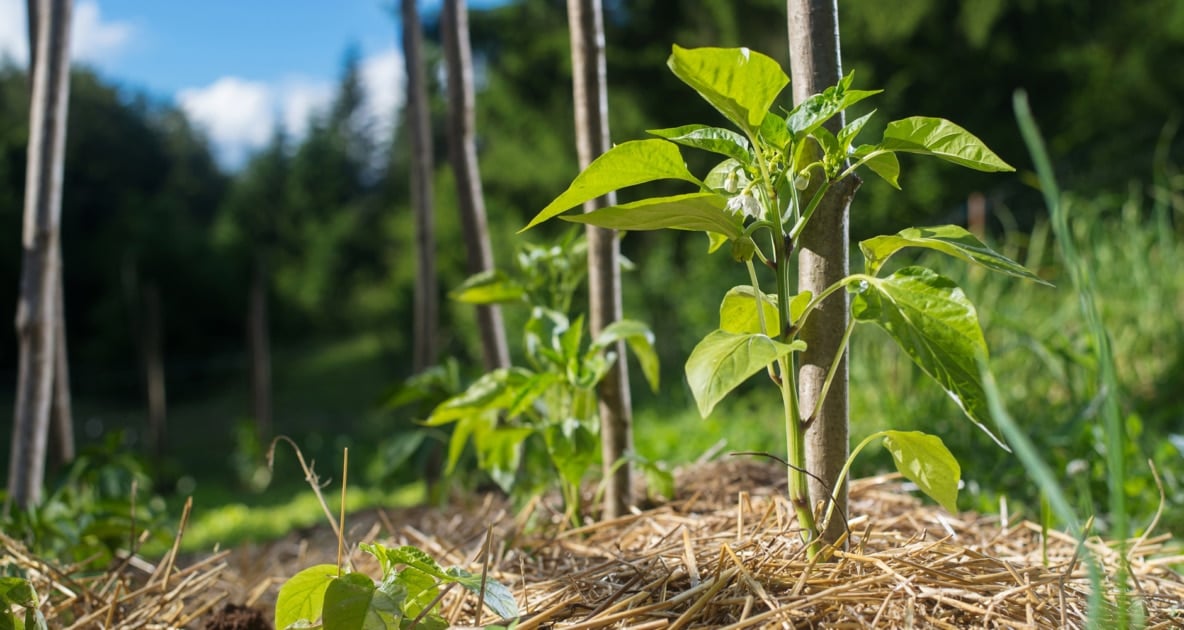
Quick Reference: Mulching to Stop Weeds
- What it does: blocks light so weed seeds cannot sprout, while feeding the soil and holding in moisture.
- Common materials: shredded leaves, hay or straw, wood chips, black plastic, and newspaper or cardboard.
- How deep: lay organic mulch thick, at least two to three inches (2″-3″), to smother most weeds.
- Sheet mulching: cardboard on the bottom, a layer of compost, then leaves on top for a season-long weed block.
- Living mulch: undersow clover, alfalfa, or vetch to crowd out weeds and fix nitrogen at the same time.
What is a weed, really, but a plant we do not want around at that moment? Our habit is to hate weeds, so our approach is to fight them, to cultivate and spray, which often turns into a reactive and losing battle. There is a calmer way to stay ahead of them. Mulching keeps weeds down without harsh chemicals, and it does a few other favors for your garden while it works. Here is how to choose a mulch, how deep to lay it, and three proven methods that keep the beds clear all season.
The Basics
One of the first steps any gardener can take to cut down on weeds is to mulch. Mulching does more than block unwanted plants. A good organic mulch works as a soil amendment too, adding nutrients over time as it breaks down, and it keeps your cultivars cool and moist through the heat of summer.
Plenty of materials can serve as garden mulch. These five are the most widely used:
- Pine needle and leaf mulches
- Hay or straw mulches
- Wood chips
- Black plastic sheets or other synthetic mulches
- Newspaper and cardboard
Everyone has an opinion on which mulches work best and why. Which one suits you is something each gardener has to discover on his or her own. Clemson University’s Home and Garden Information Center keeps a plain-English rundown of mulch types if you want to compare how each material behaves before you buy a truckload.
Leaves are a favorite because they are free and easy to come by. The best way to use them is to shred them first with a mower or a leaf shredder. A mulch that stays porous enough to let air and water reach the soil does a better job of promoting plant health and building nutrient density in the ground. If you cannot shred them, whole leaves will still work. To really suppress weeds, lay the leaves down thick, at least two to three inches (2″-3″). No matter how thick you pile them, though, a few weeds will almost always find their way through.
Choosing the Right Mulch
Mulches fall into two camps. Organic mulches such as leaves, straw, and wood chips rot down over time, so they feed the soil but need topping up each year. Synthetic mulches like black plastic do not break down, so they hold weeds back longer but add nothing to the ground beneath. Match the material to the job and the bed.

Sheet Mulching
A great mulch combination is to lay cardboard down first and then leaves on top. For an extra nutrient kick, add a layer of compost above the cardboard before you spread the leaves. This process is called sheet mulching, and it does a far better job than leaves alone. If you have a compost pile going, this is one of the best places to spend it. Our guide to composting at home walks through building that middle layer.
When using cardboard, remove all tape and plastic and strive for ink-free stock when you can. As the sheet mulch breaks down, plants will grow through it, but it will keep blocking weeds for at least a full season. Use just the leaves right around the base of each plant so it gets enough air and water. You will be amazed at how little competition your cultivars face once you sheet mulch a bed.
Living Mulch
Another good approach is a “living mulch,” also called “green manure” or “undersowing.” The idea is to plant one low, spreading crop around your already-established vegetables to keep weeds from moving in.
Some common green manures are clover, alfalfa, and vetch. All three are legumes, which are nitrogen fixers with soil-enhancing qualities, so they protect the ground and feed it at the same time. If you want to read more about pairing crops that help one another, see our companion planting guide.
Around the time your principal crops such as tomatoes, eggplants, broccoli, and squash are established, sprinkle the legume seeds over the soil under those plants and rake them in shallowly with your hand or a small tool. The seedlings will sprout into a lush green carpet beneath your vegetables. A living mulch roots shallowly enough that it will not compete with the crop above it. When your cultivars are spent and you pull them at season’s end, you already have a cover crop in place for the winter.
Come the following spring, turn the green manure into your soil about a month before you plan to plant, giving it enough time to break down. Once your new seedlings are in and established, you can start the whole process over again. Tomatoes take especially well to this rhythm, and our guide on how to grow tomatoes pairs neatly with an undersown bed.
How Deep and When to Mulch
Depth is what makes mulch work. Too thin and light still reaches the weed seeds. Too thick against a stem and you invite rot. A good rule for organic mulch is two to three inches over open ground, kept an inch or two back from the base of each plant. Wood chips around shrubs and trees can go a little deeper, but never mound them into a volcano against the trunk. Root crops take to a straw mulch especially well, and our guide to growing your own potatoes leans on the same trick to keep the soil cool and the weeds down.
Timing shifts with your region, since the ground warms on its own schedule. The trigger is soil temperature and moisture, not the calendar date.
In Canada, gardeners in British Columbia and southern Ontario often mulch from mid to late spring, while the Prairies, Quebec, and the Maritimes wait until the soil has thawed and warmed, usually late spring into early summer. Mulch too early over cold, wet ground and you slow it down, so let the soil warm first.
Common Mulching Mistakes
A little care at the start saves a lot of weeding later. Watch for these common slips:
- Laying it too thin. A skimpy inch lets light through and weeds sprout right up. Go at least two to three inches deep with organic mulch.
- Piling it against stems. Mulch heaped on a trunk or stem holds moisture where you do not want it and invites rot. Keep it pulled back an inch or two.
- Using seed-heavy hay. Hay can carry weed seeds of its own. Straw is the cleaner choice when you can get it.
- Leaving whole leaves unshredded. Flat, wet leaves mat together and shed water. Shred them so air and water still reach the soil.
- Forgetting to top it up. Organic mulch rots down, which is the point, but a thinning layer stops holding weeds back. Refresh it as the season goes.

Mulching to Fight Weeds: Frequently Asked Questions
How does mulch stop weeds?
Mulch blocks the light that weed seeds need to sprout, so most never get going. A thick layer also makes it harder for the few that do come up to reach the surface. Organic mulches like leaves and straw feed the soil as they break down, while black plastic simply smothers the ground.
How thick should I lay mulch to suppress weeds?
Lay organic mulch at least two to three inches (2″-3″) deep over open ground. Thinner than that lets light through and weeds sprout right up. Keep the mulch pulled back an inch or two from plant stems so they get air and water and do not sit wet.
What is sheet mulching?
Sheet mulching means laying cardboard down first, adding a layer of compost, then topping it with leaves. The cardboard smothers existing weeds while the compost and leaves feed the soil. It blocks weeds far better than leaves alone and keeps working for at least a full season as it breaks down.
What is a living mulch or green manure?
A living mulch is a low, spreading crop planted around your vegetables to crowd out weeds, a technique also called undersowing. Clover, alfalfa, and vetch are common choices because they are legumes that fix nitrogen and enrich the soil. When your main crop is done, the living mulch stays on as a winter cover crop.
Is newspaper or cardboard safe to use as mulch?
Yes, both work well as a weed-blocking base layer. Remove all tape and plastic first, and aim for ink-free stock when you can. Modern newspaper ink is generally soy-based, but clean cardboard is a safe bet if you would rather not guess.
When is the best time to mulch my garden?
Mulch once the soil has warmed and dried in spring, which lands anywhere from mid spring in the South to early summer in the North. Laying mulch over cold, wet ground slows it down. Soil temperature and moisture are the real triggers, not the calendar date, so let the ground tell you when it is ready.

Sherie Blumenthal
Sherie Blumenthal is a Food Access Coordinator with Lots to Gardens, an urban gardening and community nutrition initiative sponsored by St. Mary’s Health System in Lewiston, Maine.
- Sherie Blumenthal

- Sherie Blumenthal
- Sherie Blumenthal
- Sherie Blumenthal



I added wood chips to my garden this spring and turned them under. Garden came up great, Looked good but stopped growing. I was told that the wood chips had taken the nitrogen out of the soil. I then added quite a bit of 13/13/13 between the rows and tilled it in. Most of the plants came back to life and are now producing. One thing I have noticed that the Brown Spot blight I have had for years and could never find a cure for has let up and the tomato plants that had the blight already has taken on new growth and new tomatoes. I am very surprised that now there is no sign of the blight.
Since I have been composting and turning it over into my garden, over the past 20 years, I have not had any weeds…and my garden explodes with greenery (veggies and flowers)…amazing.
Isabael, god luv ya! You have answered one of thee biggest mysteries in my life, since i bought my property 19 years ago. Walnuts, god bless ya, what a trip thanx for that, KAT
how far away does walnut trees need to be from your tomatoes?
I use grass clippings and newspaper to fight weeds in the garden. Lay down a single layer of newspaper in between plants and cover with 2-3 inches of grass clippings. The grass will turn brown and make a blanket over the ground. There is never a shortage of it… I get a new supply every time we mow the yard!
I’ve also heard ruhbarb leaves are toxic mulch although I can’t spell it 😛
It is true what Robert says about black walnut trees (though I don’t believe it is true of white walnut trees). Black walnuts are allelopathic, meaning they release chemicals (through the leaves, bark, roots) that will inhibit growth of competing vegetation to give the walnut the advantage of better access to nutrients/water. This is particularly true in regards to tomato plants, which are negatively impacted by nearby walnuts.
I use leaves as mulch around trees.I have been told if there are walnut tree leaves in the mulch the acid in them will harm garden plants. I use straw in the garden. Be sure it is old straw,not fresh cut or you will have seeds germinating.