

20 Common Wild Edible Plants and How to Forage Them
If you get lost, being able to identify these wild edibles could save your life! See the list of the 20 most common wild edible plants in North America.
Quick Reference: Wild Edible Plants
- What this is: 20 of the most common wild edible plants in North America, with botanical names so you can confirm an identification.
- Cook first: Common Milkweed and American Elderberry should be cooked before you eat them.
- Golden rule: Never eat a wild plant unless you are 100 percent sure of what it is. When in doubt, leave it alone.
- Best first step: Learn from a qualified local instructor and confirm each plant against a trusted field guide before it reaches your basket.
Long before grocery stores, folks fed their families straight from the field, the fencerow, and the edge of the woods. A good many of those plants still grow underfoot today, often dismissed as weeds. Here is a list of the 20 most common wild edible plants in North America, according to Jeannine Tidwell, from Twin Eagles Wilderness School in Idaho. Each one is paired with its botanical name so you can match it against a field guide before it ever reaches your kitchen.
Before you taste a single leaf, read the safety note at the bottom of this page. Foraging rewards patience and care, and the surest way to enjoy it is to go slow, learn the look-alikes, and only harvest what you can name with certainty. The U.S. Department of Agriculture’s PLANTS Database lets you look up any of the scientific names below, confirm a plant’s range, and check its growth habit, which is a handy second opinion when a field guide leaves you guessing.
20 Wild Edible Plants
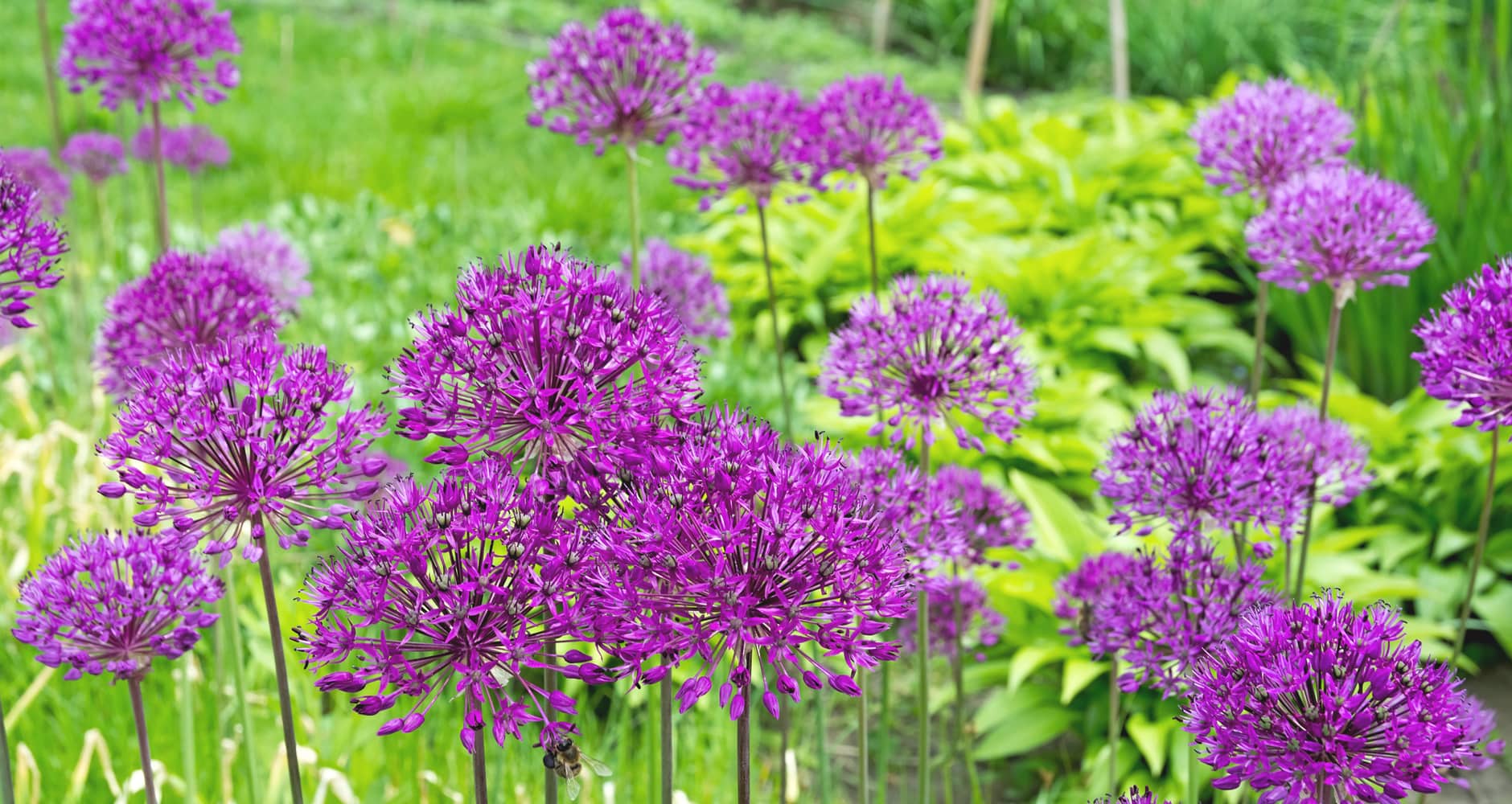
Wild Onion
Allium bisceptrum (flowering)
If it looks like an onion but does not smell like one, do not eat it. The true onion smell is your single best confirmation that you have the right plant and not a toxic look-alike.
Common Burdock
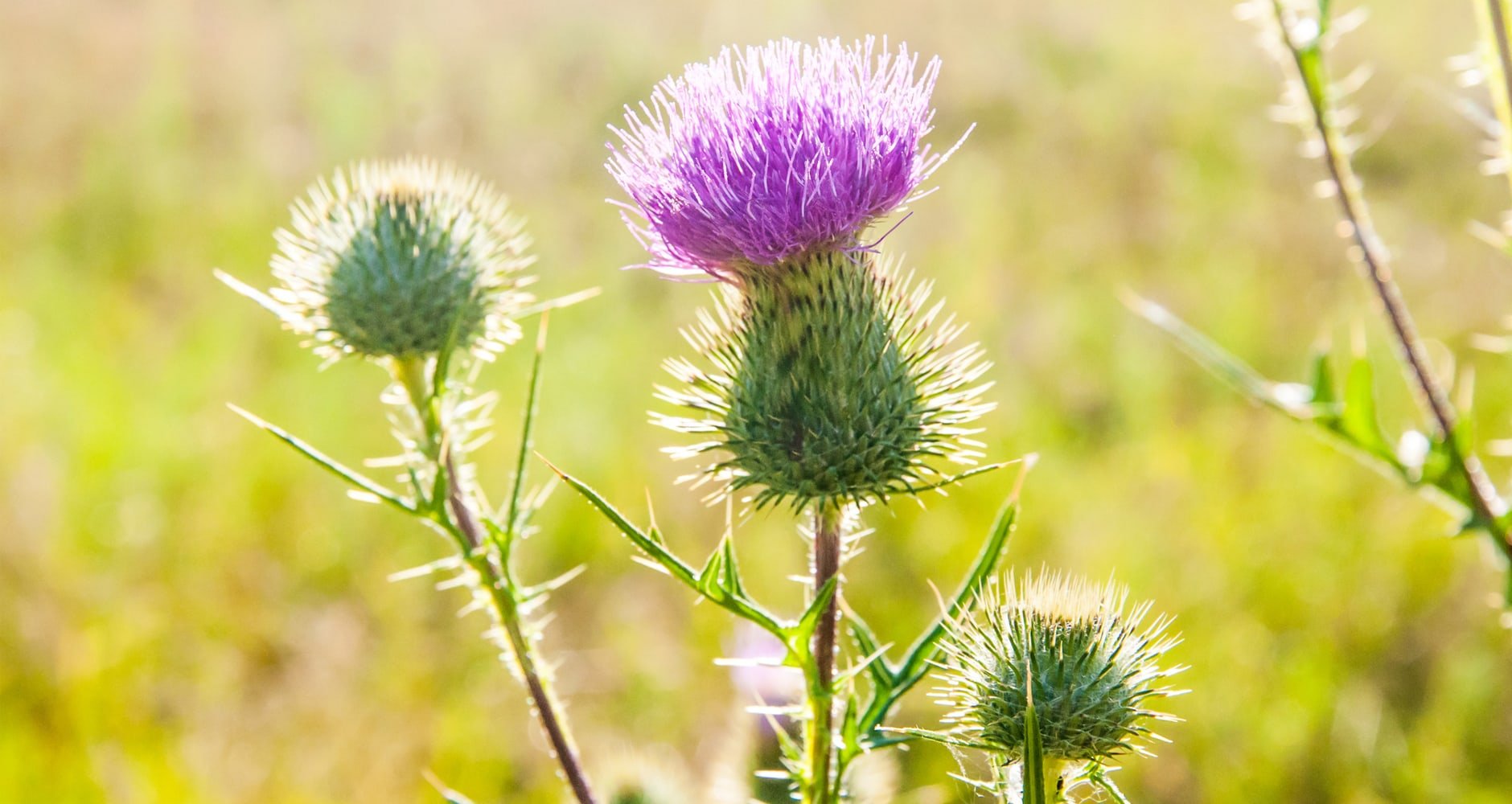
Arctium minus
The same plant whose burs cling to your socks has a starchy first-year root that has long been peeled and cooked like a vegetable.
Common Milkweed
Asclepias syriaca
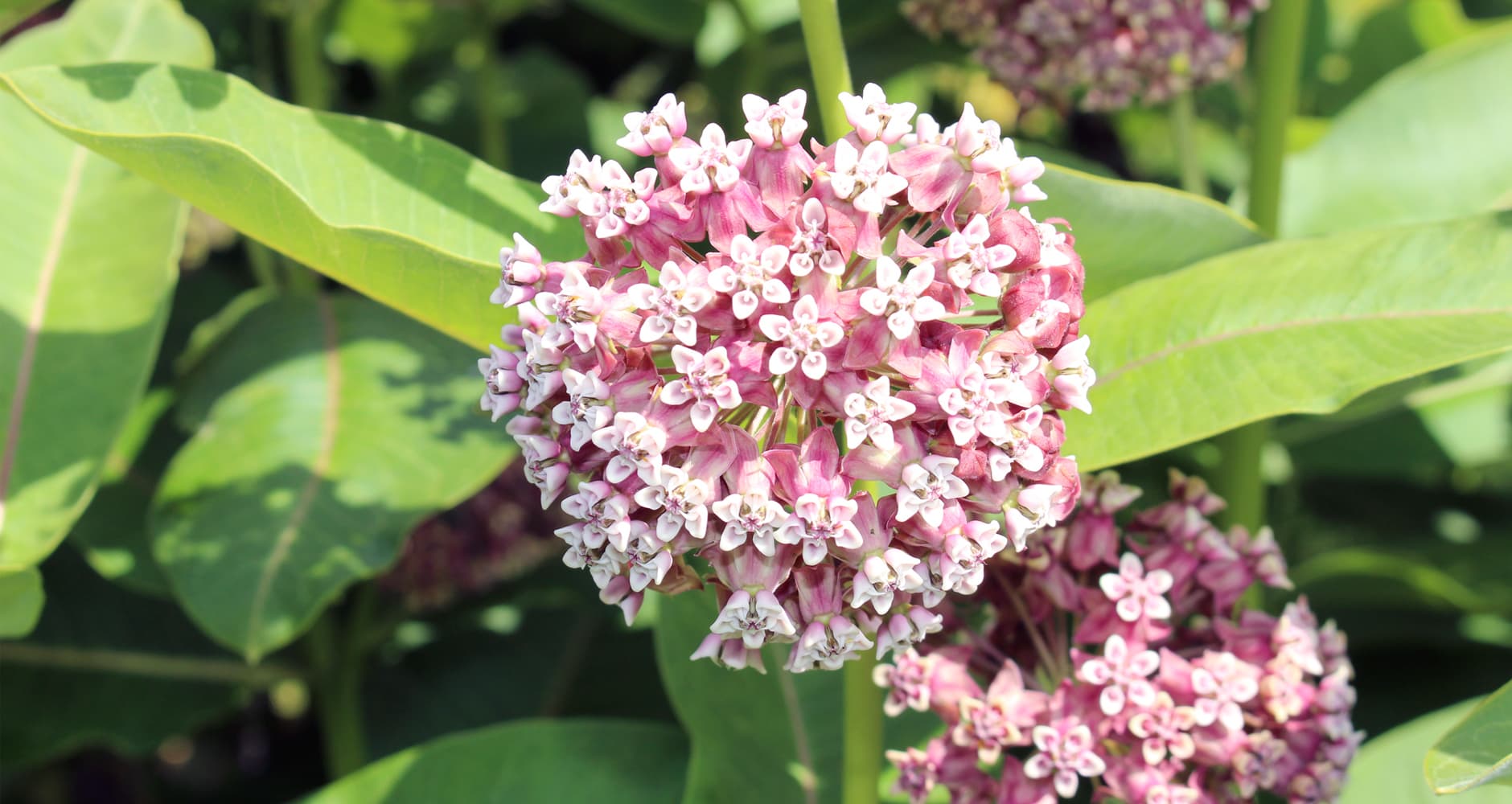
Common Milkweed should be cooked before consuming. See how to prepare common milkweed here.
Common Dandelion
Taraxacum officinale
The whole plant is edible, from the toothed greens to the golden flowers to the roasted root, which is why the dandelion is the friendliest plant on this list for a first-time forager.
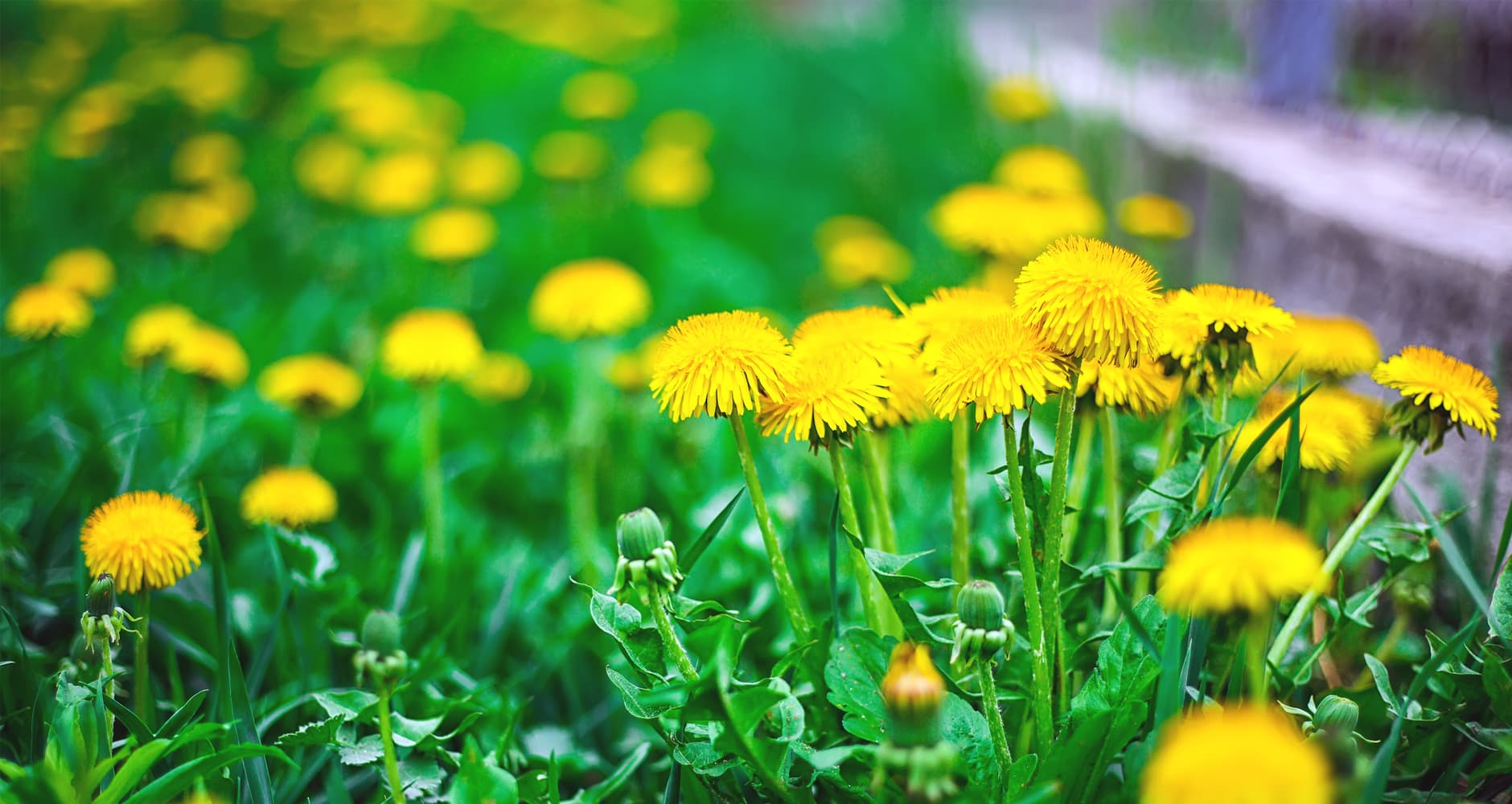
Farmers’ Almanac has lots of dandy dandelion recipes here! You can also read up on the humble dandelion and its long history in the garden and the kitchen.
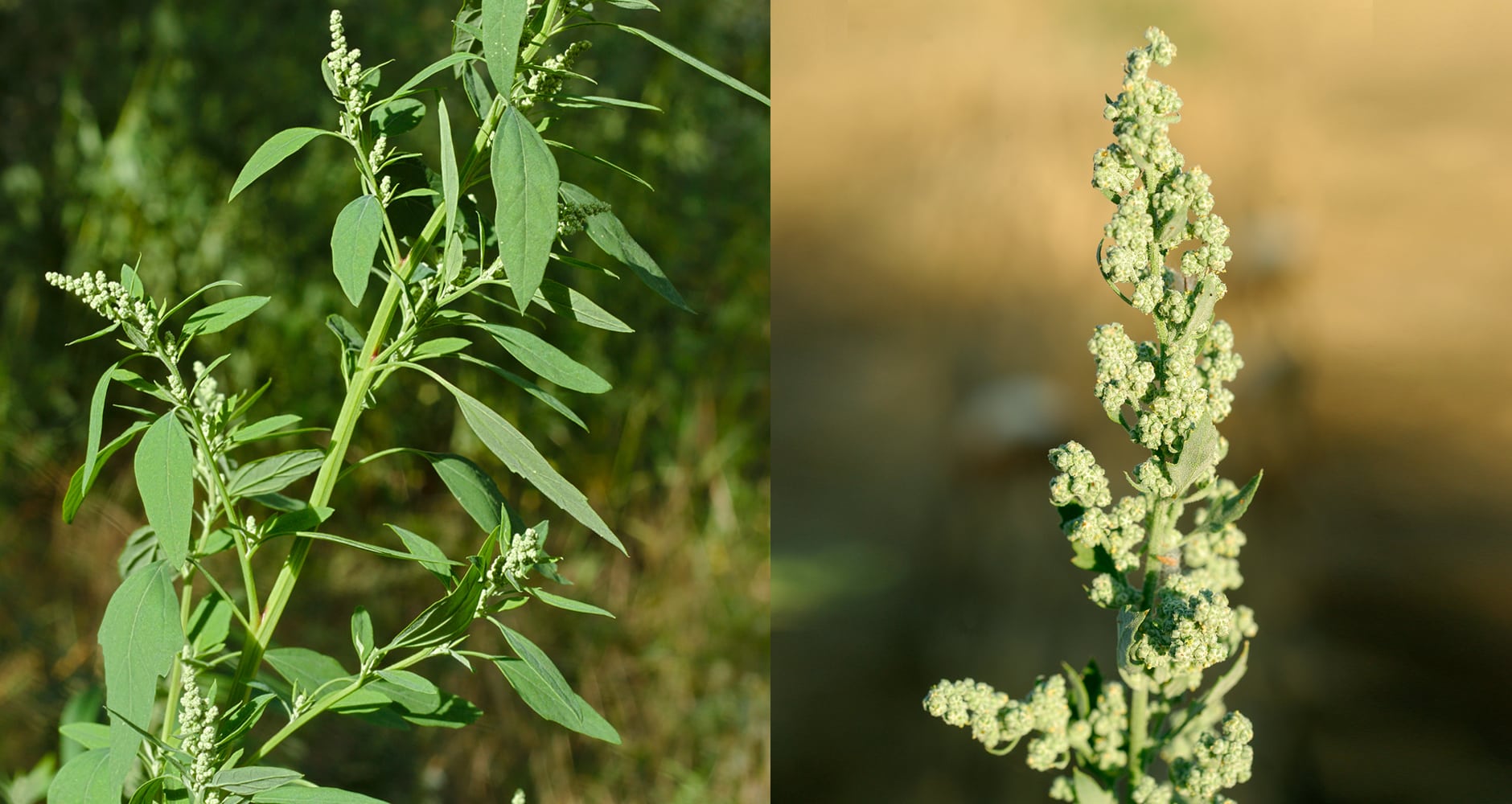
Lambsquarters
Chenopodium album
A close cousin of spinach and quinoa, lambsquarters shows up in disturbed soil and garden rows, with mild leaves dusted in a fine silvery coating.
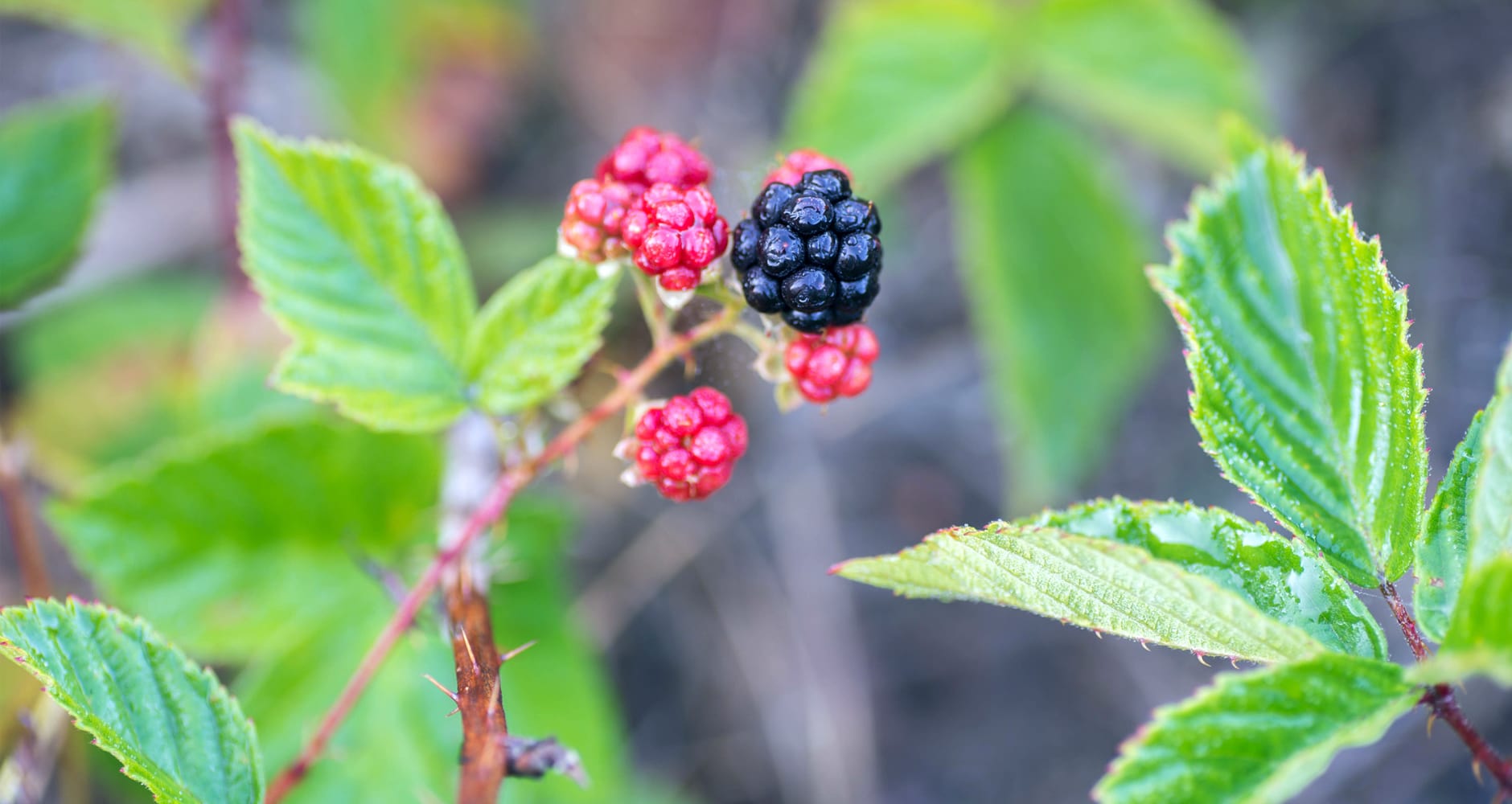
Brambles
Rubus spp.
Blackberries and raspberries grow on thorny canes along trails and field edges, and they are among the safest wild fruits for a beginner to recognize.
Currants and Gooseberries
Ribes spp.
These tart, jewel-toned berries hang from arching shrubs and have flavored pies and jellies in country kitchens for generations.
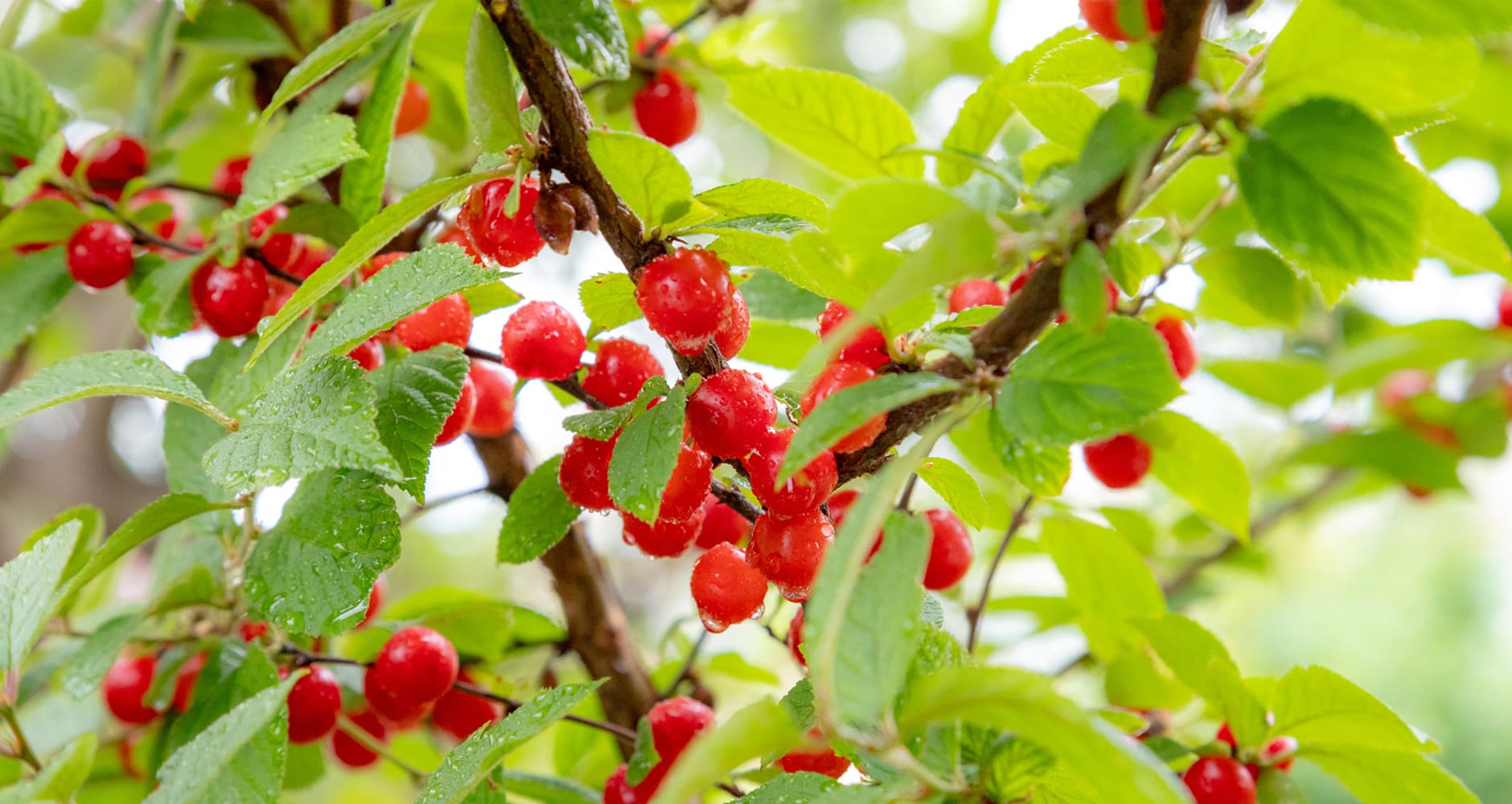
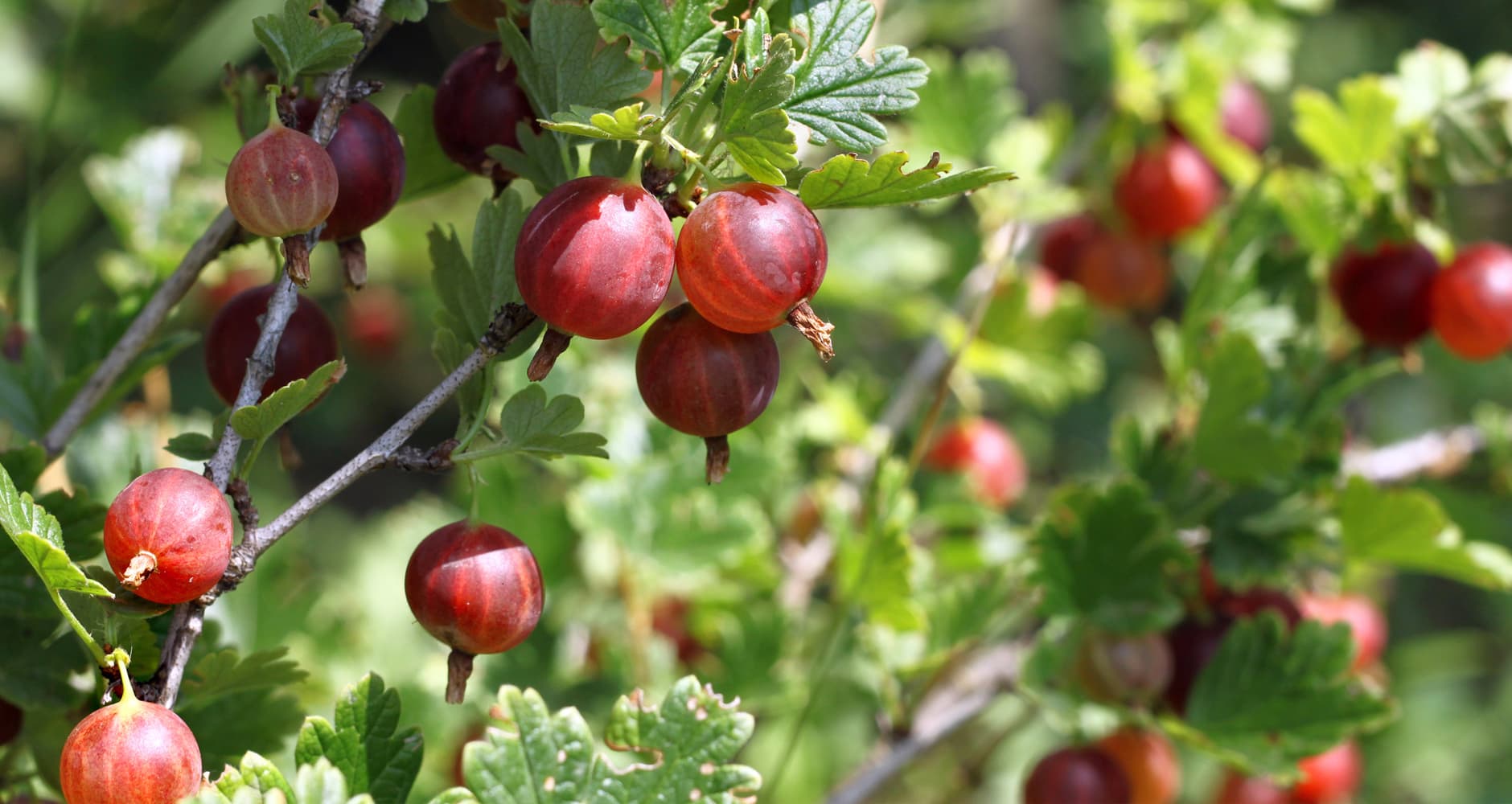
Tips on foraging for wild gooseberries.
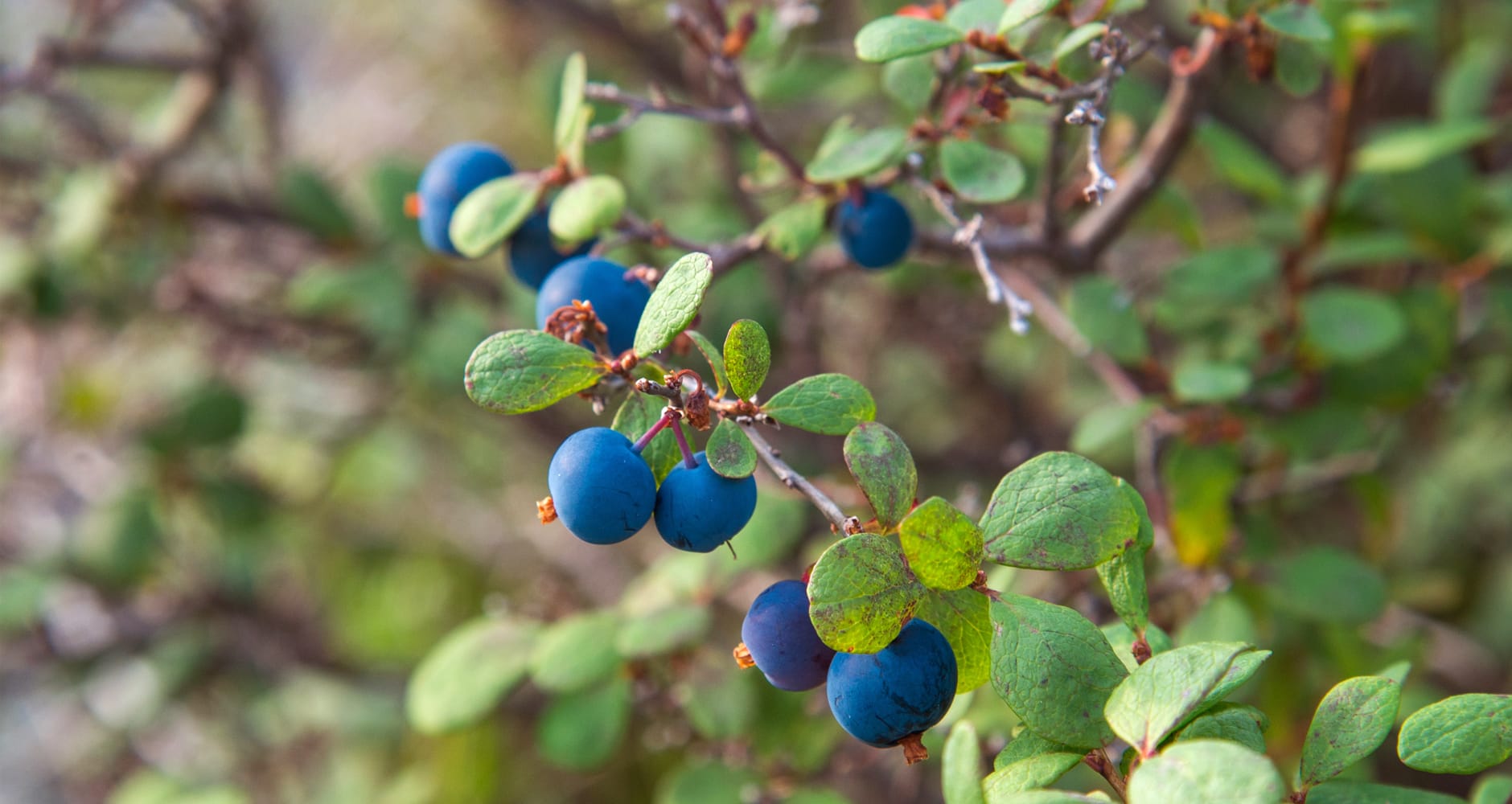
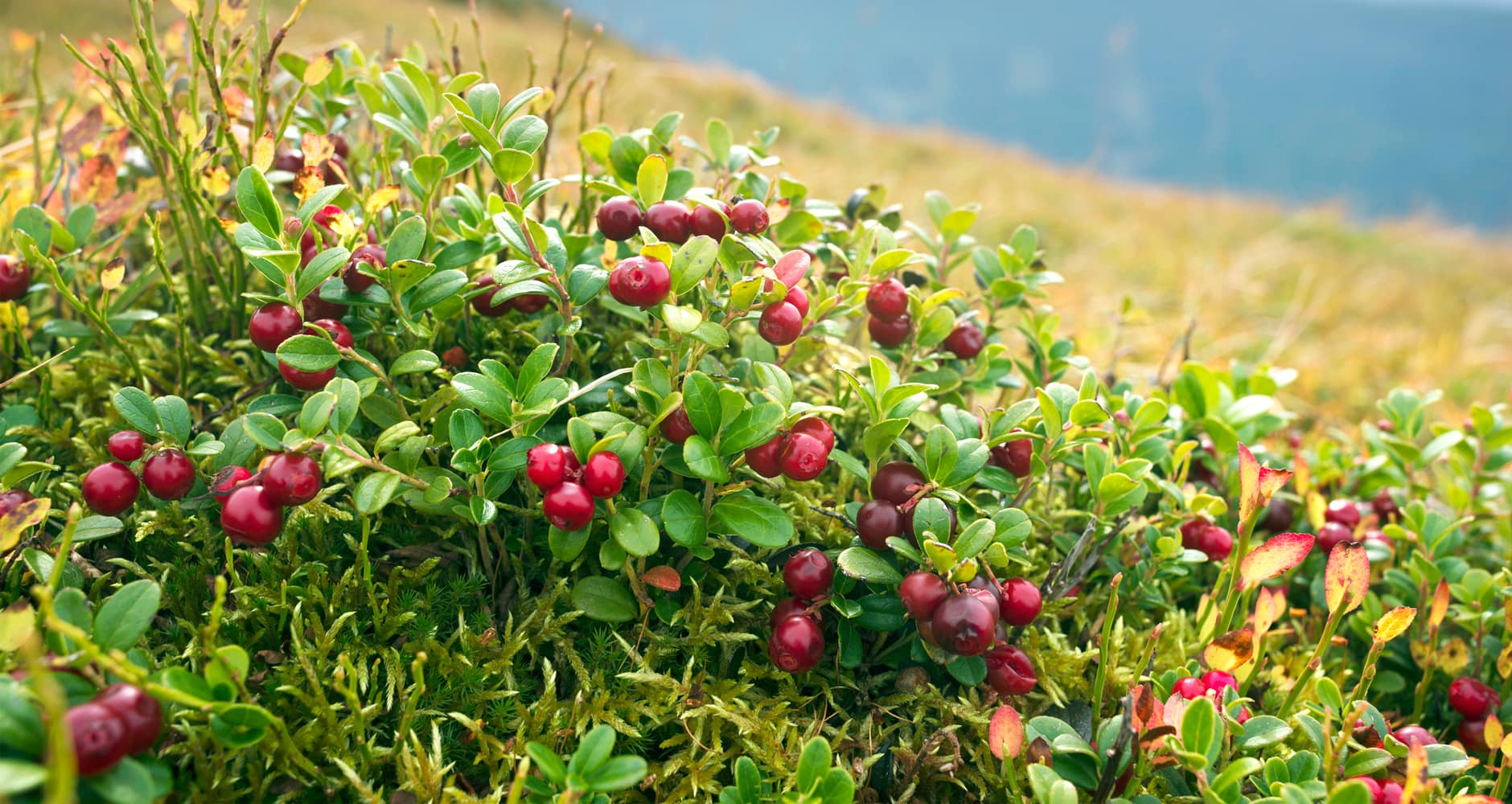
Blueberries and Cranberries
Vaccinium spp.
Wild blueberries favor acidic uplands and burned-over barrens, while cranberries creep across cool northern bogs, both of them prized far beyond their cultivated kin.
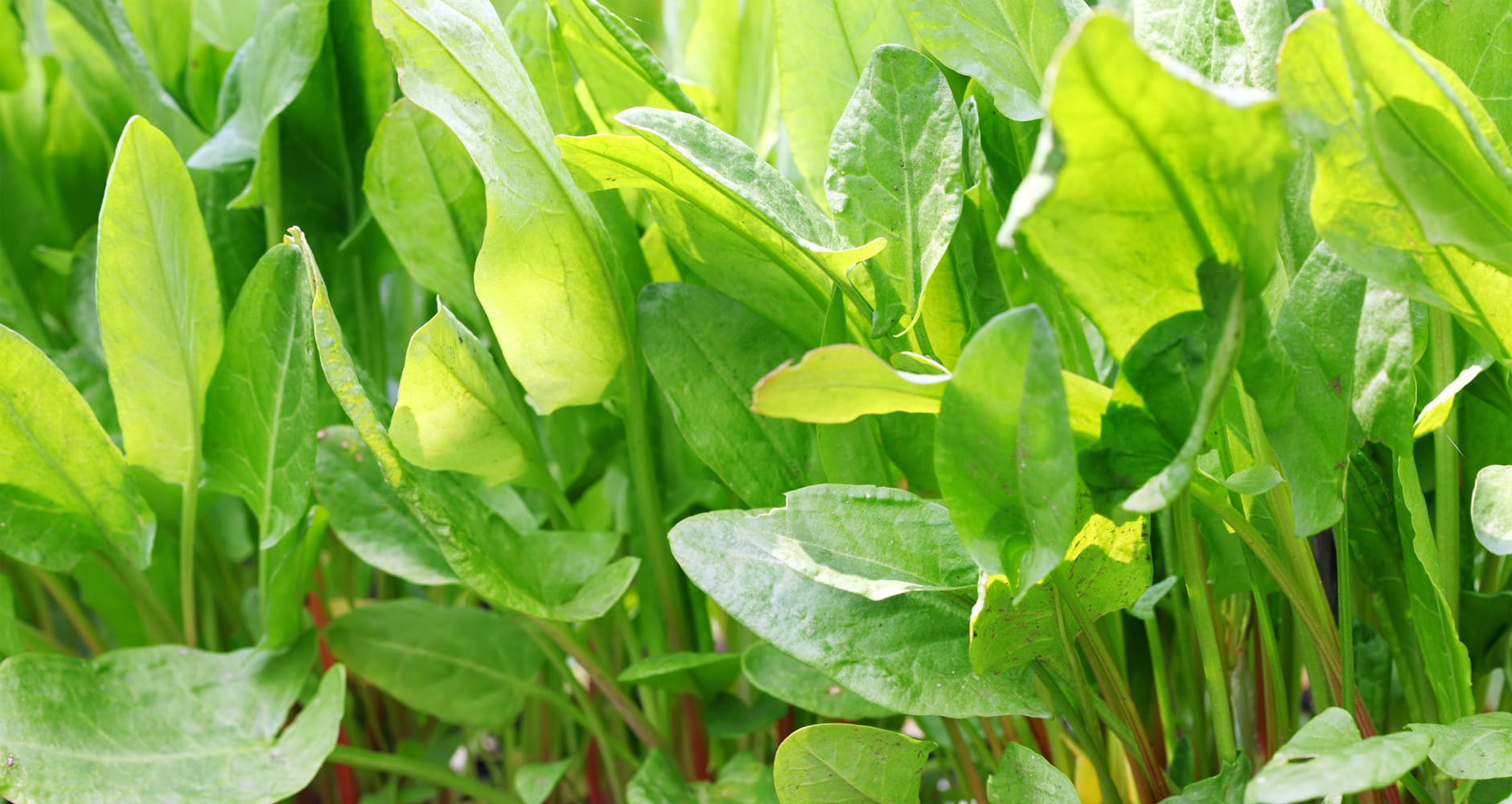
Sheep Sorrel
Rumex acetosella
Its small arrowhead leaves carry a bright, lemony tang that wakes up a salad, thanks to the same oxalic acid that means you eat it in moderation.
Chickweed
Stellaria media
A tender, mild spring green that mats across cool, moist ground and tastes a little like fresh corn silk.
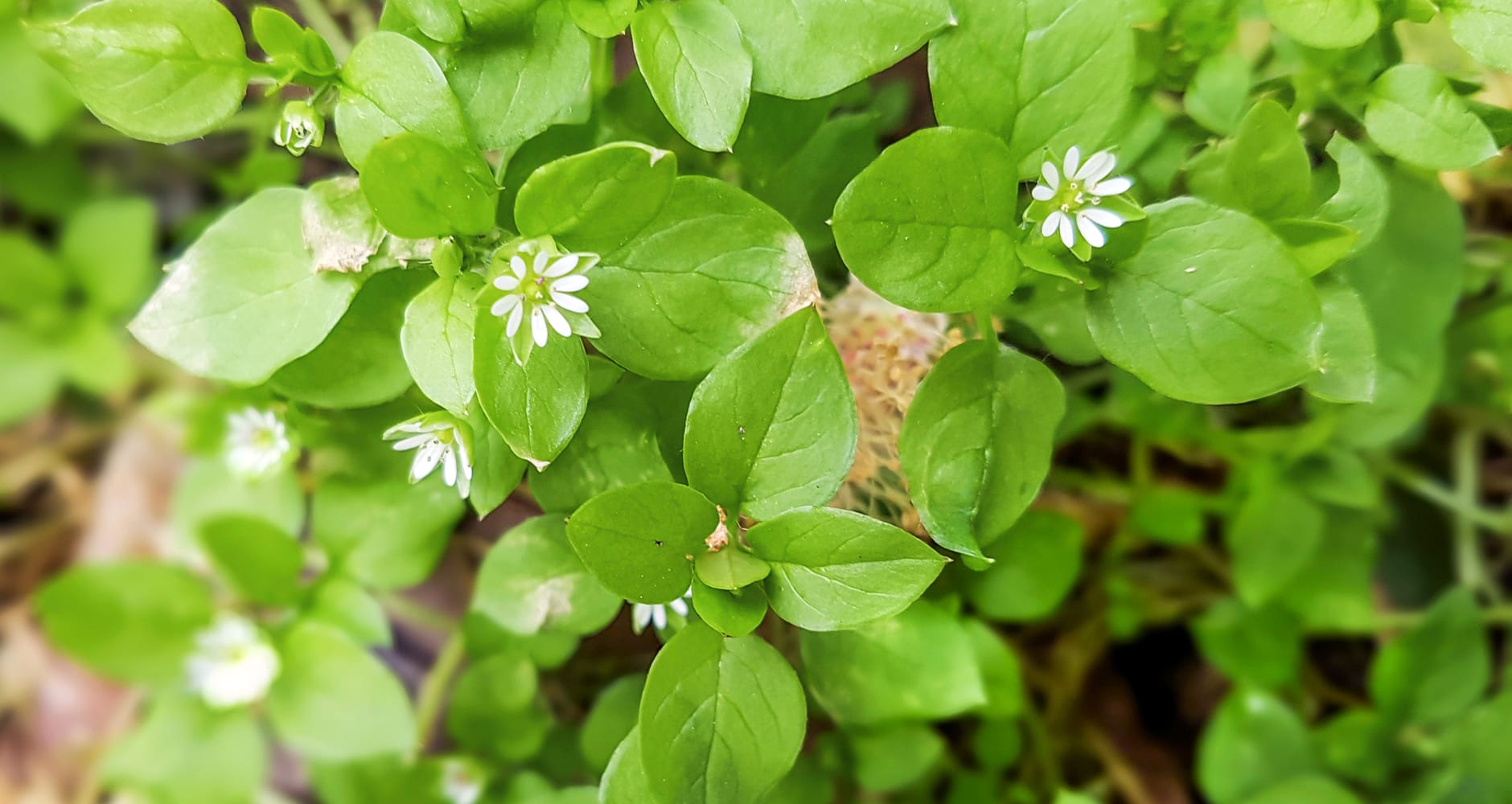
Read more about chickweed here.
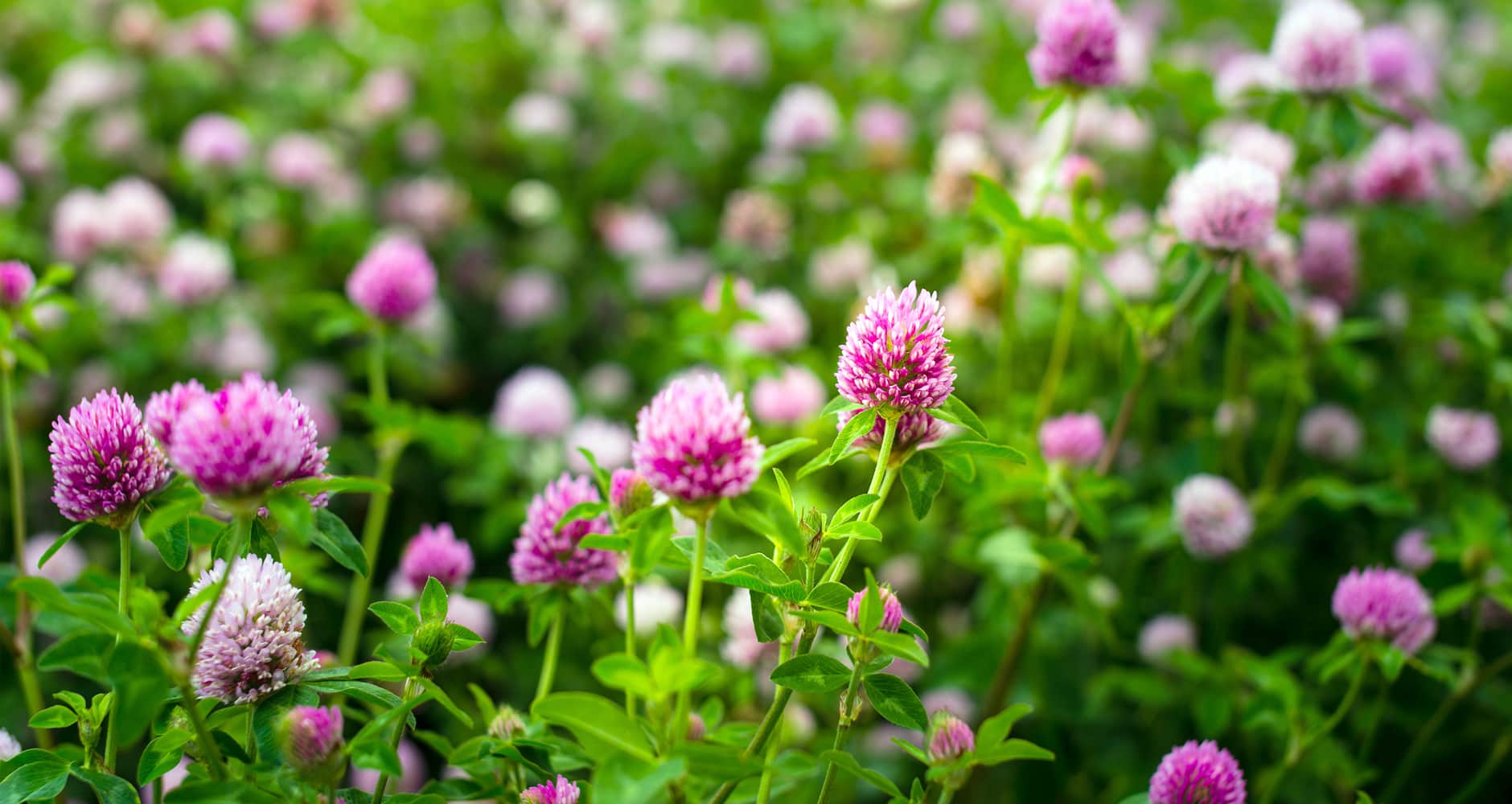
Red Clover
Trifolium pretense
The familiar pink-purple blossoms are edible and faintly sweet, long dried for tea and tossed fresh into salads.
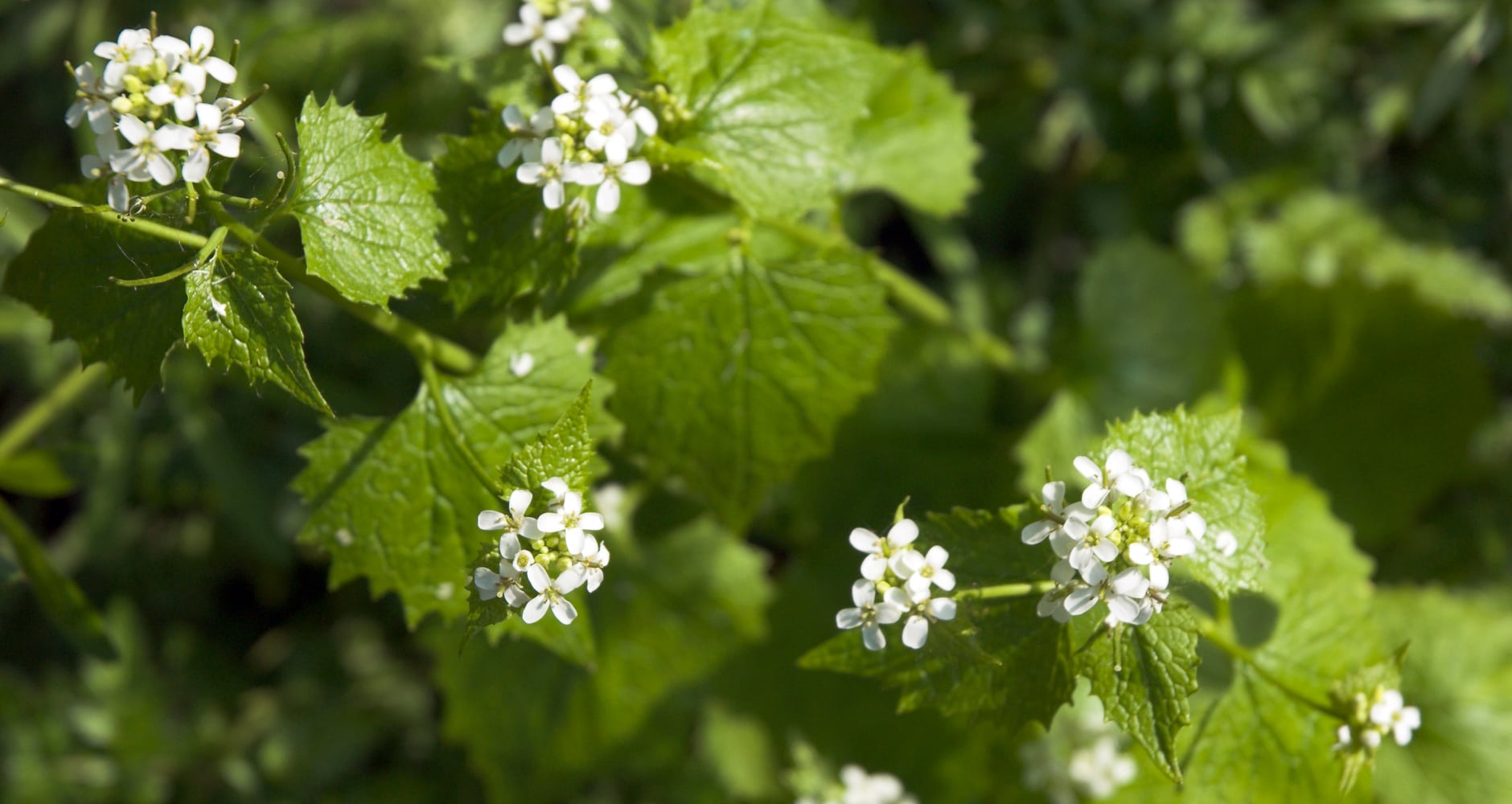
Garlic Mustard
Alliaria petiolata
An aggressive woodland invader with a garlicky bite, so harvesting it for the pot does double duty by thinning a plant many regions would rather see gone.
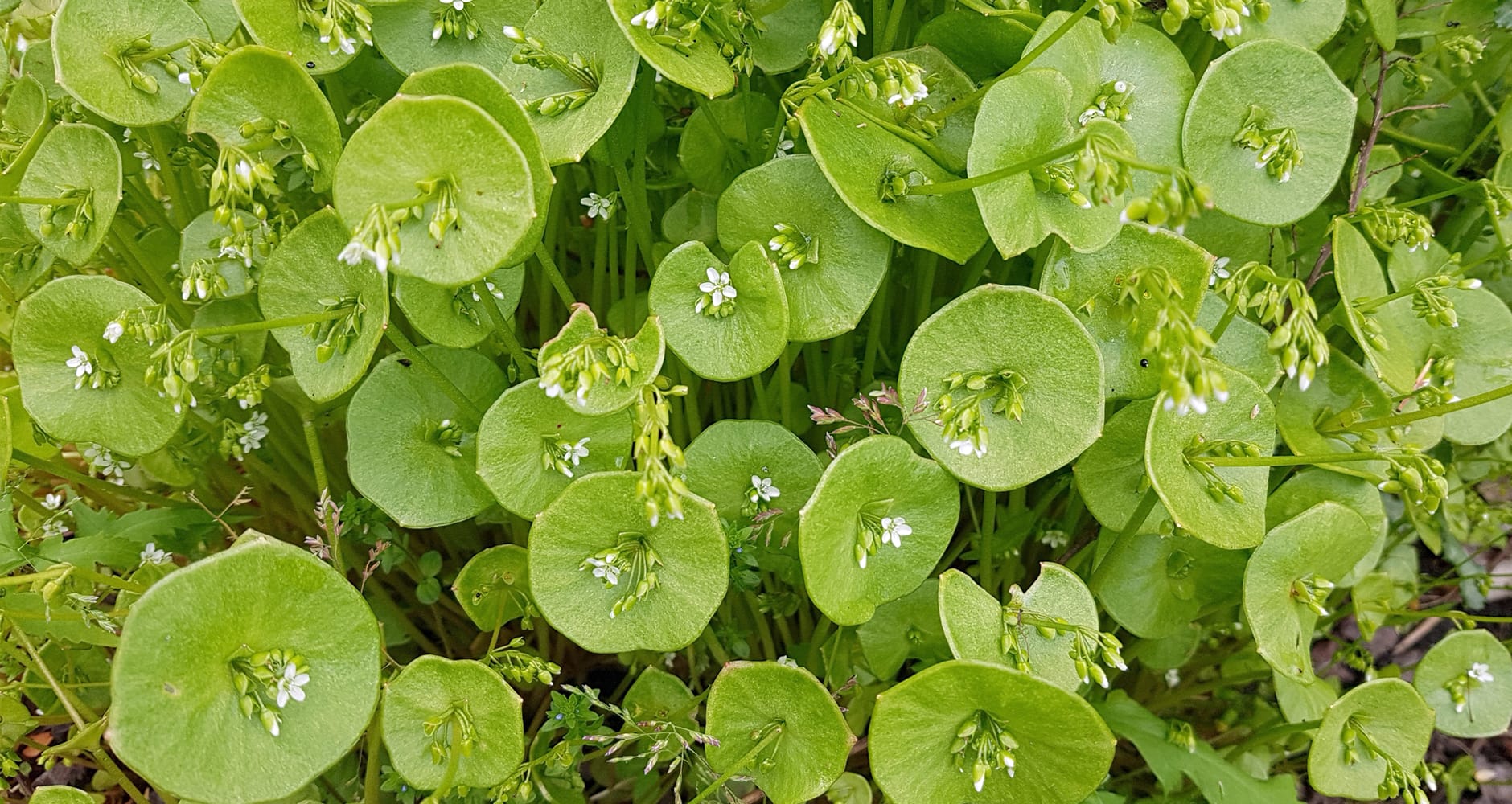
Miner’s Lettuce
Claytonia perfoliata
Named for the gold-rush miners who ate it for vitamin C, this succulent green has a round leaf with the stem running straight through the middle.
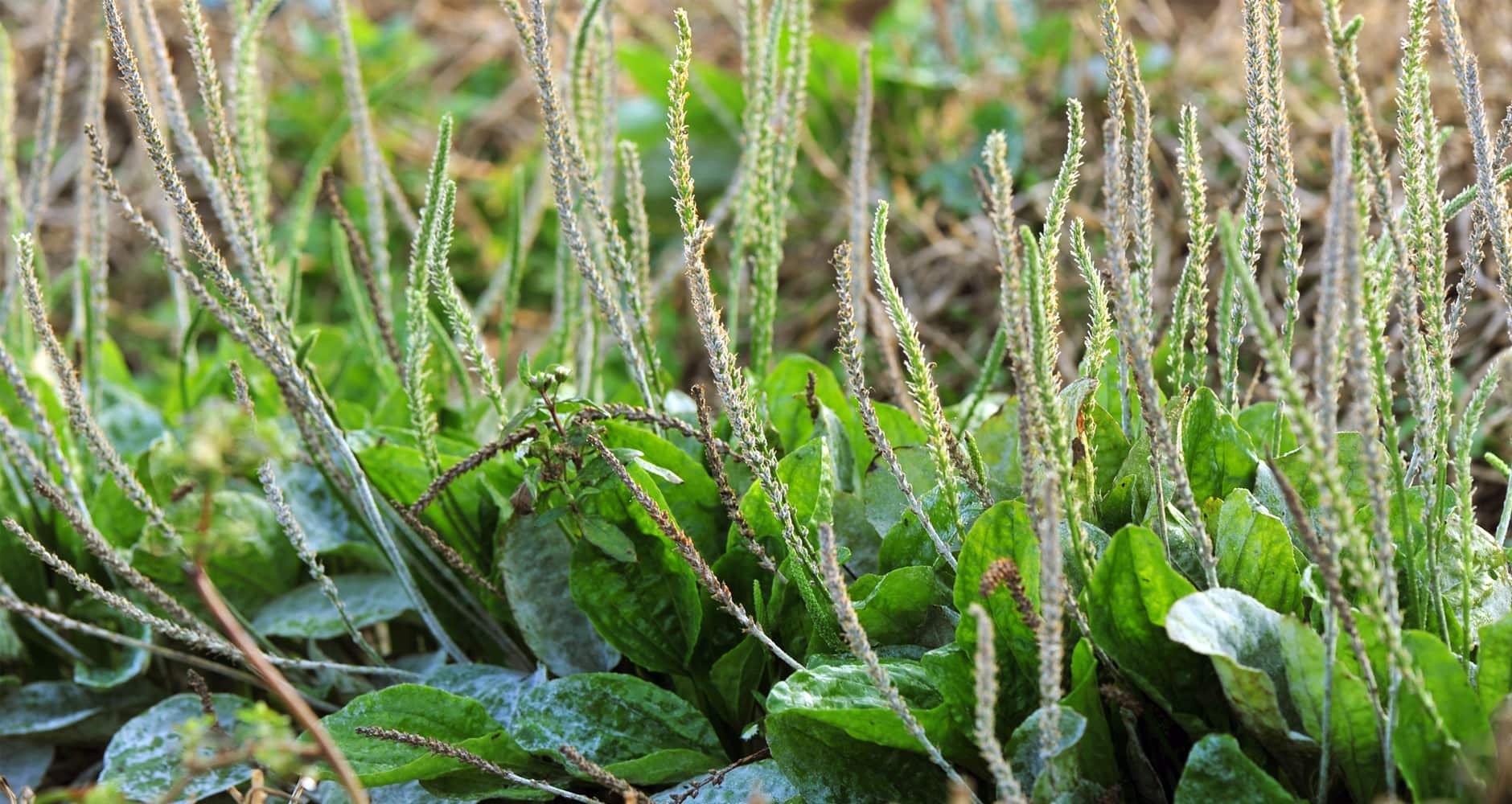
Common Plantain
Plantago major
Not the banana relative, but the broad-leaved weed in driveways and lawns everywhere, whose young leaves are edible and whose crushed leaves have long served as a folk poultice.
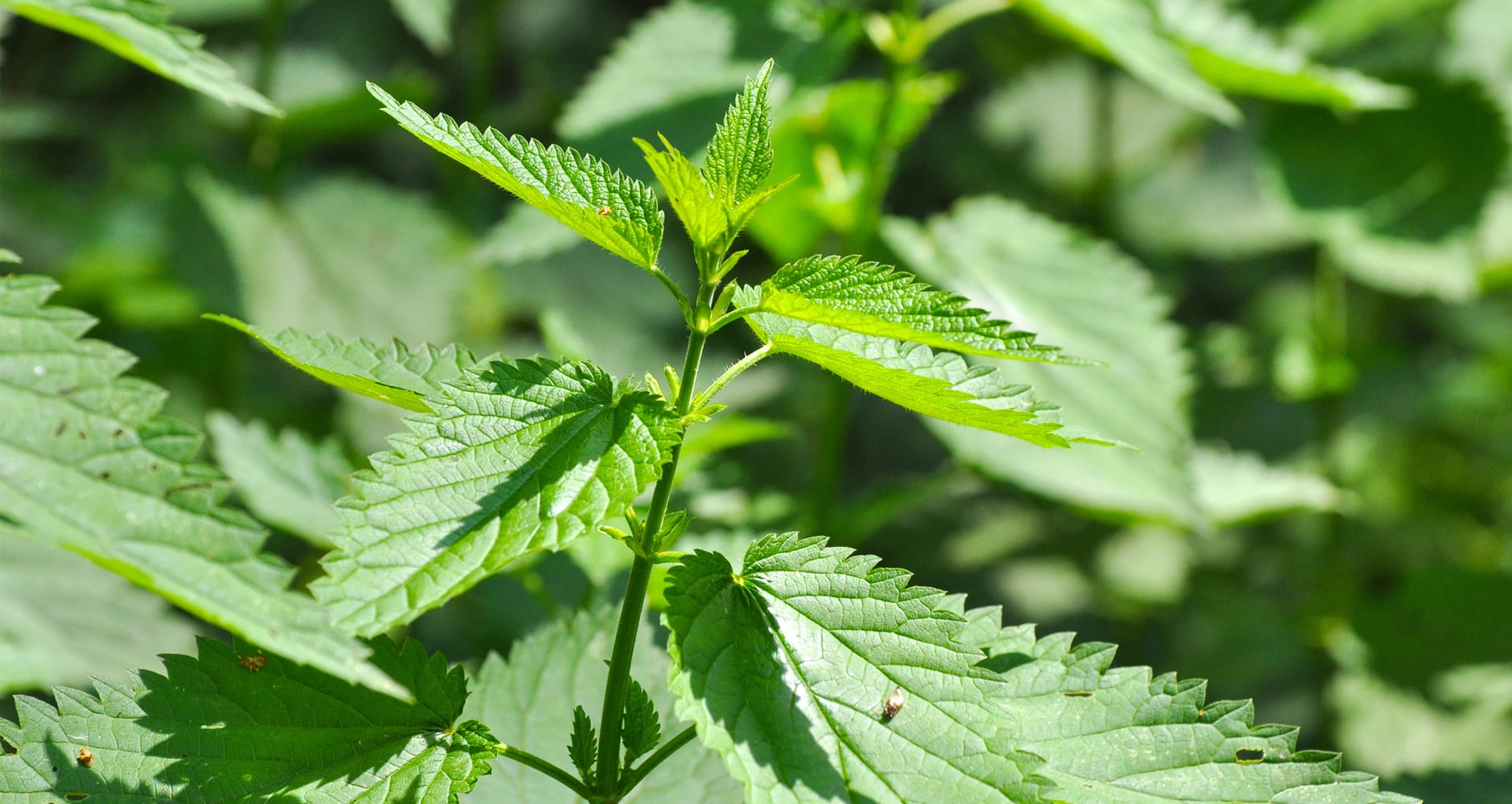
Stinging Nettle
Urtica dioica
It stings the bare hand, but a quick cook or a good drying takes the sting right out and leaves a hearty green that cooks down like spinach. Wear gloves to harvest.
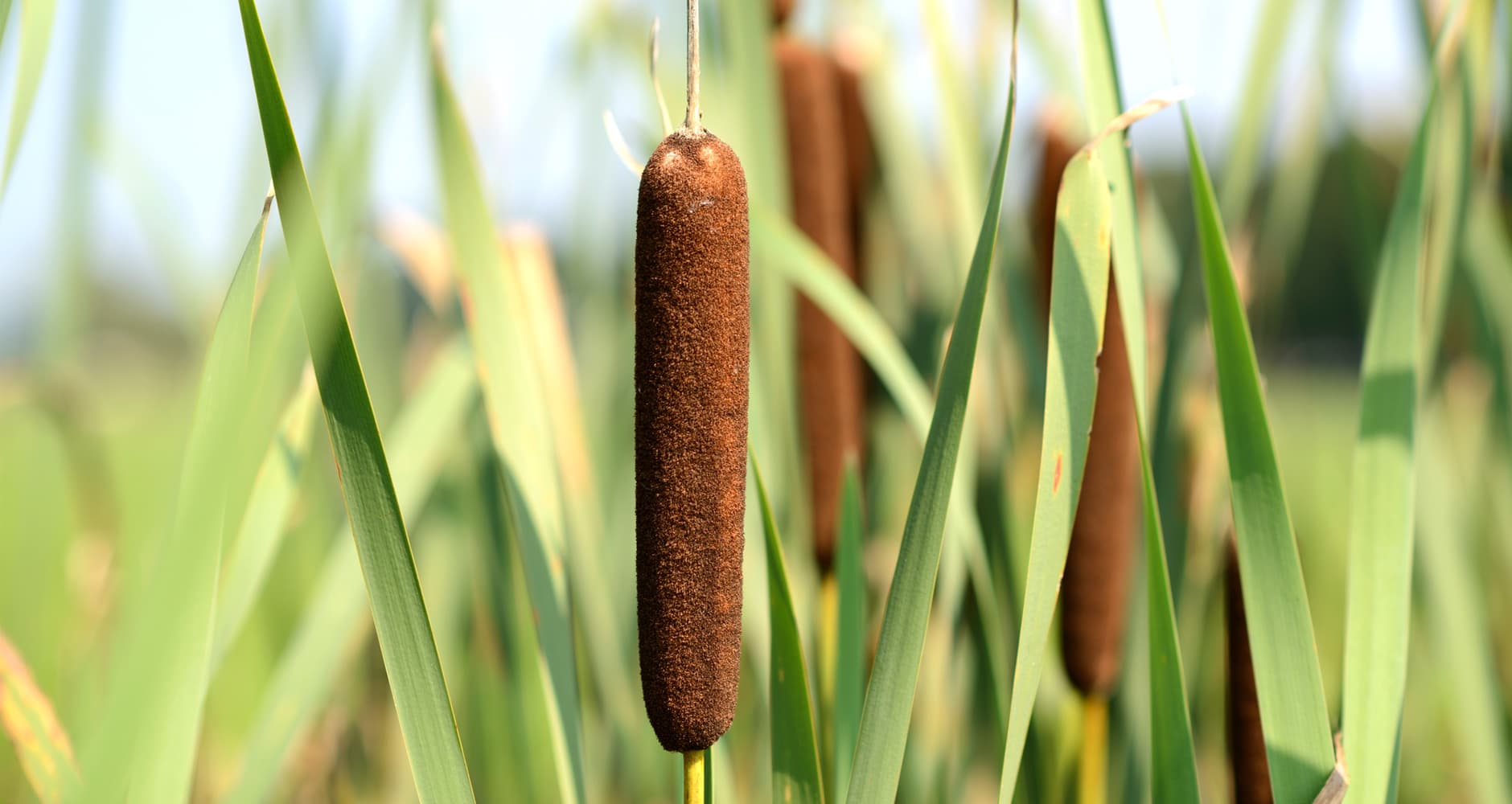
Common Cattail
Typha latifolia
Often called the supermarket of the swamp, the cattail offers edible shoots, pollen, and starchy rhizomes through much of the year.
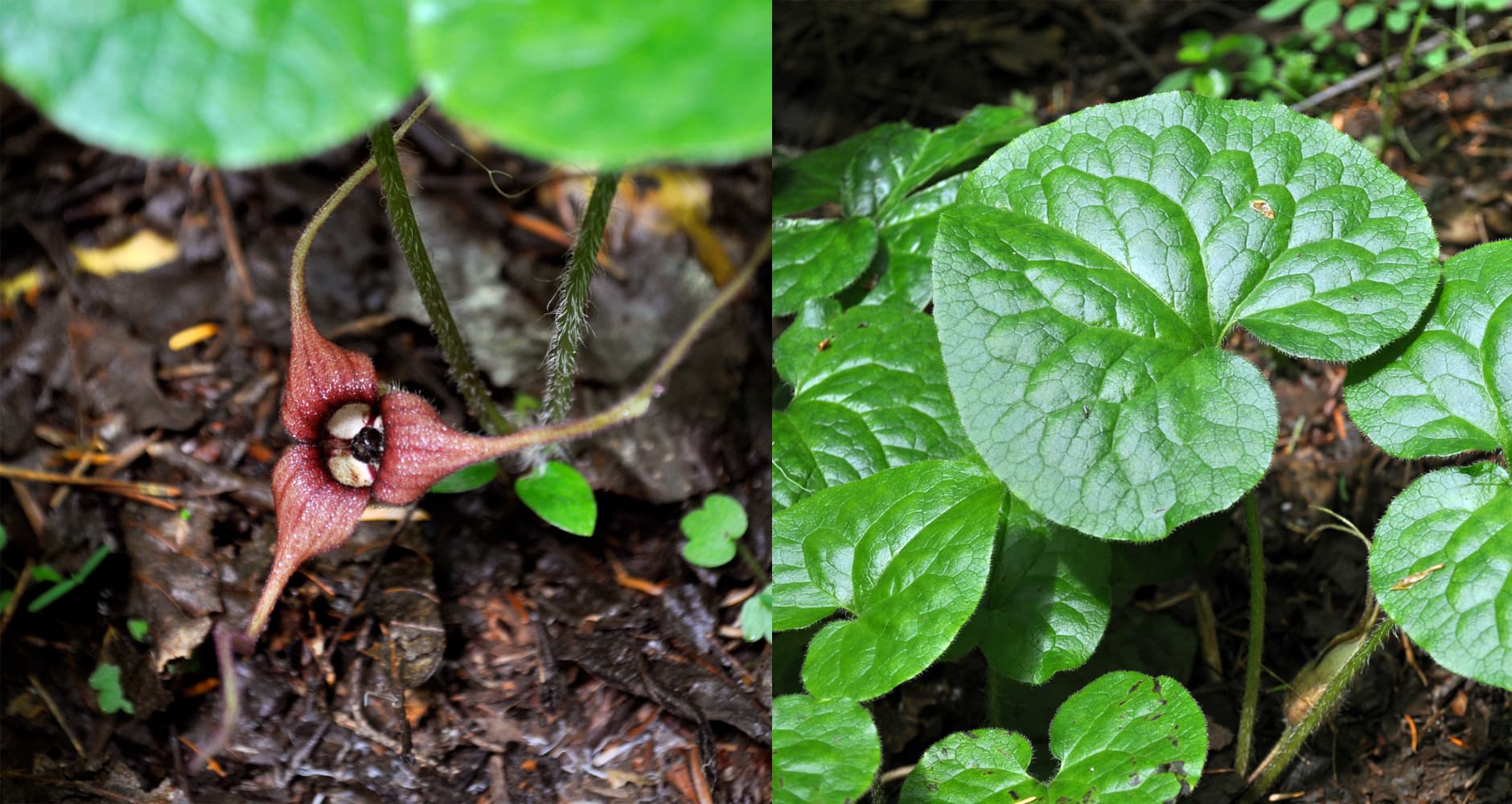
Wild Ginger
Asarum caudatum
A low woodland groundcover whose roots carry a warm, spicy scent reminiscent of culinary ginger, used sparingly as a seasoning.
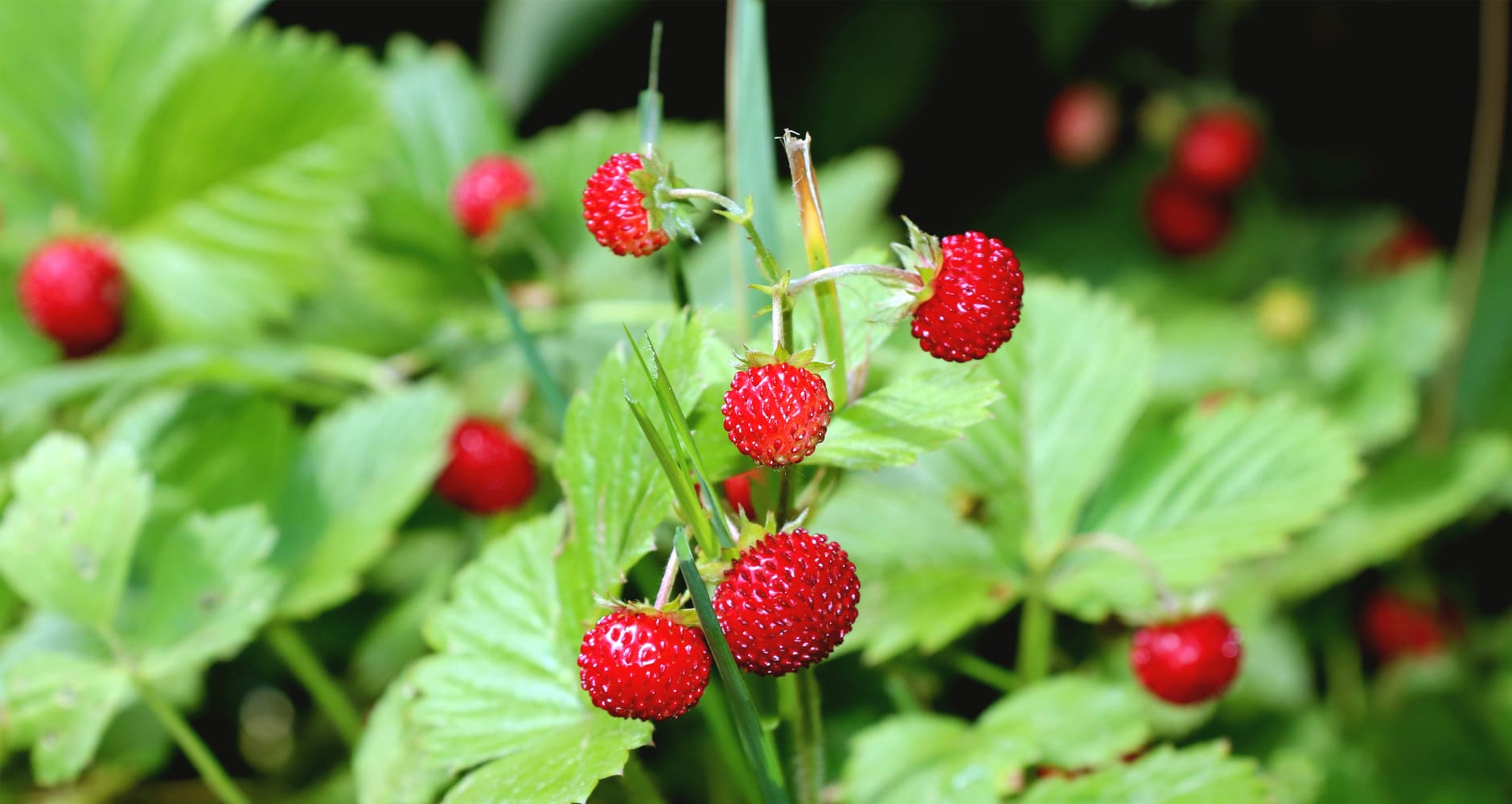
Wild Strawberry
Fragaria virginiana
Tiny but intensely sweet, the wild strawberry is the wild ancestor of the berry in your garden bed, and a true find along sunny field edges.
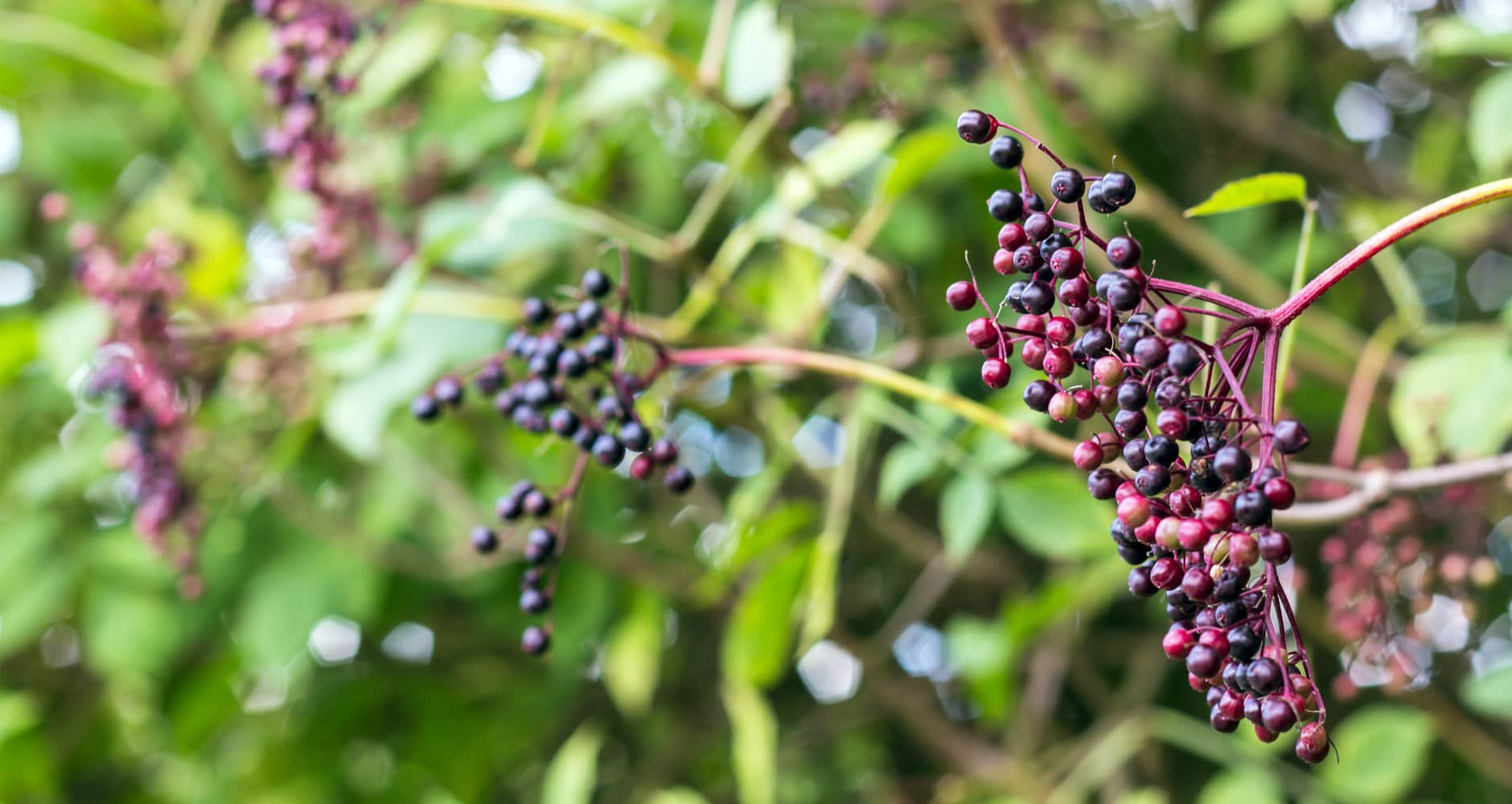
American Elderberry*
Sambucus Canadensis – *Cook before eating.
The clusters of dark berries make famous syrups and jellies, but the raw berries, leaves, and stems are not safe, so cook the fruit and leave the rest.
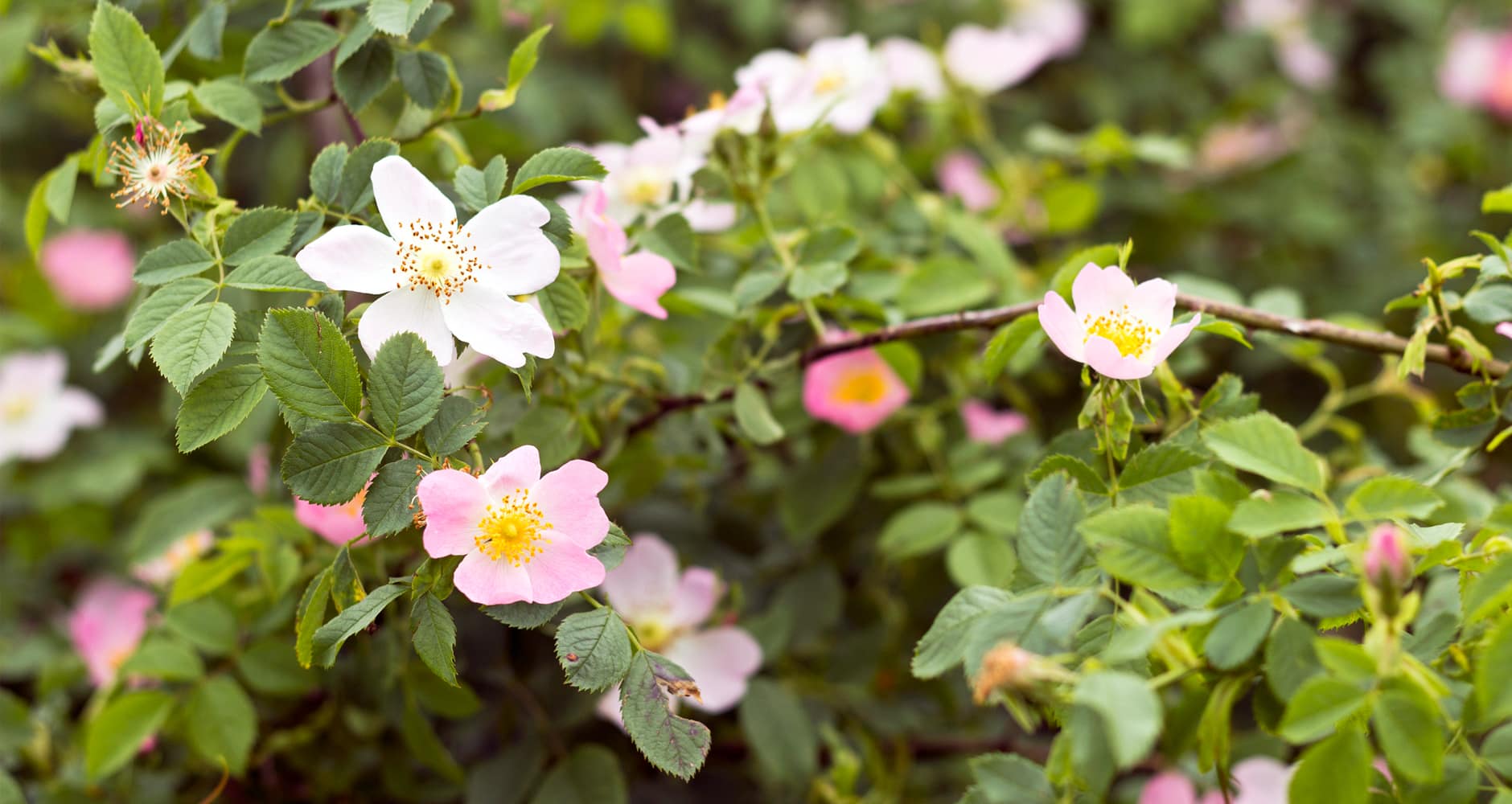
Wild Rose
Rosa sp.
The petals are edible and fragrant, and the rose hips left behind after the bloom are loaded with vitamin C for teas and jellies.
How to Start Foraging Safely
The plants above are common across North America, but common does not mean carefree. A handful of simple habits keep wild foods on the right side of the line between a good meal and a trip to the doctor. None of this is meant to scare you off. It is the same care any seasoned forager takes, and once it becomes second nature, the woods open up.
- Confirm the name three ways. Match the plant to its botanical name with a field guide, a knowledgeable local, and a second reference such as the USDA PLANTS Database before you eat it.
- Learn the look-alikes first. Wild onion has a poisonous mimic, and several edible greens have toxic doubles. The smell, the leaf shape, and the season all help you tell them apart.
- Cook what needs cooking. Common Milkweed and American Elderberry are on this list with a clear instruction to cook them. Honor it.
- Harvest clean ground. Skip roadsides, treated lawns, and any spot that may have been sprayed with pesticides or herbicides.
- Start small. Try a little of a new plant the first time, even one you have identified with confidence, in case you are sensitive to it.

When Each Wild Edible Is in Season
Timing matters as much as identification. A plant that is tender and mild in spring can turn bitter and tough by midsummer, and most wild fruits hold to a tight window. Use this rough guide alongside your own region’s calendar, since a Maine bog and a Georgia field edge run weeks apart.
| Season | What to look for |
|---|---|
| Early spring | Dandelion greens, chickweed, garlic mustard, miner’s lettuce, stinging nettle, lambsquarters, sheep sorrel |
| Late spring into early summer | Cattail shoots, red clover, wild onion, wild rose petals, wild strawberry, dandelion flowers |
| Summer | Brambles, currants and gooseberries, wild blueberries, common plantain, wild ginger root |
| Late summer into fall | American elderberry, cranberries, burdock root, rose hips, cattail rhizomes |
Once you have a basket of wild greens, you are halfway to dinner. The Almanac keeps a deeper bench of foraging reading, from a full guide to wild edibles through the season to the edible flowers hiding in plain sight, and our Gardening by the Moon Calendar for the days you would rather grow your greens than gather them.

Wild Edible Plants: Frequently Asked Questions
What are the most common wild edible plants in North America?
Some of the most common include the dandelion, common burdock, lambsquarters, chickweed, stinging nettle, cattail, wild onion, wild strawberry, brambles such as blackberries and raspberries, and elderberry. This list covers 20 of them, each with its botanical name so you can confirm an identification before eating.
Which wild edible plants need to be cooked before eating?
On this list, Common Milkweed and American Elderberry should both be cooked before you eat them. Raw elderberries, leaves, and stems are not safe, so cook the fruit and discard the rest. Stinging nettle is not toxic, but it must be cooked or dried to remove its sting.
How do I know a wild plant is safe to eat?
Never eat a wild plant unless you are completely sure of what it is. Confirm it against its botanical name with a field guide, a knowledgeable local instructor, and a second source such as the USDA PLANTS Database. Learn the toxic look-alikes, avoid sprayed or roadside ground, and try only a small amount the first time. When in doubt, leave it alone.
Are dandelions really edible?
Yes. The whole dandelion is edible, from the toothed greens to the golden flowers to the roasted root, which makes it one of the friendliest plants for a first-time forager. The Farmers’ Almanac has a collection of dandelion recipes to put your harvest to use.
Is it safe to forage wild plants if I get lost outdoors?
Knowing a few common wild edibles can help in a pinch, but the rule still holds even then: only eat what you can identify with certainty. A misidentified plant in a survival situation is a bigger problem, not a smaller one. The best preparation is to learn these plants well before you ever need them.
Can I eat wild plants raw?
Many on this list, such as dandelion greens, chickweed, miner’s lettuce, wild strawberry, and rose petals, can be eaten raw once you are sure of the identification. Others, including milkweed, elderberry, and stinging nettle, must be cooked. Always check each plant individually rather than assuming a whole basket is fine raw.
An Important Safety Note
IMPORTANT NOTE: The Farmers’ Almanac wants you to take every precaution before eating edible wild plants. Before you eat anything in the wild, it’s wise to get a qualified instructor to show you the plants. Be aware that you may be allergic to a plant that someone else can eat without harm. Be sure that any plants that you gather have not been sprayed with pesticides or herbicides. You know your own health and your own ground better than anyone, so use your judgment, go slow, and do what is best for you and your family.


This article was published by the Staff at FarmersAlmanac.com. Any questions? Contact us at [email protected].
- Farmers' Almanac Staff

- Farmers' Almanac Staff

- Farmers' Almanac Staff

- Farmers' Almanac Staff


I hope I’m pronouncing this correctly but the old folks called it asphicedi… is my best pronunciation but I would much like to know the properties of this because I saw it in a jar it look like a molded root of some type and it was used as a medicine… can you explain ?
have eaten a lot of these plants when I was younger and lived on the farm. Stinging nettles make good cooked greens a little vinegar is great with it .. lots of wild berries everywhere raspberries; blue berries; cranberries . We canned a lot of them in a sugar syrup delicious on a cold winter day
When I was growing up, we ate a small wild plant my Mother called it suky. I don’s know if that was the correct name.
Hi Cledith, we know of a suky iris, but haven’t heard of a wild edible called that. We’ll investigate!
Is there a printed guide? If I’m lost in the woods my phone won’t last long.
I find it interesting that Milkweed is shown as in animals (cows and horses) the plant will kill the animal.
Hi Lois, common milkweed should be cooked before consuming. We have added this information to the post. http://tacticalintelligence.net/blog/how-to-eat-milkweed.htm
Bruv link isn’t working
In this list, is it just the berries or flower that are edible, or the leaves, too, or in some cases, just the leaves or the flower or berry?
I’m surprised I don’t see fiddle heads on this list.
Hi Linda, the reason you don’t see fiddleheads on this list is that fiddleheads really can’t be eaten raw. They have to be cooked to be eaten otherwise they are toxic. Raw fiddleheads won’t kill you but “Eating raw or undercooked fiddleheads can cause diarrhea, nausea, vomiting, abdominal cramps and headaches.” Our list is about weeds you can eat in the wild (as is, in the event you have a survival need).