

Edible Flowers: 11 Pretty Blooms You Can Grow and Eat
Quick Reference: Edible Flowers
- 11 to try: bee balm, borage, calendula, chamomile, chive blossoms, daylilies, hibiscus, lilacs, nasturtiums, roses, and squash flowers.
- Flavor range: minty, cucumber-cool, peppery, citrusy, and floral, depending on the bloom.
- Best time to pick: early morning, before the Sun wilts the petals.
- Golden rule: eat only pesticide-free, correctly identified flowers, and use petals or buds, never leaves or stems.
- Watch out: daylilies are edible to people but toxic to pets, and are not the same as Asiatic lilies, which can make you sick.
Some of the prettiest things in your June garden are also good enough to eat. There are many edible flowers that are good for everything from salads, to dinners, to mixed drinks. If you have always wanted to grow some flowers that are pretty enough to eat, here are 11 of our favorites to get you started, listed in alphabetical order. Leave a comment to tell us what you think and whether there are any we should add to this list.
Note: The information provided here is for educational purposes only. If you choose to forage edible flowers, Farmers’ Almanac recommends inviting an experienced professional to join you. Never eat anything from nature without proper identification.
What Are Edible Flowers?
Edible flowers are blossoms that are safe to eat and have been used in kitchens for centuries, from the cucumber-cool borage in a medieval salad to the peppery nasturtium tucked onto a modern plate. They turn an ordinary dish into something worth a second look, and most of them grow as easily as any other flower in your beds. The catch is simple: a flower is only worth eating if you know exactly what it is and that it has not been sprayed. Cornell and Colorado State University Extension keep a useful guide to edible flowers if you want to confirm a variety before you taste it.
11 Edible Flowers:
1. Bee Balm
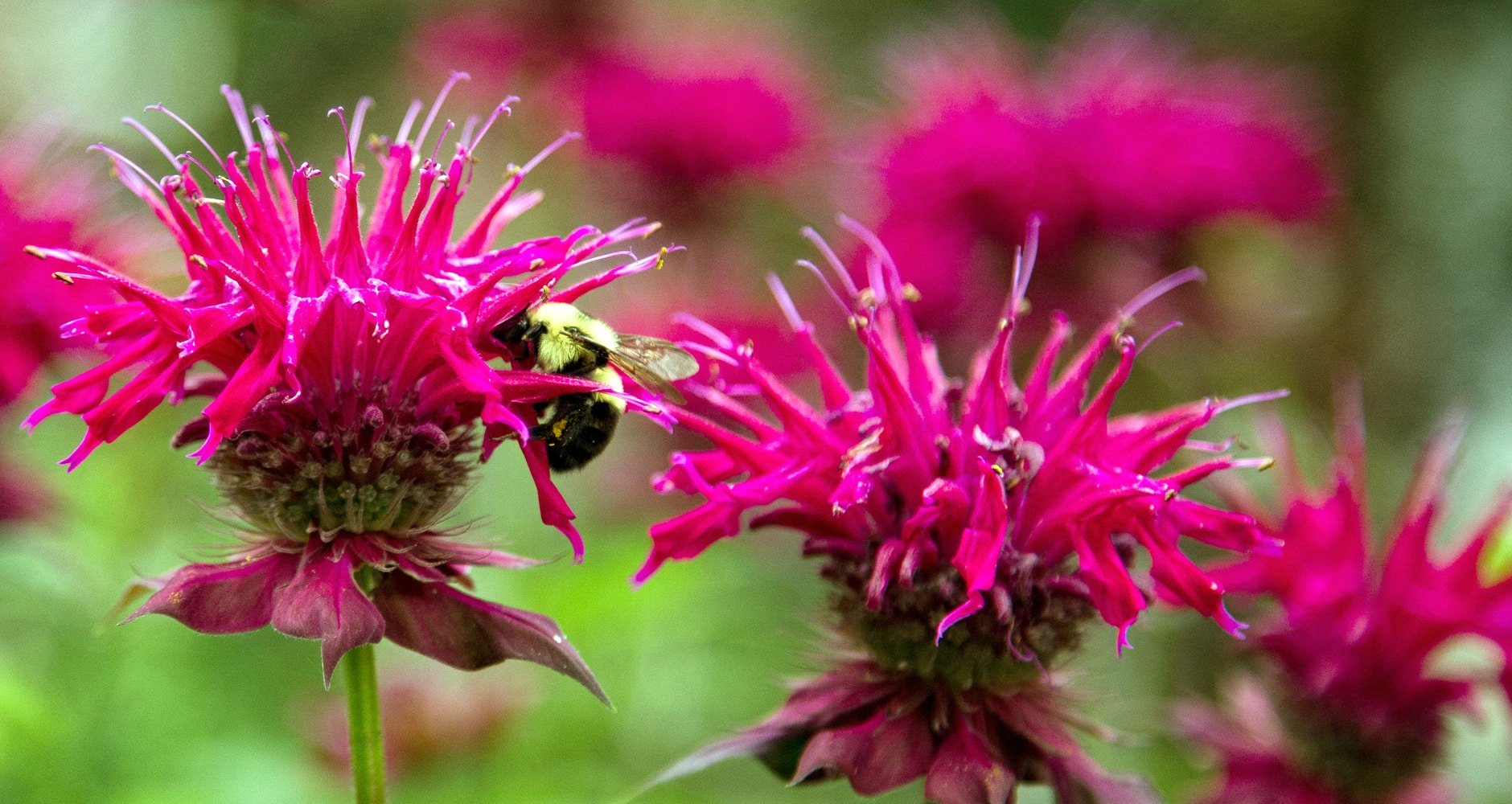
Bee balm is a member of the mint family, so the flowers carry a minty flavor. Dress up dishes and drinks that call for mint by substituting bee balm flowers instead.
2. Borage
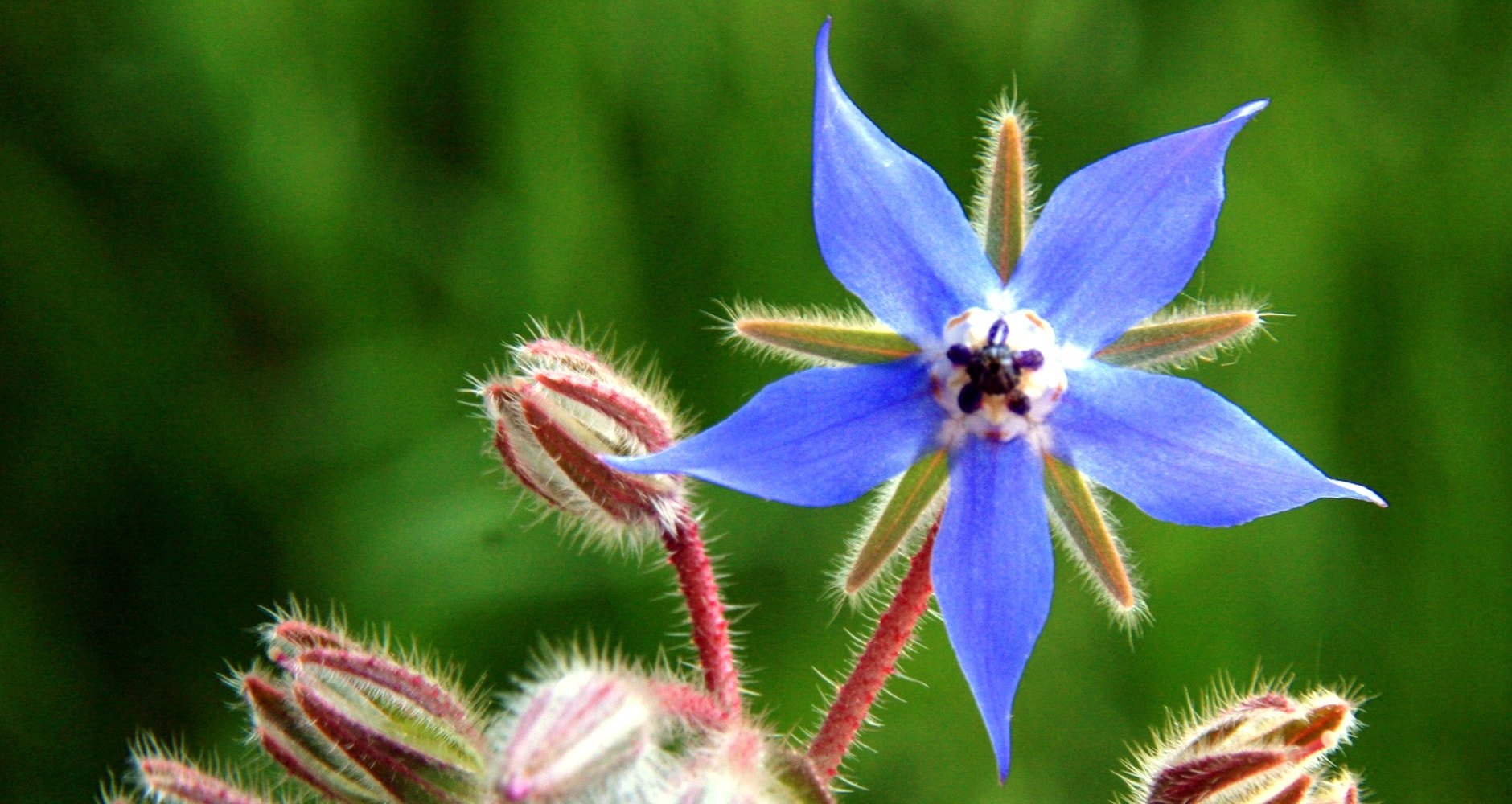
These brilliant blue flowers have been used for centuries in salads, and their cool cucumber flavor is also an excellent addition to cocktails and other cool summery drinks.
3. Calendula
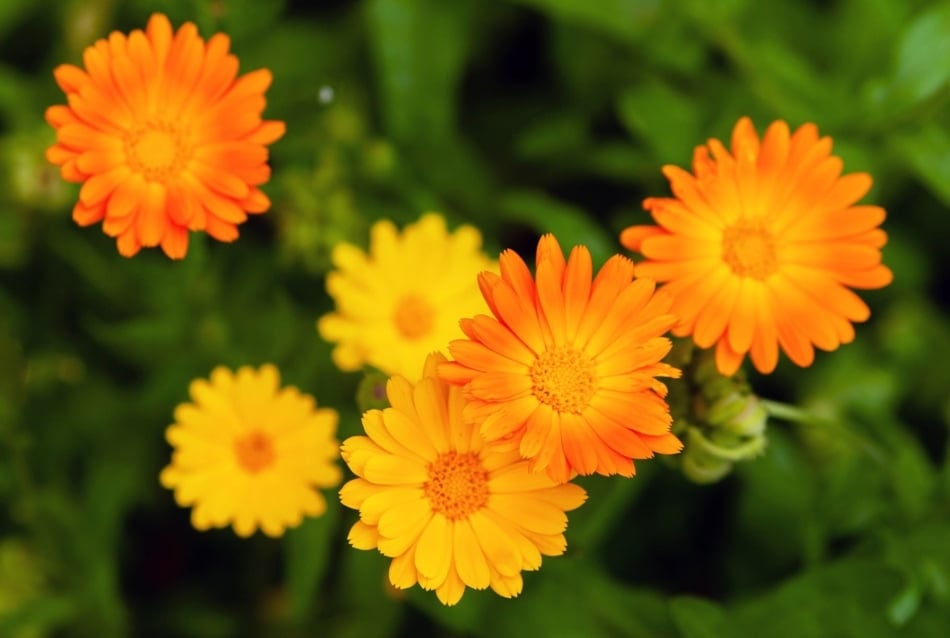
Saffron is pricey, and that is why many gardeners replicate its beautiful deep orange coloring with calendula flowers, which carry a mild citrus flavor.
RELATED: How to Grow the World’s Most Expensive Spice: Saffron
4. Chamomile
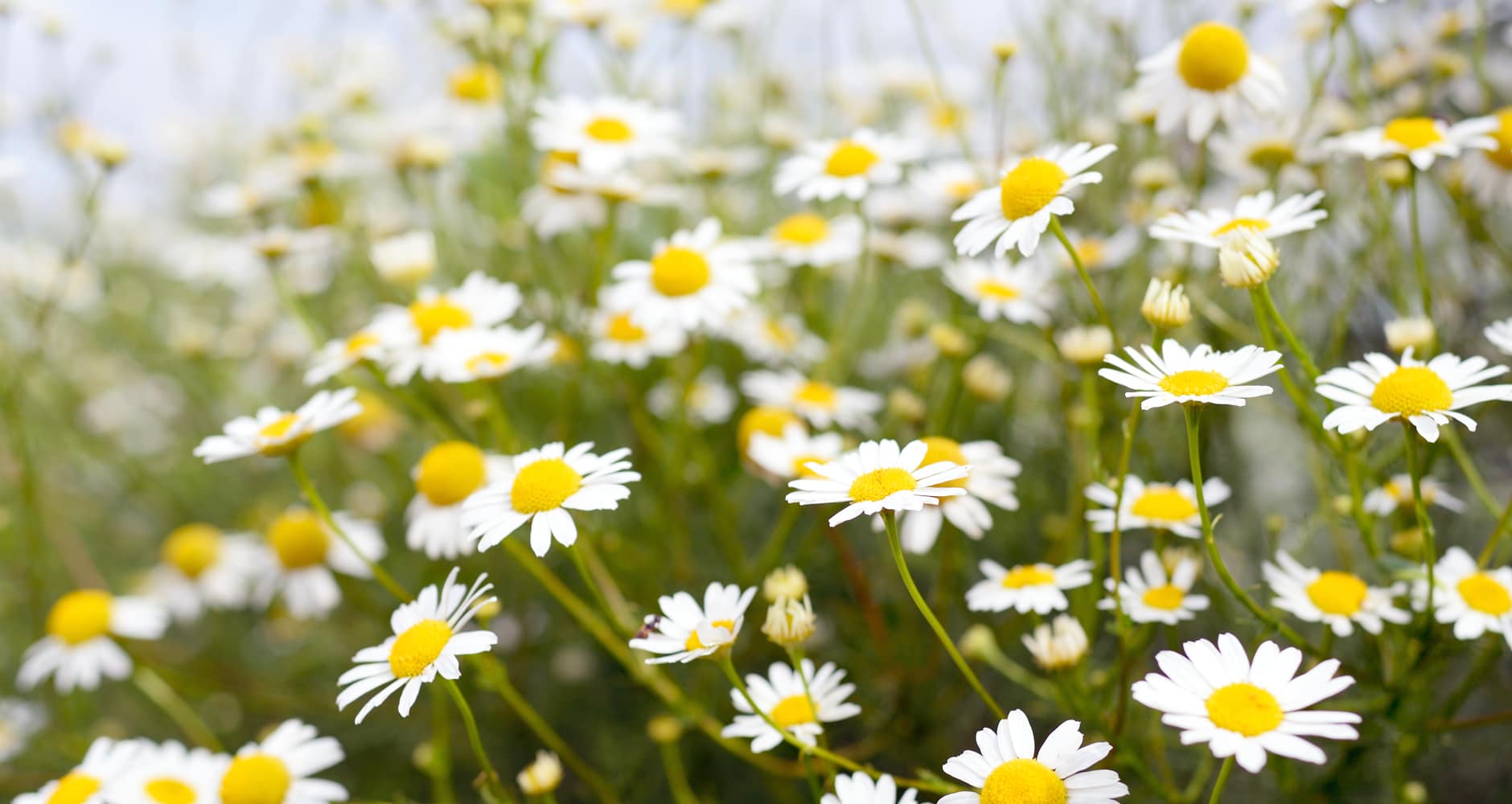
If you love herbal teas, then chamomile is a must-have plant, and it does not hurt that the ferny leaves and small daisy-like flowers make it stand out among your garden beds.
5. Chive Blossoms
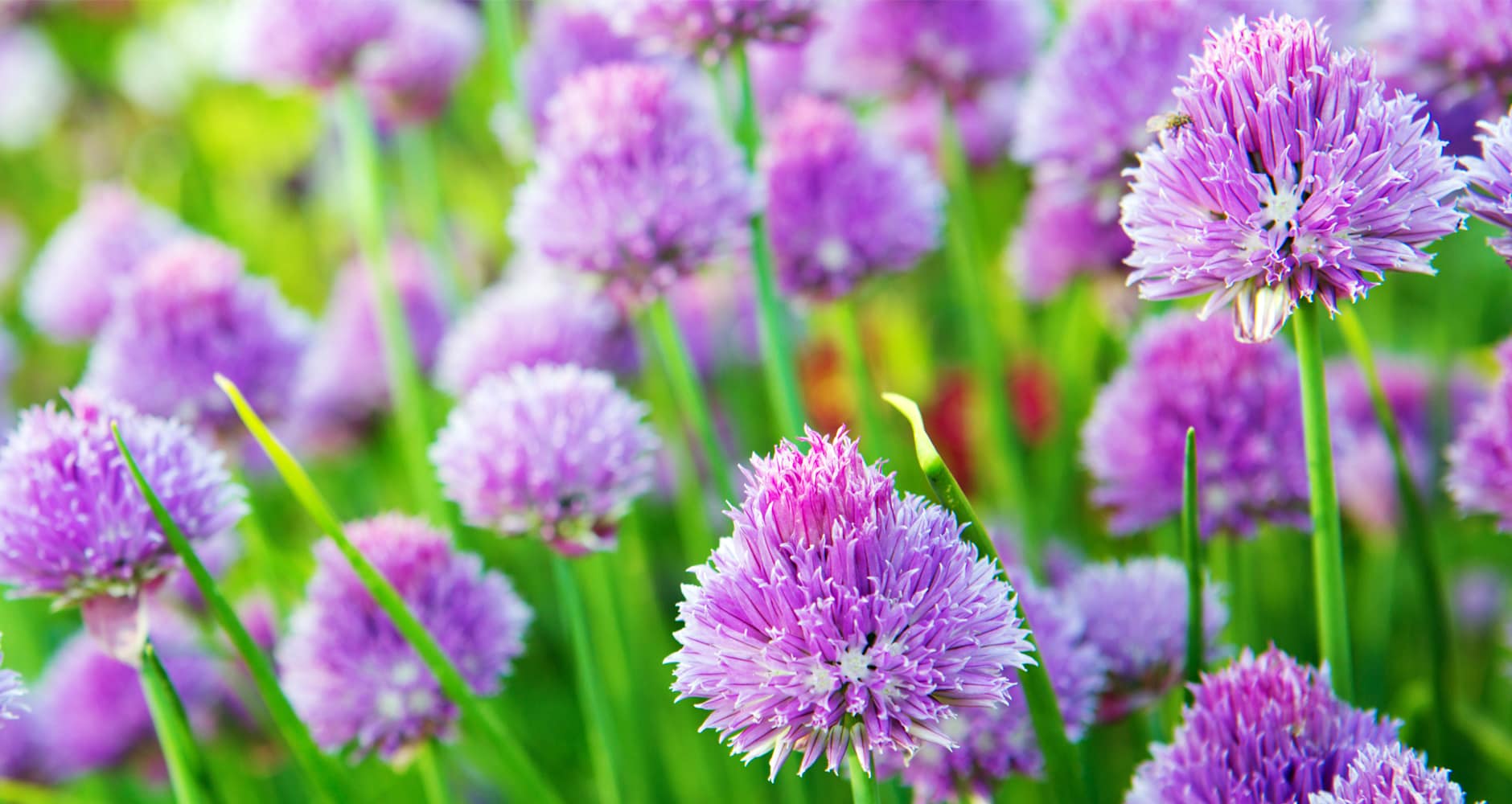
The allium family of flowers is made up of plants like chives, onions, garlic, and shallots, all of which have beautiful clusters of flowers that can be used in addition to the greens and bulbs. Chive blossoms carry a gentle onion flavor that brightens eggs, soft cheeses, and a simple butter.
6. Daylilies
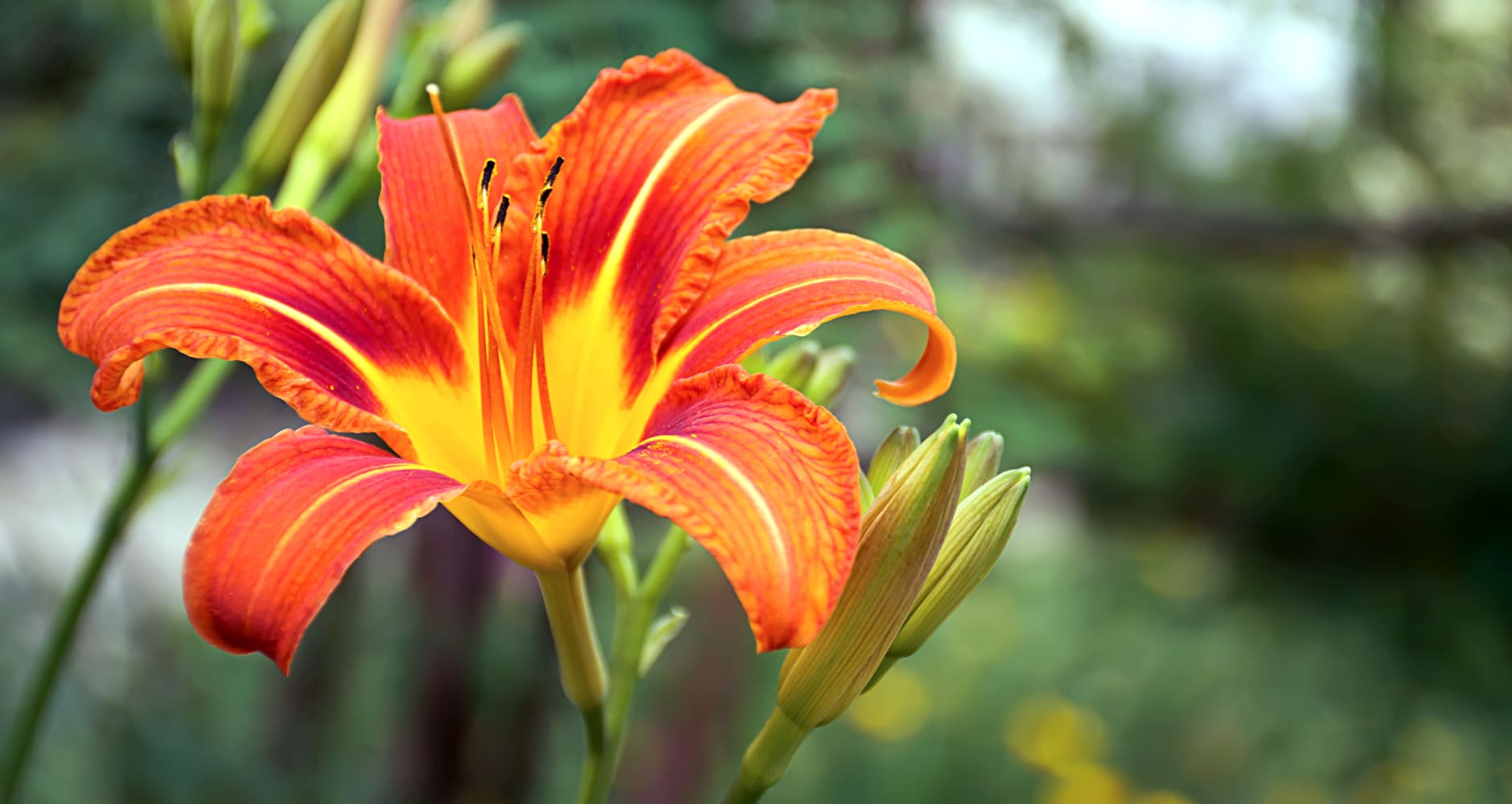
Daylilies are delicious and can be eaten in four different ways: the flowers, the shoots, the bulbs, or the unopened flower buds, all of which have a green vegetable flavor a bit like asparagus.
Note: Daylilies are toxic to pets. They are edible to humans but are not to be confused with Asiatic lilies (Lilium asiatica), which can make you sick.
7. Hibiscus
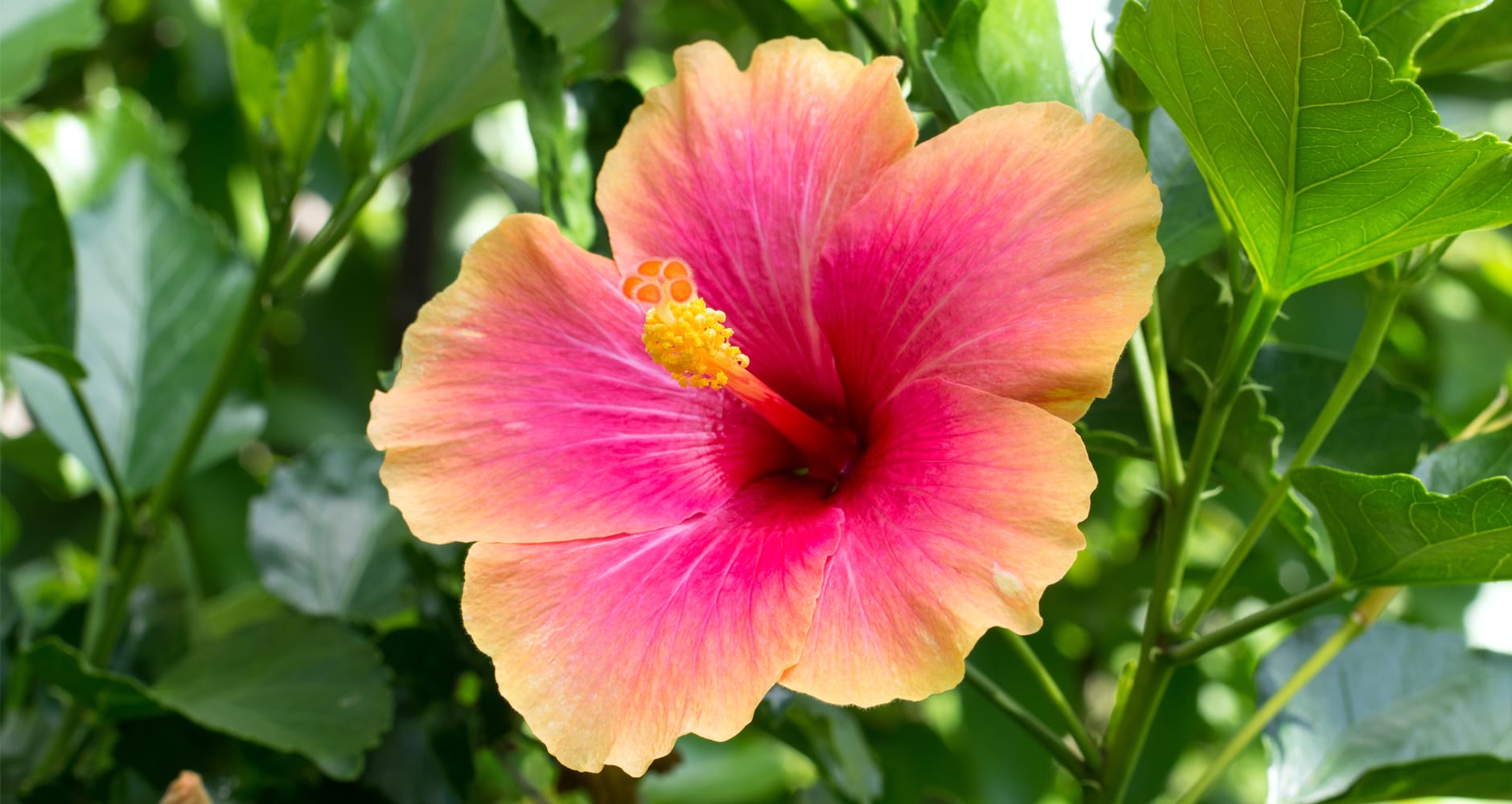
Hibiscus flowers mingle cranberry and citrus flavors, making them perfect in cocktails, as a salad topping, or as an addition to your favorite tea.
8. Lilacs
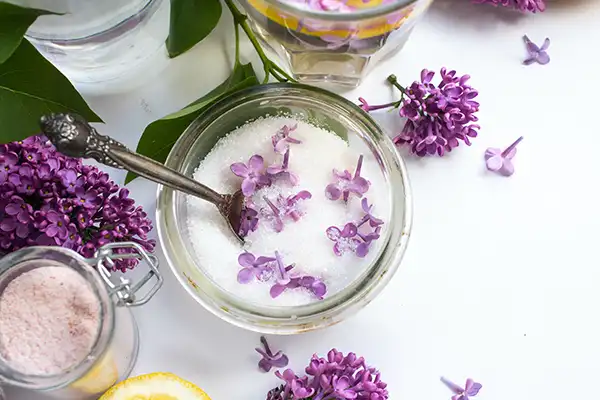
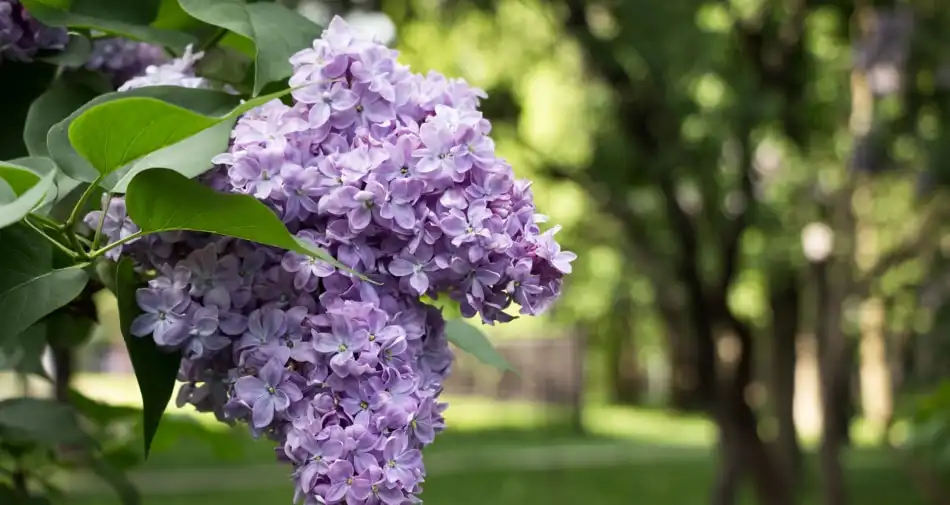
Lilac blossoms offer a subtly floral, slightly bitter taste. They are best used sparingly to garnish salads, infuse honey, or add a delicate flavor to desserts.
RELATED: Lilac Flowers: Growing Tips and Lore
Lilac Sugar Recipe
Lilac-infused sugar is the perfect way to preserve the fragrance of edible lilacs. Use it anywhere you would use regular sugar: add it to cookies, cakes, and muffins for a lovely floral essence, or use it in cocktails for a refreshing spring or summer drink.
Ingredients:
- 1 cup white granulated sugar
- 1/3 cup lilac blossoms
- 1 small glass jar
Instructions:
- Pick dry blossoms, but do not wash them.
- Remove single flowers from the cluster and place in a bowl.
- Place a few tablespoons of sugar in the bottom of a jar.
- Place an even layer of lilac blossoms on top of the sugar.
- Repeat the layers, ending with sugar as the top layer, leaving about an inch of headspace.
- Put a cover on the jar and shake the contents. Repeat the shake every day for a week to avoid clumps. After about a week, the flowers should be preserved and candied, and the sugar deliciously infused with the lilac aroma.
- Leave the lilacs in the sugar for added color. If sugar is clumping, blend in a food processor.
Lilac Lemonade Recipe
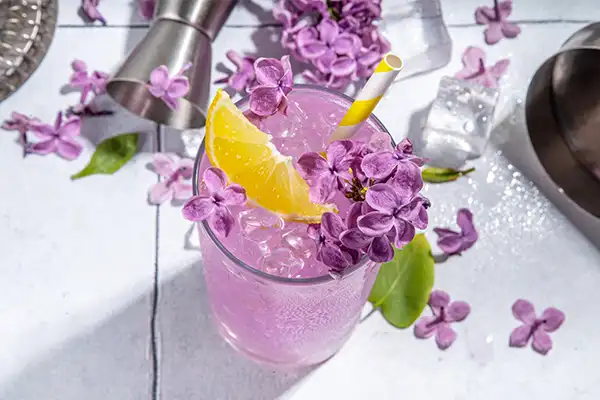
Lilac lemonade is a great beverage for welcoming spring.
Ingredients:
- 2-3 clusters of fresh lilac blossoms
- Lemons (7-10) or 1 1/2 cups of juice, plus enough for garnish
- 1 1/2 cups of granulated sugar
- 8 1/2 cups of water
- Ice
Instructions:
- Juice enough lemons to make 1 1/2 cups of lemon juice.
- Strain to remove the seeds and pulp. Refrigerate.
- Soak your fresh lilac sprigs in cold water for a minimum of 2 hours, better yet, overnight.
- Create your syrup: in a saucepan, add 1 cup of water to 1 1/2 cups of sugar. Heat to a simmer, stirring consistently until the sugar is dissolved. Remove from the heat and refrigerate.
- Slice a lemon and add it to your pitcher.
- Add your lilacs, along with the remaining 7 cups of infused water, lemon juice, and syrup. Stir.
9. Nasturtiums
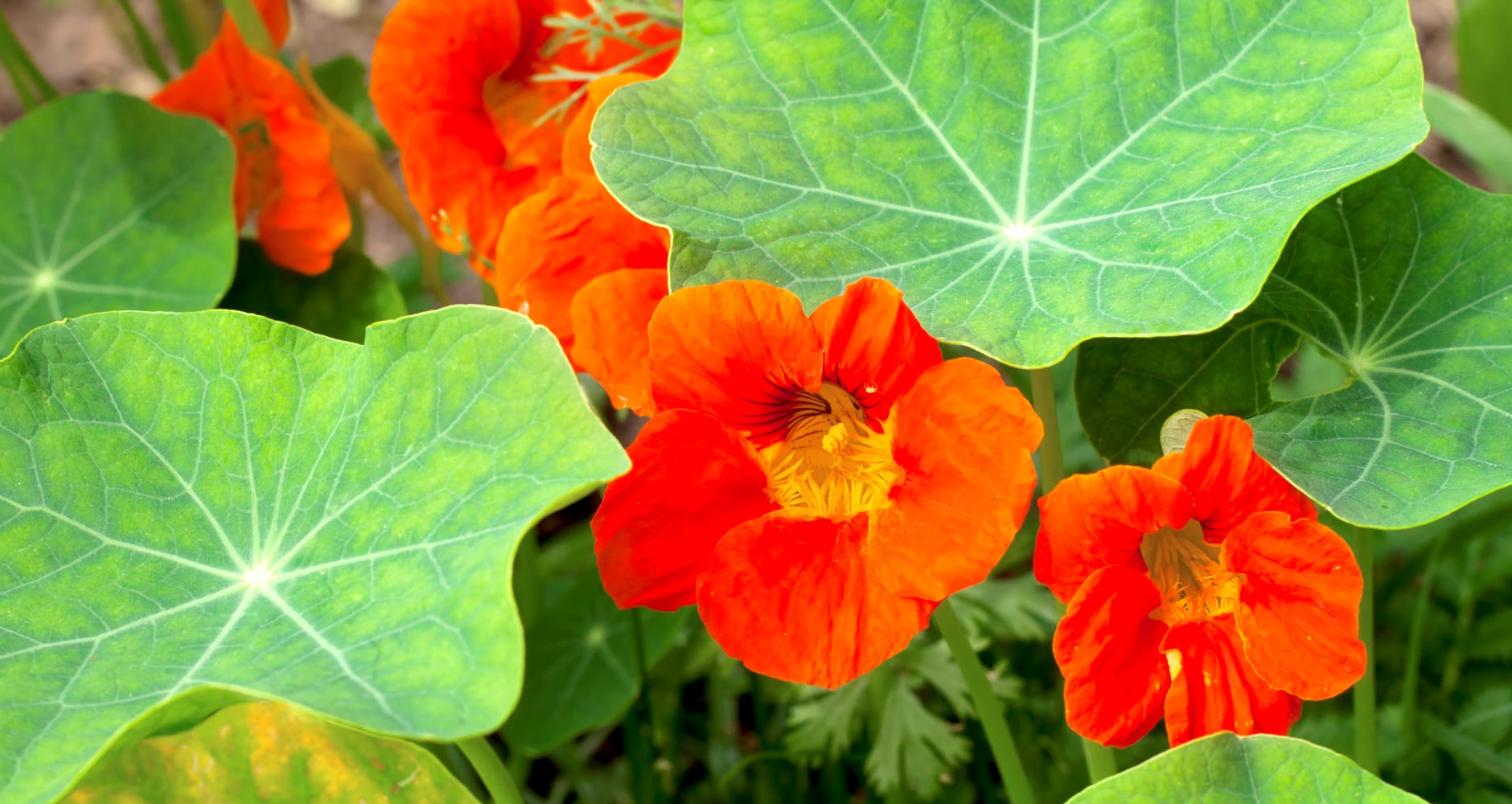
Nasturtiums are peppery, easily used in place of pepper or watercress, or on salads. They also work well as a pretty and edible garnish.
10. Roses
Roses vary in taste from floral to gingery, but they all make great additions to salads, jam, tea, and even cakes as a beautiful decoration.
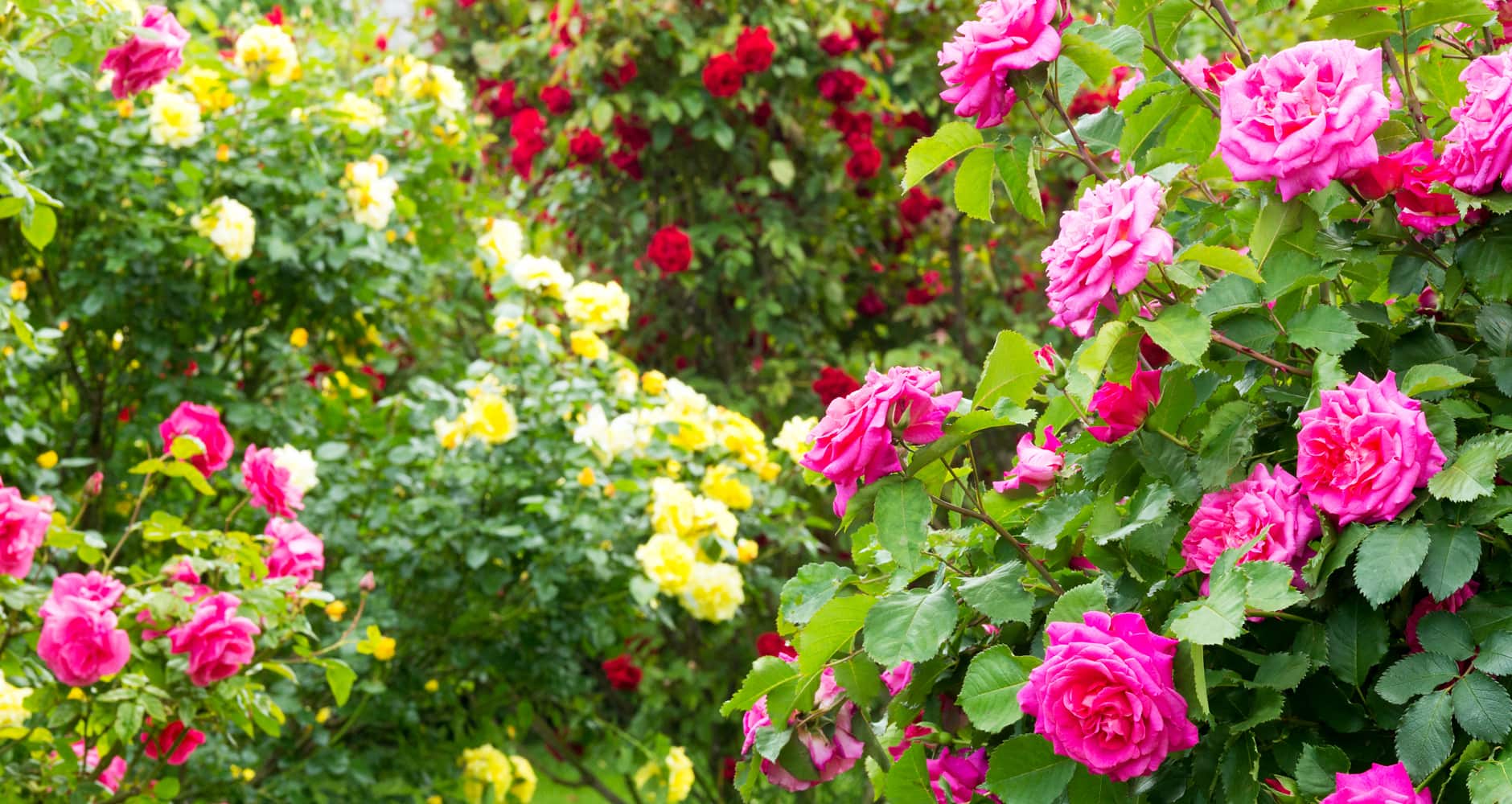
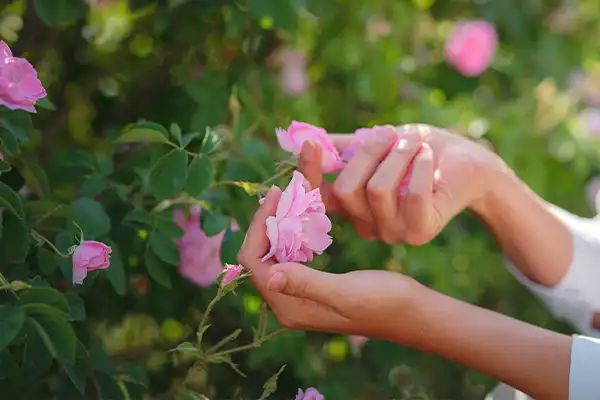
Some roses are better for cooking than others. Typically, pink or white roses have a stronger fragrance than other varieties, making them better choices for use in recipes. Among the most suitable rose varieties for use in cooking are Damask roses, rugosa rose, and French rose.
RELATED: June Birth Flower: Rose
How to Make Rose Water
Put rose petals in a pan and add just enough distilled water to cover them. Bring to a boil and then reduce to low heat and simmer for 5-10 minutes, or until the petals are nearly colorless. Remove from heat. Cool and strain.
RELATED: How to Make “Moon Water”
Rose Simple Syrup Recipe
Rose simple syrup may be used as a substitute for maple syrup, allowing you to add a sweet floral flavor to your pancakes or waffles. It is also perfect for enhancing desserts, ice cream, breakfast, yogurt, cocktails, and other beverages. This recipe makes approximately 1.5 cups of simple syrup, or 12 servings.
Ingredients:
- 1 cup dried rose buds or petals, or 2 cups fresh
- 1 cup water
- 1 cup granulated sugar
Instructions:
- Place the sugar, water, and rose buds or petals into a medium saucepan and cook over high heat until the water starts to boil.
- Once boiling, reduce heat to low and simmer for 5 minutes. Strain the liquid and remove the roses.
- Return the liquid to the stove and cook over low heat for another 10 minutes, or until the syrup is the consistency of maple syrup.
- For thicker syrup, simmer for 5-8 extra minutes.
Rose and Cardamom Shortbread
These buttery cookies have just the right amount of sweetness, with a subtle hint of rose and cardamom. This recipe makes 24 cookies.
Ingredients:
- 2 cups all-purpose flour
- 2 tablespoons dried* rose petals
- 1 1/2 teaspoons ground cardamom
- 1/2 teaspoon salt
- 1 cup softened unsalted butter
- 3/4 cup powdered sugar
- 2 teaspoons rosewater (see above)
RELATED: Lavender and Lotus Cookie Recipe
Instructions:
- In a mixing bowl, combine flour, rose petals, cardamom, and salt. Set aside.
- Beat the butter and sugar together until creamy.
- Beat in the rosewater and then gradually mix in the flour mixture.
- Shape the dough into a disc, wrap with plastic, and chill for at least two hours and up to two days.
- To bake, preheat oven to 300 degrees F. Line two baking sheets with parchment paper.
- On a floured surface, roll out the dough to a 1/4-inch thickness. Use a 2-inch cookie cutter to cut out circles and place on baking sheets. Gather and reroll any scraps.
- Bake for about 25 minutes, until the edges of the cookies are just barely starting to color. Cool on wire racks.
*There are several methods for drying rose petals, including air-drying, oven-drying, and using a dehydrator. To air-dry rose petals, simply remove the petals from the stem and spread them out on a flat surface in a cool, dry place for several days. For oven-drying, place the petals on a baking sheet and dry them at a low temperature for a few hours. To use a dehydrator, place the petals on the dehydrator trays and dry them according to the manufacturer’s instructions. Once the petals are completely dry, store them in an airtight container for later use.
11. Squash Flowers
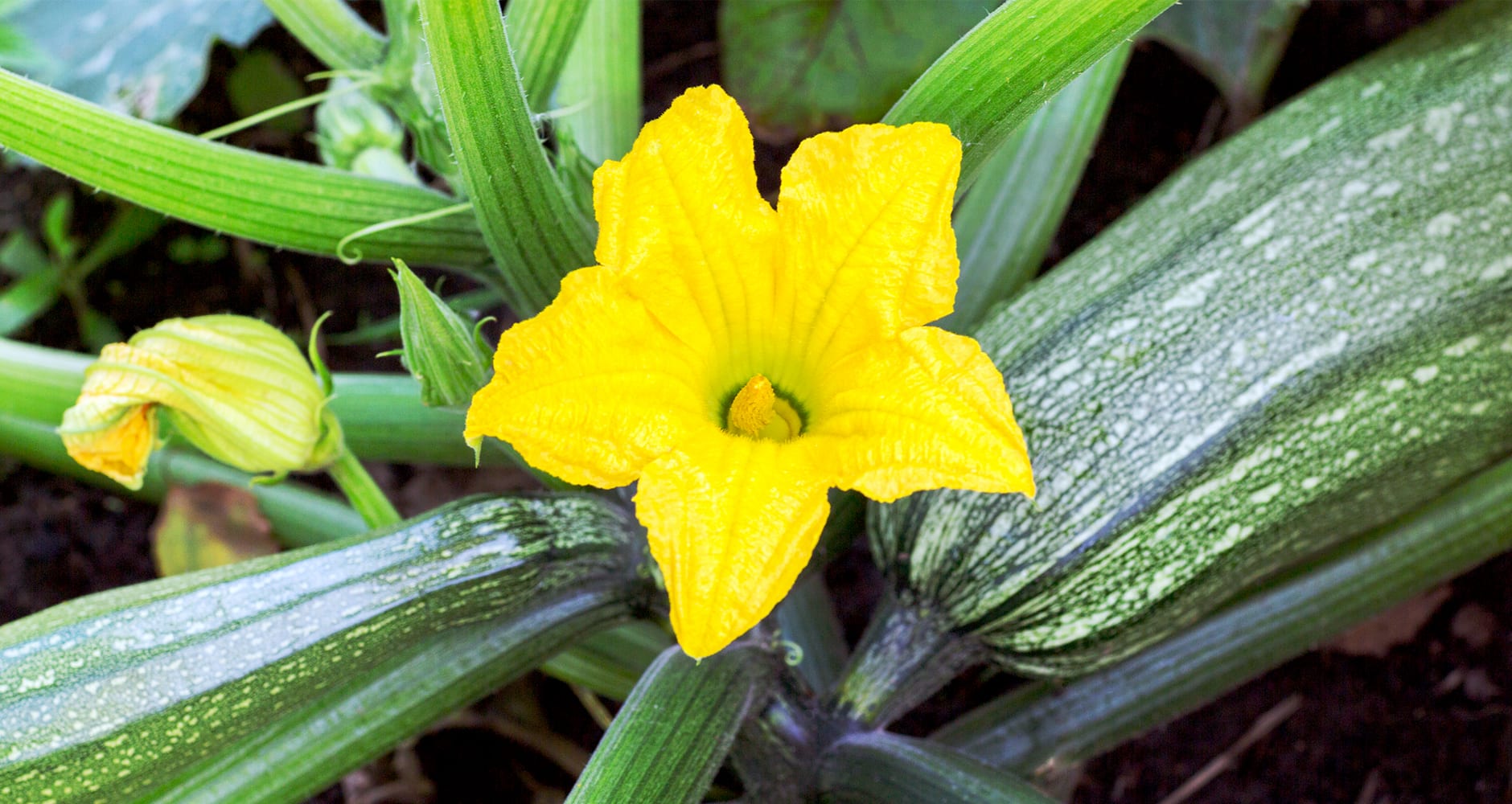
Zucchini, summer squash, pumpkin, and other flowers from the squash family all tend to have a light flavor that makes them great in salads, as a pizza topper, or stuffed with herbs, rice, and cheese and then baked.
RELATED: Companion Plants for Zucchini and Summer Squash
How to Use Edible Flowers in the Kitchen
Once you know a flower is safe, the fun is in matching its flavor to the plate. Peppery blooms like nasturtiums stand in for cracked pepper on a salad or sandwich. Cool, cucumber-tasting borage belongs in a tall summer drink. Minty bee balm dresses up anything you would finish with mint, and citrusy calendula or hibiscus brightens tea and cocktails. Floral blossoms like lilacs and roses are best used with a light hand, folded into sugar, syrup, or shortbread so the flavor reads as a hint rather than a mouthful of perfume. Start small, taste as you go, and let the flower lead.
Important Tips
- Pick edible flowers early in the morning, when they are at their freshest and before the Sun has had a chance to wilt them.
- Choose flowers that are pesticide- and chemical-free.
- When harvesting, gently twist the flowers from the stem to avoid damaging the plant.
- Use only the petals or buds, no leaves or stems.
- Rinse the flowers in cool water to remove any bugs, dirt, or debris. Dry completely before use.
- Never eat a flower you cannot positively identify, and never eat one from a roadside, a florist, or a garden center, since those are often treated with chemicals.

Edible Flowers: Frequently Asked Questions
What flowers are edible?
Common edible flowers include bee balm, borage, calendula, chamomile, chive blossoms, daylilies, hibiscus, lilacs, nasturtiums, roses, and squash flowers. Each one carries its own flavor, from minty to peppery to floral. Only eat flowers you can positively identify and that have not been treated with pesticides or chemicals.
Are all flowers safe to eat?
No. Many garden flowers are toxic, and even some edible plants have inedible or harmful look-alikes. Daylilies, for example, are edible to people but toxic to pets and are easily confused with Asiatic lilies, which can make you sick. Never eat anything from nature without proper identification, and if you forage, invite an experienced professional along.
When is the best time to pick edible flowers?
Pick edible flowers early in the morning, when they are at their freshest and before the Sun has had a chance to wilt them. Gently twist the flowers from the stem so you do not damage the plant, use only the petals or buds, and rinse them in cool water to remove bugs and debris before drying completely.
Which edible flowers taste best in drinks?
Borage adds a cool cucumber note to summery drinks and cocktails, hibiscus brings cranberry and citrus, and lilacs and roses lend a delicate floral flavor through infused sugars and syrups. Lilac lemonade and rose simple syrup are two easy ways to put these flowers in a glass.
Can you cook with roses, and which kind is best?
Yes. Roses range in taste from floral to gingery and work in salads, jam, tea, and cakes. Pink or white roses usually have a stronger fragrance, which makes them better for recipes, and Damask, rugosa, and French roses are among the most suitable for cooking. Always use roses that have not been sprayed.
Are daylilies and lilies the same thing?
No. Daylilies are edible to humans and can be eaten as flowers, shoots, bulbs, or unopened buds, with a flavor a bit like asparagus. They should not be confused with Asiatic lilies (Lilium asiatica), which can make you sick, and daylilies are toxic to pets even though they are safe for people.
Join the Discussion
Do you have any favorite edible flowers?
Share your thoughts and experiences in the comments.


Barbi Gardiner
Barbi Gardiner is a bioregional herbalist, expert gardener, forager, modern naturalist, and creator from the “quiet corner” of Connecticut. Her blog, The Outdoor Apothecary, aims to inspire people to return to their roots, rewild themselves in nature, and rediscover the joy of living a simple life.

Amber Kanuckel
Amber Kanuckel is a freelance writer from rural Ohio who loves all things outdoors. She specializes in home, garden, environmental, and green living topics.
-
Amber Kanuckel

-
Amber Kanuckel

-
Amber Kanuckel
-
Amber Kanuckel




Where are the Violets?
what about lavender? i don’t see the flowers/herb listed.
Hi Lidia! In this article, we do link to our Lavender Cookie Recipe which tells you more about lavender’s edible properties (as well as pansies and lotus flower). Here you go: https://www.farmersalmanac.com/pressed-flower-shortbreads-lotus-lavender. This recipe was created by Lauren of Must Love Herbs exclusively for Farmers’ Almanac. Let us know if you make them!
I love what you share! Worked as a private gardener for 25 years, Cool stuff to learn here!!
Thanks, Emily! Best wishes from all of us at FA.
This is such important information – all who love new dishes in the kitchen should be careful to find this type of information , it could save a life ! maybe yours . Thanks
Two questions; are cucumber blossoms edible? Can Bee-Balm be container grown?
Hi Carl,
Yes, both cucumber blossoms and squash blossoms are edible. Bee-balm does very well in container gardens.
Are all Roses edible?
I’m fascinated by this…thank you
Glad you enjoy it!
Yes, really digging this great info. Would appreciate more content like this please!!
Hi Arkansas Girl. Great, thanks for your feedback!
Hi Lorraine, you might enjoy this recipe for Elderflower Fritters in this post: Go Ahead and Eat Those Weeds!
I loved this article. Would love to see some recipes!
Daylilies: remove all stamens & pollen. Stuff with 3 inch x 1/2 inch cheese cutting. Tie securely together. Dredge in seasoned flour. Fry iightly in good quality oil, for Stuffed Flores. Serve with Mexican beans & rice.