

Preventing Food Waste: 12 Habits To Cut Household Waste And Save Money
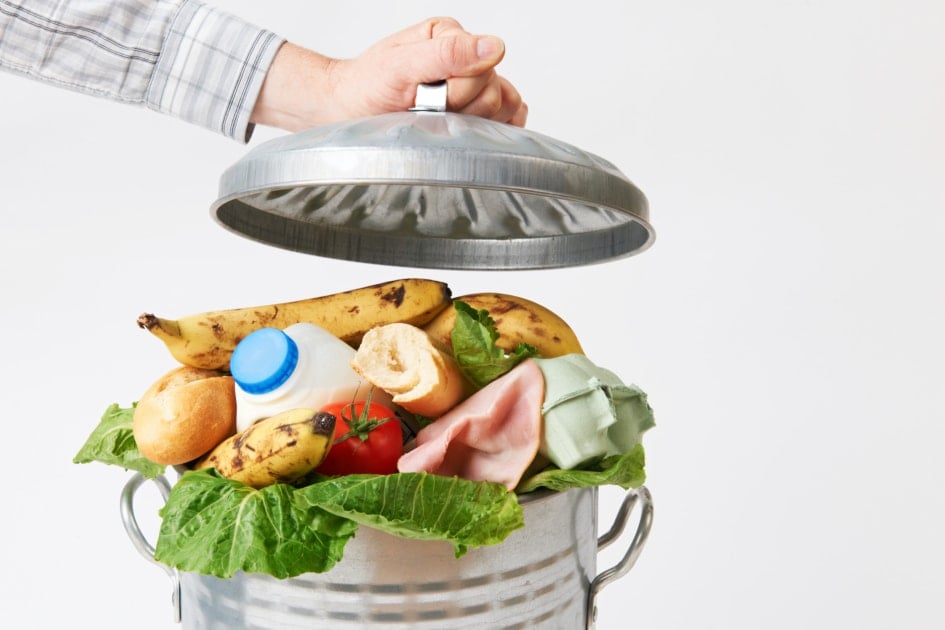
Fact: 130 billion pounds of food is tossed each year in the U.S. alone. But with a few minor tweaks to the way we eat, shop, and think, we can stop food waste. These 12 smart and easy hacks can help!
Quick Reference
- Scale of the problem: Roughly 130 billion pounds of food, worth about $473 billion, is wasted every year in the United States (USDA / ReFED, 2024).
- Where it happens: Households throw out the biggest share, roughly 40 percent of all food waste, ahead of restaurants, retail, and farms.
- Household cost: The average American family of four throws away about $1,500 in food a year.
- Fastest wins at home: Eat what you have first, store food where the fridge is coldest, freeze in meal-sized portions, and compost the rest.
- Fastest wins at the store: Shop from a list, choose items nearest their sell-by date, and buy only what you can actually cook this week.
- Community wins: Donate surplus, take leftovers home, and back school lunch rooms that serve after recess.
Picture yourself at the peak of a good garden season. You walk out to the tomato patch, pick two ripe ones, and hurl a third at the fence as hard as you can, splattering it on the boards. Ridiculous, right? Yet that is roughly what most American households do every week without noticing. According to the USDA, more than 130 billion pounds of food are wasted in the United States every year, worth about $473 billion at retail. Every time an apple hits the trash, the water, soil, sun, labor, and fuel that produced it go with it. Preventing food waste is one of the few environmental levers a household can pull with almost no upfront cost. Change a handful of habits, and the impact adds up fast.
Here are 12 proven tips, plus a few habits the Almanac has picked up from readers, to help you cut food waste in your kitchen, your shopping cart, and your community.
Why Food Waste Matters More Than Most People Realize
Food waste is the largest single category in United States landfills. The EPA estimates that landfilled food waste alone is responsible for about 58 percent of methane emissions from municipal landfills, and methane traps roughly 80 times more heat than carbon dioxide over a 20-year window. The nonprofit ReFED calculates that United States food waste consumes 22 percent of the country’s fresh water, 16 percent of its cropland, and enough energy to power 50 million homes for a year. Cutting even a slice of that at the household level saves money and reduces the pull on farmland, aquifers, and dump trucks.

Preventing Food Waste At Home
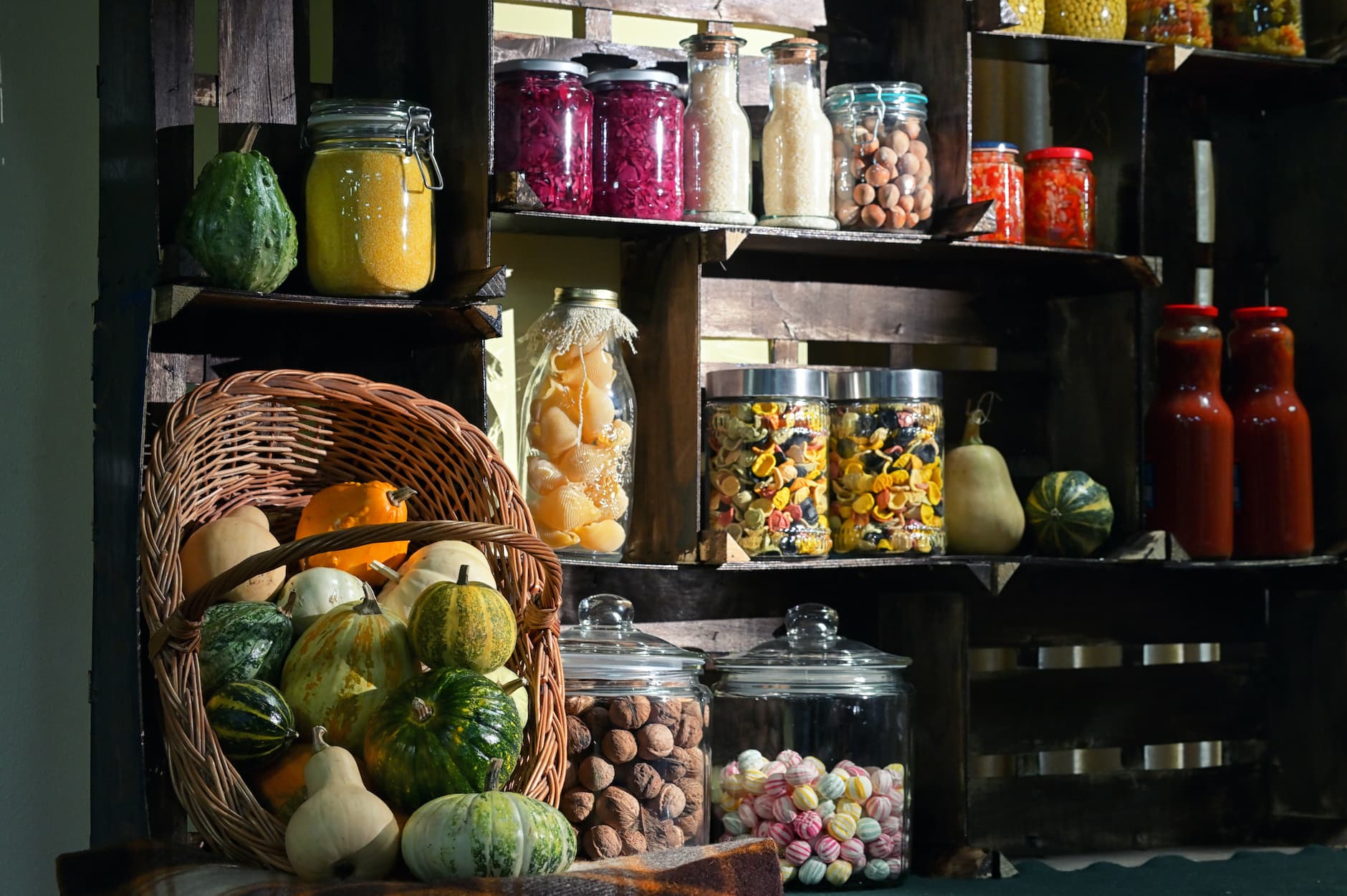
- Eat what you have first. Before you scroll a recipe app or head to the store, take an honest look at what is already in your pantry, freezer, and refrigerator. Design meals around the food you own rather than the food you fancy. Yesterday’s pork tenderloin becomes today’s pork tacos and tomorrow’s pork sandwiches. Leftover roast chicken becomes chicken soup by Thursday. This one habit alone can cut household waste by a third.

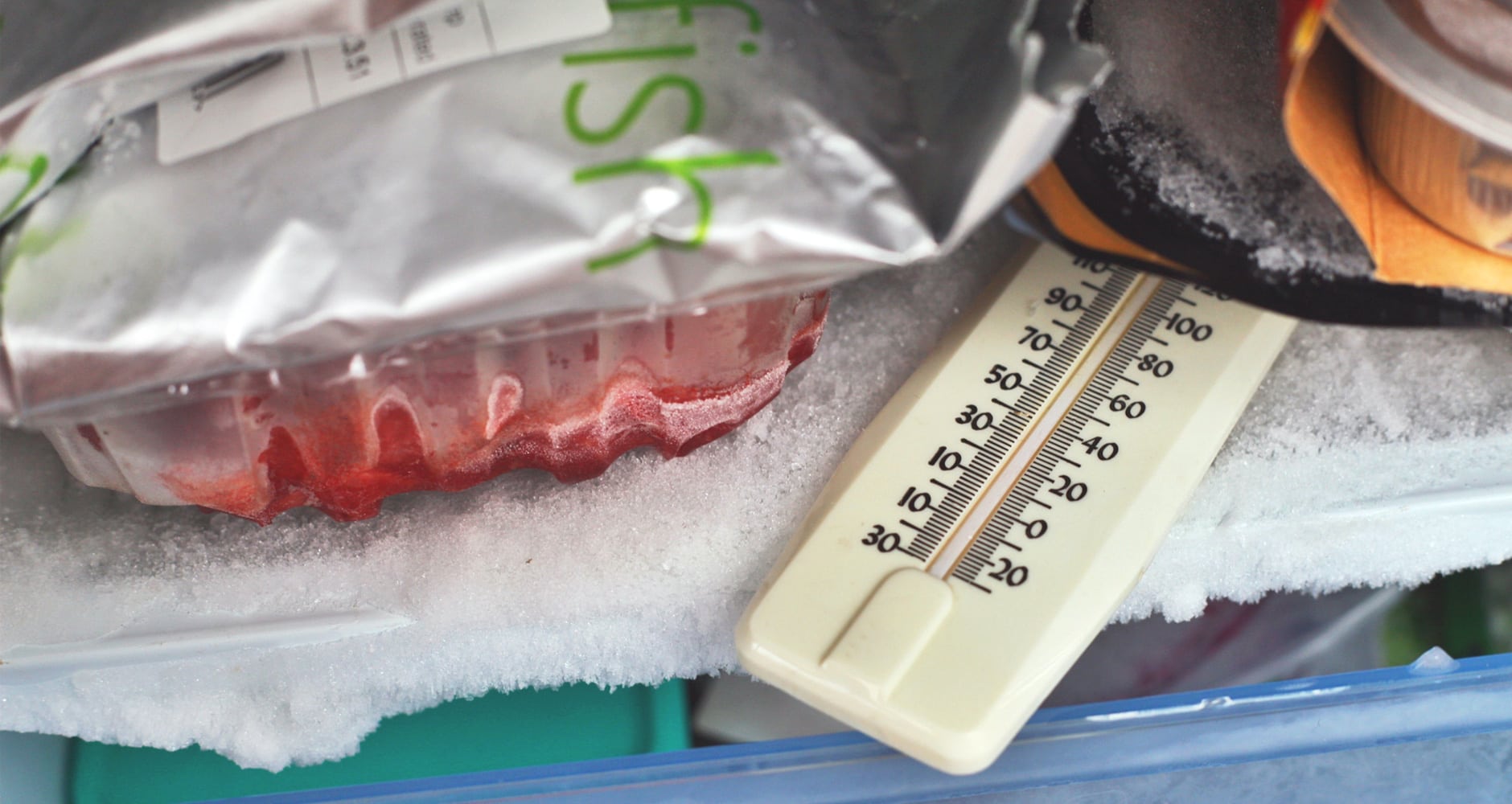
- Think about storage. The coldest spots in a home fridge are the back and bottom shelves; the warmest is the door. Milk belongs at the back and low down, not in the door, if you want it to last through the week. Condiments and pickles that are high in natural preservatives (vinegar, salt) are fine in the door. Store berries unwashed until right before use, since moisture speeds mold. Onions and potatoes belong apart, in a cool dark cupboard, not next to each other on the counter.

- Use your freezer. As soon as you get home from the store, divide ground beef, skinless chicken breasts, and pork chops into meal-sized portions and freeze what you cannot cook in the next 48 hours. Bread, shredded cheese, herbs frozen in olive oil, and most vegetables (blanch first if you have time) freeze well. A well-labeled freezer is a food-waste insurance policy.
- Compost the rest. Even the tightest kitchen produces peels, cores, and coffee grounds. Instead of feeding them to the garbage disposal or the trash, put them to work in the garden. All food scraps except meat, bones, and dairy can be safely composted into nutrient-rich soil. If you do not garden, most municipalities now run curbside compost pickup or drop-off sites; a quick check of your town website will tell you which.

Preventing Food Waste At The Store
- Shop smart. Take five minutes before you leave the house to check the fridge, freezer, and pantry, then write a list. Today’s sale on oranges is not a bargain if you throw out the dozen already sitting in the crisper drawer. A written list also fights impulse buys, which are the single biggest driver of grocery waste according to ReFED.
- Think big picture. If you know you will eat something today or tomorrow, pick the product closest to its sell-by date. You save it from the store dumpster and often get a manager’s markdown as a bonus. Sell-by, use-by, and best-by are quality guides, not safety cliffs.
- Be honest. Are you actually going to cook dinner Wednesday, or will Wednesday be leftovers or takeout? Buying for the week you wish you had, not the week you will actually live, is a fast track to a fridge full of forgotten ingredients.
- Share. If you cannot resist warehouse-store perishables, or receive a community-supported agriculture (CSA) box each week, find a friend or neighbor to split it with. A shared 10-pound bag of apples turns into 5 pounds you can actually finish.
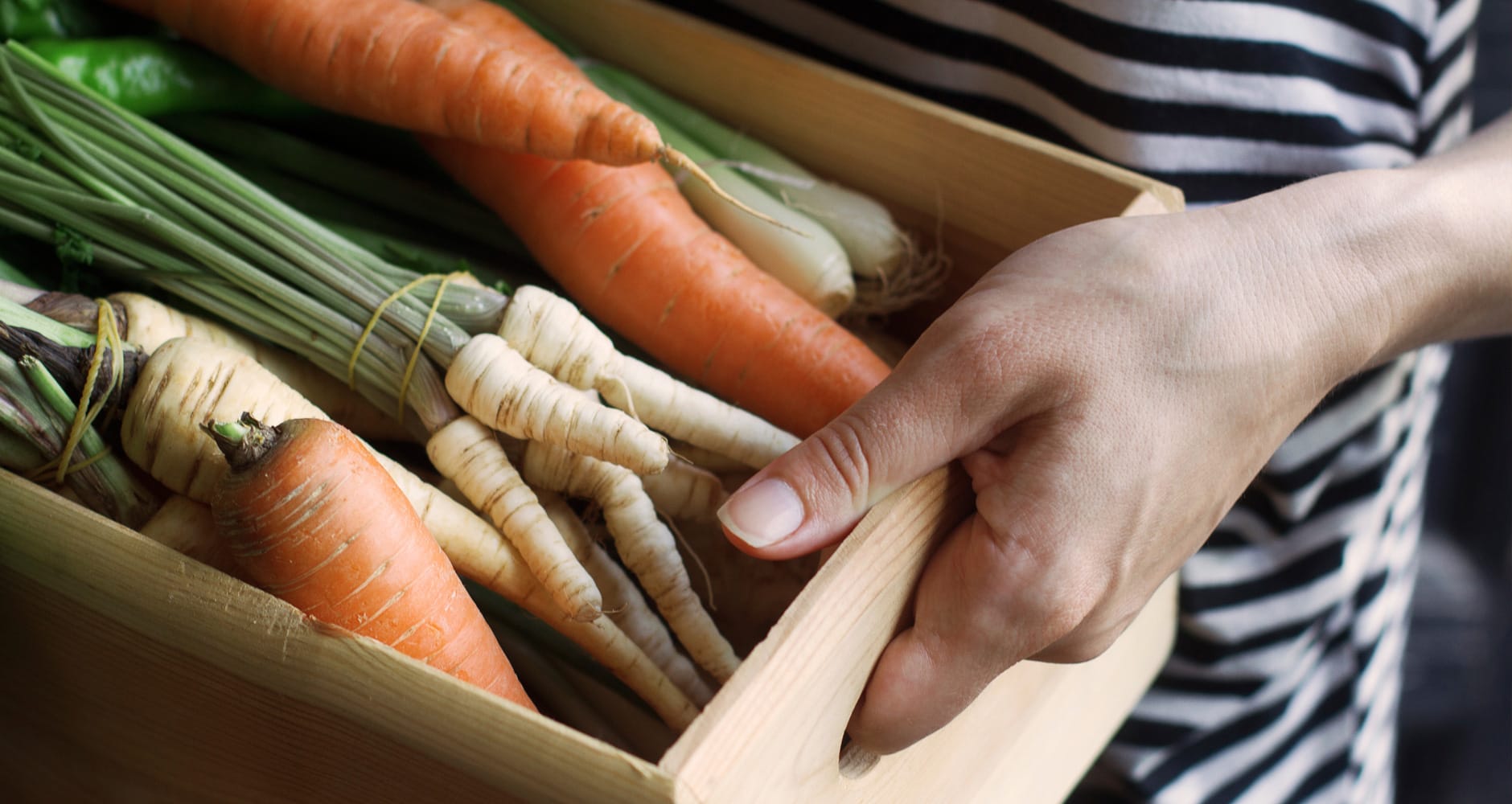
- Learn to eat ugly. Fruits and vegetables that are not perfectly shaped, blemish-free, or uniformly colored often get discarded before they ever hit the produce aisle. Buy the crooked squash and the freckled apple. Eat the skins of potatoes, cucumbers, and other vegetables that get needlessly peeled. Save beet greens for salad. Chop broccoli and cauliflower stalks into soups, or spiralize them as a pasta stand-in. Every scrap saved is a scrap not landfilled.

Community And Workplace Tips
- Donate excess. If a community potluck or church supper overshoots the crowd, donate the unserved food to a homeless shelter, women’s shelter, or a Feeding America partner pantry. Federal law (the Bill Emerson Good Samaritan Food Donation Act, 1996) shields donors from liability. Encourage local businesses to do the same.
- Take it home. After the office barbecue, snag the leftover veggie tray or speak up before the extra hotdog buns hit the dumpster. If you can use them, keep them out of the waste stream. A five-minute walk with a Tupperware saves someone else’s grocery bill.
- Encourage meal changes. Studies show school kids waste up to 30 percent less food when lunch is served after recess rather than before, because a hungry kid actually eats. All-you-can-eat cafeteria-style dining halls have found that dropping trays cuts food waste by 20 to 50 percent, because diners no longer pile plates with food they will not finish. Small policy changes compound across a year.
Regional Food Waste Snapshot: US And Canada
Note the gap: Canadian households throw out roughly half as much as their American counterparts, largely because most Canadian metros run mandatory curbside organics pickup. When your compost cart is picked up on the same day as your trash, it becomes the default and not the extra chore.
A Simple Weekly Routine To Waste Less
- Sunday afternoon: Take a five-minute inventory. Write your grocery list from what you already own.
- Monday: Cook the most perishable item first (fresh fish, leafy greens, berries).
- Tuesday to Thursday: Rotate one leftover meal into the middle of the week.
- Friday: Clean out night. Anything on its last day becomes soup, stir-fry, or an omelet.
- Saturday: Empty the compost bin. Restock the freezer.
You do not need every step in place to move the needle. Start with the two habits that fit your kitchen, then add another next month.

FAQ: Preventing Food Waste
How much food does the average American family actually waste?
According to ReFED and the USDA, a family of four wastes roughly 1,000 pounds of food a year, which works out to about $1,500 in groceries. That is close to the cost of a month of monthly household groceries just going straight to the landfill.
Is preventing food waste really that big an environmental win?
Yes. Project Drawdown ranks reducing food waste as one of the top three individual climate actions available, on par with switching to a plant-heavy diet. The EPA attributes about 58 percent of landfill methane to food waste, so the household kitchen has more leverage than most people realize.
What is the difference between sell-by, best-by, and use-by dates?
“Sell by” tells the store when to pull the item from the shelf. “Best by” and “best if used by” are quality guides, not safety limits. “Use by” is the closest thing to a safety flag, and only mandatory on infant formula. Trust your eyes and nose for most other foods.
What foods should I never freeze?
Skip freezing whole eggs in the shell, raw cream-based dressings, cooked pasta or rice in a heavy sauce (they turn mushy), and high-water vegetables like lettuce, cucumber, and radishes. Most other whole foods take well to the freezer if wrapped tightly.
Can I compost if I do not garden?
Yes. Most large United States metros now run either curbside compost pickup or a community drop-off site. Search your municipality’s public works page. If neither exists, small countertop bokashi systems handle a household’s scraps and produce a soil amendment friends and neighbors will take off your hands.
Is it safe to donate leftover cooked food?
Yes, and it is federally protected. The Bill Emerson Good Samaritan Food Donation Act (1996) shields donors and recipients from liability when food is donated in good faith. Feeding America partner pantries and shelters have handling protocols; a quick call confirms what they accept.


Judy Kneiszel
Judy Kneiszel is a freelance writer from De Pere, Wisconsin. She contributes to regional and national magazines and newsletters, writing on a wide variety of topics including food, farming, health, renewable energy, and running a small business.
- Judy Kneiszel

- Judy Kneiszel
- Judy Kneiszel
- Judy Kneiszel





Your so right,I raise my on garden, and my I make my grankids put a small serving, i tell them to eat that and if want more put just what they can eat, I had to learn their friends that come and spend the night how to eat all their food, if they don’t drink all their tea or milk, I make them put it in frig. and drink it the next day, And no food is cooked until all left overs are ate. It is sad lot of kids go to bed hungry and the way people waste food, If their friends kept on dumping half plate of food into dog bowl I stop them from coming over and eating, and the all the dumb ass parents lets all these little brats waste all the food that they work hard for.
Grow some of your own fruits and vegetables