

Deer-Resistant Plants: 10 Pretty Picks Deer Won’t Eat
If it feels like hungry deer make a beeline to your garden every year, try planting these beautiful flowers and plants they tend to avoid.
Quick Reference: 10 Deer-Resistant Plants
- Astilbe (Astilbe spp.): fuzzy plumes, shade-friendly perennial
- Hawthorn (Crataegus spp.): small thorny tree with white blossoms
- Foxglove (Digitalis spp.): tubular blooms, all parts poisonous
- Monkshood (Aconitum napellus): purple cowled flowers, highly toxic
- Sea Holly (Eryngium spp.): drought- and salt-tolerant, abrasive texture
- Lamb’s Ear (Stachys byzantina): soft, woolly silver-grey foliage
- Cotoneaster (Cotoneaster spp.): leathery hedge or ground cover
- Juniper (Juniperus spp.): scented evergreen with sharp needles
- Chives (Allium schoenoprasum): onion-scented edible perennial
- Lavender (Lavandula spp.): aromatic purple-flowered herb
Rule of thumb: deer avoid plants that are fuzzy, waxy, strongly scented, prickly, or poisonous. No plant is fully deer-proof.
If hungry deer make a beeline for your beds every spring, the fastest fix is not a fence or a spray. It is a plant list. Deer learn the neighborhood and pass on flowers and shrubs that taste wrong, smell strong, or feel awful in their mouths. These 10 deer-resistant plants have a long track record in home gardens across the U.S. and Canada, and most pair well with the heritage perennials Farmers’ Almanac readers already grow.
No plant is 100 percent deer-proof. Rutgers New Jersey Agricultural Experiment Station, which keeps the most-cited landscape deer-resistant plant rating list in the country, sorts plants from “rarely damaged” to “frequently severely damaged.” The ten below all sit in the top two tiers, and they earn that spot because of texture, scent, or toxicity. Plant them, watch the first season, and adjust.
Why Deer Skip These Plants
Deer browse with their nose first and their tongue second. They tend to walk away from four things.
- Strong scent: aromatic oils in lavender, juniper, chives, and most herbs read as bitter and overwhelming.
- Fuzzy, woolly, or dry texture: lamb’s ear and astilbe plumes feel wrong in the mouth.
- Prickly or thorny surfaces: hawthorn thorns and juniper needles discourage casual nibbling.
- Poisonous chemistry: foxglove and monkshood contain compounds deer are wired to avoid.
When winter weather has been particularly harsh or drought stretches into summer, even these plants get sampled. Young tender shoots and flower buds are the most-eaten parts. Mature growth is the safest. Plan the bed with mature foliage in the front and the most tempting blooms tucked behind the strong-scented or prickly anchors.

10 Deer-Resistant Plants That Earn Their Keep
Each plant below is a long-standing pick for U.S. and Canadian gardens. Most are perennial. Hardiness zones come from the USDA Plant Hardiness Zone Map and the cultivars in widest commercial use; check your local zone before buying.
1. Astilbe
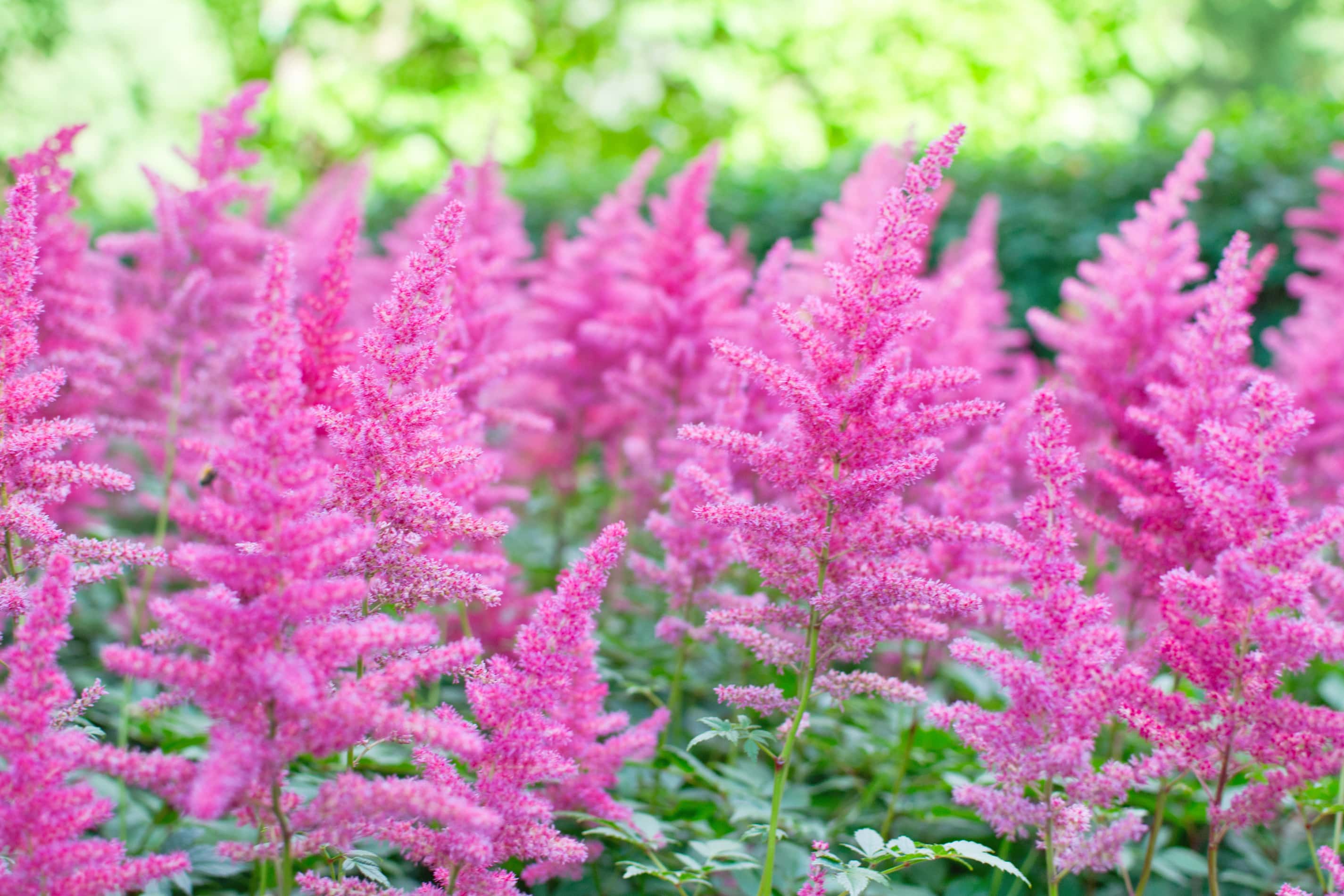
Astilbe, also known as False Goat’s Beard, is one of the few showy perennials that handles shade and shrugs off deer. The plumes fall squarely into the fuzzy-or-dry category that deer leave alone. Plant in dappled light, keep the soil moist, and pair with other shade-tolerant plants for a low-maintenance bed under trees. USDA Zones 3 to 8.
2. Hawthorn
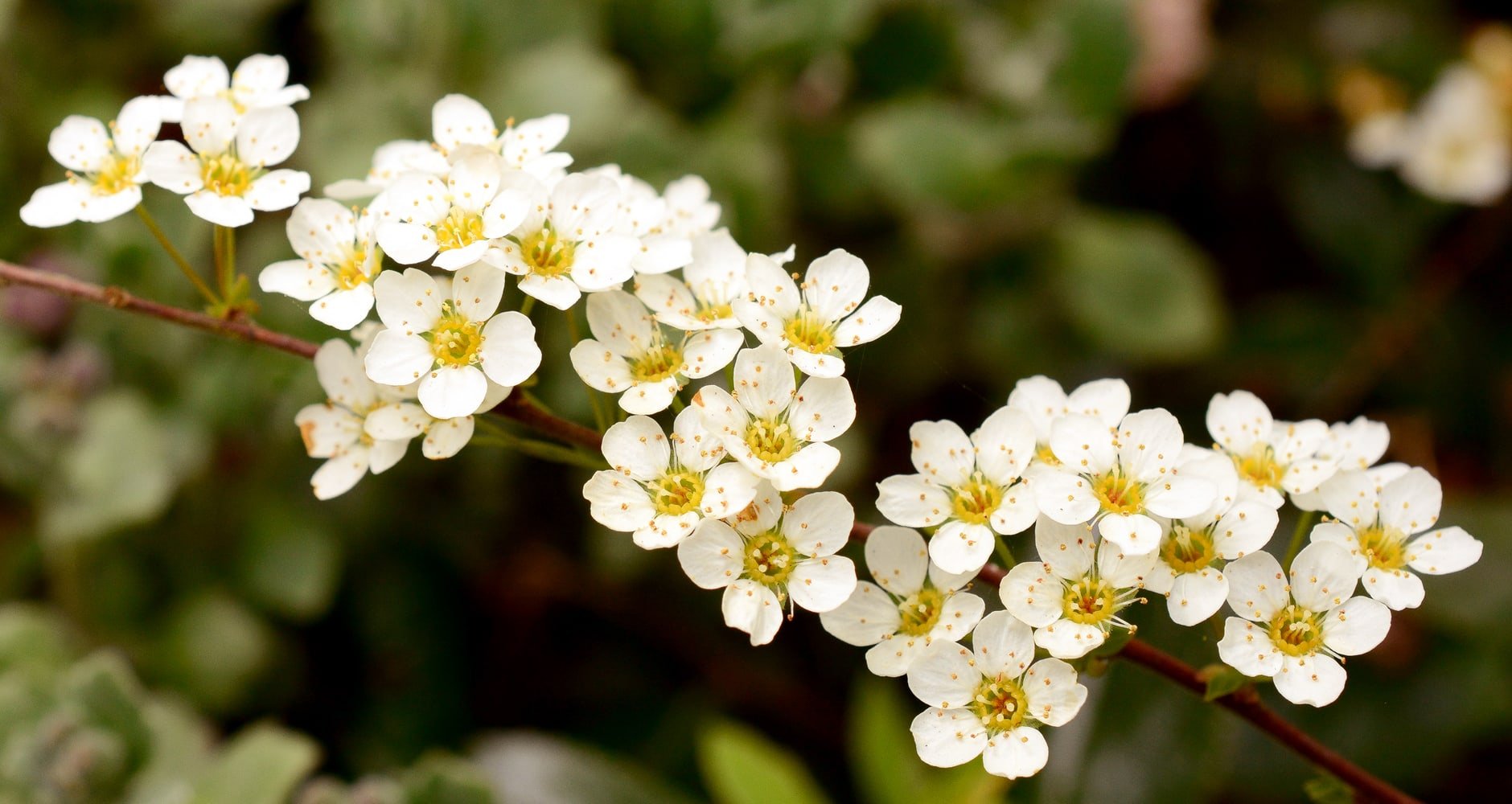
Hawthorns (Crataegus spp.) are small trees with attractive white blossoms in May and edible fruit by fall. There are some thornless cultivars, but most sport one-inch long thorns from the trunk and branches. Those thorns plus a mildly toxic compound in the leaves keep deer away. Hawthorns also pull double duty as a wildlife hedge and a nesting site for songbirds. USDA Zones 3 to 8.
3. Foxglove
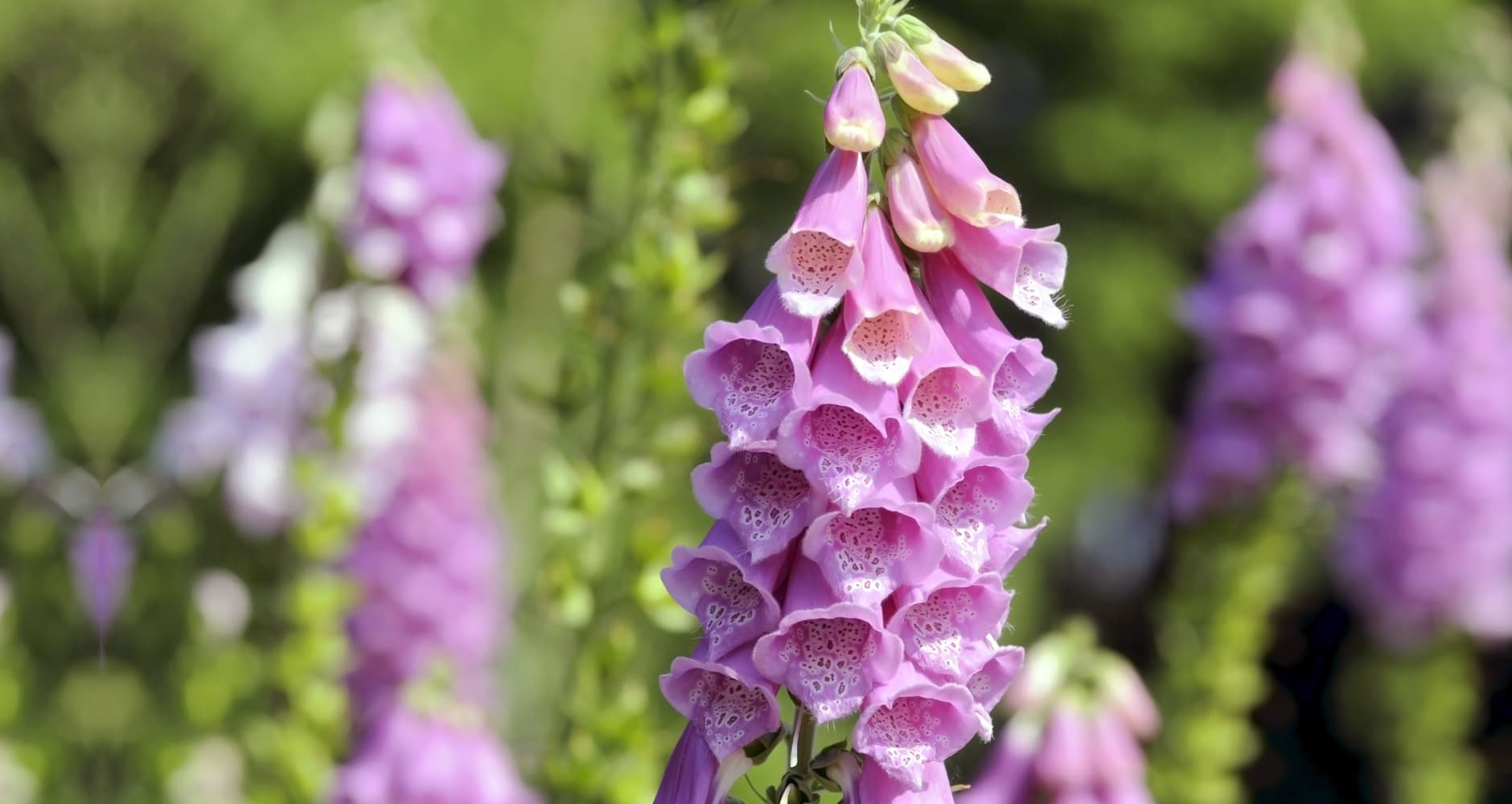
Foxglove (Digitalis spp.) has showy, tubular, often speckled blooms in shades of pink, white, cream, and purple. Several cultivars exist. Most foxgloves are short-lived biennials that may reseed themselves, and a few perennial varieties are now sold. All parts of foxglove plants are poisonous, which is why deer give them a wide berth. Keep them away from beds where small children or pets graze. Foxglove is a classic in cottage-style gardens. USDA Zones 4 to 9.
4. Monkshood
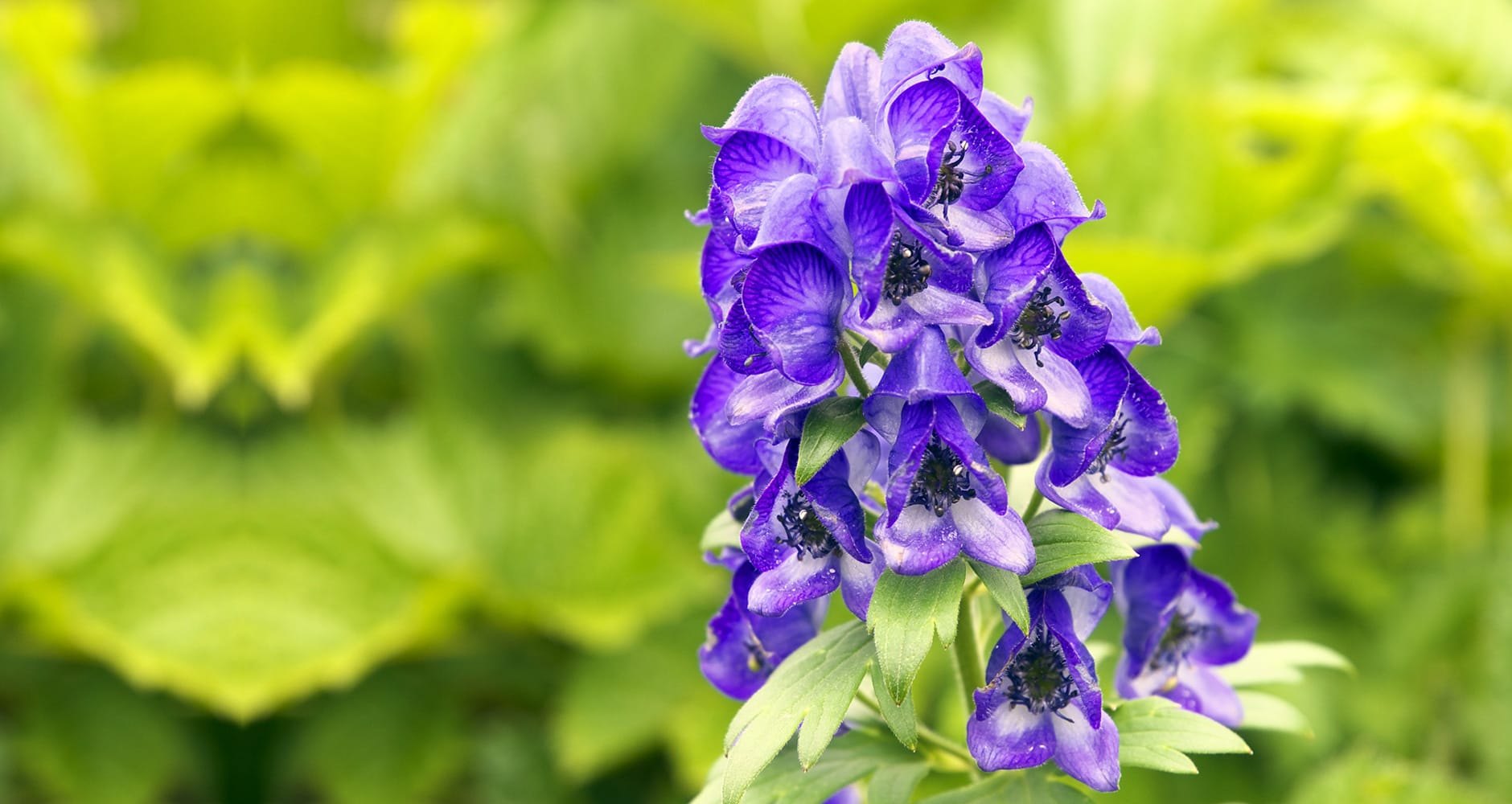
Monkshood (Aconitum napellus) is an attractive herbaceous perennial with dark purple blooms shaped like a monk’s cowl. The deadly poison from monkshood was used in ancient Greece and Rome on the tips of weapons such as javelins and darts. Wear gloves when handling, and skip this plant if you have curious pets or small children. The trade-off is a tall, dramatic late-summer bloom that deer will not touch. USDA Zones 3 to 7.
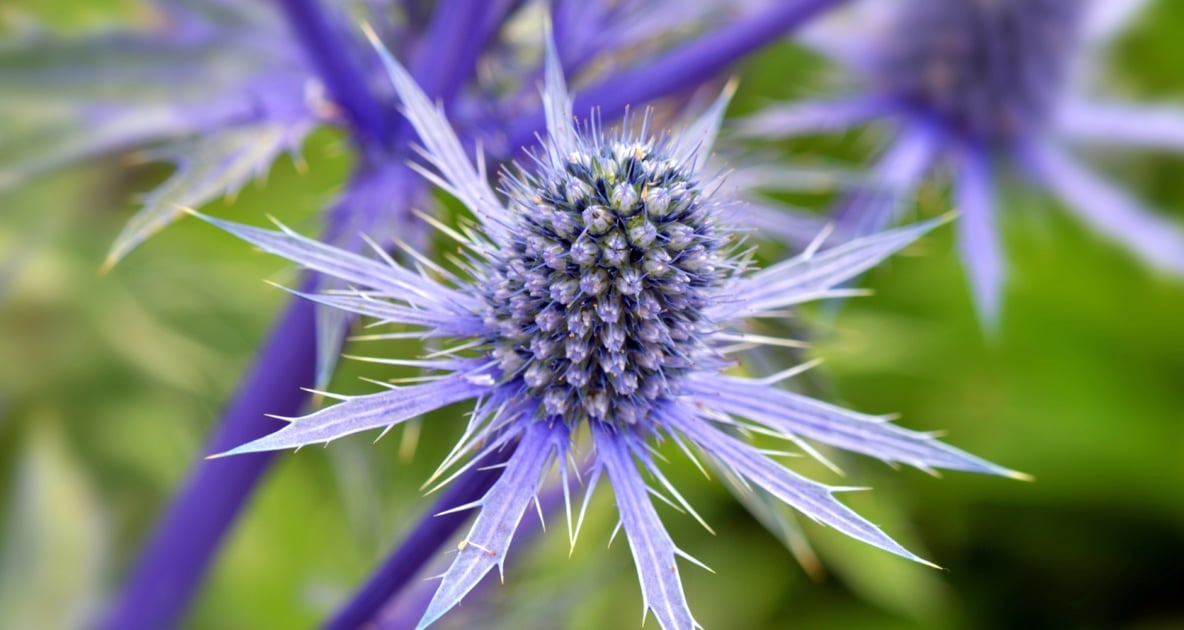
5. Sea Holly
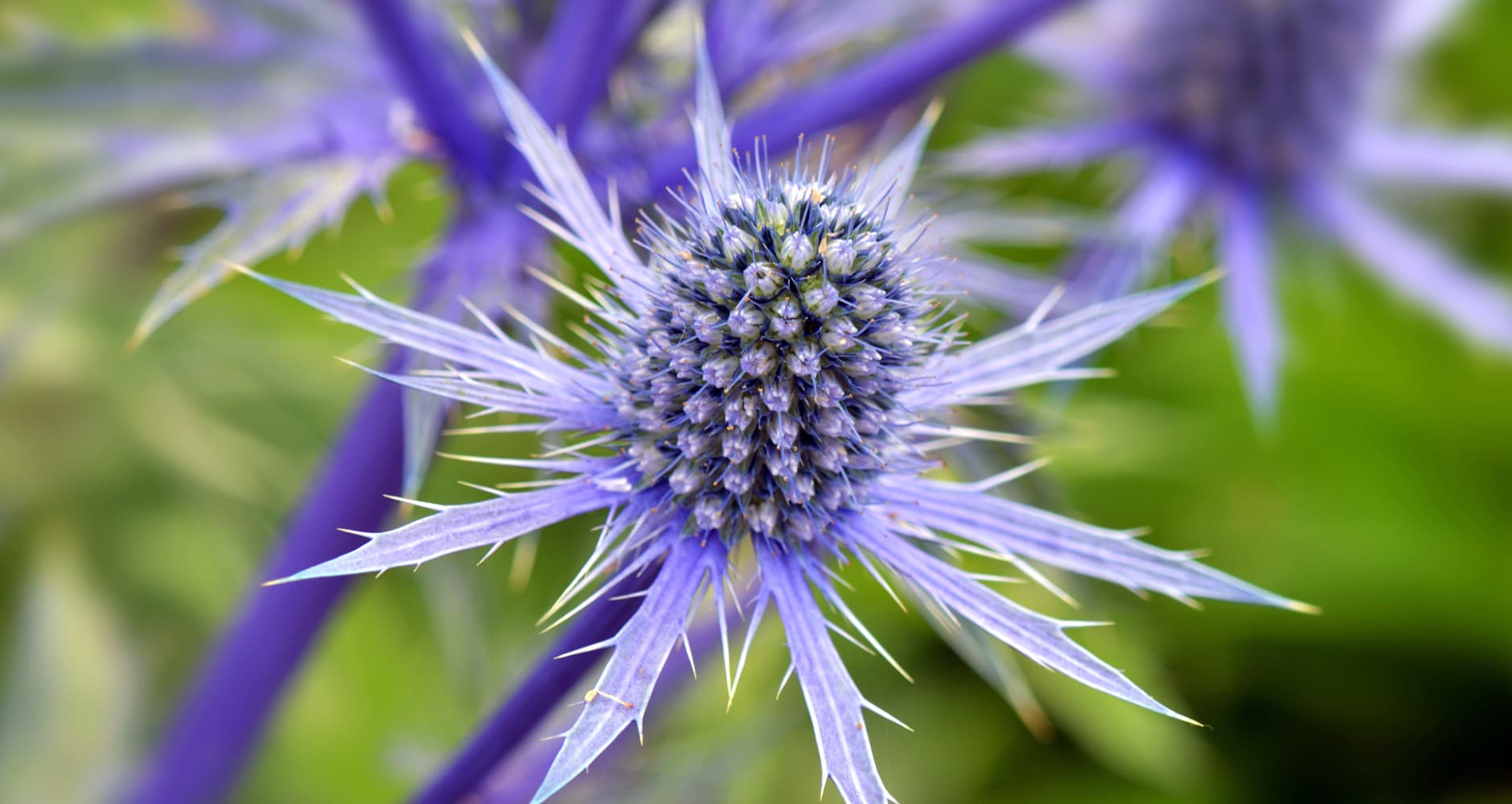
Sea Holly (Eryngium spp.) is often mistaken for globe thistle (Echinops spp., also a good deer-resistant pick). Sea holly is highly tolerant of drought and saline soils, which makes it a favorite for coastal and gravel gardens. While sea holly does not have true thorns, most cultivars are uncomfortably abrasive in texture, and deer pass it by. USDA Zones 4 to 8.
6. Lamb’s Ear
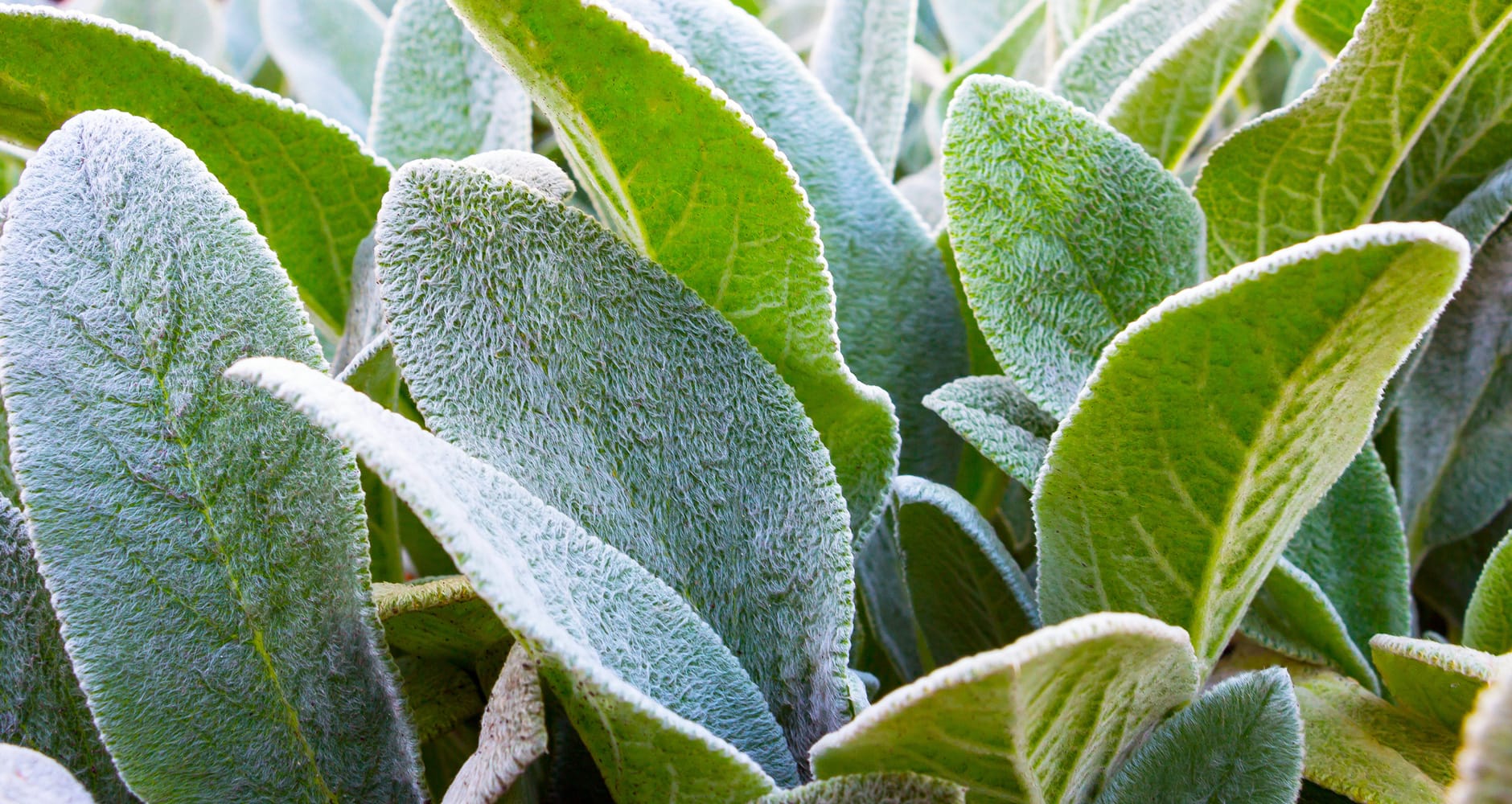
Lamb’s Ear (Stachys byzantina) is the opposite of abrasive. The leaves are as soft as sheep’s wool. Eating lamb’s ear is like eating a blanket, which is why deer tend to leave it alone. The soft, gray-green leaves are highly attractive in the garden, and the pink, short-lived blooms that are borne on tall, furry stalks are conversation-starting oddities. Lamb’s ear spreads, so site it as a border or ground cover. USDA Zones 4 to 8.
7. Cotoneaster
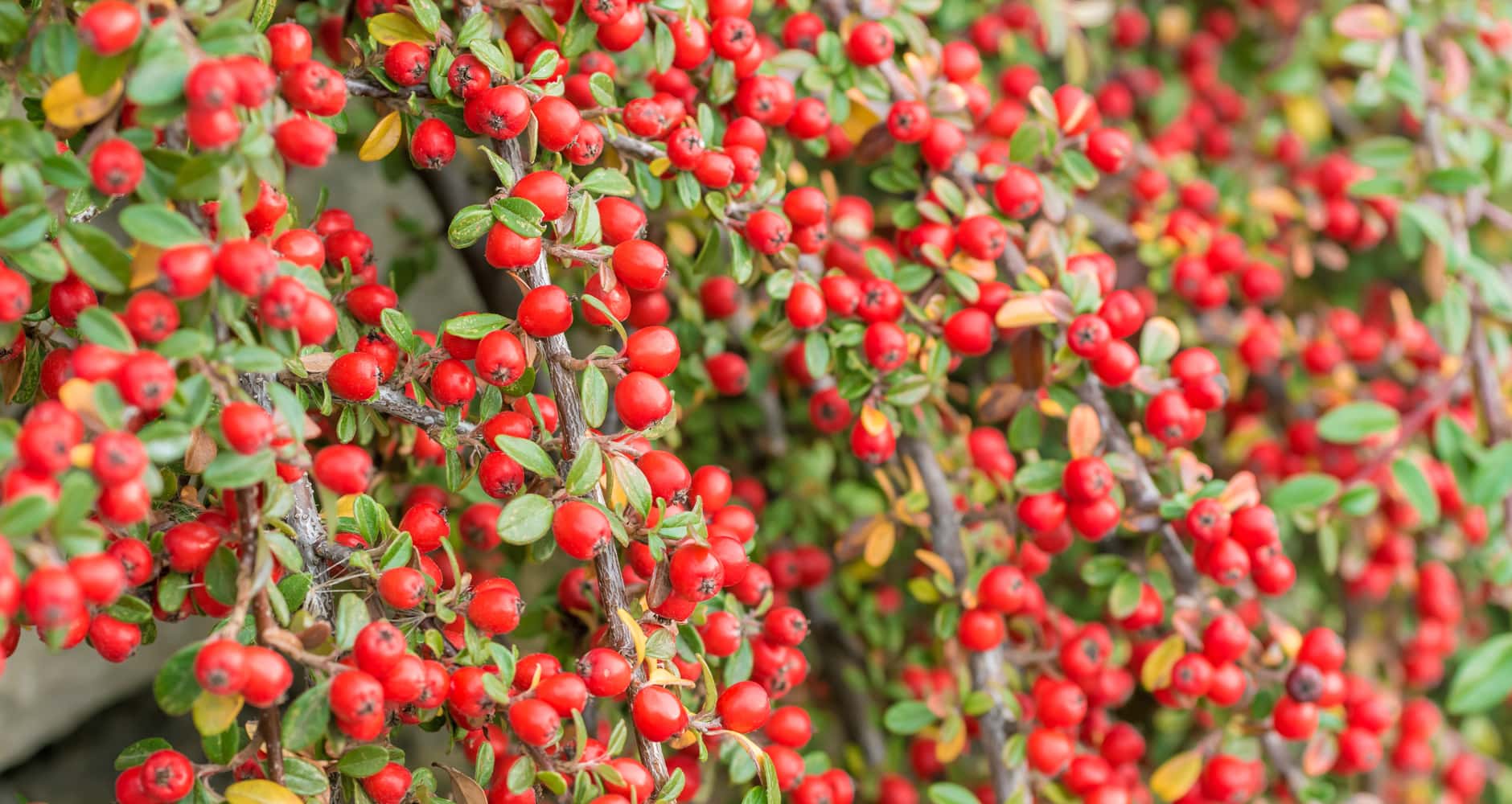
Cotoneaster (Cotoneaster spp.) is commonly used as hedging, but some species, such as rockspray C. horizontalis, are useful specimen plants in a low border. Small, leathery leaves are unpalatable, and the berries, while sometimes consumed by birds, are dry, not edible to humans, and not favored by deer. Cotoneaster works well as a structural plant in a mixed border. USDA Zones 4 to 7, depending on species.
8. Juniper
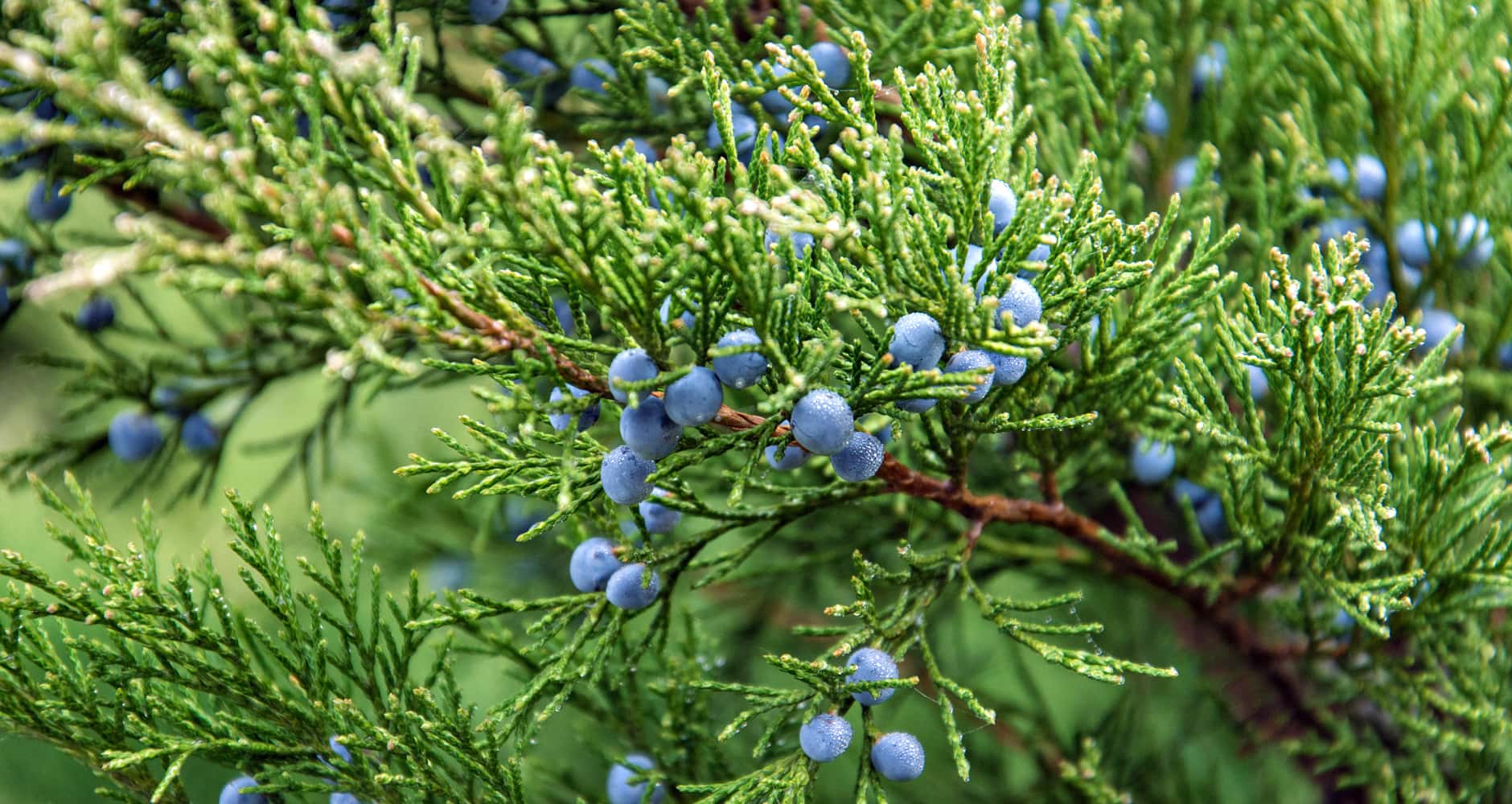
Juniper (Juniperus spp.) comes in both tall, upright, and low-growing groundcover varieties. The needles are sharp and the foliage is strongly scented and flavored, which is difficult for deer to gnaw on. Groundcover junipers range in color from yellow to green to blue and are an attractive choice for many types of landscapes. Junipers tolerate poor soil, drought, and cold. USDA Zones 3 to 9.
9. Chives
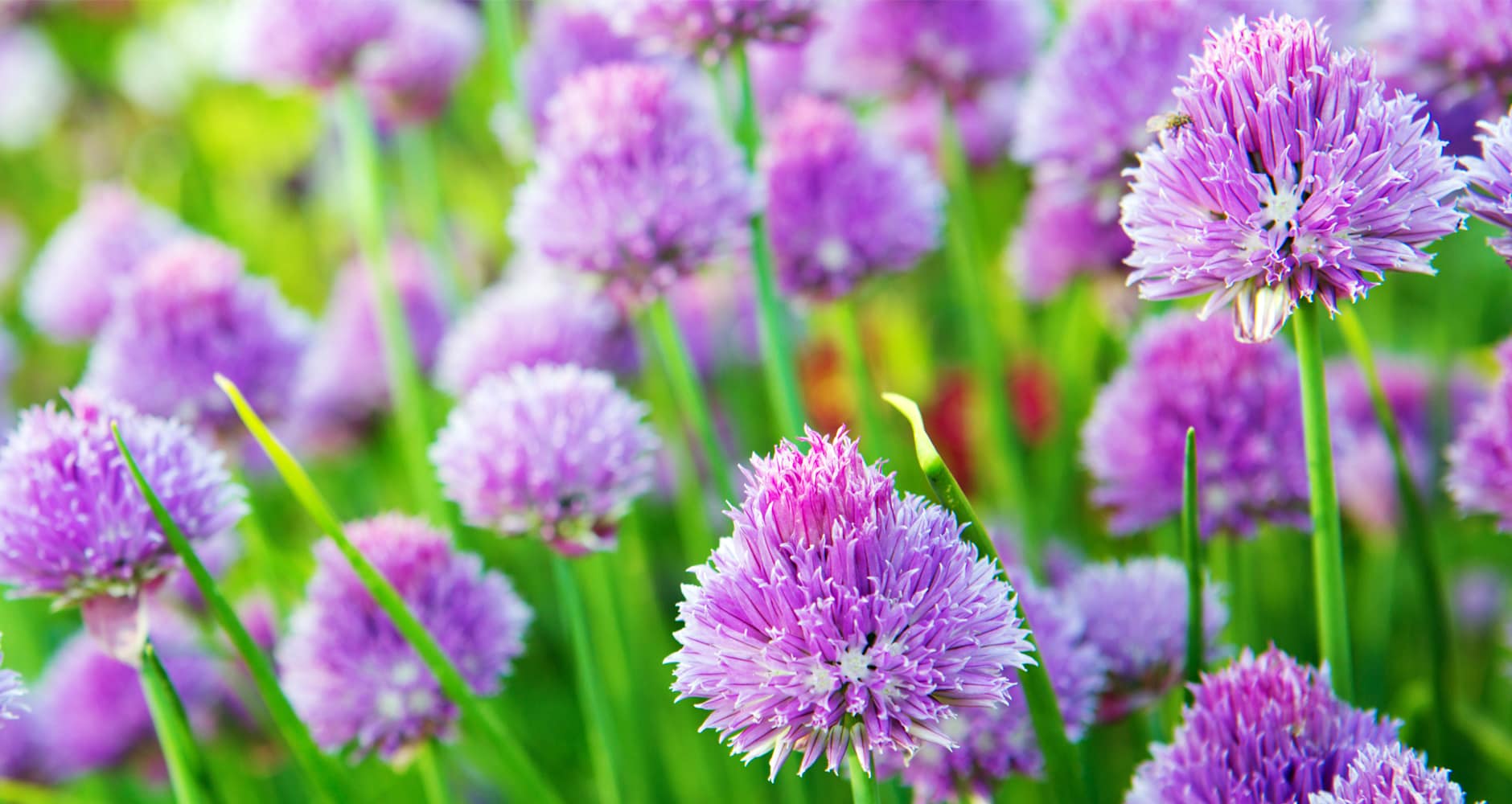
Chives (Allium schoenoprasum) have a propensity to reseed freely, but in a deer-resistant garden they are welcome selections when interplanted with other ornamentals or edibles. As a bonus, there are so many delicious dishes that use chives, from eggs to salads, and the flowers lend an onion-flavored zip to oils and vinegars. The whole Allium family, including garlic, onion, and ornamental allium, works the same way. USDA Zones 3 to 9.
10. Lavender
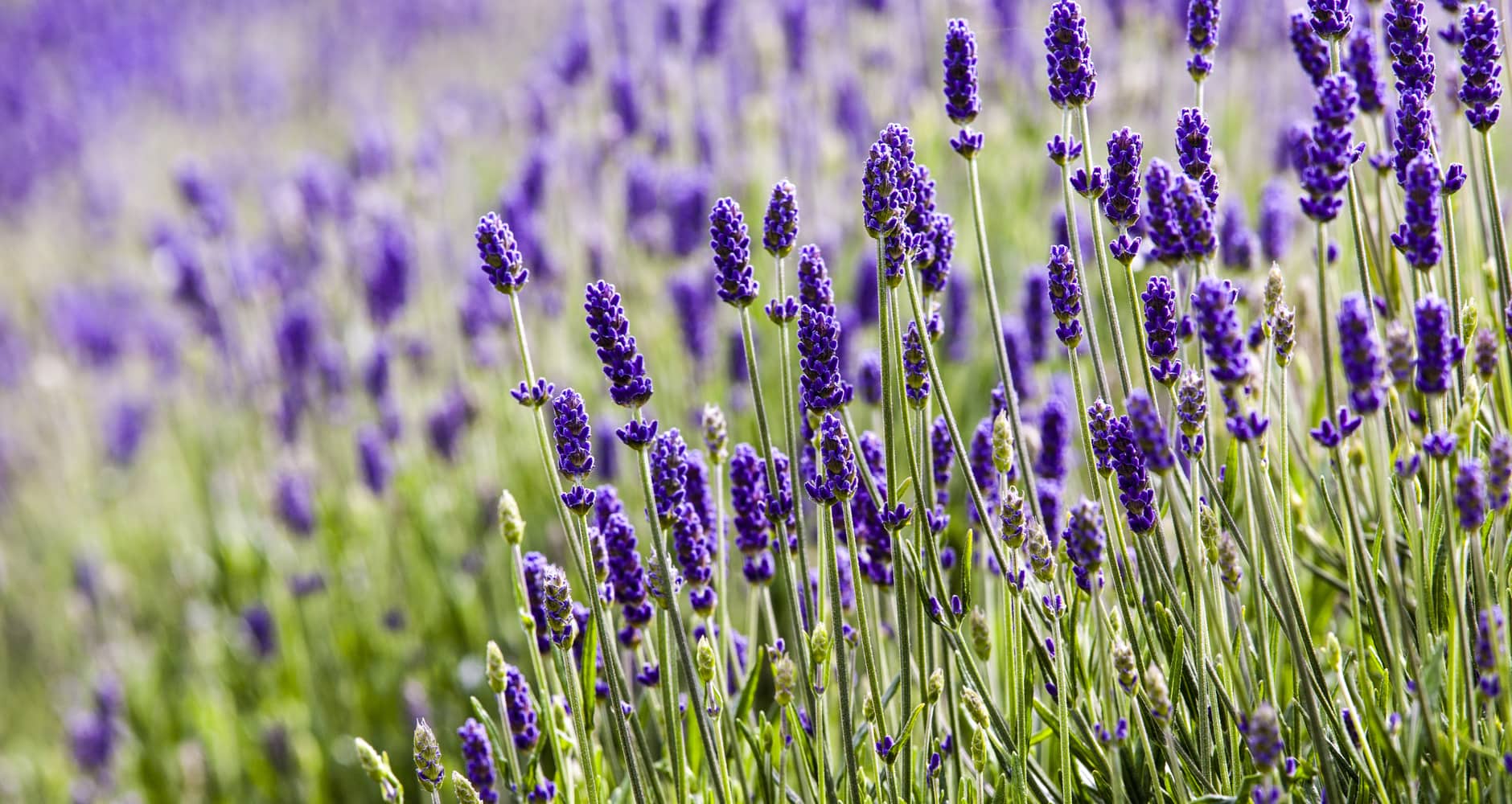
Lavender (Lavandula spp.) is a desirable scent for many gardeners, and it does not hurt that the plants are extremely beautiful as well, with stalks of deep purple flowers. Deer, however, will usually pass on this useful herb. English lavender (L. angustifolia) is the hardiest. Plant in full sun, well-drained soil, and resist overwatering. USDA Zones 5 to 9 for English types; Zones 7 to 10 for Spanish and French lavenders.
Regional Notes: What’s Truly Deer-Resistant in Your Region
Deer pressure is local. A plant that is rarely damaged in the Mid-Atlantic may be browsed regularly in the Pacific Northwest where different deer species and a wetter climate change the math. The list below pairs each region with the picks from this article that perform best, plus a regional swap or note from local cooperative extension experience.
| U.S. Region | Top Picks From This List | Regional Note |
|---|---|---|
| Northeast (Zones 3 to 6) | Astilbe, Foxglove, Lamb’s Ear, Juniper, Chives | Heaviest white-tail pressure. Layer fuzzy and scented plants together; pair with a perimeter of juniper. |
| Southeast (Zones 7 to 9) | Lavender (Spanish/French), Chives, Cotoneaster, Hawthorn | English lavender struggles in humidity. Use heat-tolerant Spanish or French types. Monkshood does poorly in long hot summers. |
| Midwest (Zones 3 to 6) | Astilbe, Lamb’s Ear, Juniper, Chives, Lavender | Cold-hardy picks dominate. Juniper and cotoneaster handle wind exposure on the Plains. |
| Southwest (Zones 7 to 10) | Lavender, Sea Holly, Juniper, Chives | Mule deer push browse pressure higher. Drought-tolerant aromatics work best. Skip foxglove in hot zones. |
| Pacific Northwest (Zones 6 to 9) | Astilbe, Foxglove, Lamb’s Ear, Juniper | Black-tail deer browse more aggressively. Combine plant choice with fencing or netting on young plants. |
| Canada (Zones 2 to 6) | Astilbe, Juniper, Chives, Lamb’s Ear, Cotoneaster | Cold-tolerant junipers and natives lead the list. Lavender needs winter protection north of Zone 5. |
For a deeper rating-by-rating list specific to your state, check your local cooperative extension. Rutgers NJAES publishes the most-referenced landscape deer-resistance ratings, which most university extensions cross-reference. Confirm your USDA plant hardiness zone before buying.
How to Plan a Deer-Resistant Bed
A list of plants is a start. A planted bed is the goal. Stack the deck this way:
- Layer scents and textures. Plant aromatic anchors (lavender, juniper, chives) along the perimeter where deer approach first. They lose interest before they reach the bed.
- Tuck the most tempting flowers behind. Put fuzzy and prickly plants out front and showier or younger plants behind.
- Pair with companion plants. See our companion planting guide for pairings that boost yields and confuse browsing pests.
- Plant by the moon and the last frost. Set perennials out on the right window. Check our soil temperature chart and Best Days calendar for timing.
- Protect young plants the first season. Even “rarely damaged” plants can get sampled when they are tender. A short fence, netting, or repellent for the first six weeks gets a perennial established.
Antler Rubs, Winter Browsing, and Other Edge Cases
Bear in mind that deer may sample young, tender foliage and flowers and leave mature plants alone. Trees can be subjected to antler rubbing rather than eating, which can do quite a bit of damage to bark and lower branches. A short wrap of chicken wire around the lower trunks resolves the rub problem on young trees.
Winter is the test. When snow covers the easy food, deer get less picky. A bed that is left alone in June can be browsed in February. The deer-resistant plants on this list still hold up better than tulips, hostas, or daylilies, but expect some sampling of even the strong-scented and prickly picks during a hard winter. Severe drought has the same effect in summer.

Frequently Asked Questions About Deer-Resistant Plants
What are deer-resistant plants?
Are deer-resistant plants truly deer-proof?
Which deer-resistant plant is easiest for beginners?
Will planting deer-resistant flowers stop deer from eating my whole garden?
Are deer-resistant plants safe for pets and children?
When should I plant deer-resistant perennials?
Does the Farmers’ Almanac long-range forecast affect deer pressure?
A Practical Close
Pick five plants from the list. Plant the strong-scented ones along the perimeter. Tuck the showier blooms behind. Protect young growth for six weeks with netting or a short fence. Then watch what the deer do. The list is a starting point. Your yard, your zone, and your local deer write the final rules.

Sheryl Normandeau
Sheryl Normandeau, BA, is a Master Gardener and writer from Calgary, Alberta, Canada. Her articles and short stories have appeared in several international publications. She is the co-author (with Janet Melrose) of the Guides for the Prairie Gardener series.
- Sheryl Normandeau

- Sheryl Normandeau
- Sheryl Normandeau
- Sheryl Normandeau


Allium and chives are great to tuck in around other plants that aren’t deer repellent. Their scent fends off deer. Also fertilizing your perennial garden with Milorganite keeps deer away. It works wonderfully – better than spray-on deer repellent. We toss Milorganite into the perennial garden bed every three months and the deer leave everything alone. Plus Hosta love it too. It makes them grow large and strong. If you use it on your lawn it helps prevent deer from coming on your property and it greens up the lawn also without burning it.
Hi Sally, interesting. We just looked it up and it seems like a great fertilizer!
I love my deer visits. They eat the crap outta my Pappy’s hostas though, lol
My dad told me deer, really like poison ivy.
Landen M. Rogers