

How to Get Rid of Love Bugs: 2026 Guide for Gulf-Coast Yards and Cars
Yech! Love bugs are in the air, in your home, and on your car. Try this "Love Bug Spray" and other natural solutions to get rid of these annoying (and gross) pests!
Quick Reference
- What works: homemade citrus dish soap and mouthwash spray, a freshly waxed car, a short-mowed lawn, ceiling fans on high indoors.
- When they swarm: late April or May, then again in September, peak heat of mid-morning to early afternoon.
- Where they swarm: from Texas to Florida, and as far north as North Carolina, with the heaviest swarms along the Gulf Coast.
- Recipe to memorize: 1 cup water, 3 tablespoons citrus dish soap, 3 tablespoons mouthwash, sprayed on plants and walls.
- Do not: reach for harsh insecticides. Love bugs are short-lived and feed beneficial soil ecology as larvae.
Love bugs are back. If you live anywhere from Texas to Florida, and as far north as North Carolina, you already know the drill. Late April or May, then again in September, the air fills with mating pairs and your windshield pays the price. They do not bite or sting. Their dense swarms splatter glass and can even clog radiator grills causing your vehicle to overheat. Here is how to get rid of love bugs without harsh chemicals, using a pantry-ingredient spray, a few yard fixes, and a car-cleaning routine that holds up against the swarm.
What Love Bugs Actually Are (And Why They Swarm)
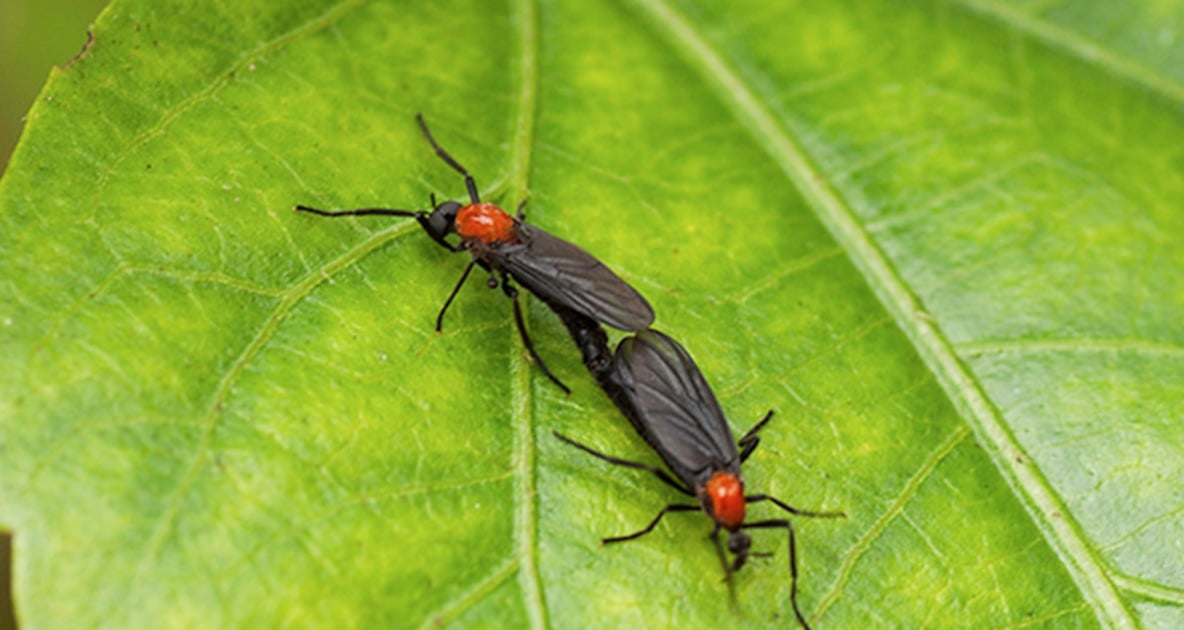
Before we get to how to get rid of love bugs, know what you are dealing with. Love bugs are Plecia nearctica, a small black fly with a red thorax that mates in flight. While “love” is in their name, many readers do not feel too amorous toward these creatures. According to the University of Florida’s Featured Creatures entomology guide, adults live four to five days. Their entire purpose is to mate and lay eggs in moist, decaying vegetation. The larvae spend the rest of the year underground, breaking down thatch and grass clippings, which is why they are useful in small numbers.
Two flights a year. The spring flight peaks in late April or May. The fall flight peaks in September. Both last about four to five weeks. Outside that window, you almost never see an adult. The University of Florida’s IFAS Extension publication on lovebugs traces their spread from Central America up through Texas and across the Gulf Coast over the last century.
Regional Breakdown: When to Get Rid of Love Bugs in Your Area
Love bug pressure follows heat and humidity. The closer you live to the Gulf, the longer and heavier the flights. Use this regional planner to figure out when to get rid of love bugs in your zone before the next swarm hits.
Hot, wet springs push the spring flight earlier and longer. Plan car washes, outdoor weddings, and porch repaints around the four to five week window for your zone. Our extended forecast can flag the early warmups that move the swarm forward by a week or two.

How to Get Rid of Love Bugs, Step by Step
Three fronts to fight on when you want to get rid of love bugs: inside the home, out in the yard, and on the car. Each works on its own. Together they cut a swarm down to a tolerable nuisance for the four to five weeks it lasts.
In the Home
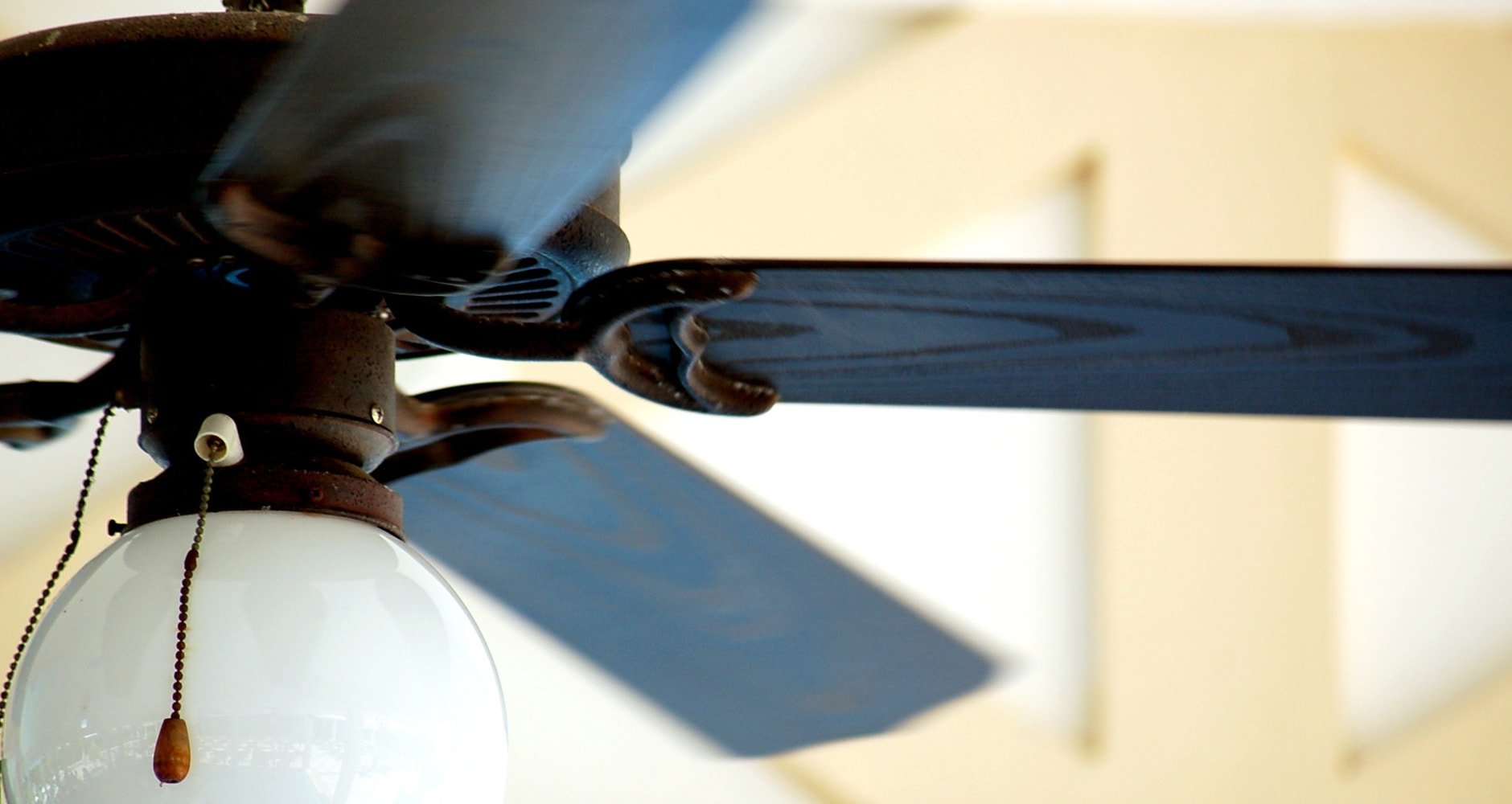
Some people have had success using ceiling fans to keep love bugs from flying into their homes. Turn the fan on high to keep them from finding a comfy place to land. Love bugs are weak fliers; even a box fan in an open doorway will push most of them back outside.
- Run ceiling fans on high during peak swarm hours (mid morning to early afternoon).
- Keep screens patched. Adults are about a quarter inch long and slip through tears.
- Vacuum any that make it indoors. They die within a day or two once trapped.
- Skip indoor bug bombs. Adults will not survive the week anyway.
Outside the Home
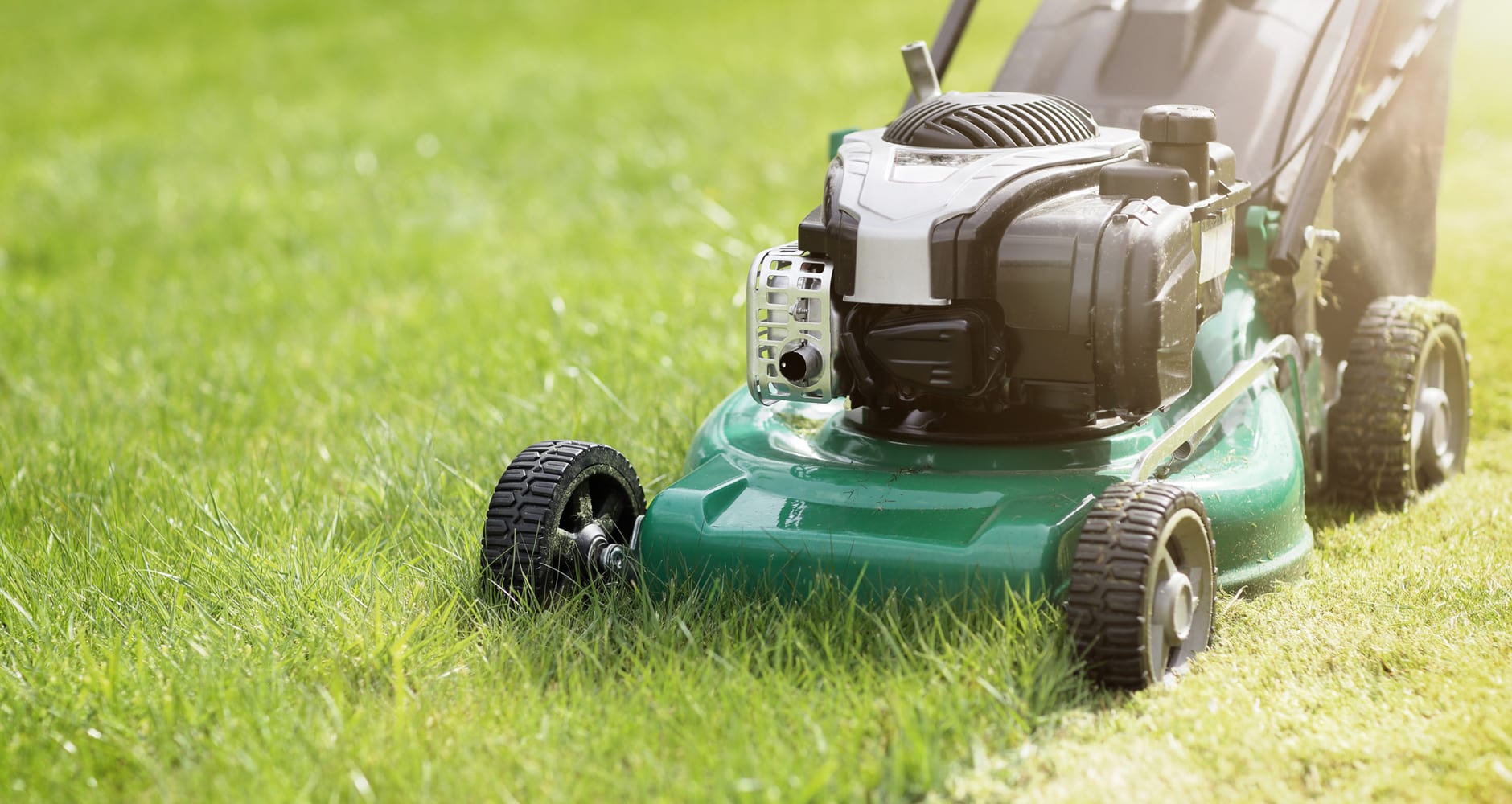
Keep your lawn mowed. Love bug larvae grow in thatch, so a mowed lawn reduces their breeding ground. Bag the clippings during the four weeks before each expected flight, and rake any thick mat of dead grass before the spring greens up.
- Mow short during March and April in Florida, May in the Panhandle and Georgia.
- Bag clippings to remove the moist decaying vegetation that lovebug larvae need.
- Avoid over-watering shaded lawn patches. Damp thatch is exactly what they breed in.
- Hold off on broad pesticide spraying. It also kills the beneficial insects that keep other pests in check; see our guide to natural bug repellents for safer options.
Keeping Them Off Your Car
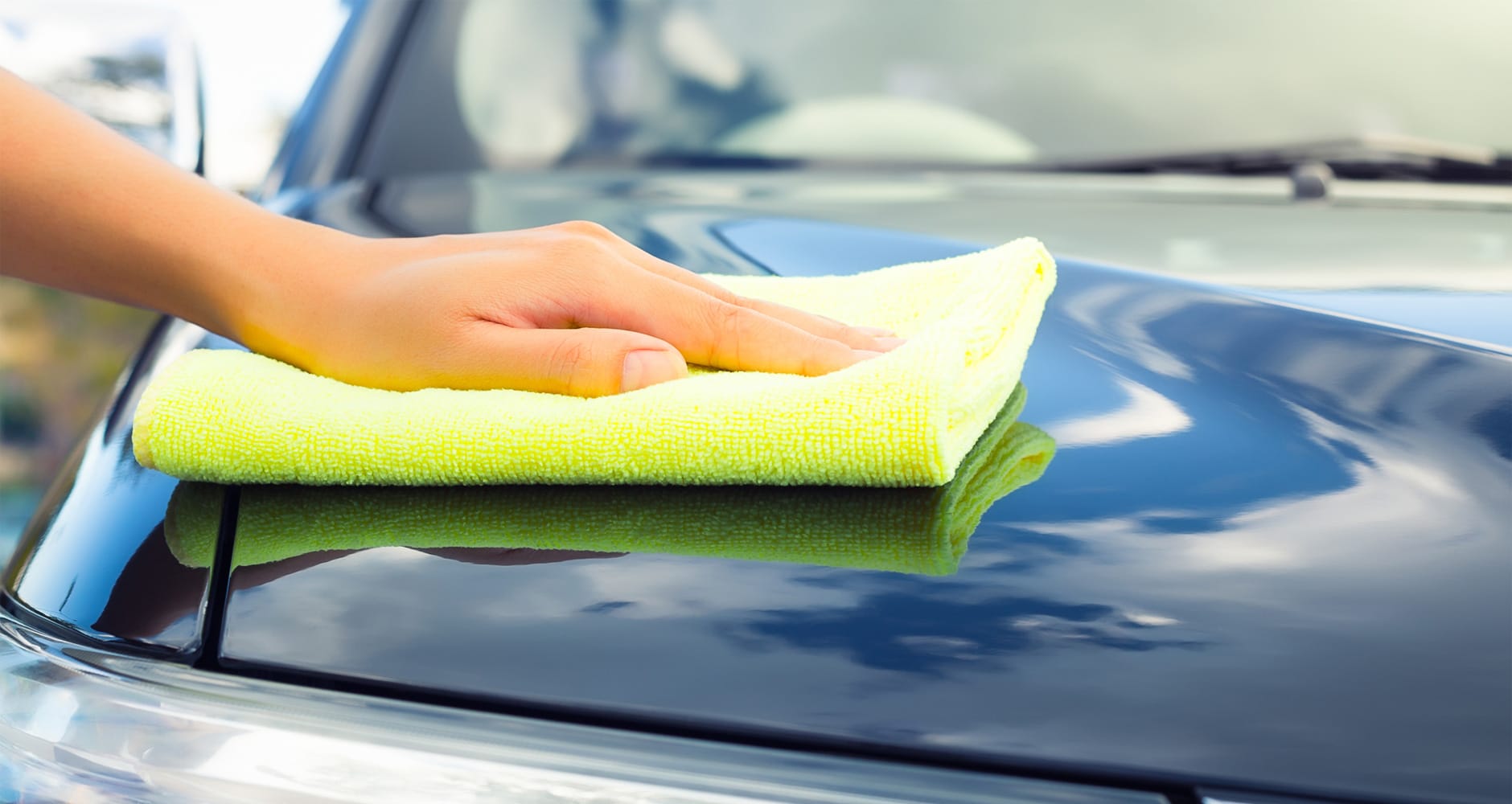
Wax your car right before their season begins. This will help reduce the effects of splattered insects as well as help prevent them from sticking to the paint. Lather a little baby oil or spray some cooking spray on your car’s hood and bumper. Wash frequently. This will help make the cleaning the bug residue easier. Wet dryer sheets also work well to wipe off any bugs that stick on your car. Try these other suggestions from expert Floridians for keeping your car love-bug-free.
- Wax the hood, bumper, and front grill in the two weeks before May (or before September for the fall flight).
- Wipe a thin layer of baby oil or cooking spray on the bumper for short trips through heavy swarms.
- Wash the car within 24 hours of a hit. Lovebug guts turn acidic as they dry and can etch clear coat.
- Use wet dryer sheets to lift dried-on bugs without scrubbing.
Fun Fact: The male love bug dies after mating and is dragged around by the female until she lays her eggs.
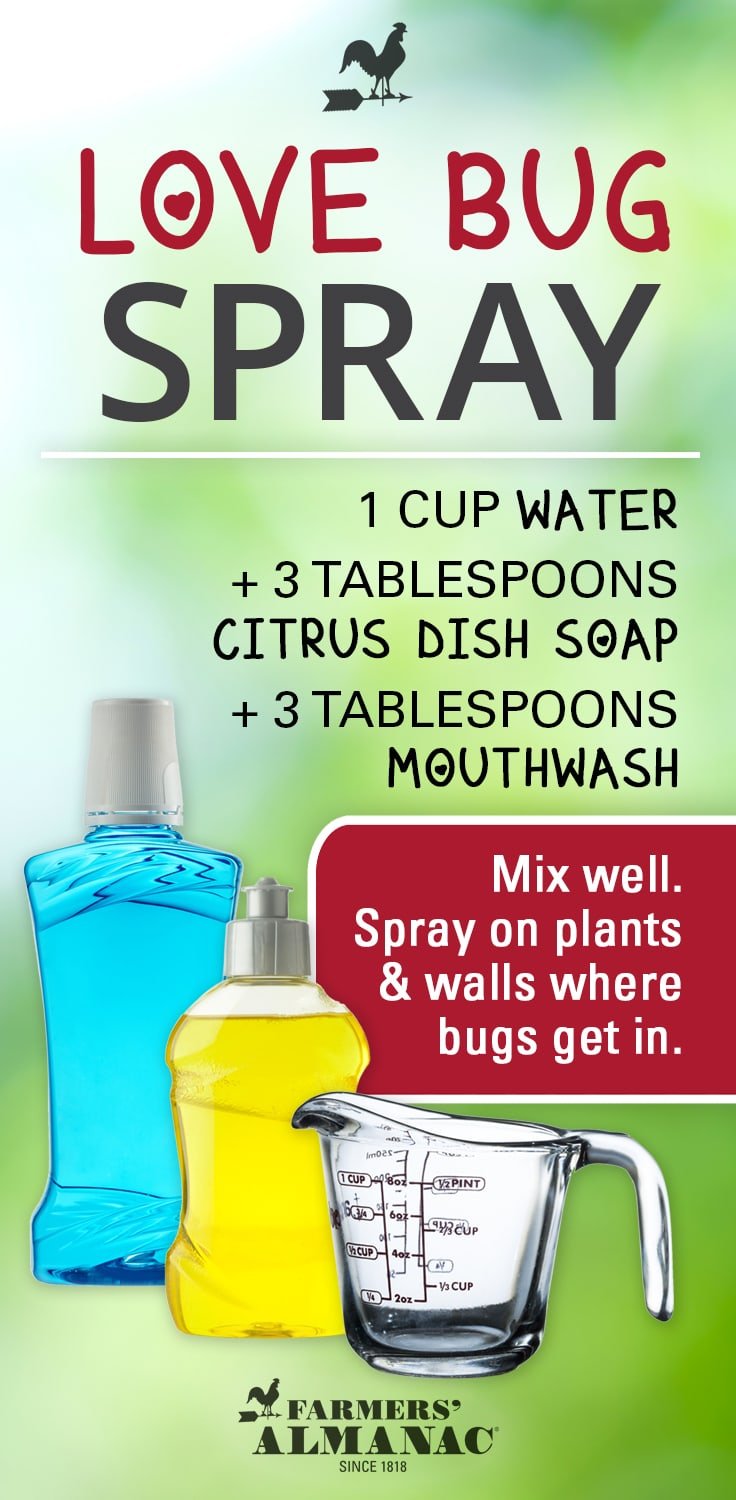
Love Bug Spray (The Pantry Recipe That Works)
This tried-and-true spray is known to effectively get rid of love bugs. And it uses ingredients you have right in your pantry.
1 cup water
3 tablespoons citrus dish soap
3 tablespoons mouthwash
Directions:
Combine ingredients in a spray bottle. Spray on plants and walls where love bugs are. Reapply after rain. The citrus oil in the dish soap is what breaks the bugs’ soft outer cuticle; the mouthwash adds a mild repellent scent. Test on one leaf first if you are spraying ornamentals, since concentrated dish soap can scorch tender foliage in full sun.
A Word on the Name, and the Folklore Around It
Older Florida readers will swear love bugs were “released by the University of Florida in a lab experiment gone wrong.” That story has been circulating since the 1970s. The University of Florida has spent decades correcting it. Love bugs migrated naturally from Central America through Texas and across the Gulf Coast. They were first documented in Louisiana in 1911 and reached peninsular Florida by the 1940s. The folklore is fun, but the entomology is older than the rumor. Treat the swarm like any other seasonal pest. Mark it on the calendar, prepare in the week before, and ride out the four to five weeks. That is how to get rid of love bugs without losing your sense of humor about them.
Your Annual Get-Rid-of-Love-Bugs Prep Calendar
- February to March: Rake winter thatch, check screens, top up car wax. This is the quiet window before the spring flight.
- Two weeks before flight (mid April Florida, early May further north): Mow short and bag clippings, mix a fresh bottle of love bug spray, wax the car.
- During the flight (four to five weeks): Run ceiling fans during peak hours, wash the car within a day of any heavy hit, reapply the spray after rain.
- August: Repeat the prep cycle ahead of the September flight.
- October onward: Pause. No adults, no swarm, no spraying needed.
Living with the swarm is mostly a calendar problem. Two flights, four to five weeks each, every year. Once you have the rhythm, the swarm shrinks from a “yech” emergency to a six-week chore that you handle with a spray bottle and a clean car. For more season-by-season pest timing, see our pests and bugs in the garden coverage.

Love Bug FAQ
What is the fastest way to get rid of love bugs on my car?
Wash within 24 hours of the hit, while the bug residue is still soft. Wet dryer sheets lift dried-on bugs without scrubbing the clear coat. A fresh coat of car wax before the May or September flight makes the next wash much easier and protects the paint from acidic residue.
Does the homemade love bug spray actually work?
Yes, on contact. The citrus oil in the dish soap breaks the bugs’ soft outer cuticle. Combine 1 cup water, 3 tablespoons citrus dish soap, and 3 tablespoons mouthwash, then spray on plants and walls where love bugs are clustering. Reapply after rain. Test on a single leaf first if you are spraying ornamentals.
When is love bug season in 2026?
Two flights a year. The spring flight peaks in late April or May. The fall flight peaks in September. Each lasts about four to five weeks. Central and South Florida usually see the earliest spring flight; eastern North Carolina sees the latest. Outside that window, you almost never see an adult.
Do love bugs bite or sting?
No. Love bugs do not bite or sting. They are harmless to people and pets. The real damage is mechanical: dense swarms splatter windshields and can clog radiator grills causing vehicles to overheat. Acidic residue can also etch automotive paint if left on for more than a day.
Were love bugs really created in a University of Florida lab?
No. That is a long-standing rumor the University of Florida has been correcting for decades. Love bugs migrated naturally from Central America, were first documented in Louisiana in 1911, and reached Florida by the 1940s. The folklore is fun, but the entomology pre-dates the rumor.
Should I spray pesticide on my whole lawn to stop them?
We would not. Adults live four to five days; broadcast spraying kills the beneficial insects that keep other pests in check, and the swarm ends before most pesticides finish working anyway. Mowing short, bagging clippings, and using the spot-spray recipe on the walls and plants where they cluster does more, with less collateral damage.


This article was published by the Staff at FarmersAlmanac.com. Any questions? Contact us at [email protected].
- Farmers' Almanac Staff

- Farmers' Almanac Staff

- Farmers' Almanac Staff

- Farmers' Almanac Staff




These are some nice suggestions, as well as using direct self-spray spray-on repellant and keeping the indoor areas attended-ly protected. I appreciate the less cancer-chopsey solutions in the country terrain areas, with that beautiful scenery.
I have “concocted” a mix that I use in my 20 gallon hose end sprayer that the wife uses to fertilize and water her flowers and it has knocked the swarms down drastically.
1/2 cup lemon dish soap
1 cup lemon ammonia
1/4 cup lemon juice concentrate
Enough water to finish filling the container.
Soak the area in the early morning and again in the late afternoon (We have a large area to spray that requires 3 or 4 concoction mixes). I sprayed ours for 3 consecutive days afterwards, one day a week and there is a HUGE difference. I can now sit on my porch and enjoy my coffee without being swarmed.
We hang 4 Sticky Fly Ribbons both front and back porch! In 24 hours they are full there are so many! I then change them in the evening when they have quieted down some!
If your having an issue with the bugs get a 5 gallon bucket of water. Pour a bottle of baby oil in it and place it about 50 feet away from the area that you have the issue. They are attracted to the baby oil and it will drawl them away from your house.
A Burgess propane fogger gets rid of the majority. Fog nightly with no breeze, or daily when they are active if your neighbors don’t mind. Also kills mosquitos.
How long did it keep them away
The love bug spray worked but the bugs kept on coming back and my back porch was filled with love bugs
Just saturated my outside pool cage with this mixture. As soon as it dried the little boogers came back. Got to find something stronger.
Get a large white plastic bowl fill half way with water add 1/4 cup of cooking oil. Set it away from your door on your porch. It will drown thousand that are attracted to the bowl. If you have chickens. Free protein..
Interesting! Thanks for sharing, Jody!
Tried this last fall; it did catch a hundred or so of the critters, but not enough to make a dent in the thousands that were congregating on our front porch, which happens to be painted bright white.
We even tried vacuuming them up, that also got rid of a few thousand, but they just kept coming back by the hordes!
I’m going to try this love bug spray because those things are ambushing my front porch
Did any of that work