

How to Grow Bell Peppers: Planting and Harvest Guide
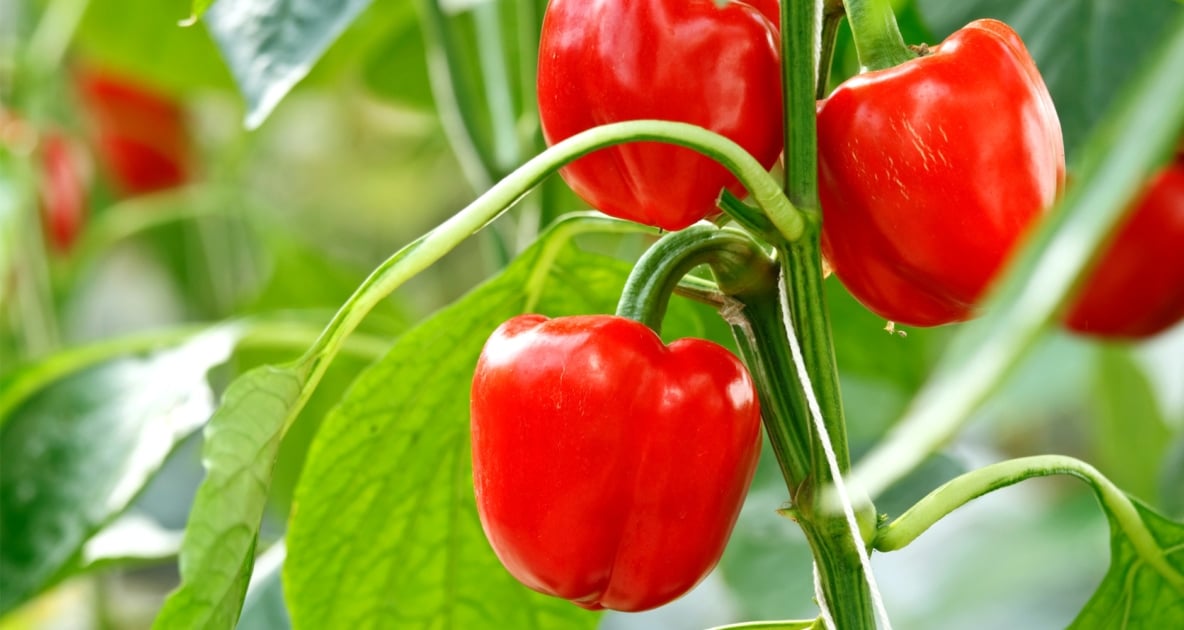
Quick Reference: Growing Bell Peppers
- Start seeds: indoors 8 to 10 weeks before your last spring frost, planted 1/4 inch deep. Seedlings emerge in 10 to 21 days.
- Plant out: only after all danger of frost, when the soil is warm. Bell peppers are a warm-season crop.
- Spacing: 18 inches apart in rows 2 to 3 feet apart.
- Soil and light: loose soil, pH 5.8 to 6.5, in full sun. Water 1 to 2 inches per week.
- Harvest: green peppers in about 60 to 70 days, or wait for them to ripen red, orange, or yellow for fuller flavor.
- Best Days by the Moon: peppers fruit above ground, so plant during the light, or waxing, of the Moon.
Peppers come in a plethora of varieties and are cultivated all over the world. One of the most popular and versatile is the big, sweet bell pepper. They are a warm-season crop that loves heat and sunshine, which makes the 2026 growing season a fine time to set a few plants by the back step or in the garden row. Here is how to start them from seed, keep them happy through summer, and harvest a steady supply of crisp peppers, whether you let them stay green or wait for them to ripen sweet and red.
How To Plant Bell Peppers
Bell peppers like a long, warm season, so most gardeners get a head start indoors. The University of Minnesota Extension has a plain-English guide to growing peppers if you want to confirm the timing and care for your own ground. Here is the short version, step by step.
Start: Start seeds indoors 8 to 10 weeks before last frost. Plant 1/4 inch deep in seed starting soil. Keep seeds moist and warm until they emerge in 10 to 21 days. Place in a warm sunny window or under grow lights. Place outside in a sheltered area for one week before planting to harden off. Plant 18 inches apart after all danger of frost in rows 2 to 3 feet apart.
Water: Water regularly. Peppers need 1 to 2 inches per week but be careful as peppers are very susceptible to overwatering. If your peppers have yellow wilting leaves you may want to let them dry out for a day or two.
Soil: Peppers have shallow root systems, so a loose soil will help their roots spread. Aim for a soil pH of 5.8 to 6.5. Because the roots sit near the surface, peppers also do best when the soil has warmed through, which is one more reason to wait until frost is well past before setting plants out.
Light: Full sun.
Fertilize: Use a balanced, all-purpose fertilizer to maintain soil nutrients. Follow the manufacturer’s instructions.
Harvest: Peppers can be harvested at any time, but will be most flavorful and nutritious when allowed to reach full maturity. Most bell varieties are ready to pick green about 60 to 70 days after transplanting. Leave them on the plant longer and the same green pepper will ripen to red, orange, or yellow, growing sweeter as it changes color. Use a sharp knife or shears to cut the pepper from the plant with a small amount of the stem left. Bell peppers not being used immediately can be cut up and frozen.
Notes: Mulch pepper plants with black mulch or black plastic ground cover. This will help retain moisture and help to keep the soil warm which will promote rapid growth.
Gardening by the Moon for Peppers
Bell peppers form their fruit above the ground, which puts them in the company of beans, tomatoes, and squash rather than the root crops. Traditional Gardening by the Moon wisdom says to plant above-ground crops during the light, or waxing, of the Moon, when the old timers believed the rising moisture favored leafy, fruiting growth. Root crops like potatoes and carrots go in during the dark, or waning, of the Moon.
- Bell peppers fruit above ground. Favor the light of the Moon for planting.
- The Gardening by the Moon Calendar lists this month’s Best Days to plant above-ground crops in your area.

When to Plant Bell Peppers by Region
Peppers will not tolerate frost, and they sulk in cold soil. The trigger to plant out is warm, settled weather after your last spring frost, so the calendar date shifts with your region while the rule stays the same.
| Region | Average last spring frost | When to set out peppers |
|---|---|---|
| Deep South and Gulf Coast | Late February into March | March |
| Mid-South and Southern Plains | Mid to late March | Late March into April |
| Mid-Atlantic and Ohio Valley | Mid to late April | Early to mid May |
| Midwest and Great Lakes | Early to mid May | Mid to late May |
| Northeast and New England | Mid to late May | Late May into early June |
| Mountain West and Pacific Northwest | Mid May into early June | Late May into June |
In Canada, gardeners in British Columbia and southern Ontario usually transplant in late spring, while the Prairies, Quebec, and the Maritimes wait until early summer once frost is well behind them. In every region the same rule applies: warm soil, no frost in the forecast, and a sunny spot.
Common Bell Pepper Problems
Bell peppers are forgiving plants, but a few troubles turn up often enough to know by name. The most common is blossom-end rot, a sunken brown or black patch on the bottom of the pepper. It is not a disease and not a bug. It is a calcium problem, usually brought on by uneven watering that keeps the plant from moving calcium up into the fruit. Keep the soil evenly moist, mulch to hold that moisture, and avoid the swing from bone dry to soaked that sets it off.
Watch also for yellow, wilting leaves, which often mean too much water rather than too little. Let the plants dry out for a day or two before watering again. Sunscald, a pale papery patch on peppers exposed to harsh afternoon sun, eases up once the plant fills out with leaves to shade its own fruit.
Companion Plants for Bell Peppers
Bell peppers share a bed nicely with plenty of neighbors. Onions, carrots, basil, and marigolds are traditional friends, and basil in particular is said to improve a pepper’s flavor while helping with pests. Keep peppers away from fennel, and give them a little distance from beans. For a fuller pairing chart, see our companion planting guide.
Helpful Bell Pepper Links
Farmer’s Almanac Gardening By the Moon Calendar
Companion Planting: 10 Veggies That Should Grow Together
10 Easiest Fruits, Vegetables, and Herbs to Grow in Pots
Bell Pepper Recipes
Once the baskets fill up, peppers earn their keep in the kitchen. A couple of our favorites put them front and center.
Black Bean Salad With Corn, Red Peppers, and Cilantro-Lime Vinaigrette
10 Secrets to Healthier Chili

Growing Bell Peppers: Frequently Asked Questions
When should I plant bell peppers?
Start seeds indoors 8 to 10 weeks before your last spring frost, then transplant outside only after all danger of frost has passed and the soil has warmed. Bell peppers are a warm-season crop and will not tolerate cold ground, so a Southern garden may set plants out in early spring while a Northern one waits until late spring or early summer.
How far apart should bell peppers be spaced?
Plant bell peppers 18 inches apart in rows 2 to 3 feet apart. They have shallow roots, so loose soil with a pH of 5.8 to 6.5 helps the roots spread, and full sun keeps the plants productive.
How long do bell peppers take to grow?
Most bell varieties are ready to pick green about 60 to 70 days after transplanting. If you leave them on the plant longer, the same green pepper ripens to red, orange, or yellow and grows sweeter as it changes color. Seeds started indoors emerge in 10 to 21 days before that clock even begins.
Why do my bell peppers have a black spot on the bottom?
That sunken brown or black patch is blossom-end rot. It is a calcium problem rather than a disease or pest, usually caused by uneven watering that keeps the plant from carrying calcium up into the fruit. Keep the soil evenly moist, mulch to hold that moisture, and avoid swinging from bone dry to soaked.
Why are my pepper leaves turning yellow?
Yellow, wilting leaves on a pepper plant usually mean too much water, not too little. Peppers need only 1 to 2 inches per week and are very susceptible to overwatering, so let the plants dry out for a day or two before watering again.
Does planting peppers by the Moon really work?
Gardening by the Moon is a traditional planning method, not a guarantee. Bell peppers fruit above ground, so the old rule is to plant them during the light, or waxing, of the Moon. Direct scientific proof is limited, but generations of gardeners have used the calendar to time their work, and it costs nothing to try it alongside warm soil and good timing.


This article was published by the Staff at FarmersAlmanac.com. Any questions? Contact us at [email protected].
- Farmers' Almanac Staff

- Farmers' Almanac Staff

- Farmers' Almanac Staff

- Farmers' Almanac Staff


How to make tomatoes produce