

Christmas Pepper Plant Care and Holiday History Guide
These festive holiday chili pepper plants were once more popular than poinsettias. Learn more!
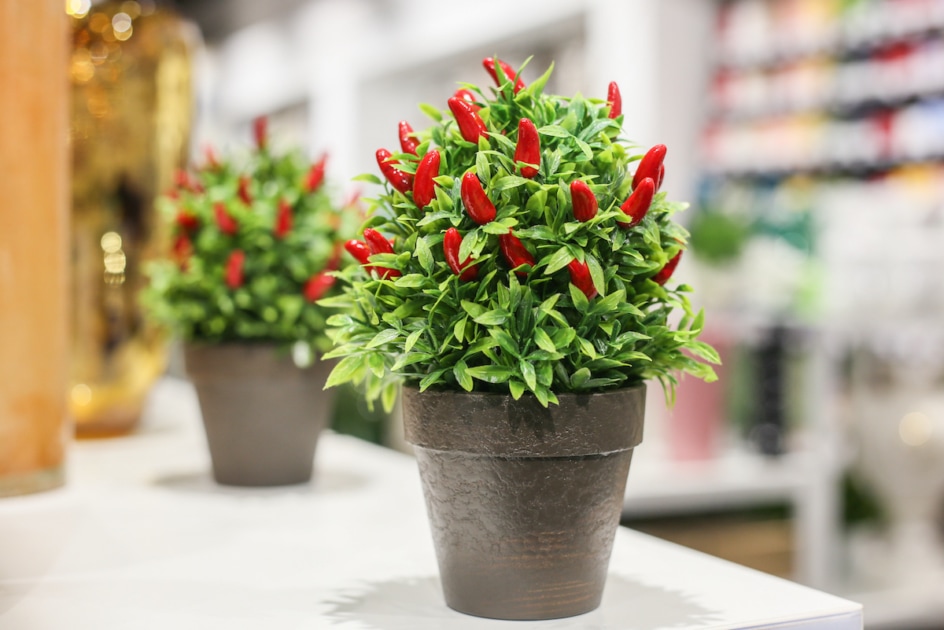
Quick Reference: Christmas Pepper Plant
- What it is: an ornamental chili, Capsicum annuum, grown indoors for its bright red, orange, and yellow fruit.
- Light: an east or west facing window, about two to four hours of direct sun a day.
- Water: keep the potting soil moist but never soggy.
- Grown as: an indoor annual, repotted every year or two, colorful for several weeks to months.
- Edible? Technically yes, but not recommended, and never confuse it with the toxic Jerusalem cherry.
A Christmas pepper plant lights up a windowsill with tiny red, orange, and yellow fruit just when the winter garden has gone quiet. These colorful little chili plants were once an even more popular Christmastime gift than the poinsettia, and they ask for very little in return. This 2026 holiday season, here is what the plant is, where it came from, how to keep it thriving indoors, and whether those cheerful peppers are safe to eat.
What Is a Christmas Pepper Plant?
The Christmas pepper plant is a chili pepper grown indoors as an annual. It has low sunlight needs, wanting only about two to four hours of direct light a day in an east or west facing window, and it rewards you with a profusion of fruit that ripens through shades of pale green, yellow, orange, and red. Set the red peppers against the deep green leaves, note that the fruit is shaped a bit like old-fashioned Christmas lights, and you have a plant that looks made for the season.
RELATED: Why are Christmas colors red and green?
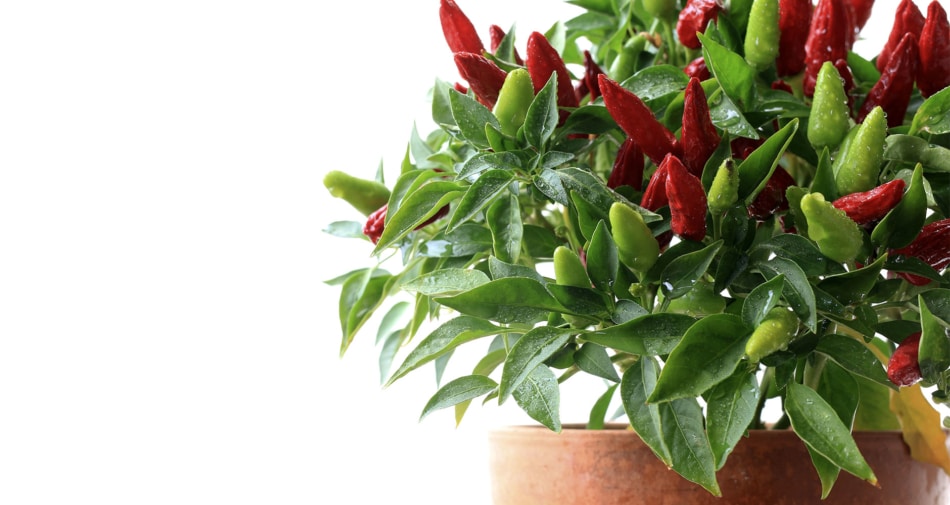
One note before you shop. Many ornamental pepper plants carry the name “Christmas pepper,” so to find a true one, look for the scientific name Capsicum annuum on the tag. That is the same species as the sweet bells and hot chilies in the vegetable garden, just bred small and showy for a pot.
Where Did They Come From?
Peppers have been used as decoration since at least the 16th century, when Europeans grew them as ornamental plants rather than food. By the 20th century, Christmas peppers had become a fixture of holiday displays alongside the Jerusalem cherry and the poinsettia.
RELATED PRODUCTS: Holiday Plant Gift Guide
So why are Christmas peppers less common today? It likely has something to do with the way poinsettias cornered the potted-plant market. In the early to middle 20th century, the Ecke family of Los Angeles put serious effort into breeding new poinsettias that were sturdier and longer lasting, then promoted them hard until they became the holiday plant we know today. Christmas peppers got no such push and quietly fell by the wayside.

Christmas Pepper Plant Care Tips
Those modest light needs, just two to four hours of sun a day, are exactly what make the Christmas pepper plant such an easy houseplant, especially in winter when daylight is short. Beyond light, the plant asks for little. Keep the potting soil moist but not soggy, use an ordinary potting mix, and repot only every year or two as the roots fill the pot. Leave the peppers on the plant and they will hold their color for several weeks to months.
A few more habits keep the plant looking its best. Water when the top inch of soil feels dry, then let the excess drain away so the roots never sit in water. Average room temperature suits it, roughly 65 to 75 degrees, kept away from cold drafts and the hot, dry air of a heat vent. A balanced houseplant fertilizer every few weeks while the plant is fruiting keeps new peppers coming. The NC State Extension guide to Capsicum annuum confirms it grows well in a container given bright light and steady, moderate moisture.
Keeping Your Christmas Pepper Year to Year
Most people treat a Christmas pepper as a one-season annual and toss it once the fruit fades. You do not have to. Capsicum annuum is really a tender perennial, so the same plant can carry over for another year if you keep it warm and lit through winter. Move it to your brightest window, ease off the watering while growth slows, and prune any leggy stems in late winter to bring back a bushy shape.
Getting a fresh flush of peppers takes one extra step. The plant flowers first, and indoors there are no bees to move pollen. Dab a small, soft brush from flower to flower every day or two, or set the pot outside once nights stay above 55 degrees and let the insects do the work. Feed lightly when new growth appears and you can enjoy the same plant for several holiday seasons.
- Peppers are an above-ground, fruiting crop. Traditional wisdom favors sowing seed in the light, or waxing, of the Moon.
- The Gardening by the Moon Calendar lists this month’s Best Days to start above-ground crops in your area.
Can You Eat the Peppers?
The short answer is yes, but with caution, and it is not really recommended. Some plants sold as Christmas peppers turn out to have little flavor at all, while true Christmas peppers can be genuinely hot. The bigger concern is telling the plant apart from its lookalikes. Do not confuse it with the Christmas cherry, also called the Jerusalem cherry, which produces toxic fruit. The easiest way to tell them apart is the shape of the fruit: Jerusalem cherries are round, more like a small cherry tomato, while a true Christmas pepper is pointed like the chili it is.
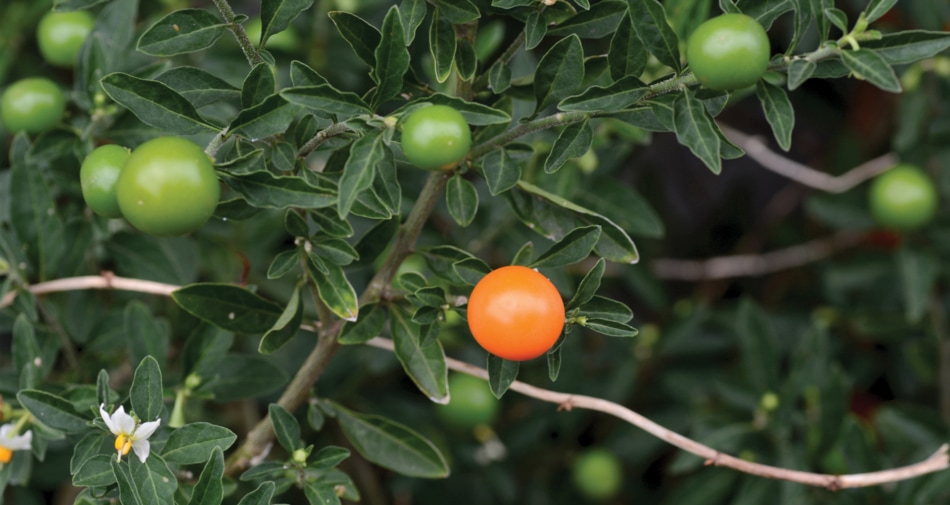
The caution is worth taking seriously. NC State Extension lists the Jerusalem cherry, Solanum pseudocapsicum, as poisonous to people and pets, so keep any berried lookalike out of reach of children and animals. When in doubt, treat the fruit as decoration only and do what is best for your household.
RELATED: Holiday Plants: How Safe Are They?
Where to Buy
You can find Christmas pepper plants at almost any home and garden center or greenhouse during the holiday season. You can even order them online and have one delivered as a gift.
Will these spicy darlings ever make a comeback? Only time will tell, of course, but one thing is certain. Even if poinsettias and other plants overshadow them, these cheerful little peppers will always have a place in holiday decor.

Join the Discussion
Have you grown a Christmas pepper plant, or given one as a holiday gift? Share your experience with your community in the comments below.
Christmas Pepper Plant: Frequently Asked Questions
What is a Christmas pepper plant?
A Christmas pepper plant is an ornamental chili, Capsicum annuum, grown indoors for its bright fruit that ripens from pale green through yellow, orange, and red. The peppers are shaped a little like old-fashioned Christmas lights, which is how the plant earned its holiday name.
How do you care for a Christmas pepper plant indoors?
Give it two to four hours of direct sun a day in an east or west facing window, keep the potting soil moist but not soggy, and hold it at normal room temperature away from drafts. Feed with a balanced houseplant fertilizer every few weeks while it fruits, and repot every year or two. Left alone, the peppers stay colorful for several weeks to months.
Can you eat Christmas peppers?
Technically yes, but it is not recommended. Some are nearly flavorless while true Christmas peppers are hot. More important, do not confuse the plant with the Jerusalem cherry, which produces toxic fruit. If you are not certain which plant you have, treat the peppers as decoration only.
How is a Christmas pepper different from a Jerusalem cherry?
Look at the fruit. A Christmas pepper is pointed like a small chili, while a Jerusalem cherry, Solanum pseudocapsicum, is round like a cherry tomato. The Jerusalem cherry is poisonous to people and pets, so keep it away from children and animals and never eat its berries.
Will a Christmas pepper plant come back next year?
It can. Although it is usually grown as an annual, Capsicum annuum is a tender perennial and will carry over if kept warm and well lit through winter. Move it to your brightest window, water less while growth slows, and prune leggy stems in late winter. To set new fruit indoors, hand-pollinate the flowers with a soft brush.
Why were Christmas peppers once more popular than poinsettias?
Europeans grew ornamental peppers as decoration as far back as the 16th century, and by the 20th century Christmas peppers were common in holiday displays alongside the Jerusalem cherry and poinsettia. Poinsettias pulled ahead mainly because the Ecke family of Los Angeles bred sturdier plants and promoted them heavily, while Christmas peppers received no such marketing.


Amber Kanuckel
Amber Kanuckel is a freelance writer from rural Ohio who loves all things outdoors. She specializes in home, garden, environmental, and green living topics.
- Amber Kanuckel

- Amber Kanuckel

- Amber Kanuckel
- Amber Kanuckel




I live the bright colors of the pepper plant. I date battery operated angel lights around them and they are so pretty. I like poinsettias too
I might buy a pepper plant , that look nice and easy to care for too
Do you know if they will tolerate Florida’s hot Summers? 9A/9B
Very interesting, but I’ll stick with the red poinsettias.
I think they are prettier than poinsettias. A touch of whimsy in the winter!
Hi Rose, yes, we agree!