

Why Are They Called Long Johns? The Boxer, the Underwear, and the History
Ready for winter? Don't forget the long johns, that important layer against the cold. But where did they come from and who are they named after? Find out in this "brief" history of long underwear.
Quick Reference: Long Johns
- What they are: long-sleeved long-legged base layer underwear. The thermal foundation under cold-weather clothes.
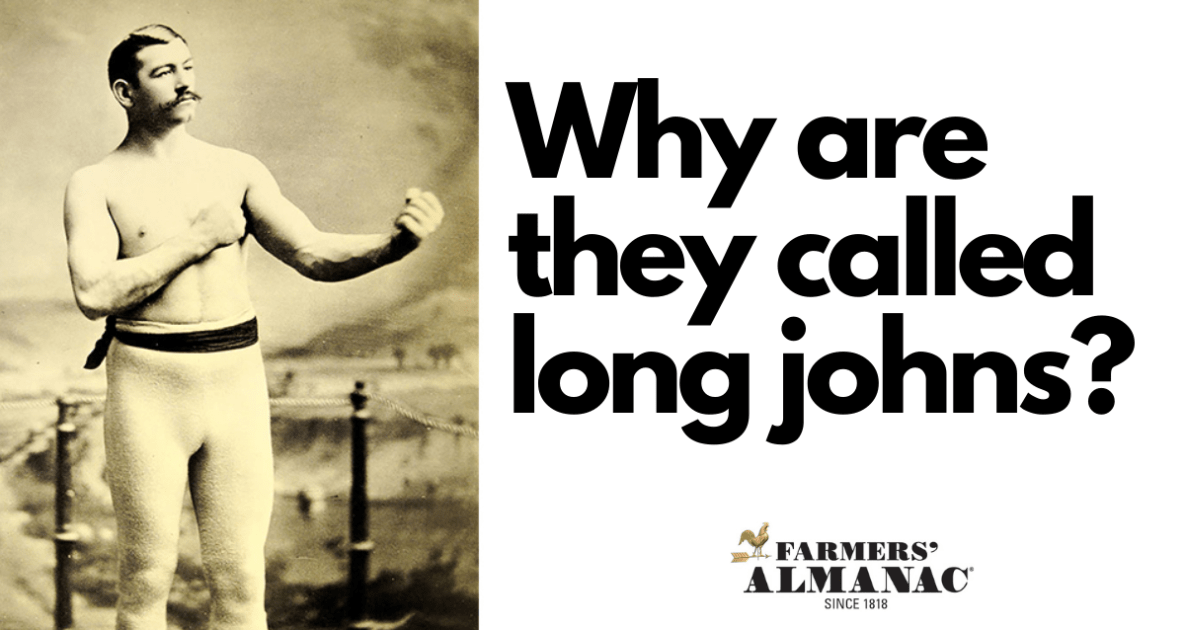
- Where the name comes from: 19th century American boxer John L. Sullivan, who fought wearing long underwear.
- Best fabric for cold: merino wool. Best budget option: polyester moisture-wicking.
- NEVER cotton. Cotton holds sweat against the skin and accelerates heat loss.
- Layering rule: wicking base + insulating middle + windproof shell.
On this page
Related Almanac guides
Sources cited in this guide
Long johns are named after John L. Sullivan, the 19th-century bare-knuckle boxing champion who wore long underwear (then unusual for athletes) during his fights. The garment itself predates Sullivan by centuries; he just gave it the name that stuck in American English. This guide is the history, the modern fabric options, and the layering rule that makes long johns the foundation of staying warm.
Who John L. Sullivan Actually Was
Per Britannica’s John L. Sullivan entry.
- John Lawrence Sullivan (1858 to 1918). Boston-born American boxer.
- The last bare-knuckle heavyweight champion. Held the title 1882 to 1892. The transition to gloved boxing happened during his career.
- Why he wore long underwear. Most boxers of the era wore shorts only. Sullivan’s full-length wool tights and shirt gave him both warmth in poorly heated venues and a distinctive look.
- The name stuck. Newspapers and his fans began calling his outfit ‘long johns,’ and the name transferred to similar undergarments generally.
Modern Long John Fabric Options
Modern thermal layering has moved well past wool.
- Merino wool. The gold standard for cold-weather base layers. Natural odor resistance, excellent insulation when wet, comfortable next to skin. Expensive ($60 to $150).
- Polyester (synthetic). Best moisture-wicking, durable, budget-friendly ($20 to $50). Tends to retain body odor with repeated use.
- Silk. Lightweight, comfortable, less insulating than wool or polyester. Best for moderate cold and indoor layering.
- Cotton. Never. Cotton absorbs sweat and holds it against the skin, accelerating evaporative cooling and heat loss. ‘Cotton kills’ is real outdoor-safety advice.
- Wool-synthetic blends. Combine merino warmth with synthetic durability. Often the best practical choice.
Long Johns: Origin and History (Detail)
Below are the original sections on long john origins and the John behind the name.
Where Did Long Johns Originate?
During the 19th century, people wore one-piece flannel “union suits” under their clothes to stay warm. These garments were initially designed for women but they soon became popular with working men. While they definitely weren’t the first form of long underwear ever produced, they were considered essential around the time long johns started growing in popularity.
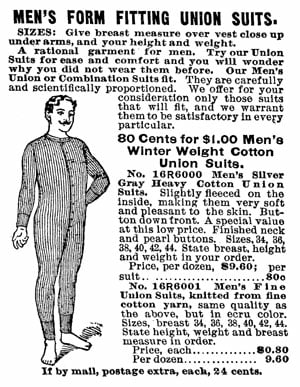
But there are differences between the two: union suits are one-piece, buttoning down the front with a “trapdoor”, often used to comedic effect, in the back. Long johns, on the other hand, are a two-piece garment, leggings and a shirt, made from flannel or wool with a square-weave waffle fabric that helped to wick moisture away from the skin. To some, both the shirt and the bottoms are referred to as “long johns,” but to others, “long johns” are the name for the pants only.
Who Is the “John” Behind Long Johns?
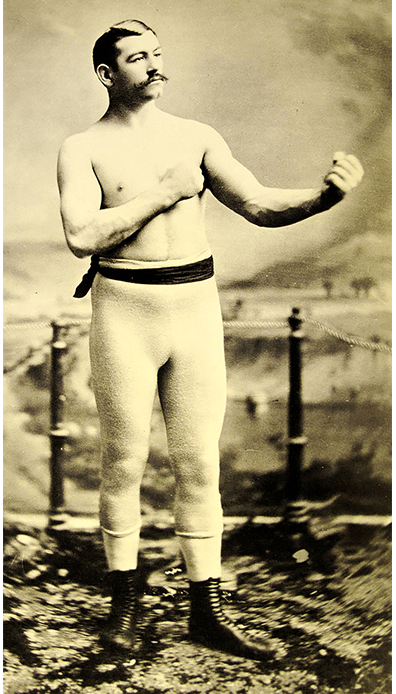
Some historians claim that British cloth and clothing manufacturer, John Smedley’s Lea Mills, of Derbyshire, England, is responsible for introducing long johns to the public sometime in the 19th century, naming them after a famous heavyweight, bare-knuckle boxer at the time, John L. Sullivan, who always entered the ring wearing only his long underwear.
During Canada’s 19th century Klondike gold rush, another mill, Stanfield’s, of Truro, Nova Scotia, grew rich selling woven wool long underwear to prospectors heading to the frigid Yukon. But this two-piece design wasn’t patented until 1915.
Another unconfirmed story places the invention of long johns back in 17th century England. This tall tale may be one of the most interesting because it says that the name may have been inspired by a famed knife fighter who made a habit of fighting in long underwear.
Some etymologists have also put forth the idea that the term “long johns” may have come about as an approximation of longues jambes, which is French for “long legs.”
No matter where they came from, long johns will always be a toasty staple among winter wardrobes.

Long Johns FAQ
Why are they called long johns?
Named for 19th century American boxer John L. Sullivan, who wore long underwear during his bare-knuckle prizefights. Newspapers and fans began calling his outfit long johns, and the name spread to refer to similar long-legged underwear generally.
Who invented long johns?
Long-legged underwear predates the name by centuries. Roman and medieval Europeans wore long woolen undergarments. The Sullivan-era American garment was a knitted one-piece wool union suit, which became widespread in the late 1800s. Modern two-piece long johns evolved from there.
What is the best material for long johns?
Merino wool is the gold standard for cold-weather performance. Polyester is the best budget option. Wool-synthetic blends combine the benefits. Avoid cotton (holds sweat against skin, accelerates heat loss). Silk works for moderate cold.
What size of long johns should I buy?
Snug but not tight. Long johns need to lie flat against the skin to wick sweat and provide a still air layer for insulation. Loose fit defeats the purpose. Buy your normal underwear size, not your outerwear size.
When should you wear long johns?
Any time outdoor temperature is below 40 F and you will be outside more than 30 minutes. Skiing, snowshoeing, ice fishing, winter hiking, and any cold-weather outdoor work benefit. Indoor use in cold-climate homes is also common.


Amber Kanuckel
Amber Kanuckel is a freelance writer from rural Ohio who loves all things outdoors. She specializes in home, garden, environmental, and green living topics.
- Amber Kanuckel

- Amber Kanuckel

- Amber Kanuckel
- Amber Kanuckel





I love this book cant find it
Hi Jeff, you can purchase it online from Amazon!