

Seed Starting Chart: When to Start Every Vegetable Indoors and Outdoors
Ready to get growing? Our handy chart will help you figure out when and where to start your seeds.
Quick Reference: Seed Starting
- The key date: your local average last frost. Every seed-start window is built backward from it.
- Indoor start (rough cohorts): tomatoes/peppers 6 to 8 weeks before, brassicas 4 to 6 weeks before, cucurbits 2 to 3 weeks before, lettuce 4 to 6 weeks before.
- Direct sow at last frost: beans, corn, squash, cucumbers, melons.
- Direct sow before last frost: peas, spinach, lettuce, carrots, beets (4 to 6 weeks early).
- Tool: the Almanac’s planting calendar by ZIP + Best Days for sowing.
On this page
Related Almanac guides
Sources cited in this guide
Almost every seed-starting failure is a calendar problem, not a soil or seed problem. Start tomatoes too early and they get leggy under indoor lights. Direct-sow beans too early and they rot in cold soil. This guide is the timing chart UMN Extension and the Almanac’s planting calendar agree on, plus the math you need to convert “weeks before last frost” into the actual date for your ZIP code.
Find Your Local Last Frost Date
Per NOAA, the average last spring frost varies by 8+ weeks across the contiguous US. The number you need is the date when there is a 50 percent probability of no further frost (NOAA calls this ‘median last frost’).
- Southern US (zones 8 to 9, Atlanta to Houston): mid to late March.
- Mid-Atlantic (zones 6 to 7, DC, Philadelphia, St Louis): mid to late April.
- Lower Midwest and New England (zone 6, Boston, Chicago, Indianapolis): early to mid May.
- Upper Midwest and Mountain West (zone 5, Minneapolis, Denver): mid to late May.
- Northern New England and Upper Plains (zone 4, Burlington VT, Bismarck ND): late May to early June.
Indoor Start Schedule (Tomatoes, Peppers, Brassicas, Greens)
Per UMN Extension’s starting-seeds-indoors guide, indoor-start crops fall into four timing cohorts.
- 8 weeks before last frost: celery, parsley, leeks, slow peppers (habanero).
- 6 to 8 weeks before last frost: tomatoes, eggplant, peppers, onions from seed.
- 4 to 6 weeks before last frost: brassicas (broccoli, cabbage, cauliflower, kale, brussels sprouts), lettuce, herbs (basil, oregano).
- 2 to 3 weeks before last frost: cucumbers, summer squash, melons, watermelon. (Cucurbits hate transplant; start in peat or coir pots that go straight into the bed.)
Original Almanac Chart and Moon-Phase Notes
Below is the Almanac’s original chart and our notes on planting by the moon. Use it alongside the framework above.
Best Times To Start Your Seeds
| Crop category | Weeks before last frost | Example crops | Notes |
|---|---|---|---|
| Very early starters | 10-12 weeks | Onions (from seed), leeks, celery, celeriac | Slow germinators; start in flats and thin; seedlings need time to thicken before transplanting |
| Early starters | 8-10 weeks | Peppers, eggplant, hot peppers | Need sustained soil warmth (75-80 F) to germinate; cold soil stunts them for the season |
| Main cohort | 6-8 weeks | Tomatoes, broccoli, cabbage, cauliflower, kale | Overgrown transplants underperform; brassicas tolerate a light frost once hardened off |
| Late starters | 2-4 weeks | Cucumbers, squash, melons, watermelon, basil | Resent root disturbance and grow fast; direct sowing at or after last frost is equally valid |
Find your Average Frost Date.
Planting by the Moon
Be sure to also check our Gardening by the Moon calendar, which will guide you to which garden tasks are best done based on phases of the Moon.
Direct-Sow Schedule (Outdoors)
Three cohorts based on what each crop tolerates from cold soil.
- 4 to 6 weeks before last frost: peas, spinach, lettuce, radishes, kale, mustard, arugula.
- 2 weeks before last frost: carrots, beets, chard, parsnips, turnips.
- At last frost (50 percent probability gone): beans, corn, cucumbers, squash, pumpkins, melons.
- 2 to 4 weeks after last frost (when soil is 65 F+): sweet potatoes, okra, southern peas, basil from seed.

Seed Starting FAQ
What is the best month to start seeds?
For most of the US, mid-February through early March is when the first indoor-start crops (slow peppers, celery, parsley) go in. Tomatoes and eggplants follow in mid-March. The specific date depends on your last frost; work backward 6 to 8 weeks for tomatoes.
How deep should you plant seeds?
The general rule is to plant a seed 2x as deep as its widest dimension. Tomato seeds: 1/4 inch. Bean seeds: 1 to 1.5 inches. Lettuce seeds: surface to 1/8 inch (light helps germination). When in doubt, shallow is safer than deep.
Do you need grow lights to start seeds indoors?
Yes for most vegetables. A sunny south window provides 2 to 4 hours of useful direct light in early spring, far less than the 14 to 16 hours seedlings need. A basic full-spectrum LED grow-light shop fixture is the most-recommended setup for under $50.
What is hardening off and why does it matter?
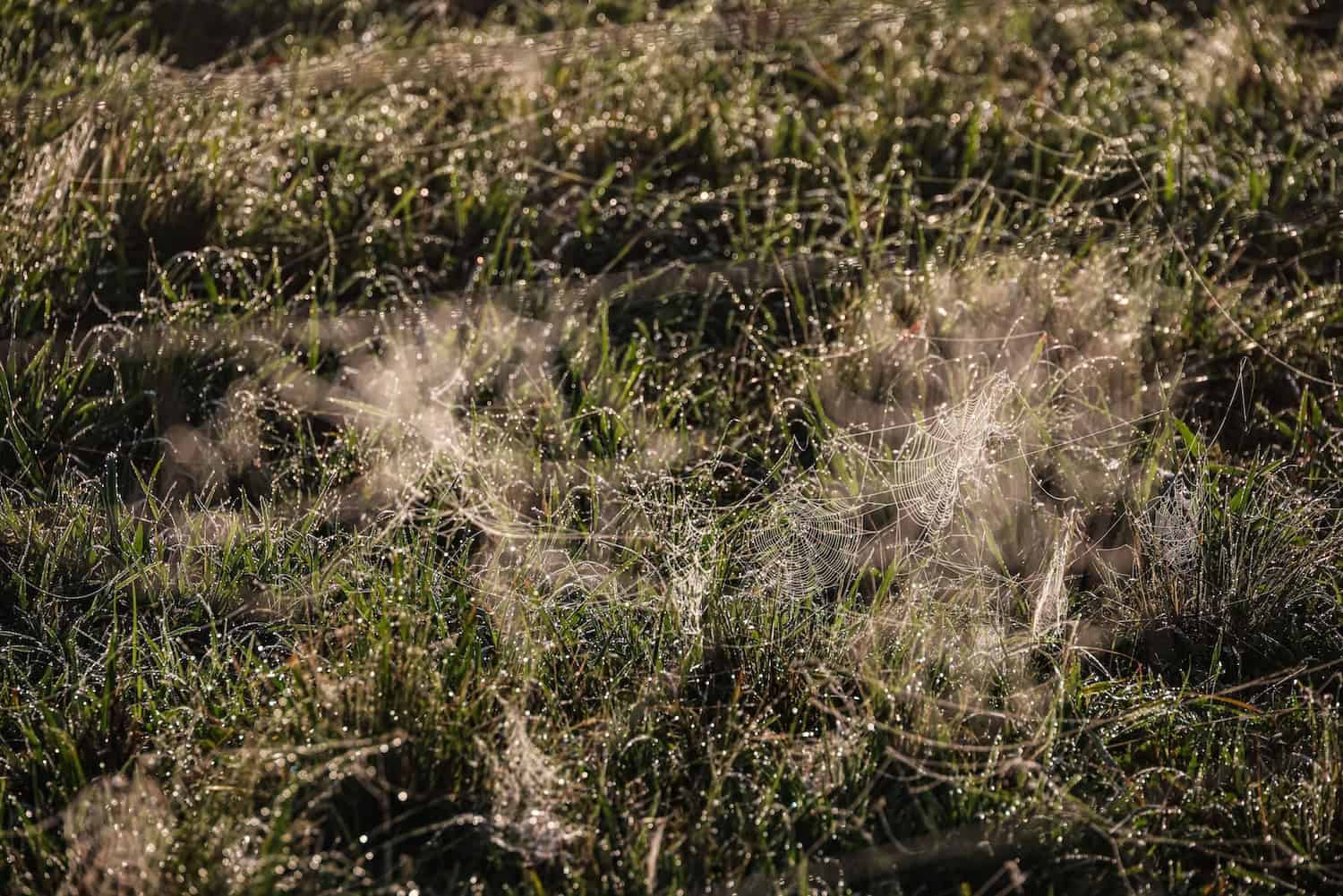
Hardening off is gradually exposing indoor-grown seedlings to outdoor sun, wind, and temperature over 7 to 10 days before transplanting. Without it, the leaves sun-scald and the stems snap in light wind. Start with 1 hour of morning sun on day 1 and add 1 to 2 hours per day.
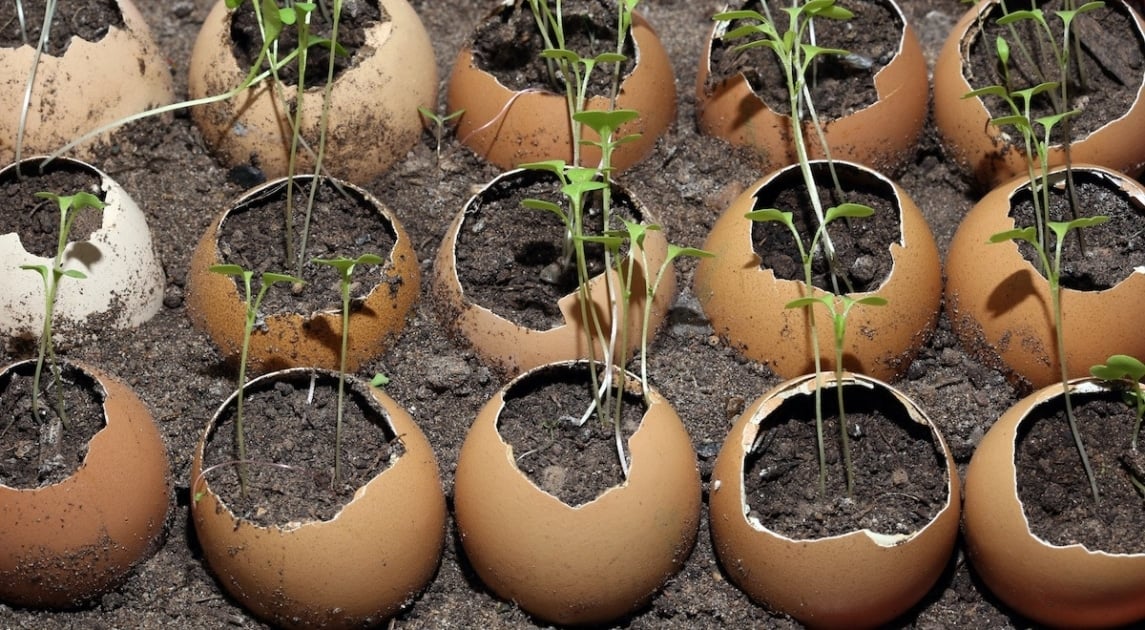
Can you start seeds in eggshells or paper rolls?
Yes. Eggshells work for small seedlings (lettuce, basil) but the roots quickly outgrow them. Toilet-paper-roll cells biodegrade in soil and are excellent for cucurbits because the whole cell plants intact, avoiding root disturbance.
Why are my seedlings tall and leggy?
Three causes: insufficient light (most common, install a closer grow light), too warm indoor temperatures (drop to 65 to 70 F after germination), or too closely spaced (thin to one seedling per cell). Leggy seedlings rarely recover.
When should I direct-sow versus start indoors?
Direct-sow anything that resents root disturbance (cucurbits, root vegetables, beans, corn) or matures quickly (lettuce, radishes, spinach). Start indoors anything with a long warm-season requirement (tomatoes, peppers, eggplant) or that benefits from a head start (brassicas).


This article was published by the Staff at FarmersAlmanac.com. Any questions? Contact us at [email protected].
- Farmers' Almanac Staff

- Farmers' Almanac Staff

- Farmers' Almanac Staff

- Farmers' Almanac Staff


What does it mean to “harden off” seedlings?
How much does the seed starting timeline change (in general) if the seedlings are to be transferred to a non-heated greenhouse (in grow bags) as opposed to in the garden?
Should seedbeds for above ground and root crops follow the same days as planting those crops? Or can any crops be started on days good for seedbeds?
We consider a seedbed to be a bed of cultivated soil prepared for seeds or seedlings that will be transplanted, regardless of if whether they will ultimately be above ground or root crops. If you are direct sowing (planting where you want the plant to grow), then plant by the appropriate best day for that type of crop.
I use a separate Google calendar from my personal calendar. Put in my dates there and set alerts, for the following or preceding weekend, to remind myself to get in the garden!
Is there a link to the place where I can put in my frost dates for my zone along, with the veggies and medicinal herbs I’m planting, to populate and remind me when to seed, transplant and harvest? Any suggestions?