

9 Popular Easter Flowers and What They Symbolize: Lilies, Daffodils, Tulips, and More
There are many beautiful flowers traditionally associated with Easter, each with their own unique meanings. See our list!
Quick Reference: Easter Flowers
- The 9: Easter lily, Easter cactus, daffodil, crocus, hyacinth, tulip, hellebore, hydrangea, azalea.
- Most-symbolic Christian flower: Easter lily (purity, the Resurrection).
- Most-grown in US Easter florist trade: Easter lily + Easter cactus.
- Best for planting after the holiday: daffodils, tulips, crocus (most live cuttings will rebloom for years).
- Tool: the Almanac’s Best Days planting calendar for moon-aligned spring planting.
On this page
Related Almanac guides
Sources cited in this guide
The flowers that fill North American churches and households at Easter were not all chosen by accident. Each carries centuries of layered Christian and pre-Christian symbolism, and each one is also a particular kind of plant with a particular bloom window and care requirement. This guide is the 9 flowers most often given or displayed at Easter, what each one traditionally symbolizes, and what to do with the live plant after the holiday so it reblooms in your yard next year.
Why These 9 Flowers? (the Symbolism Behind Easter Bloom)
Per Britannica’s Easter customs entry, the modern Easter flower tradition layered Christian Resurrection symbolism over older pre-Christian spring-renewal flower customs.
- White and gold dominate. White for purity and the Resurrection; gold for new life.
- Bulbs reflect the Resurrection narrative. A bulb “buried” in fall, dormant through winter, emerges in spring; the visual parallel was explicit in medieval Christian symbolism.
- Northern Hemisphere bias. All 9 species featured here bloom in early to mid spring in the Northern Hemisphere where Easter calendrically sits.
- Regional swap-ins. In the Southern Hemisphere and the tropics, hibiscus, jasmine, and certain orchids often substitute as Easter flowers, but the symbolism stays purity, renewal, and resurrection.
How to Replant a Live Easter Plant After the Holiday
Most florist Easter plants (lilies, hyacinths, tulips, azaleas) can rebloom in the home garden if handled correctly per UMN Extension’s spring-bulb guidance.
- Easter lily: after blooms fade, cut spent flowers, keep watered. Plant outdoors in early summer in full sun, 4 to 6 inches deep. Reblooms midsummer the following year.
- Daffodils + tulips + crocus + hyacinth: let foliage die back naturally indoors. Plant bulbs outside in fall (October). Most rebloom for 3 to 10 years.
- Easter cactus: keep as a houseplant. With cool dark nights in November to December, will rebloom next Easter.
- Azalea: the florist azalea is the tender greenhouse type, generally not hardy outside USDA zone 8.
- Hydrangea: florist hydrangea is the macrophylla type, plant outdoors in USDA zones 6 to 9 after the holiday.
- Hellebore: hardy perennial. Plant out anytime in spring. Reblooms reliably for 10+ years.
The 9 Easter Flowers in Detail
Below are the original 9 detail entries covering each flower’s symbolism and traditional Easter use.
1. Easter Lily
The Easter lily is the obvious choice to top our list since it’s named for the holiday. Easter lilies are white with trumpet-shaped flowers. Traditionally, they are associated with purity and resurrection. This comes from Christian legend, which says that after Jesus’ death and resurrection, these flowers were found growing in the Garden of Gethsemane where Jesus prayed the night before the crucifixion. Learn how to plant your Easter lily outdoors here.
*Please note: Easter lilies are highly toxic and should be kept out of reach of pets and children. See other toxic house plants.
2. Easter Cactus
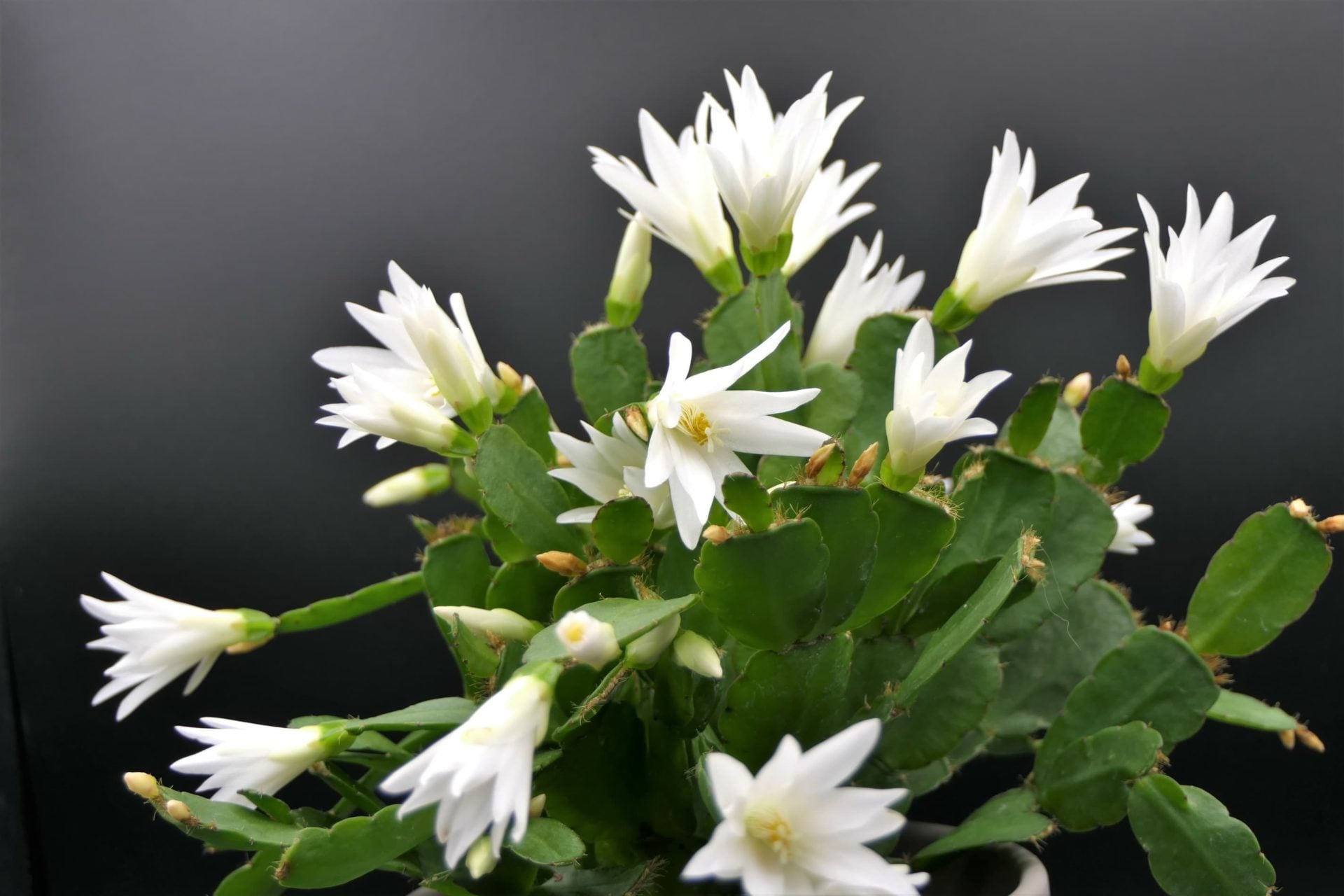
Easter cacti are getting more and more popular and their colorful blooms, which can be white, orange, red, pink or purple, arrive in spring, just in time for Easter. The Easter cactus is similar, but not to be confused with the Thanksgiving cactus or the Christmas cactus (which are also succulents). Not only does the name associate them with Easter, but they’re also a symbol of rebirth, too.
Read the tips for caring for your Easter cactus and getting them to bloom here.
3. Daffodils
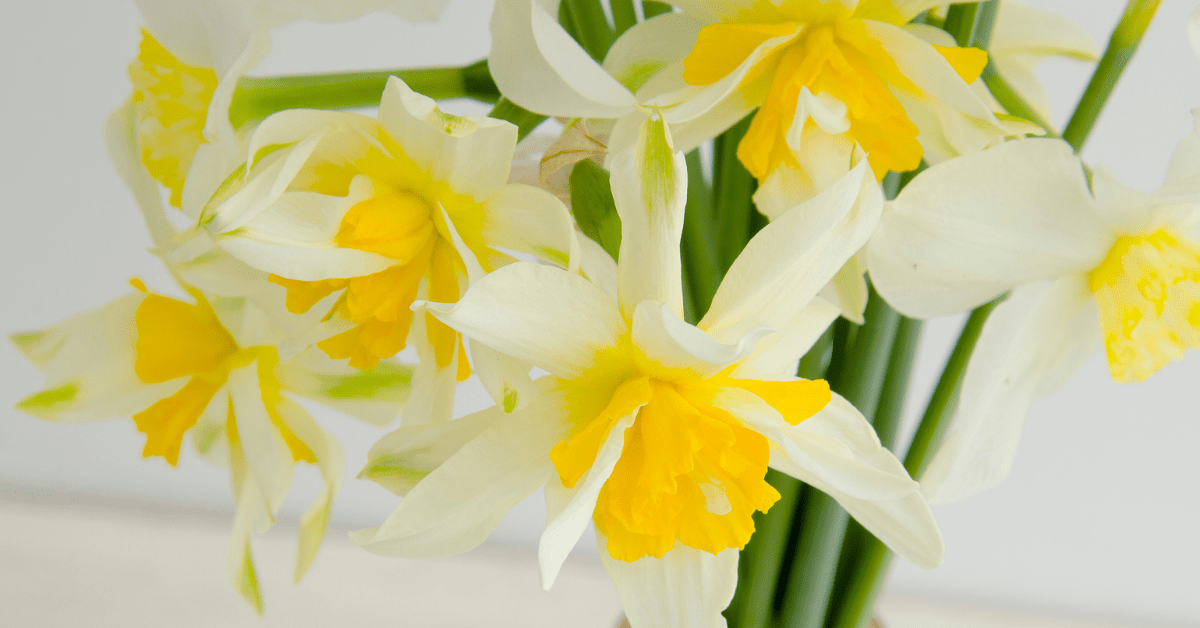
These are often the first flowers you see blooming in early spring. They’re how gardeners know that a new gardening season has come, and because they bloom close to Easter, they’ve become a holiday symbol, too. As an early spring bloomer, daffodils represent the arrival of new life. In England, they’re known as “Lent lilies” because they’ve long been associated with Lent.
Daffodils are March’s birth flower. Read more about them here!
4. Crocus
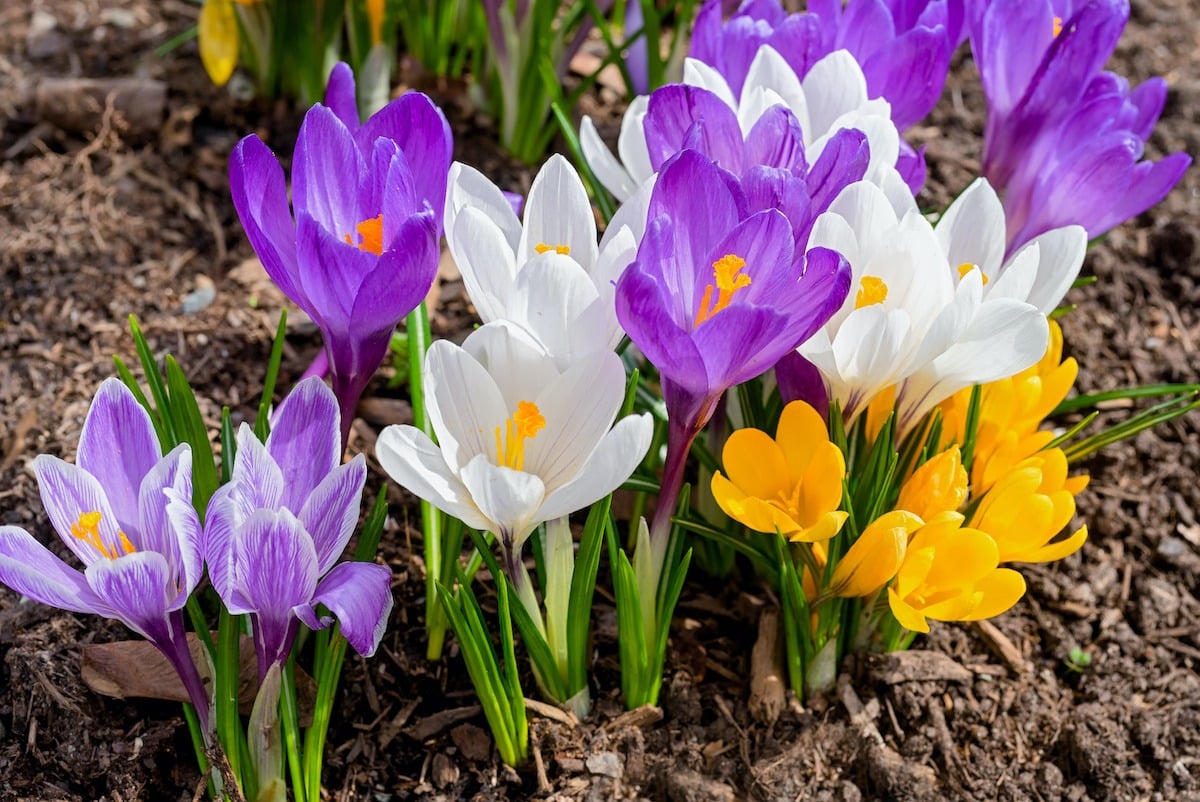
The crocus is another early spring bloom, characteristic for its delicate purple and gold flowers that you’ll sometimes see poking up through the last of the snow. These are an all-time Easter favorite, perfect for joyous celebrations since they symbolize youth and happiness.
5. Hyacinth
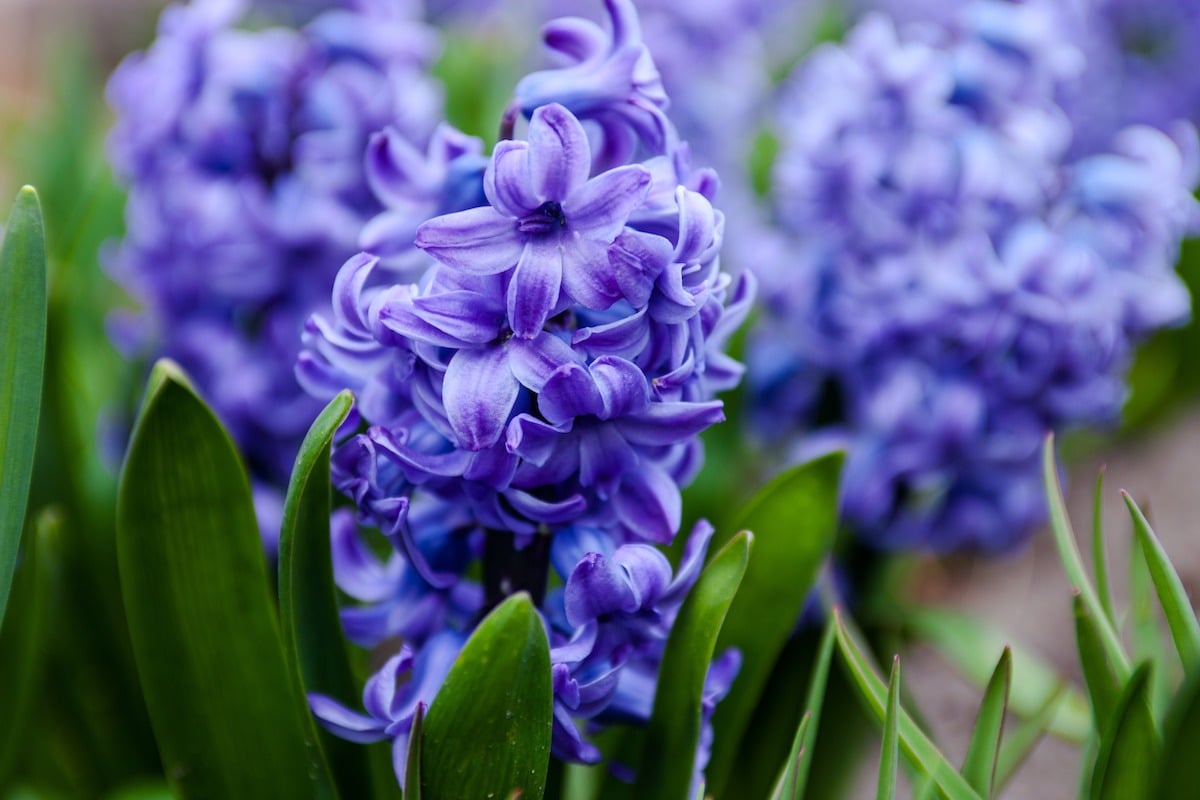
As with many Easter flowers, hyacinth blooms early, and in shades of purple, pink and white. These annual flowers traditionally symbolize constancy and sincerity. Learn how to get your hyacinth to bloom again!
6. Tulips
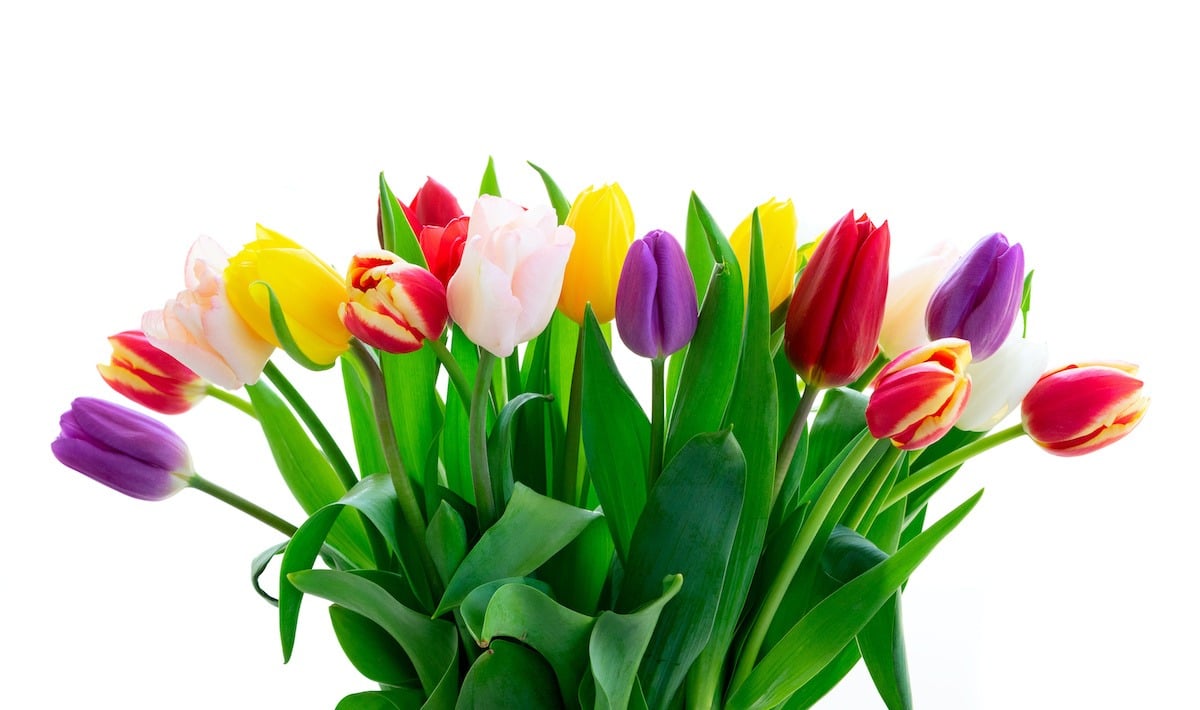
Spring flowers like tulips carry a meaning of rebirth since they’re among the first flowers to emerge from winter dormancy. They also represent love, belief and forgiveness and, because they’re so colorful and somewhat egg shaped, people sometimes associate them with Easter eggs.
7. Hellebore
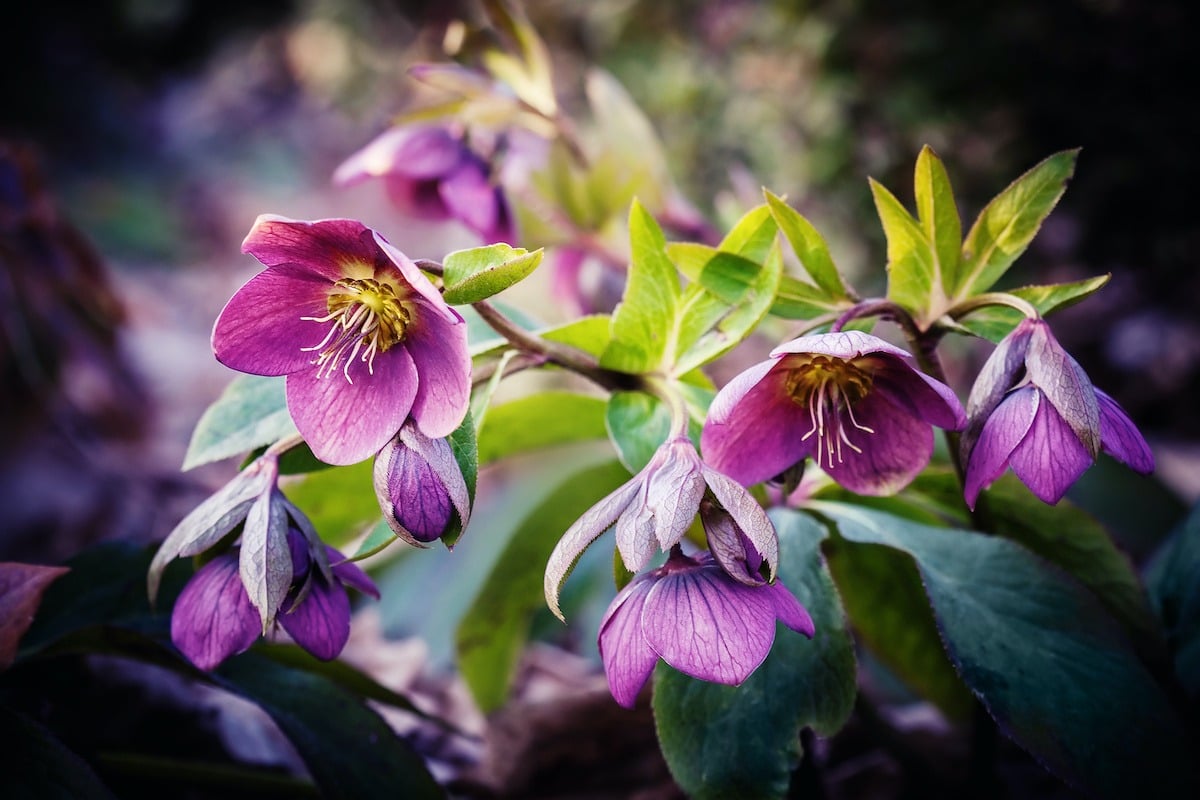
Hellebore is perhaps the earliest bloomer on the list, emerging in the later parts of winter and early spring. Because of that, this perennial goes by several names: winter rose, Christmas rose, and Lenten rose. It’s associated with Lent, in particular, because in many areas, it emerges during this season, and as with many early spring flowers, it represents rebirth.
8. Hydrangea
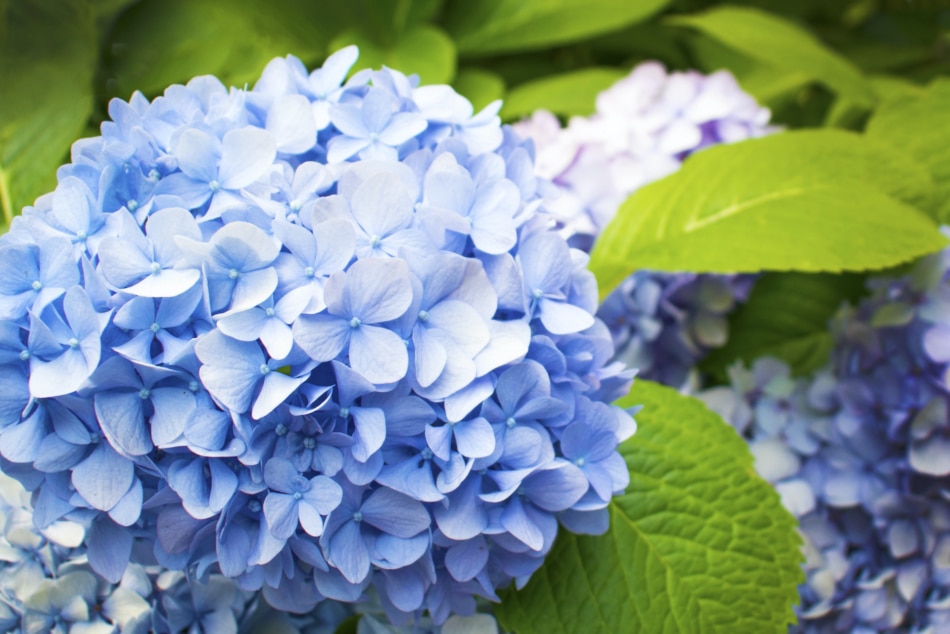
These are another popular spring flower, and they come in colors ranging from white to pink to blue. They’re often grown as landscape shrubs, producing beautiful snowballs of flowers, and depending on the local climate, in some areas, they’re blooming at Easter. Elsewhere, they’re available as cut flowers for the Easter season. As an Easter gift, hydrangeas represent gratitude and understanding.
9. Azalea
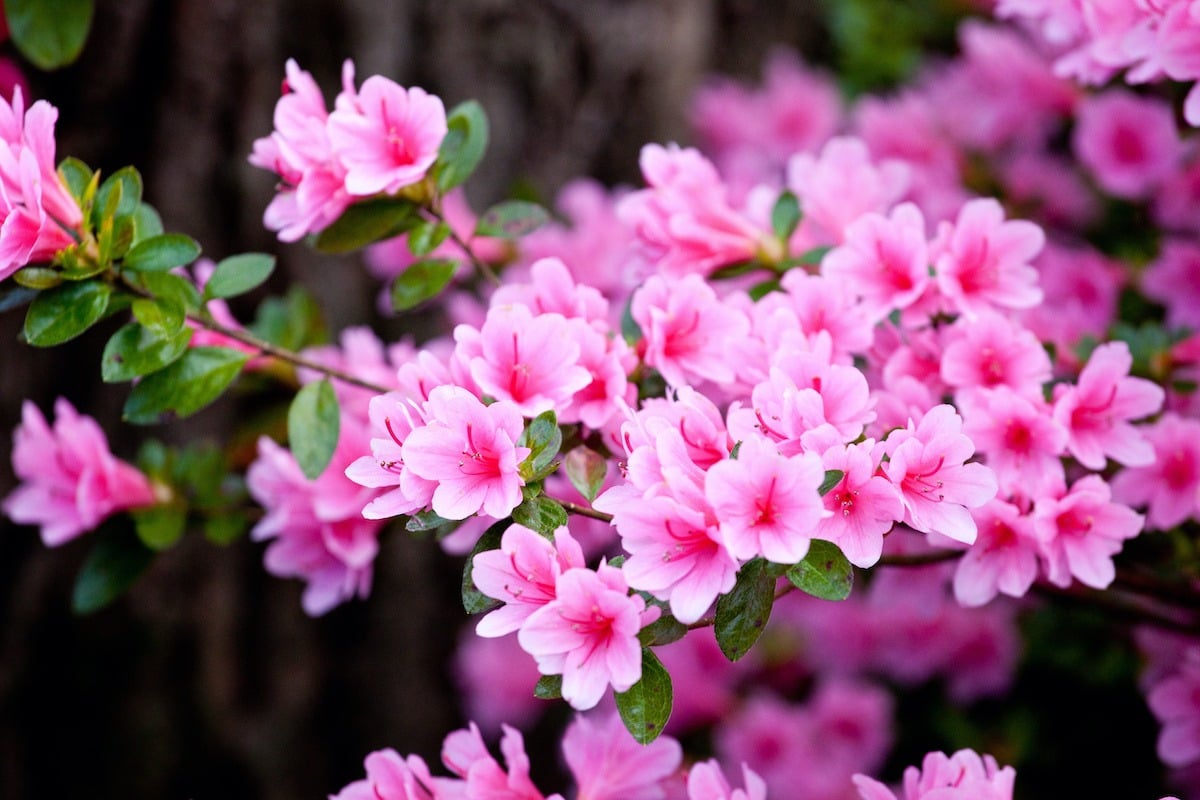
Azaleas are among the earliest spring blooming shrubs, most of the rest of the early spring bloomers are bulbs. They come in all sorts of colors, and the flowers are quite popular during Easter as a symbol of temperance, moderation and love.
Because Easter happens around the same time gardens everywhere are beginning to bloom, there are many more types of flowers that have associations with this holiday. The ones we’ve listed above are a selection of the most popular traditional favorites. You’ll find them not only in springtime landscapes, but in holiday gifts and as Easter dinner centerpieces, too.
Happy flower-full Easter!


Easter Flowers FAQ
What is the most popular Easter flower?
Easter lily (Lilium longiflorum) by a wide margin in US church and home use. The pure white trumpet shape carries the strongest Christian symbolism of purity and the Resurrection, and the bloom timing was deliberately bred to coincide with Easter Sunday.
Why is the Easter lily associated with Easter?
Three reasons. Pure white symbolizes purity and the Resurrection. The trumpet shape was read as the trumpet announcing Christ’s return. And the bulb’s dormant-burial then spring-emergence parallels the Resurrection narrative explicitly. The plant has been Easter’s primary symbolic flower since the late 19th century.
Are Easter lilies toxic to cats?
Yes, severely. All parts of Easter lilies are highly toxic to cats and even a small ingestion can cause fatal kidney failure within 24 to 72 hours. If you have a cat, choose a different Easter flower or keep the lily strictly out of reach. Daffodils, tulips, hyacinths, and azaleas are also moderately toxic to cats and dogs.
Can I plant my Easter lily outside?
Yes. After the flowers fade, cut the spent blooms and keep the plant in a sunny window. In early summer plant outdoors in full sun and well-drained soil, 4 to 6 inches deep. The plant reblooms midsummer the following year and is hardy in USDA zones 5 to 8.
What flower symbolizes new life at Easter?
Daffodils. The pre-Christian spring-emergence symbolism is strongest here. The Welsh national flower (associated with St David’s Day in early March), daffodils consistently mark the first wave of garden bloom across the Northern Hemisphere and have been the secular spring renewal flower for centuries.
What is the Easter cactus?
Rhipsalidopsis gaertneri, a Brazilian succulent related to Christmas cactus. It blooms reliably around Easter when grown as a houseplant given cool dark nights in late autumn. Bright magenta or pink flowers with a tube shape. Not toxic to pets.


Amber Kanuckel
Amber Kanuckel is a freelance writer from rural Ohio who loves all things outdoors. She specializes in home, garden, environmental, and green living topics.
- Amber Kanuckel

- Amber Kanuckel

- Amber Kanuckel
- Amber Kanuckel





I’m going to grow alot of these! They look very beautiful!