How to Grow Beets: Planting, Care, and Harvest Tips
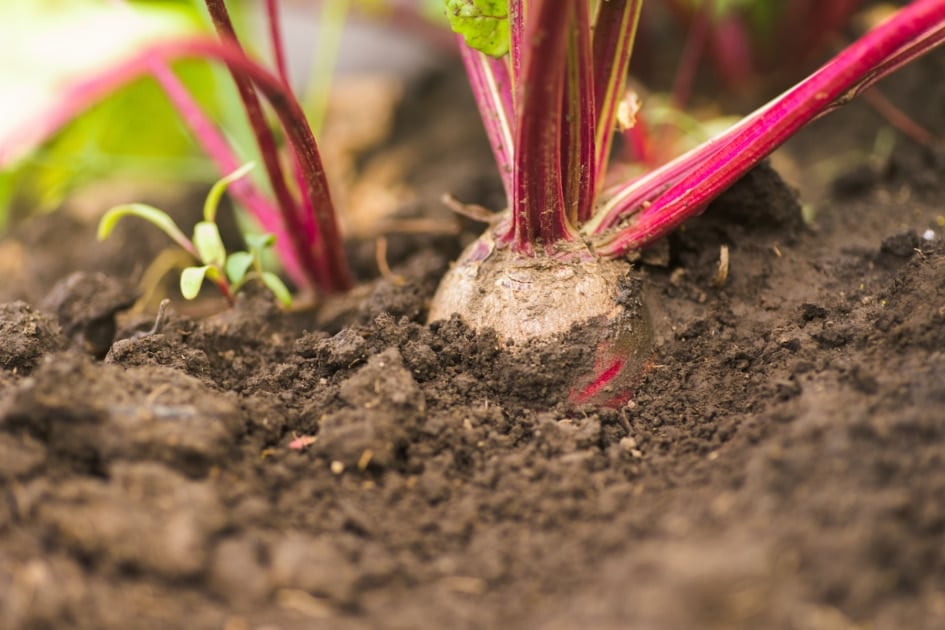
Quick Reference: How to Grow Beets
- Plant when: cool weather, days 60 to 70 degrees and nights around 50 to 60 degrees, in spring or late summer.
- How deep: sow seeds 1 inch deep, 3 to 4 inches apart, in full sun.
- Soil: loamy, slightly acidic, pH 6.0 to 7.5, with about 1 inch of water per week.
- Days to maturity: 8 to 10 weeks, which leaves time to double crop in spring and again in fall.
- Harvest: baby beets at 1 inch across, larger beets up to 2 inches, and save the greens for the kitchen.
Beets are high in fiber and packed with vitamins, they make delicious pickles, and best of all they are one of the easiest crops you can put in the ground. They like cool weather, they do not ask for much room, and a single planting in spring followed by another in late summer can keep your kitchen in roots and greens for much of the 2026 season. Try a few in your veggie plot and you may never buy a canned beet again. Here is how to grow beets from seed to harvest, whether you are working a full garden plot or a couple of raised beds.
How To Plant Beets
Start: Beets do best in cooler weather, so start them outdoors directly in your garden plot in spring or in late summer. Daytime temperatures should be 60 to 70 degrees with nighttime temperatures around 50 to 60 degrees. Sow seeds 1 inch deep, between 3 and 4 inches apart. Here is the catch that trips up new gardeners: each beet “seed” is really a dried cluster of several seeds, so a single planting often sends up two or three seedlings in a clump. Thin them to the strongest plant once they are a couple of inches tall, and snip the rest at soil level rather than pulling, which would disturb the keeper’s roots.
Water: Beets should be well-watered during dry seasons, but like most root crops, overly soggy soil can lead to cracks or rot. Soil should be moist but not too wet, about 1 inch of rain per week is ideal. The University of Illinois Extension keeps a plain-English beet growing guide if you want to double-check spacing and watering for your own ground.
Soil: Loamy, acidic soils work best. If soil is rocky, hard, contains heavy clay, or if it is too alkaline, add compost to soften and enrich it. Aim for a pH of 6.0 to 7.5.
Light: Full sun.
Fertilize: In most cases, a 10-10-10 fertilizer with balanced nitrogen, potassium, and phosphorus is ideal for beets. If soil tests reveal your soil to be low in potassium, then you may top dress with added potassium to promote large root growth.
Harvest: For baby beets, harvest the beet and the greens when they are around 1 inch in diameter. Larger beets can be harvested at up to 2 inches in diameter. In the fall, beets can be left in the ground until after a hard frost. The greens are edible too, so when harvesting, trim the stems about 1 to 2 inches from the top of the beet and save the greens for salads and cooking.
Notes: Beets can be harvested as early as 8 to 10 weeks, and they prefer cooler temperatures, which means you can double crop them by planting beets in the spring and again in the fall.

When to Plant Beets by Region
Beets are a cool-season crop, so the calendar date shifts with your region even though the trigger does not. The rule is the same everywhere: get them in while days run 60 to 70 degrees and nights hold near 50 to 60 degrees, then plant again in late summer for a fall crop. Frost dates run weeks apart across the country, so use the table below as a starting point and let your own soil and weather have the final say.
| Region | Average last spring frost | When to sow beets |
|---|---|---|
| Deep South and Gulf Coast | Late February into March | January into February, and again in September |
| Mid-South and Southern Plains | Mid to late March | February into March, and again in August |
| Mid-Atlantic and Ohio Valley | Mid to late April | Late March into April, and again in August |
| Midwest and Great Lakes | Early to mid May | Mid April into May, and again in late July |
| Northeast and New England | Mid to late May | Late April into May, and again in July |
| Mountain West and Pacific Northwest | Mid May into early June | Late April into May, and again in July |
Because beets mature in just 8 to 10 weeks, they reward succession sowing. Instead of planting your whole row at once, sow a short row every two to three weeks through the cool stretches of spring and again in late summer. You get a steady supply of tender roots rather than a single glut that all comes ready the same week.
Gardening by the Moon for Beets
Beets grow below ground, which makes them a root crop. Traditional Gardening by the Moon wisdom says to plant root crops during the dark, or waning, of the Moon, when the old timers believed the pull of moisture moved downward toward the roots. Above-ground crops like beans and lettuce go in during the light, or waxing, of the Moon. It costs nothing to try the old timing alongside good soil and the right week.
- Beets are a root crop. Favor the dark of the Moon for planting.
- The Gardening by the Moon Calendar lists this month’s Best Days to plant root crops in your area.
Companion Plants for Beets
Beets get along with plenty of neighbors. Bush beans, onions, lettuce, cabbage, and other members of the cabbage family make good company, and the onions in particular help keep pests off the row. Keep beets away from pole beans, which can stunt each other. For a fuller pairing chart, see our companion planting guide, and if you are starting your roots from seed indoors or out, our vegetable seed starting chart lays out the timing crop by crop.
Helpful Beet Growing Links
Farmers’ Almanac Gardening By the Moon Calendar
Companion Planting: 10 Veggies That Should Grow Together
Beet Recipes
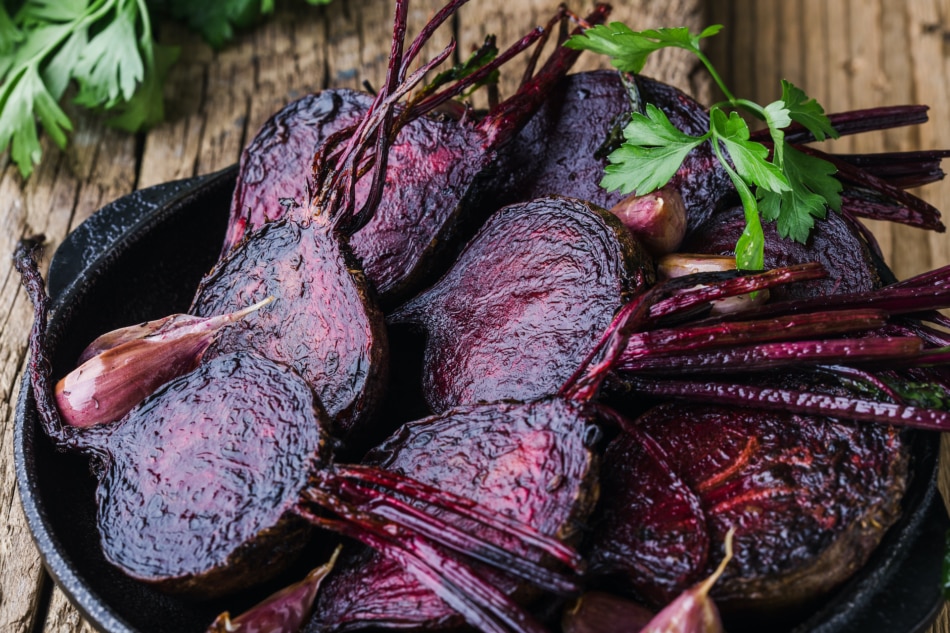
Once the harvest is in, the kitchen is where beets earn their keep. Roast them, pickle them, shred them raw into a salad, or bake them into something the kids will never guess is full of vegetables. The deep color does double duty as a natural food dye.
Red Velvet Beet Cupcakes with Cream Cheese Frosting

How to Grow Beets: Frequently Asked Questions
How deep and how far apart do I plant beet seeds?
Sow beet seeds 1 inch deep and 3 to 4 inches apart in full sun. Keep in mind that each beet “seed” is actually a dried cluster of several seeds, so expect two or three seedlings to come up together and thin them to the strongest plant once they are a couple of inches tall.
How long do beets take to grow?
Beets can be harvested as early as 8 to 10 weeks. Pull baby beets when they reach about 1 inch in diameter, or let them size up to 2 inches for larger roots. Because they mature quickly and like cool weather, you can double crop them in spring and again in fall.
What temperature and soil do beets need?
Beets prefer cool weather, with daytime temperatures of 60 to 70 degrees and nighttime temperatures around 50 to 60 degrees. Give them loamy, slightly acidic soil with a pH of 6.0 to 7.5, full sun, and about 1 inch of water per week. Add compost if your ground is rocky, heavy with clay, or too alkaline.
Why do several beet seedlings come up in one spot?
Because a beet “seed” is really a cluster of several seeds packed into one dried fruit. That is normal, not a planting mistake. Once the seedlings are a couple of inches tall, thin to the single strongest plant in each clump so the keeper has room to form a full root.
Can I eat beet greens?
Yes. Beet greens are edible and good in salads or cooked like other greens. When you harvest, trim the stems about 1 to 2 inches from the top of the beet and save the leaves for the kitchen. Harvesting greens from baby beets at about 1 inch across gives you tender roots and tops at once.
How do I keep beets coming all season?
Sow in succession. Plant a short row every two to three weeks through cool spring weather, then plant again in late summer for a fall crop. Since beets are ready in 8 to 10 weeks, staggered sowings give you a steady supply instead of one big harvest that all comes ready at once.


This article was published by the Staff at FarmersAlmanac.com. Any questions? Contact us at [email protected].
- Farmers' Almanac Staff

- Farmers' Almanac Staff

- Farmers' Almanac Staff

- Farmers' Almanac Staff