

June Birthstone: Pearl, Moonstone, and Alexandrite
Quick Reference
- June birthstones: pearl (primary), moonstone, and alexandrite. One of only three months with a triple-stone lineup.
- Pearl meaning: purity, loyalty, and wisdom. The only birthstone grown by a living creature, not mined.
- Moonstone meaning: new beginnings, intuition, and protection while traveling.
- Alexandrite meaning: balance and transformation. Famous for changing color from green in daylight to red under lamplight.
- Zodiac fit: Gemini (May 21 to June 20) and Cancer (June 21 to July 22).
- Anniversaries: pearl marks the 3rd; alexandrite marks the 55th.
If you were born in June, you have a richer birthstone lineup than almost anyone else on the calendar. The month carries three official stones: pearl, moonstone, and alexandrite. Each one tells a different story, and together they cover everything from Cleopatra’s dinner table to the Ural Mountains of imperial Russia.
What Are the June Birthstones?
June is one of only three months on the modern birthstone list with three official stones. Pearl is the traditional choice. Moonstone joined the lineup in 1912, when the American National Association of Jewelers (now Jewelers of America) standardized the modern list. Alexandrite was added later as the rarer, color-changing third option.
- Pearl. Organic gem grown inside a mollusk. Symbol of purity, loyalty, and wisdom.
- Moonstone. Feldspar with a floating inner glow called adularescence. Symbol of new beginnings and intuition.
- Alexandrite. Color-changing chrysoberyl. Emerald green by day, ruby red by lamplight. Symbol of balance and transformation.
Pearl: History and Lore
The word pearl comes from the Old French “perle,” which, oddly, is derived from the Latin word for “leg,” as in “leg-of-lamb.” The reference is to the shape of mollusk shells, where pearls form. It is also the only birthstone that is not mined from the Earth; it comes from a living creature. Pearls symbolize purity and loyalty, and they have been credited with bringing peace, balance, and protection to the wearer.
Pearl Facts
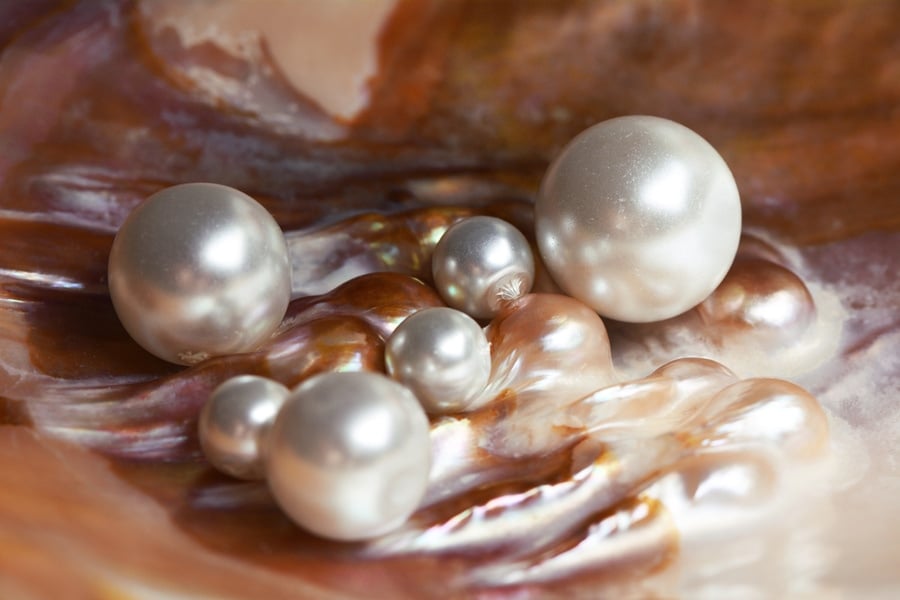
Pearls form naturally inside mollusks such as clams, oysters, and mussels when an irritant gets stuck inside the shell. A common misconception is that a grain of sand starts the process; in the wild, the irritant is usually a parasite organism, though it may also be a chip of broken shell. The mollusk protects itself by coating the intruder with a protein called conchiolin and a mineral called aragonite. Together those two substances make mother-of-pearl, also called nacre, the same material that lines the inside of the shell. Finished pearls come in white, pink, black, and blue, and the color tracks the shell that produced them.
How rare are wild pearls? You could open 10,000 wild oysters and might be lucky to find one pearl. Gem-quality pearls are rarer still. That is why pearl farming carries most of the modern market. Cultured pearls were pioneered by Kokichi Mikimoto in Japan in 1893, when he produced the first commercially viable cultured pearl in an Akoya oyster. Today, farmers seed mollusks with a small bead, return them to clean water, and harvest 18 to 24 months later. The main cultured varieties are Akoya (Japan, classic white strand), Tahitian black pearls (French Polynesia), South Sea pearls (white or gold, from Australia and the Philippines), and freshwater pearls (mussel-grown, mostly China, with the widest color range at a friendlier price).
Pearl Folklore
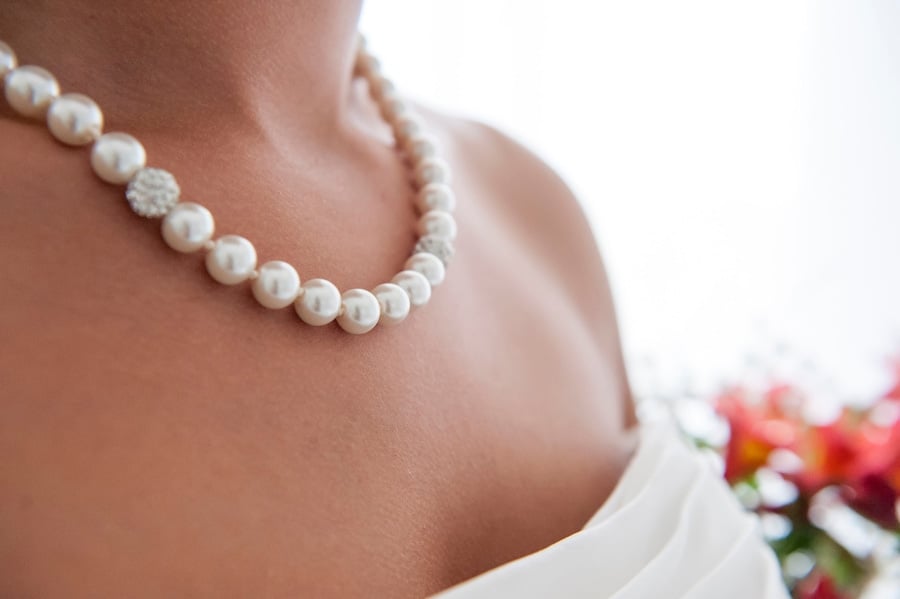
There is no clear record of where or when the first pearl was found. In an ancient Hindu myth, Krishna, the god of love, was the first to discover one. He gave it as a gift to his daughter on her wedding day. That may be why pearls are still tied to love and marriage, and why so many brides wear them down the aisle. Plenty of superstitions cling to that custom, as you will see below.
Since their discovery, pearls have been linked with wealth and wisdom. In a story preserved by Pliny the Elder, Cleopatra dissolved a pearl in a glass of wine (or vinegar, in some tellings) and drank it to win a wager with Mark Antony that a nation’s wealth could be consumed in a single gulp. Roman pearl-fishing fleets worked the Persian Gulf for centuries, and Roman sumptuary laws went so far as to forbid anyone outside the ruling class from wearing pearls. Ancient Chinese legend also ties pearls to wisdom: the phrase “pearls of wisdom” comes from the belief that dragons held a pearl between their teeth, and the warrior who vanquished the dragon claimed the pearl of wisdom for himself.
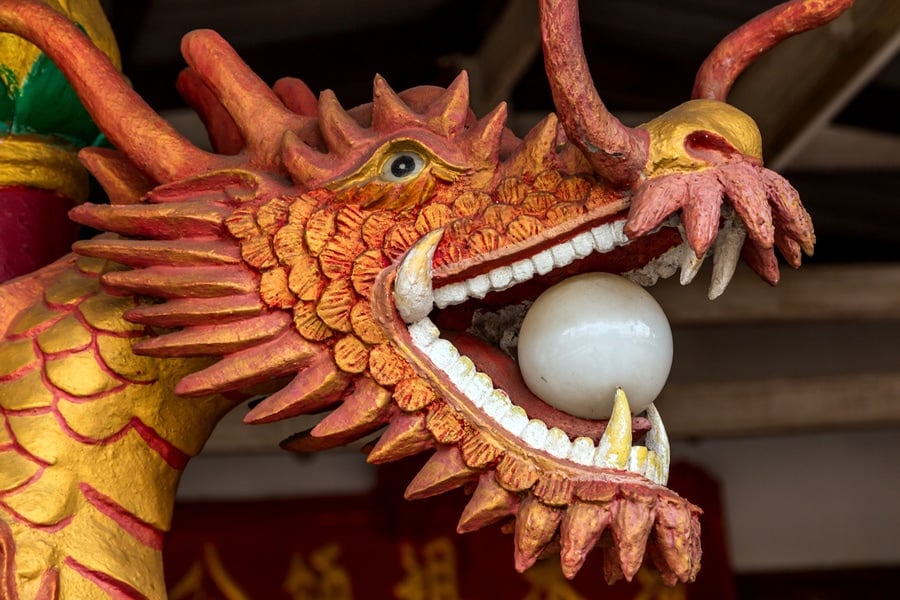
Pearls And The Moon
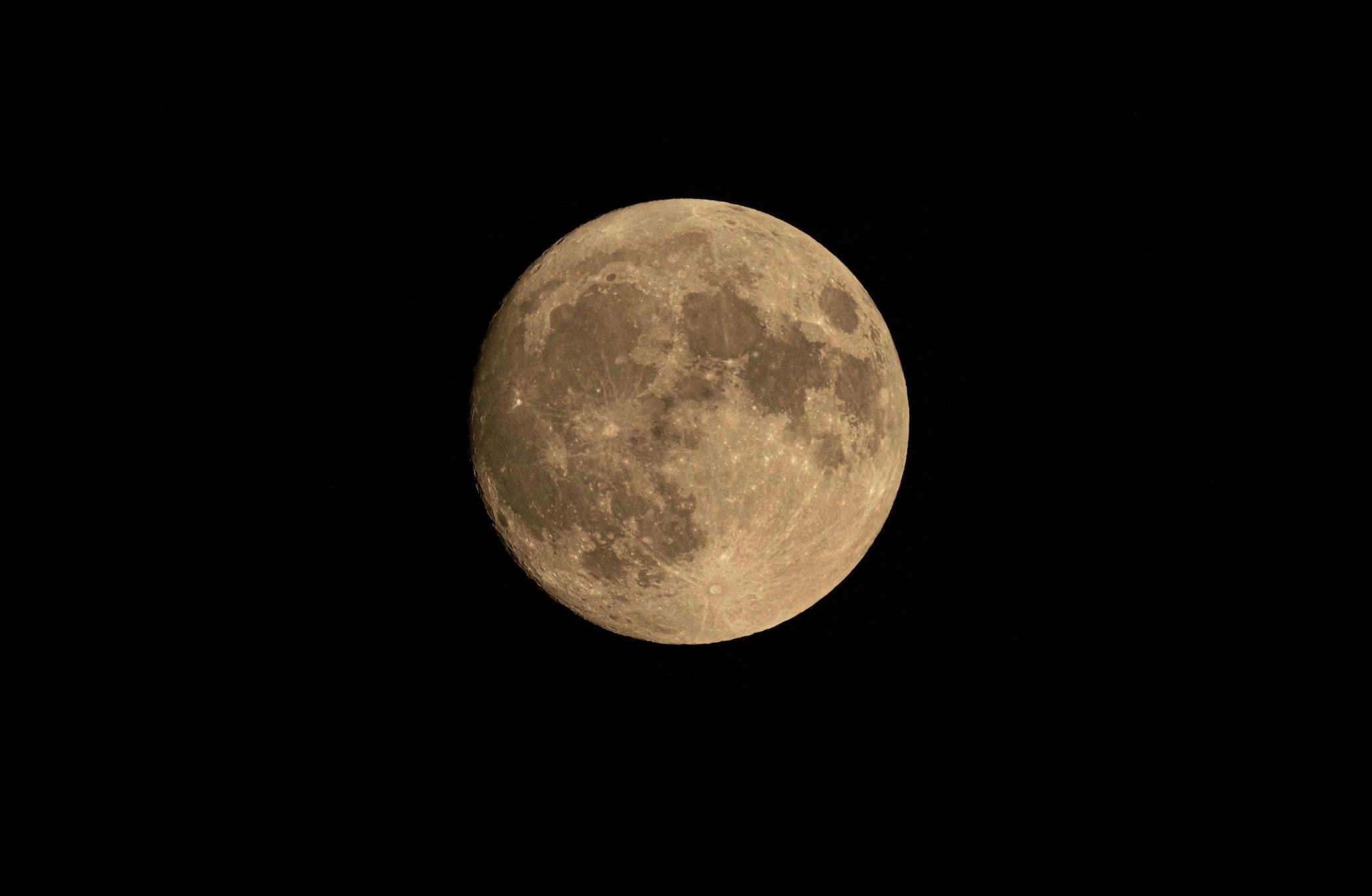
The pearl has long been read as a symbol of the Moon by many ancient cultures, including the ancient Hindus, Greeks, and Romans. The Moon was thought to bring balance and harmony, so the pearl was credited with those same gifts. In many legends, pearls were said to attract prosperity, good fortune, and protection. Warriors heading into battle wore them as a shield, the way a soldier today might tuck a photo into a helmet.
Pearls Bring Tears Superstition
In some cultures, pearls were tied to tears. In ancient Japan, pearls were thought to be the tears of mermaids and nymphs. In ancient Greece, the tears of the gods. During the Victorian era, pearls were set into mourning jewelry to represent tears. It was even said that Adam and Eve cried tears of pearls when they were banished from the Garden of Eden. Those stories may explain the superstition that “pearls bring tears.” Wearing pearls on your wedding day is said to lead to tears in the marriage, and another superstition holds that pearls should be given as a gift, because buying them for yourself only brings tears. The same warning attaches to opals. Folklore tells you what people felt about a stone, not what the stone can do.
Moonstone: History and Lore
Moonstone is a variety of the mineral feldspar, prized for an optical effect called adularescence. Light enters the stone, scatters off thin internal layers, and seems to float just under the surface like a small moon trapped in glass. The effect is the reason for the name.
An old Hindu legend held that moonstones were solidified moonbeams. The Romans and Greeks linked the stone to their lunar deities. From 1890 to about 1910, Art Nouveau jewelers including Rene Lalique and Louis Comfort Tiffany made moonstone one of their signature gems. Moonstone comes in white, cream, yellow, blue, and green, with the prized stones showing a clean blue floating sheen. It is called “the traveler’s stone,” credited with protection and good luck on the road, and it also stands for new beginnings and intuition.
Alexandrite: History and Lore
Alexandrite is the showpiece of the June lineup. It is a color-changing variety of chrysoberyl, found in 1830 in an emerald mine in the Ural Mountains of Russia. By legend, it was discovered on the birthday of the future Tsar Alexander II, which is how it got its name. Because the stone shifts between the imperial colors of Russia (red and green) depending on the light, it was promoted as “Russia’s national stone.”
Hold a fine alexandrite under daylight and it reads emerald green. Carry it indoors under a candle or an incandescent bulb and the same stone reads ruby red. Gemologists describe a top stone as “emerald by day, ruby by night.” The change is not a trick of the cut; it is the way the stone absorbs different wavelengths of light. The Ural deposits ran out within decades, so fine natural alexandrite is one of the rarest colored stones on the market today, with smaller deposits found in Brazil, Sri Lanka, and East Africa. The stone stands for balance, transformation, and good fortune, and it is also said to bring luck, joy, and intuition to the wearer.
Geology and Sources
- Pearl. Organic; nacre (conchiolin plus aragonite) layered around an irritant in a mollusk. Salt-water sources: Japan, French Polynesia, Australia, the Philippines. Freshwater pearls mainly from China.
- Moonstone. Orthoclase feldspar with thin albite layers that produce adularescence. Sri Lanka is the primary source; smaller deposits in India, Madagascar, Brazil, and the United States.
- Alexandrite. Color-changing chrysoberyl. First found 1830 in the Ural Mountains. Modern stones come from Brazil, Sri Lanka, and East Africa.
Famous Pearls
A look at famous pearls across history turns up some real marvels. The Abernathy Pearl was found by Bill Abernathy in 1967 in Scotland; it is white with pink overtones and one of the few freshwater pearls that is spherical and blemish-free. The Giga Pearl is the largest non-nacreous pearl in the world (non-nacreous means composed of calcite rather than aragonite); this whopper weighs 61 pounds and was found in the Philippines. The Abu Dhabi Pearl, a pale-pink specimen found in 1992 at a site dating to the late Stone Age, is one of the oldest pearls ever discovered. Learn more about famous pearls in this video:
Famous June Birthstone Pieces
- La Peregrina Pearl. A 50.56-grain pear-shaped pearl that passed through the Spanish Crown for two centuries before ending up around the neck of Elizabeth Taylor, a 1969 gift from Richard Burton.
- Hope Pearl. A drop-shaped baroque pearl weighing roughly 1,860 grains, once owned by Henry Philip Hope, the same collector who owned the Hope Diamond.
- Hope Alexandrite. A 27-carat color-changing alexandrite from Sri Lanka, on display at the Smithsonian National Museum of Natural History.
- Tiffany Art Nouveau moonstone pieces. Louis Comfort Tiffany set moonstones into pendants, brooches, and “Pavée” mosaic pieces around the turn of the twentieth century.
June Birthstone Folklore and Healing Beliefs
Across cultures, the three June stones share a quiet, lunar character. Pearl was carried for peace, balance, and protection. Moonstone was carried by travelers for safe passage and used by healers as a calming stone. Alexandrite is said to balance the emotional with the practical, which fits a stone that literally changes color depending on where you stand. The usual Almanac caveat applies: none of these stones has been shown in a clinical setting to heal anything. Wear them because they are beautiful and because they connect you to a long line of people who found meaning in them.
Pearl, Moonstone, Alexandrite, and the Zodiac
June straddles two zodiac signs. Gemini runs May 21 to June 20; Cancer runs June 21 to July 22. Cancer is the moon-ruled sign, which lines up neatly with pearl and moonstone. Gemini, the air sign of communication and quick change, fits alexandrite’s color-shifting personality almost too well. Leo, which begins July 23, sometimes claims alexandrite too, since the stone’s red fire suits a fire sign.
How to Care for Pearls
Pearls are the gentlest of all birthstones, sitting at 2.5 to 4.5 on the Mohs hardness scale. Almost everything else in your jewelry box is harder than they are.
- No chemicals. Keep pearls away from perfume, hairspray, lotion, makeup, and household cleaners. Acid eats nacre.
- Wipe after wear. A soft, slightly damp cloth removes skin oil and salt.
- Store separately. A soft pouch keeps harder stones from scratching the surface.
- Wear them often. Pearls actually do better with skin contact than locked away; the light moisture keeps the nacre glowing.
- Restring annually. Have a regularly-worn strand re-knotted on silk thread once a year by a jeweler.
Caring for Moonstone
Moonstone sits around 6 to 6.5 on the Mohs scale and can crack along internal layers if knocked. Clean with warm soapy water and a soft brush. Skip ultrasonic and steam cleaners.
Caring for Alexandrite
Alexandrite is the toughest of the three at 8.5 on the Mohs scale. Warm soapy water and a soft brush handle daily cleaning. Ultrasonic and steam cleaners are usually safe for untreated stones; check with your jeweler first if the stone has been heat-treated.
Choosing a June Birthstone
For a June birthday, the choice usually comes down to budget and personality. Pearl is the safe classical pick. Moonstone is the budget-friendly romantic, in the same color family as pearl but lit from within. Alexandrite, in a natural stone, is the splurge; lab-grown alexandrite is a far cheaper option that still shows the color change.
- Budget pick. A simple freshwater pearl strand, or a silver moonstone ring.
- Heirloom pick. An Akoya pearl strand or stud earrings.
- Showstopper pick. A natural Brazilian or Sri Lankan alexandrite, ideally with documentation from the Gemological Institute of America.
June Birthstone Anniversary Significance
Beyond birthdays, pearl and alexandrite both show up on the traditional anniversary list. Pearl marks the 3rd anniversary in modern lists and the 30th in older traditions, which is why pearl strands turn up so often at thirtieth-anniversary parties. Alexandrite marks the 55th.
Wear the One You Love
Three stones is a generous inheritance for one month. Pick the one whose story fits you and wear it often. The pearl will grow warmer against your skin, the moonstone will catch the light at odd hours, and the alexandrite will surprise you twice a day when the light changes around it. Any of the three is a correct answer to “What is the June birthstone?”
Related Reading
Find out more about other birthstones, the lighter May birthstone (emerald) that hands the calendar over to June, the brighter July birthstone (ruby) that follows it, and the wider story of June birth-month symbols and fun facts.

June Birthstone FAQ
What are the three June birthstones?
Pearl, moonstone, and alexandrite. Pearl is the traditional stone. Moonstone was added in 1912 when the modern American birthstone list was standardized. Alexandrite is the rarer third option, prized for changing color from green in daylight to red under lamplight.
Which June birthstone is the most expensive?
A fine natural alexandrite is by far the most expensive of the three, often more per carat than diamond or emerald in top quality. Pearl prices vary widely; a strand of fine South Sea or Tahitian pearls can run into the tens of thousands. Moonstone is the most affordable of the three.
Is it bad luck to wear pearls on your wedding day?
That is the old superstition, that pearls on a wedding day bring tears in the marriage. It is folklore, not a forecast. Plenty of brides wear pearls anyway, especially since pearls were a gift from Krishna to his daughter on her wedding day in the original Hindu story.
How can I tell a real alexandrite from a fake?
A natural alexandrite will show a clear color shift between sunlight and incandescent light. Many color-change stones on the market are synthetic corundum or color-change garnet sold as alexandrite. Ask for a grading report from the Gemological Institute of America before paying natural-stone prices.
Are cultured pearls real pearls?
Yes. A cultured pearl is grown by a real mollusk and made of real nacre. The only difference from a wild pearl is that a human placed the starter bead inside the shell rather than the irritant arriving by accident. Kokichi Mikimoto produced the first commercially viable cultured pearl in Japan in 1893.
What zodiac signs go with the June birthstones?
Gemini (May 21 to June 20) and Cancer (June 21 to July 22) split the month. Pearl and moonstone fit moon-ruled Cancer naturally. Alexandrite, with its split personality, fits Gemini’s air-sign nature. Some traditions also assign alexandrite to Leo, which begins July 23.
What anniversary does the pearl mark?
Pearl marks the 3rd wedding anniversary in modern American lists and the 30th in older traditions. Alexandrite marks the 55th anniversary.
How do I keep pearls from losing their shine?
Keep them off chemicals, wipe them with a soft cloth after wearing, store them in a soft pouch separate from harder stones, wear them regularly so they pick up gentle moisture from your skin, and have a restrung strand re-knotted by a jeweler about once a year.
Join The Discussion
Were you born in June? Had you ever heard of the connection between pearls and the Moon?
Do you believe that pearl birthstone brings tears? If so, do you wear moonstone instead? Or have you splurged on alexandrite?
Let us know in the comments below.


Tamra Albright-Johnson
Tamra Albright-Johnson specializes in the unique histories and folklore around rare stones. She owns and operates a custom jewelry shop with her daughter, Kennie, in Iowa.
- Tamra Albright-Johnson

- Tamra Albright-Johnson
- Tamra Albright-Johnson
- Tamra Albright-Johnson


Please define Arkansas Pearl. I have a pearl ring, and have always been told the pearl was from Arkansas, but the only way to prove it was from Arkansas was to cut it open which would destroy the pearl. I received the ring from an elderly lady over 60 years ago.
I was born 06-07-1989 or 6789. being born in June I am drawn to moonstones more than anything and of course the moon is a breath of fresh air.
I am born in June. I don’t wear pearls often but Alexandrite is my go to.
Yes, alexandrite is a beautiful stone. Thanks for sharing, Sheree! ?