

5 Appalachian Winter Traditions Worth Keeping Alive
Quick Reference: Appalachian Winter Traditions
- Region: The southern Appalachian Mountains, running from western North Carolina up through eastern Kentucky, West Virginia, and southwest Virginia.
- Peak season: Late November through early March, when the leaves are down and the deep-cold traditions kick in.
- Five classic activities: Winter mushroom hunting, trout fishing, competitive sledding, cooking from a canned pantry, and gathering around a bonfire with hot spiced drinks.
- Featured voice: Whitney Johnson, known online as the Appalachian Forager, sharing traditions from eastern Kentucky.
- Best-tasting winter mushrooms: Hedgehogs, yellowfoot chanterelles, and oyster mushrooms, all foraged on cold, damp hardwood ground.
- Safety note: Never eat any wild plant or fungus without confirmed identification from a trusted expert or field guide.
Hey FA Readers! We love finding young folks who are keeping their family’s heritage alive, and Whitney Johnson, better known as the “Appalachian Forager,” is one of them. Whitney mixes humor and tradition into a social media presence that has pulled thousands of new readers back to the woods. We asked her to share the winter activities she and her family in eastern Kentucky look forward to every year. Read on, then get outside.
Quick note before Whitney takes over: “Appalachia” here means the southern stretch of the Appalachian Mountain range, roughly the counties shaded in the Appalachian Regional Commission’s official region map. Whitney’s home ground is eastern Kentucky, marked in yellow on that map. That is where the hills, the hollers, and the strongest winter traditions live.
5 Appalachian Winter Traditions Worth Keeping Alive
The wintertime blues are real, and for a lot of years I caught them hard. What finally pulled me out was not a supplement or a screen. It was the hills, the woods, and the pantry my family stocked all summer for exactly this stretch of the calendar. I learned to go outside, forage, sit with my people, and use everything the region gives.
Being Appalachian means the cure for cabin fever is usually within a boot-print of the back door. Below are five of the winter holiday traditions I count on every year, from the first snow through the last thaw. Try one this season if the short days are getting to you.

1) Go Winter Mushroom Hunting
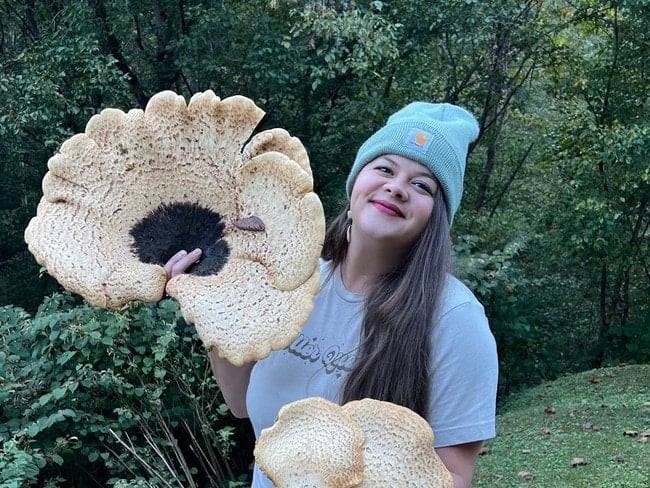
My favorite Appalachian winter tradition is mushroom hunting. Yes, in the winter. Most people picture morels in April and stop there, but our cold months put some of the best-tasting edible fungi on the ground. In eastern Kentucky I regularly bring home hedgehog, yellowfoot, and oyster mushrooms all season. Some of them show up under a dusting of snow, and I brush the caps clean and drop them straight into the sack.
There is nothing like turning a bag of wild mushrooms into a rich, earthy skillet dish when the wind is howling outside. Hedgehogs, yellowfoot chanterelles, and oysters happen to be three of the finest-tasting mushrooms out there. Better yet, they are free.
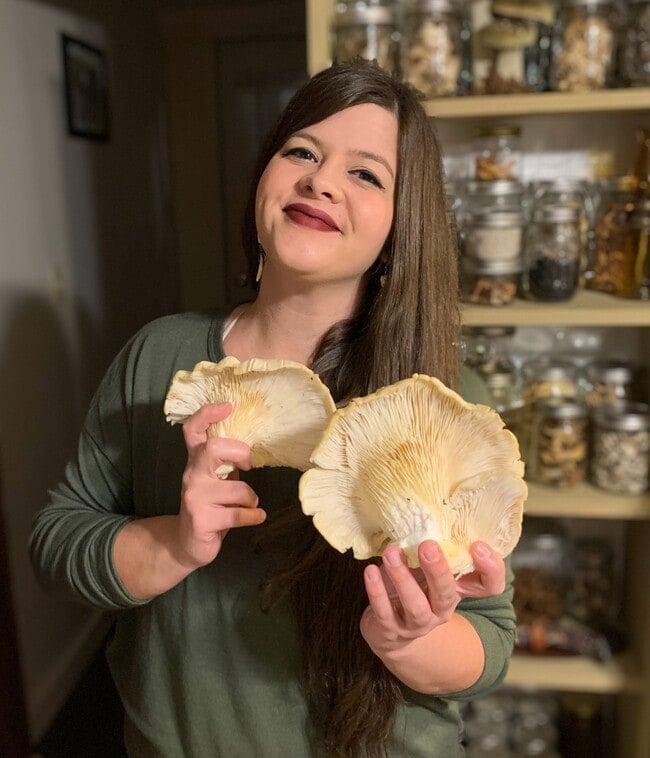
Oyster mushrooms are the easiest to spot. They grow in overlapping fan-shaped clusters on dead or dying hardwood, and they push through hardest after a stretch of cold rain. The tell is the decurrent gills that run down the stem. If the gills stop at the top of the stem it is not an oyster.
Hedgehog mushrooms are the next one to learn. They are orange-cream on top and covered in tiny teeth or spines on the underside of the cap, which is where the name comes from. No teeth, not a hedgehog. Yellowfoot chanterelles are trickier and prefer damp mossy ravines, but the effort is worth it.
Winter mushrooms at a glance
Note: Farmers’ Almanac recommends that you forage with caution. Do not eat anything from nature without confirmed identification from a trusted expert or field guide. When in doubt, throw it out. The USDA and your state cooperative extension can point you to certified wild-mushroom identification workshops in your county.
2) Trout Fishing In Appalachia
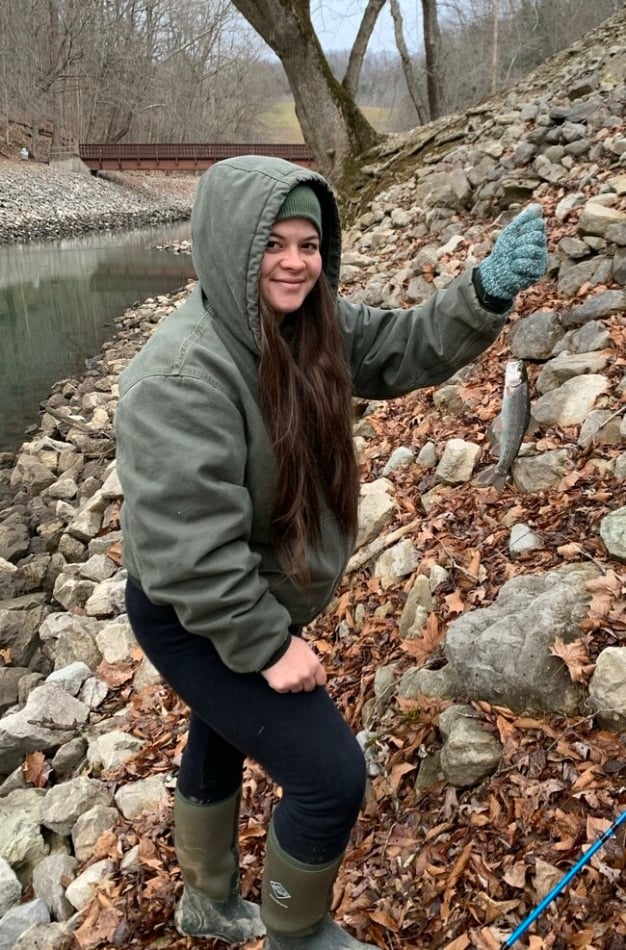
Once the water gets cold, you can find me at the lakes and spillways with a bucket of live nightcrawlers. Trout cannot resist a fat earthworm. I have used trout dough and crappie nibbles too, and both work in a pinch, but nothing outfishes a fresh nightcrawler on a light hook.
There is nothing like watching your bobber dance while snow drifts down around you. Rainbow and brook trout are mild, sweet fish, and the best part is that you do not have to scale them. A trout you caught two hours ago, pan-fried in bacon fat, is a better Appalachian winter tradition than any restaurant meal I have ever paid for. I fill the freezer and share bags with neighbors well into summer.
Winter is also stocking season in most Appalachian states. State wildlife agencies release trout into public streams and tailwaters from November through March, and the fish are still concentrated in the first week or two after each stocking. Check your state’s stocking calendar (Kentucky, West Virginia, Virginia, North Carolina, and Tennessee all publish one) and time your morning around it.
3) Try Competitive Sledding
What would winter be without playing in the snow? In Appalachia sledding is not just for kids. My 60-plus year old dad still flies down snowy hills every winter with the rest of us. Since I was little, my family has treated sledding like a sporting event, complete with a start line, a finish line, and someone yelling times from the bottom.
Growing up I would layer old sweatpants under jeans, pull socks over my hands for gloves, and slide bread bags over my socks before pulling on my boots. Fun fact worth remembering: bread bags really do keep your feet dry and warm. They act as a cheap vapor barrier, exactly like the mountaineering trick.
When I was little they would stack three of us kids on the inner tube of an old coal-truck tire and shove us off the hill. In Appalachia, anything works as a sled: garbage can lids, satellite dishes, cardboard boxes, contractor trash bags, you name it. If it slides, it counts.
Snow cream: the Appalachian winter dessert
While you are out there, do not forget the true prize of a heavy snow: snow cream. It is our regional cold-weather dessert, and it tastes exactly like childhood. Scoop clean fresh snow into a big bowl, stir in sweetened condensed milk and a spoon of sugar, add a splash of vanilla, and eat it before it melts. Chocolate chips are optional but recommended.
- Send a kid outside with a clean stainless bowl and have them scrape the top inch of a fresh, still-falling snowfall.
- Pour in about half a can of sweetened condensed milk for every 4 cups of snow.
- Add one tablespoon of sugar and one teaspoon of vanilla extract.
- Fold gently with a wooden spoon until it looks like soft-serve ice cream.
- Add chocolate chips, chopped pecans, or a splash of black cherry juice if you are feeling frisky. Eat straight away.
4) Eat Your Harvested Goodies
What is better than fresh garden vegetables? Honestly, probably nothing. A close second is garden vegetables you canned back in July. Every winter I look forward to turning summer’s jars into wholesome, rustic meals. A favorite of mine is a big hot bowl of chili made with fresh deer meat and canned garden tomatoes. Another is a fat ham hock simmered slow with beans, pickled corn, macaroni, and tomatoes. Shew-wee.
My late mamaw passed down her knack for country cooking and taught me to preserve everything the woods gave up. I can or freeze wild fruit I forage in summer and fall, so the pantry stays loaded with spiced pears, pawpaws, elderberries, persimmons, wineberries, and blackberries. Try being sad while you are eating a summertime fruit cobbler on a gray Tuesday in December. You just cannot.
If you want to build your own Appalachian pantry from scratch, the University of Kentucky Cooperative Extension publishes free guides on home canning and freezing under the UK Family and Consumer Sciences program. Start there, then take a low-cost water-bath canning class through your state extension office before you invest in a pressure canner.
5) Drink Spiced Beverages Around A Bonfire
The last Appalachian winter tradition on my list is also the simplest. Get some friends and family together, build a fire, and pass around warm drinks. I break out the old crockpot and infuse ciders and wines for hours before anyone shows up. The house smells like church.
Lately I have been leaning on foraged spicebush berries, which are the Appalachian answer to allspice, and I lift the flavor with spruce tips and a store-bought mulling packet. Let the spices warm all the way through, pour into a mug, and sip. Your bones warm up first, then your soul catches on.
There is something about being around a fire that seems to slow time down. The stories sound better, the laughter gets louder, and the quality time feels sweeter. It is worth pulling a jacket on for.
The Farmers’ Almanac Angle: Why Winter Is Peak Appalachian Season
Farmers’ Almanac readers have written in about Appalachian folkways for more than 200 years, and the pattern in the letters is consistent: the deep-cold months are when the region’s traditions run hottest. The reason is practical. Once the leaves drop, sightlines open in the woods, forage is easier to spot, streams run cold enough to hold trout, and long dark evenings give families time to actually sit together.
Whitney’s five traditions all fit that pattern. Each one turns a winter constraint (cold, snow, short days, a pantry that has to last) into something worth showing up for.
Traditions By Sub-Region
Appalachia is not one place. The traditions shift as you move north through the range. Here is a rough breakdown of what tends to define winter in each sub-region, drawing on the Appalachian Regional Commission’s north-central-south framing.
How To Start Your Own Appalachian Winter Tradition
You do not have to be born in the hollers to borrow this way of doing winter. Pick one of the five, do it once, and see if it sticks. My rule of thumb: choose the tradition that answers the winter problem you actually have.
- Cabin fever? Start with winter mushroom hunting. Sign up for a certified wild-mushroom ID walk through your state extension office, then go out with a printed field guide and a friend.
- Bored on weekends? Buy a state fishing license and a dozen nightcrawlers, then check your state wildlife agency’s trout-stocking calendar and show up two days after a stocking run.
- Kids climbing the walls? Run a proper sled tournament: three sleds, three heats, one homemade trophy. Snow cream at the finish line.
- Groceries out of budget? Learn water-bath canning this spring so next winter’s pantry is stocked with your own tomatoes, green beans, and pickled corn.
- Feeling isolated? Invite four people to a backyard bonfire once a month. Provide the fire and the cider. Ask them to bring the stories.
Appalachia is a special place. It shaped my traditions and it is why I stayed. The comradery and family ties are strong here, the rolling landscape never disappoints, and truly it is one of the most beautiful places anywhere, so deeply steeped in tradition. I would fight a grizzly bear if it thought otherwise.

Frequently Asked Questions About Appalachian Winter Traditions
What are the most authentic Appalachian winter traditions?
The five that show up most in old Farmers’ Almanac letters and in living memory are winter mushroom foraging, cold-water trout fishing, family sledding with snow cream, cooking from a home-canned pantry, and gathering around a bonfire with hot spiced cider or wine. All five turn a winter constraint into a reason to get out of the house.
Can you really forage for mushrooms in winter in Appalachia?
Yes, and it is one of the region’s oldest winter habits. Hedgehog mushrooms, yellowfoot chanterelles, and oyster mushrooms all fruit in cold weather after damp spells and can be harvested through light snow. Learn the ID cold before you eat one. A state cooperative extension office is the safest place to start.
Is snow cream safe to eat?
Snow cream is a classic Appalachian winter tradition, and yes, it is safe when you use fresh, clean snow from a still-falling snowfall, well away from roads and rooftops. Skip the first hour of snowfall, which scrubs the air of soot, and gather from the middle of the storm. Mix within minutes and eat right away.
When is the best time to fish for trout in Appalachia?
The peak Appalachian trout window runs from November through March, when most southern and central Appalachian states stock rainbow, brown, and brook trout into public streams and tailwaters. Fish in the first ten days after a stocking, use live nightcrawlers, and time your morning around the first two hours of light.
What is a spicebush berry, and can I use it in cooking?
Spicebush (Lindera benzoin) is a native Appalachian shrub with small red berries that ripen in fall. Foragers dry the berries and use them as an allspice substitute in cider, wine, meat rubs, and baked goods. If you have not foraged spicebush before, try mulled cider first: two teaspoons of dried, cracked berries per quart of cider, warmed slowly.
What if I do not live in Appalachia? Can I still adopt these winter traditions?
Absolutely. Every one of these traditions travels. Cold-weather mushroom foraging works across the Midwest and Northeast, trout stocking runs in most states, snow cream is a snap wherever it snows, home canning is regional to nowhere, and bonfires with hot cider are a global cold-weather answer. Borrow one, add local ingredients, and it becomes yours.
Where does Appalachia begin and end?
The federally defined Appalachian region covers 423 counties across 13 states, from northern Mississippi to southern New York, per the Appalachian Regional Commission’s official region map. When Whitney says “Appalachia” she generally means the southern half, especially eastern Kentucky, West Virginia, and southwest Virginia. The traditions in this article are strongest there.
Related Articles
Budget-Friendly Ways To Celebrate The Holidays
How To Dry Green Beans Appalachian Style
Twelfth Night Wassail Holiday Punch
Join The Discussion
Are you from Appalachia, or have you ever been?
Do you share in any of these Appalachian winter traditions?
Let us know in the comments below.

Whitney Johnson
Whitney Johnson is a full-time forager, outdoor enthusiast, and licensed psychotherapist based in eastern Kentucky. Her forte is mushroom hunting, but she doesn’t discriminate any wild edibles. You can find her quirky, educational videos on TikTok and Instagram: @appalachian_forager. Learn more about her at appalachianforager.com

I follow Appalachian Forager on facebook. The young lady really knows her stuff! I was raised on backroads in Pennsylvania and come from a large family that foraged and hunted to keep food on the table. I enjoy her page very much.
She really is wonderful, isn’t she!!
I love this girls’ take on her heritage. Keeps it real
Wow, you really know how to do a lot! The preservation off food, foraging for food, etc is a slowly dying art in this day and age.
I’m rom Corbin, Ky. you may have the region wrong – I didn’t look at your map. but “Appalachia” generally refers to from below the Mason-Dixon to above Georgia.
Appalachia runs from Alabama to Maine. I grew up in Pennsylvania, live in Western Maryland and my husband is from West Virginia and we are appalachian born, bred, and raised. The mountain range actually extends into Europe.
I’m from Middlesboro where are you from. I now live in Georgia.
Hi Linda! Appalachia is a beautiful place with lots of lovely traditions. Thanks for leaving a comment and saying hello. ?
My daughter now lives in Georgia. I’m in NW Florida for the last 6 years moving from NYC. I have a small farm and am learning to garden by the moon and forage mushrooms.