

Leather Britches: How to Dry String Beans the Old Way
This Appalachian method is a unique way to preserve your late summer garden green bean harvest.
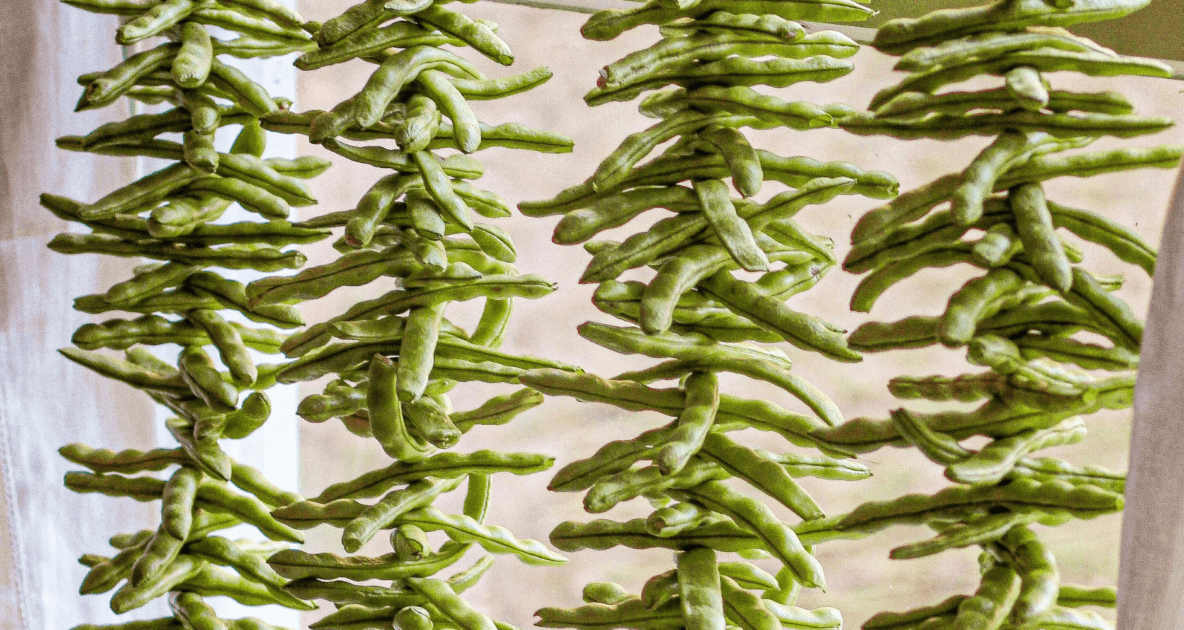
Quick Reference: Leather Britches
- What they are: whole green beans dried on the pod, an old Appalachian preserving method also called shuck beans or fodder beans.
- What you need: 2 lbs of tender string beans, a darning needle, and sturdy string cut in 2 to 3 foot pieces.
- How to dry: thread the beans and hang them in a dry, airy spot, or lay them on a screen in the sun and bring them in at night.
- How long: 2 months or more, until the beans shrink, turn leathery, and rattle when you shake the string.
- How to cook: soak overnight, then simmer about 3 hours with salt and a little seasoning meat. Two pounds dried will serve 4.
Green bean season hits its peak in the late summer of 2026, and if your rows are giving you more than you can eat fresh, you have more than one way to put them by. Freezing, canning, and even pickling all work well, but did you know you can also air-dry green beans into “leather britches”? This time-tested, low-cost method is relatively unheard of today, yet it is finding a new wave of fans among new gardeners and homesteaders. It needs no electricity and no fancy kitchen gear, and it saves you some much-coveted freezer space. With peak green bean season upon us, it is a fine time to give the technique a try.
What Are “Leather Britches”?
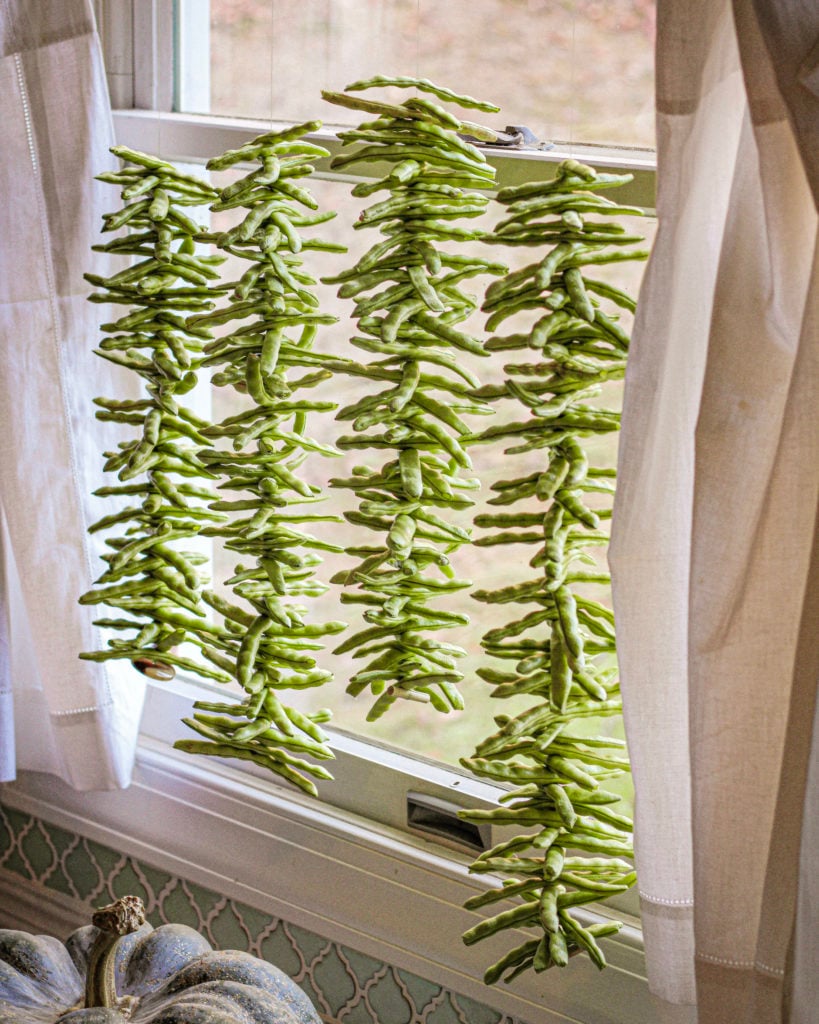
Also known as “fodder beans” or “shuck beans,” because they were dried “in the shuck,” drying string beans into leather britches was common down South in old Appalachia. Back before canning and modern refrigeration were easy to come by, drying was the most popular way to preserve produce, helping stretch a summer harvest through the long winter months. The beans were later cooked into dishes that became a traditional part of Thanksgiving, Christmas, and New Year’s meals. We include the recipe below.
And that funny name? The beans were called leather britches because they look leathery and shriveled, a bit like a worn pair of pants, once they finish drying. The name stuck, and so did the method, handed down porch to porch and kitchen to kitchen for generations.
Drying Green Beans For Later Use
Making leather britches the old Appalachian way generally means stringing the beans with a needle and thread, much the way you would string popcorn or cranberries for a garland, then hanging them to dry. If you would rather not sew, you can lay your green beans on a screen and set them out in the sunshine, bringing them in at night, until they are properly dried. Resist the temptation to reach for the dehydrator if you own one. It is the slow air-drying that cures the deep flavor folks associate with leather britches, and a machine hurries the beans past it.
Drying works because it pulls the moisture out of the pod, and mold and bacteria cannot get a foothold without water. That same principle is why our grandparents dried apples, corn, and hot peppers on strings above the stove. If you want to see how home food-preservation folks handle drying vegetables safely today, the University of Georgia’s National Center for Home Food Preservation keeps a plain-English guide to drying vegetables at home.
- Green beans are an above-ground crop, so traditional Gardening by the Moon wisdom favors planting them in the light, or waxing, of the Moon.
- The Gardening by the Moon Calendar lists this month’s Best Days to plant beans in your area.

Choosing the Best Beans for Drying
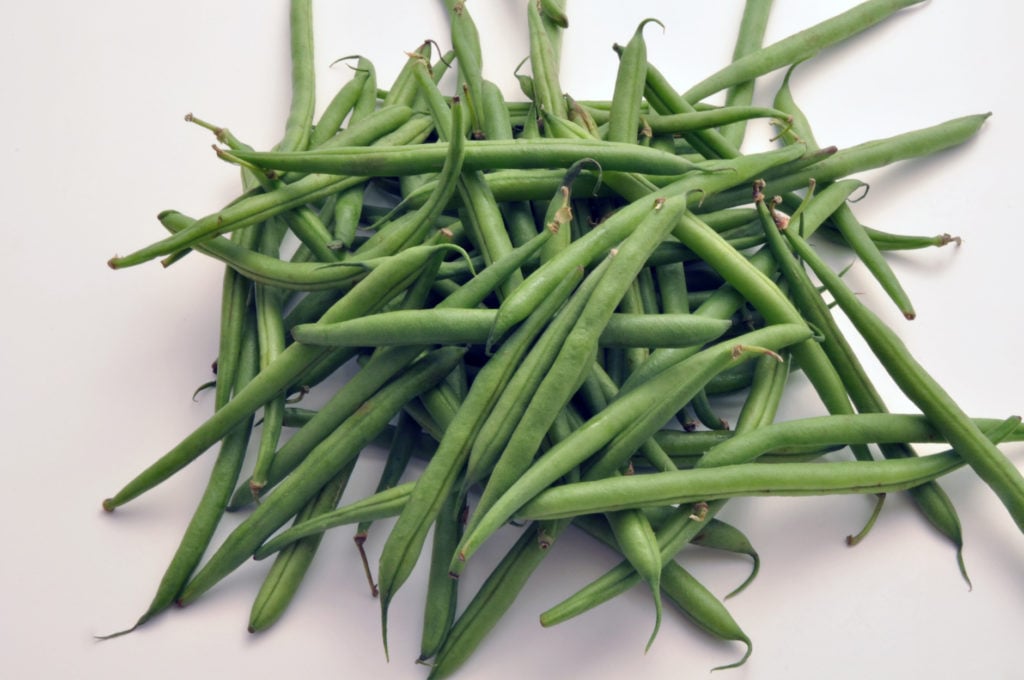
The bean you start with decides how well your leather britches turn out. Use green beans that are tender and “snappy,” since those rehydrate better later. Leather britches were originally made from greasy beans, a family of heirloom green beans with smooth, shiny pods, but any sturdy, non-fuzzy bean of that type will dry well. A good heirloom variety works best, because the larger beans and thicker skins hold up on the string.
Pick beans at their prime, not the tough, overgrown ones you missed at the back of the row. If you are growing your own, tuck a few bean-friendly neighbors nearby, since beans get along with corn, cucumbers, and many herbs. Our companion planting guide lays out which pairings help and which to keep apart. The better your fresh beans, the better your dried ones.
How To Make Leather Britches: Method
Equipment Needed:
- Sturdy string (kite string or clean, unwaxed dental floss) in 2 to 3 foot pieces
- Darning or large sewing needle
- 2 lbs. of garden string beans
Step 1, Choose Your Beans
Use tender, snappy beans that rehydrate well, and favor a heirloom variety with larger beans and thicker skins. Set aside any that are bruised, spotted, or starting to soften, since one bad bean can spoil a whole string.
Step 2, Prepare Your Beans
Rinse and thoroughly dry your string beans. Snap off the stem ends, and leave the sharp pointed tip at the other end intact. You can cut the beans in half or keep them whole, whichever you prefer.
Step 3, Thread Your Needle
Thread your needle with a length of string and tie a single bean to the far end to act as an anchor so the rest do not slide off. Work over a clean towel or tray to catch any beans that get away from you.
Step 4, Stitch Your Britches
Create 2- to 3-foot long ropes of beans. Push the needle through the middle of each green bean and slide it down the string against the anchor bean. Space the beans slightly apart so air can move around each one, which keeps them from molding while they dry. The technique is explained in the video below.
Step 5, Hang Them To Dry
Hang your string of beans somewhere dry, such as an unused room, a back porch, a pantry, or even the kitchen. Hanging them in a smokehouse or above a wood stove adds a smoky taste to your leather britches. Some folks find a dry, dark, cool place dries them best, while others prefer to hang them in the sun. The main thing is good air circulation and low humidity, since damp air invites spoilage.
How To Tell When They Are Ready
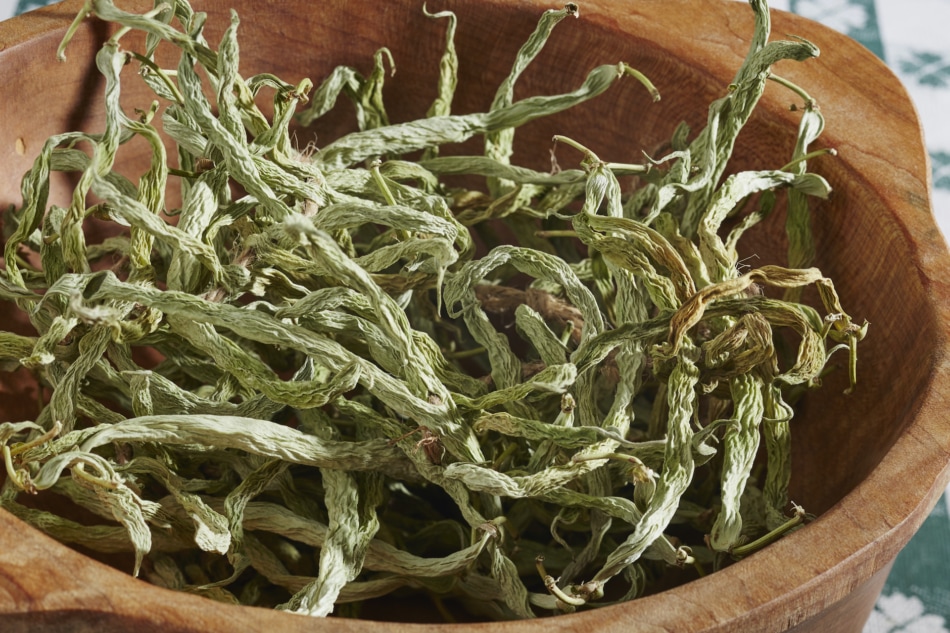
Let the beans dry until they are completely free of moisture. Depending on your air circulation and climate, this may take 2 months or longer. The dried beans will shrink and turn leathery and brittle. If they rattle when you shake the string, they are probably done.
Do not let their resemblance to old shoelaces put you off. Slowly dehydrating green beans coaxes out some unexpected flavors. Once you cook and eat them, you will find the drying process builds a deep, savory flavor and a meaty texture you simply cannot get from a fresh or frozen bean.
Storing Your Leather Britches
Once dried, you can unstring the beans and store them in a clean jar or airtight container. You can also just toss them with a little salt and store them, string and all, in a flour sack, a pillowcase, or a paper bag. A dried pepper added to the sack may help keep insects out. Keep your leather britches in a cool, dry place until you are ready to eat them.
Leather britches should last through the winter, and often longer, which makes them a healthy addition to your fall and winter pantry. Check the jar now and then for any sign of moisture or musty smell, and if you see either, the beans took on damp air and should be tossed rather than cooked.
Cooking Your Leather Britches
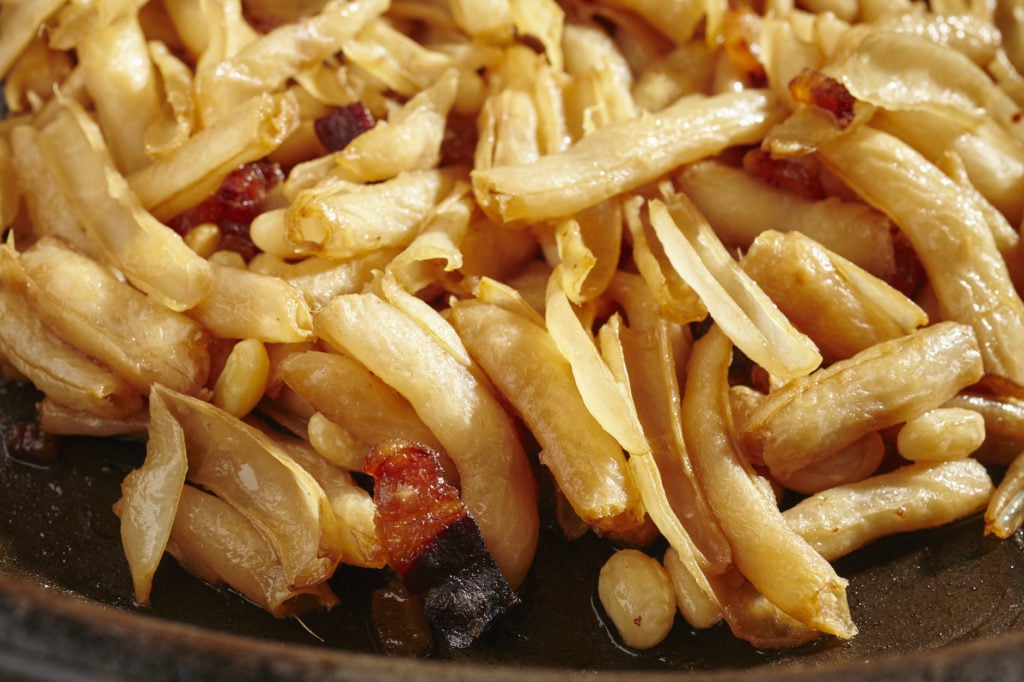
When you are ready to cook your leather britches, give yourself ample time. The beans need time to rehydrate and get tender, and the cooking itself is slow, which is how you develop a savory potlikker, the rich broth left behind. The wait is well worth it. Two pounds of green beans, dried, will serve 4 cooked as a side dish.
“The drying of the beans develops so much umami, it’s mind blowing… The potlikker that comes off these beans tastes like roast beef!”
Chef Sean Brock
Appalachian Style Leather Britches
Ingredients:
Dried green beans (as dried, above)
Water
1 teaspoon salt, or more to taste
2 inches square salt bacon, bacon grease, ham hock, or oil for a vegetarian option
Directions:
Wash the dried green beans in a colander. Place them in a pan with enough water to cover the beans and let them stand overnight.
The next day, pour off the water and rinse the beans. Place them in a large pot with a tight-fitting lid. Add the salt, 3 cups of water, and your seasoning meat or oil. Cook over medium heat for roughly three hours, checking for doneness after a couple of hours and adding more water if needed.
Once fully cooked, add salt, pepper, or even a touch of sugar to taste. Leather britches tend to swell up as they cook, so be careful how much you start with. A little goes a long way. The cooking liquid only improves the longer you let it simmer.
Serve It With Cornbread!
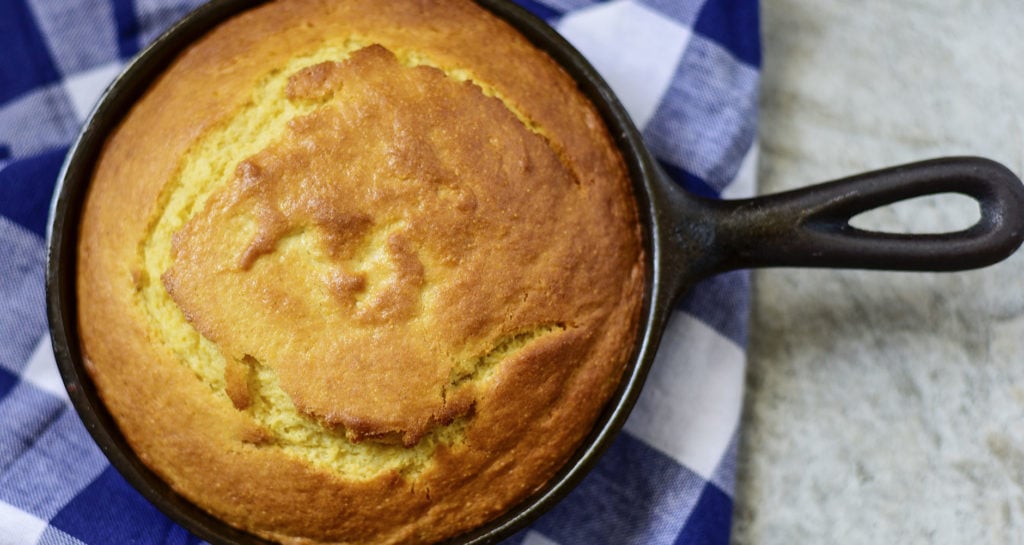
This traditional Appalachian dish is wonderful served alongside some hot cornbread and sliced raw onion. The cornbread is made for sopping up that roast-beef-rich potlikker, and the sharp onion cuts the richness of the pot.
A Taste of Appalachian History
Leather britches are more than a clever trick. For mountain families with short growing seasons and long, cold winters, drying beans was a matter of getting through to spring. A string of beans over the woodstove was pantry and calendar at once, a reminder that summer’s work fed the winter’s table. Serving the beans at Thanksgiving, Christmas, and New Year’s tied the harvest to the holidays, and many families still keep the tradition alive today.
If you enjoy putting food by the old-fashioned way, you are in good company. Home cooks who dry, can, and pickle often keep a few other natural pantry staples on hand as well. A string of leather britches fits right in with that steady, self-reliant kitchen, and it costs almost nothing but a little patience.

Leather Britches: Frequently Asked Questions
What are leather britches?
Leather britches are whole green beans dried on the pod, an old Appalachian preserving method also called shuck beans or fodder beans. The beans are often strung on thread and hung to dry, then rehydrated and slow-cooked later. The name comes from their leathery, shriveled look once they finish drying.
How long does it take to dry leather britches?
Plan on about 2 months, and sometimes longer, depending on your air circulation, humidity, and climate. The beans are ready when they have shrunk, feel leathery and brittle, and rattle when you shake the string. Do not rush them, since any moisture left inside can cause spoilage in storage.
Can I use a dehydrator instead of air-drying?
You can, but it is not recommended for true leather britches. A dehydrator will dry the beans, yet it hurries them past the slow air-drying that cures the deep, savory flavor the dish is known for. If flavor is your goal, string the beans and let time and dry air do the work.
What kind of green beans work best for drying?
Choose tender, snappy beans, ideally a heirloom variety with larger beans and thicker skins, since those rehydrate and hold up best. Traditional leather britches were made from greasy beans, a smooth, shiny-podded family of heirlooms, but any sturdy, non-fuzzy bean of that type will dry well.
How do you cook dried leather britches?
Wash the dried beans, then soak them in water overnight. The next day, drain and rinse, place them in a pot with 3 cups of water, salt, and a bit of seasoning meat or oil, and simmer for roughly three hours until tender. Two pounds of dried beans will serve 4 as a side dish, and the potlikker gets richer the longer it cooks.
How long do leather britches keep in storage?
Stored in a clean jar or airtight container in a cool, dry place, leather britches should last through the winter and often longer. Tossing them with a little salt, and adding a dried pepper to the sack, helps keep insects away. Check now and then for moisture or a musty smell, and discard any batch that took on damp air.
Tell Us
Have you ever preserved your string beans this way, and have you tasted leather britches? Tell us in the comments below.


Natalie LaVolpe
Natalie LaVolpe is a freelance writer and former special education teacher. She is dedicated to healthy living through body and mind. She currently resides on Long Island, New York, with her husband, children, and dog.
- Natalie LaVolpe

- Natalie LaVolpe
- Natalie LaVolpe
- Natalie LaVolpe





Coming from the Appalachian area of SE Ky I grew up with Leather britches being on the dinner table, and there is nothing better in the world of beans than taking this bean to this process and bringing it to the table. Unreal explosive taste.
I now live in southern Alabama. The humidity here will not allow you successfully make these. I tried in my house and outside and the results was a disaster of petrified beans that would never cook.
Does anybody have a suggestion of how I could go about getting this done? Family and friends that raise the gardens in Kentucky are very close fist on their beans.Haha I’ve been willing to pay for him and pay for shipping, but nobody wants to give up a pound of their beans.
Anyways, I would like to have an idea of another method because we own a ranch we raise our own meat from Cattle, sheep, chickens, horses and a self sustaining garden for my husband and I
If anyone could make a suggestion, I would greatly appreciate it
My KY and TN relatives dry them on a prepared flat surface in their hot non-insulated attics in the summertime. And sometimes along with their awesome little ” fried apple pies”.
Hi, my grandma/mother was from Letcher County Ky, and her dad’s family was from Dingus Gap, Va. I grew up eating half runners in the summer and shuck beans for Thanksgiving and Christmas. If we were lucky sometimes at Easter. My mother got married and moved to Ohio. She had 7 kids and all of us strung beans in the summertime. My mom even recruited our friends when they were over to help us. She usually bought 2-4 bushels of beans each summer. One summer she took us to a local farm to pick our own. Needless to say after one bushel we were done!!! Lol she said it was back breaking and she never complained about the price of beans again. My brother is dying from stage four cancer and doesn’t have much longer to to live. He just recently said he would give anything to have some of Mom’s shuck beans again. I bought a very small bag from the grocery this past weekend and was going to try to test them out in my dehydrater, but now I’m not sure. I read one person say not to, but someone else said that they were great?! Any suggestions? I’d love to surprise my brother with some good old fashioned shuck beans (best I can do without taking two months to dry, due to he doesn’t have that much time left). Thanks in advance for your time and help in this matter.
Lisa, I was raised in Letcher county, ky. I grew up breaking beans and sewing beans for shuck beans too. They are absolutely the best. I’m sorry to hear your brother isn’t well. My mom passed away in December. (It’s hard to even type that) I now live in Ohio and always had a garden up until about 5 years ago. In honor of my mom I’m going back to gardening. I hope you will try the dehydrator. I haven’t ever used this method but it’s worth a try. Oh how I wish I had Leather britches I could mail to you. Best of luck and take care.
We are so happy to hear that you are going back to gardening in honor of your mom. We’re sorry to hear of your loss. Thank you for being a part of our community!
I did this last. year. They were sooo good. Going to do lots more this year.
Grew up doing this in East Tennessee
I prefer them to fresh beans- following the soaking I cook some onions , stir fry the beans a tad than add a bit of water, potatoes, bacon slab, polish sausage , salt , something a touch of white wine, cover and simmer for about 1-2 hours , 2 kill for!!!
Sounds delish, Marlyse!
My grandmother done this they were very good
I can never get the strings re-hydrated. I have been using an heirloom variety (pink tip greasy) that were recommended for leather breeches, the taste is out of this world, but the strings are indigestable. How do you get the strings soft again?
You take the string out of the bean (take both ends off the bean to thoroughly destring) before you string through the middle and hang them up to dry. Hope that helps you.
I grow stringless beans. The seeds are located in the seed section with the other green beans
String the beans when you snap the ends off.
Aint nothin better than corn bread made in iron skilet
Yes!!! Here in East Tennessee, “shuck beans” are still a must have for Thanksgiving, Christmas and Easter dinners so I still try to dry enough annually for those meals. This year, we’re in the process of drying an entire bushel. In another month, I’ll rehydrate and partially cook in the crockpot and then pressure can along with some new potatoes so they’re ready to heat and eat.
This isn’t a process to rush or you won’t get the full flavor profile. The drying process really does add so much flavor and the you’re spot on with your description of the “meatier” texture.