Best Time to Split Wood: 7 Tips to Save Your Back
Quick Reference: Best Time to Split Wood
- Best season: late fall and winter, when logs are frozen and fibers snap clean.
- By the Moon: old wood-cutting wisdom favors the waxing phase, between the new and full Moon.
- Best tool: a splitting maul for most rounds, with steel wedges for stubborn hardwood.
- Where to strike: about 2 to 3 inches in from the edge of a large round, not dead center.
- Best woods to burn: dense hardwoods like oak, hickory, hard maple, ash, and beech.
Splitting a winter’s worth of firewood is honest work, and a little timing makes it easier on your arms, your maul, and your back. Cold weather firms the wood up, the right tool does most of the lifting, and traditional Farmers’ Almanac wisdom points to a favorable window on the calendar. Here is when to split, how to split, and which woods reward the effort with the warmest, longest-burning fire.
Why This Is a Good Time to Split Wood
When this piece first ran, the window of January 28th through January 31st was an especially good time to cut firewood by traditional Almanac reckoning. That stretch fell in the waxing phase of the lunar cycle, the period between the new and full Moon, which folklore has long tied to rising energy, strength, and vitality in nature. Tasks that call for physical effort and endurance are believed to be more productive during this phase, which makes it a favored window for cutting, splitting, and stacking wood.
There is a zodiac layer to the old rule too. When the Moon passes through certain signs, especially earth signs, folklore holds that working with natural materials like timber yields sturdier, longer-lasting results. In old farming traditions, this pairing of lunar phase and zodiac placement was watched closely, with the belief that working with nature’s rhythm cut down on wasted effort. You can track the phase for any month you plan to split on our Full Moon dates page.
Beyond tradition, many people who follow lunar timing say wood cut under these conditions dries more evenly, splits more easily, and seasons into better-burning firewood. Some also believe sap levels shift with the Moon, which can affect how well wood cures over time. Direct scientific proof for the lunar effect is limited, so treat it as a planning habit rather than a guarantee. Whether you see it as a practical observation passed down through generations or simply enjoy lining your outdoor work up with natural rhythms, a cold week with a waxing Moon is a fine time to replenish the woodpile. It might be cold out, but the work warms you up, and every log stacked now is one less chore waiting on you later.
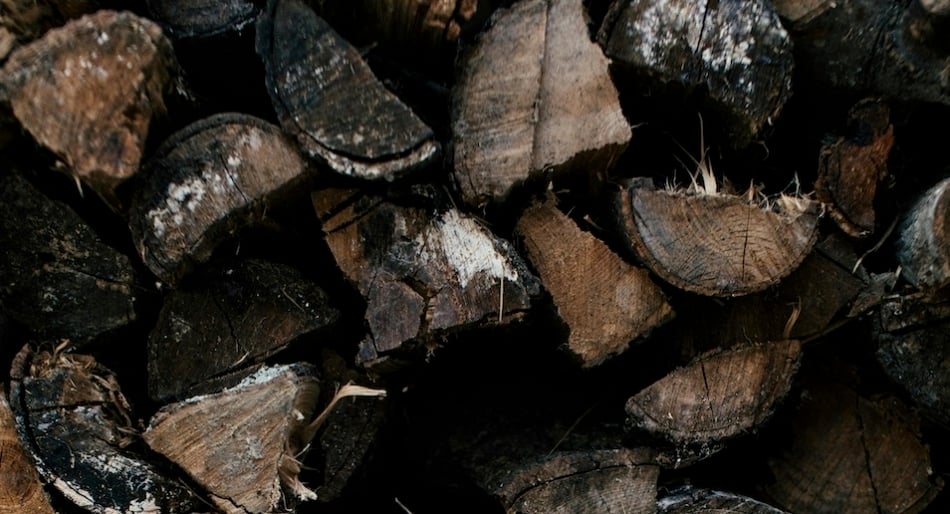
- Old wood-cutting wisdom favors the waxing Moon, between the new and full Moon.
- The Best Days Calendar lists the favorable days for outdoor chores like cutting wood in your area.

7 Tips and Tricks for Chopping Wood
Good technique saves more effort than raw muscle ever will. These seven tips help you split faster, cleaner, and with a lot less strain on your back.
1. Read the Grain Before You Swing
Every log has a story written in its end grain. Look for radial lines, cracks, and growth ring patterns, because they show you where the wood wants to separate. Straight-grained rounds split like a dream. Twisted grain or a knot-heavy round is different, so plan to quarter it from the outside edges inward instead of trying to blast it in half.
2. Use a Splitting Maul and Wedges Strategically
An axe cuts fibers, but a splitting maul forces them apart. For big, stubborn rounds, start a crack with the maul, then drive in a steel wedge to finish the job. If one wedge gets buried, leave it in place and start a second wedge a few inches away. That spreading force will pop even gnarly hardwood open.
3. Strike the Edge, Not the Exact Center
For large rounds, aiming dead center is actually harder. Instead, hit about 2 to 3 inches in from the edge. You are shearing fibers loose rather than trying to break the whole log at once. Once you split off a few slabs, the core that is left becomes much easier to manage.
4. Let Frozen Wood Work in Your Favor
If you live where winters get cold, split when logs are frozen. Frozen fibers are more brittle, which means cleaner splits and less stringy tear-out, especially with elm, gum, and other tough species. Summer splitting means sweat. Winter splitting means crisp, clean breaks. This is the single biggest reason the cold months are the best time to split wood.
5. Control Moisture for Easier Splits
Wood that has sat a few months after cutting often splits easier than freshly felled logs, because some moisture has already left the fibers. Do not wait too long with certain species like oak, though, which can harden as they dry. The sweet spot is partially seasoned wood, not green and not rock-dry.
6. Build a Splitting Rhythm
Efficiency is about flow, not brute force. Set up several rounds on your block so you are not constantly bending over to reset. Split, rotate, split, rotate. Keep your feet planted and let your core do the work. The less you chase wood around the yard, the longer you can go before fatigue sets in and your back starts to complain.
7. Know When to Noodle Instead
If a round is huge, knotty, or just plain stubborn, save your back and use a chainsaw to “noodle” it, which means cutting with the grain to create slabs. Then split the slabs with a maul. Professionals do this all the time. It is not cheating, it is smart, efficient thinking that keeps you working longer.
How Long Does Firewood Take to Season?
Splitting is only half the job. Wood burns clean and hot once it is seasoned, meaning most of the water has left the fibers. Freshly cut, or green, wood can be half water by weight, and burning it wastes heat, builds up creosote in the chimney, and fills the room with smoke. Splitting your rounds soon after cutting speeds seasoning, since a split face dries far faster than a sealed round.
Most hardwoods need roughly 6 to 12 months of seasoning, and dense oak often wants a full year or two to burn its best. The common target is a moisture content below 20 percent, which you can check with an inexpensive moisture meter. Stack split wood off the ground, cover the top but leave the sides open, and give it sun and wind. The Utah State University Forestry Extension has a helpful guide to firewood species and seasoning if you want to confirm the times for the wood in your region. Seasoned wood is lighter, sounds hollow when two pieces are knocked together, and often shows cracks radiating from the center.
What Are the Best Woods for Fireplaces?
Nothing beats the warmth of a crackling fireplace on a cold evening, but not all firewood is created equal. According to long-standing country wisdom and practical experience echoed in the Farmers’ Almanac, choosing the right wood can mean the difference between a steady, efficient heat and a smoky, fast-burning disappointment. The best firewood burns hot, lasts long, produces minimal smoke, and helps keep your chimney cleaner through the season.
For top performance, stick with dense hardwoods. Oak is the gold standard, delivering long, steady burns and excellent coals, though it needs plenty of seasoning time. Hickory burns extremely hot and long, while hard maple offers a clean, reliable fire that is easier to split. Ash is a favorite for its ability to burn well even when it is not perfectly seasoned, and beech provides heat output similar to oak. For a touch of aroma and ambiance, apple and cherry add pleasant fragrance and attractive flames. Avoid softwoods like pine for primary heating, and never burn green, treated, or painted wood. Well-seasoned hardwood is the key to a safer chimney, better heat, and a cozier home all winter long. For more on what to keep out of the firebox, see our fireplace tips on what you should never burn.

Best Time to Split Wood: Frequently Asked Questions
When is the best time to split wood?
Late fall and winter are ideal, because frozen logs have brittle fibers that split cleaner with less effort. Traditional Almanac wisdom adds a lunar layer, favoring the waxing phase between the new and full Moon for cutting and splitting. Check the Best Days Calendar for the favorable days in your area.
Is it easier to split wood when it is frozen?
Yes. Frozen fibers are more brittle, so they break with cleaner splits and less stringy tear-out, especially in tough species like elm and gum. Summer splitting means sweat and stringy pulls, while winter splitting gives you crisp, clean breaks.
What is the best tool for splitting wood?
A splitting maul handles most rounds, since it forces the fibers apart rather than slicing them like an axe. For big, stubborn rounds, start a crack with the maul and drive in a steel wedge, adding a second wedge a few inches away if the first gets buried. For huge or knotty pieces, a chainsaw can noodle them into slabs first.
Where should you aim when splitting a large round?
Aim about 2 to 3 inches in from the edge rather than dead center. Striking near the edge shears fibers loose and pops off slabs, which leaves a smaller, easier core to finish. Trying to break a big round straight down the middle takes far more force.
How long does firewood need to season before burning?
Most hardwoods need roughly 6 to 12 months to season, and dense oak often wants a year or two. Aim for a moisture content below 20 percent, stack the split wood off the ground with the top covered and the sides open, and give it sun and wind. Seasoned wood is lighter, sounds hollow when knocked, and often shows cracks radiating from the center.
What is the best wood to burn in a fireplace?
Dense hardwoods burn best. Oak is the gold standard for long, steady heat, hickory burns extremely hot, and hard maple, ash, and beech all deliver reliable fires. Apple and cherry add pleasant aroma. Avoid softwoods like pine for primary heat, and never burn green, treated, or painted wood.


This article was published by the Staff at FarmersAlmanac.com. Any questions? Contact us at [email protected].
- Farmers' Almanac Staff

- Farmers' Almanac Staff

- Farmers' Almanac Staff

- Farmers' Almanac Staff