The Birth of the U.S. Army Nurse Corps: A Short History

On February 2, 1901, an act of the 56th Congress created the U.S. Army Nurse Corps, giving American women a permanent, professional place inside the military medical system for the first time. This is the short history of how the Corps came to be, who led it, and what it grew into by the time the last of the Spanish-American War contract nurses had left service.
Quick Reference: U.S. Army Nurse Corps History
- Founded: February 2, 1901, by the Army Reorganization Act.
- First Superintendent: Dita H. Kinney.
- Trigger: Spanish-American War (1898), when disease killed far more soldiers than combat.
- Full officer status: granted 1947 under the Army-Navy Nurses Act.
- Corps strength today: roughly 11,000 Army nurses on active, Reserve, and National Guard rosters, per the U.S. Army Medical Center of Excellence.
- Legacy: one of the earliest official roles held by women inside the U.S. military structure.
At Farmers’ Almanac, we love marking the days that shaped American history, and February 2, 1901, is one worth remembering. That’s when the Army Nurse Corps was officially established, creating a permanent place for women in the medical service of the United States Army. It was a milestone not just for military medicine, but for women’s roles in public service.

A Need Revealed in Wartime
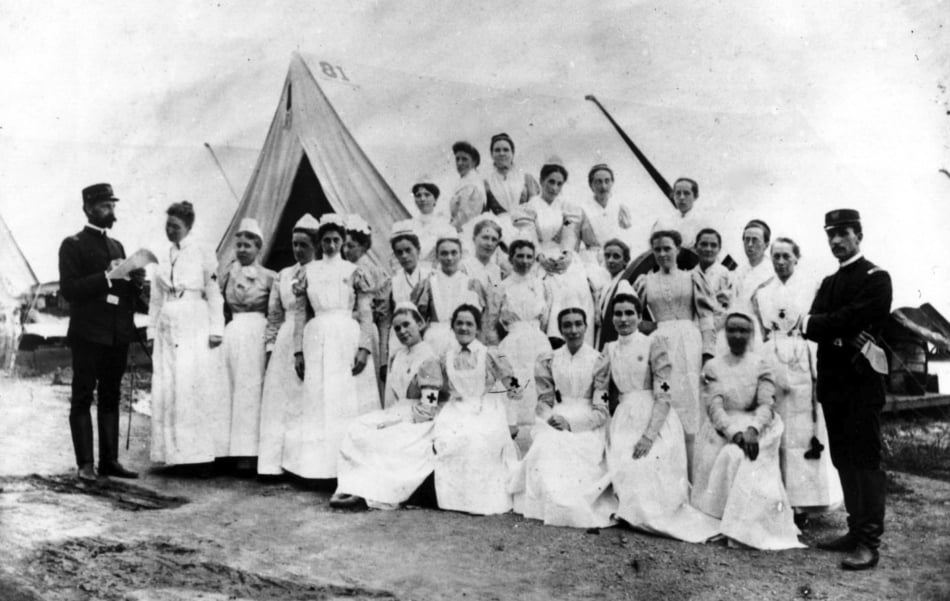
The roots of the Corps stretch back to the Spanish-American War of 1898. During that conflict, thousands of U.S. soldiers fell ill from typhoid, yellow fever, and malaria, far more than were wounded in battle. According to the U.S. Army Medical Department Office of Medical History, roughly 1,500 civilian contract nurses were hired to care for the sick and injured in stateside hospitals and abroad. Many were women with formal training from the earliest U.S. nursing schools.
They proved indispensable. But once the war ended, those nurses had no official military standing. There was no permanent system, no rank structure, and no job security. Their service had been vital, yet temporary. Military leaders realized that could not continue.
A Permanent Corps Is Formed
On February 2, 1901, the Army Reorganization Act reorganized the Army Medical Department and created the Army Nurse Corps as a formal, ongoing branch of the military medical system. Nurses would now serve under the authority of the Surgeon General, giving the Army a ready, trained nursing force in times of both war and peace.
The first Superintendent appointed to lead the Corps was Dita H. Kinney, an experienced nurse who helped set standards for training, conduct, and professional expectations. Kinney served from 1901 to 1909. Her leadership laid the foundation for the Corps’ identity: disciplined, skilled, and mission-driven. Under her tenure the Corps grew from an initial cadre of about 200 nurses to over 400 by the eve of her retirement.
Breaking Barriers
The formation of the Army Nurse Corps marked one of the earliest times women held official roles within the U.S. military structure. Although they did not yet receive military rank or the same benefits as male service members, their presence signaled a major cultural shift.
Over time, Army nurses would:
- Serve in both World Wars, in the Korean War, in Vietnam, and in every U.S. deployment since.
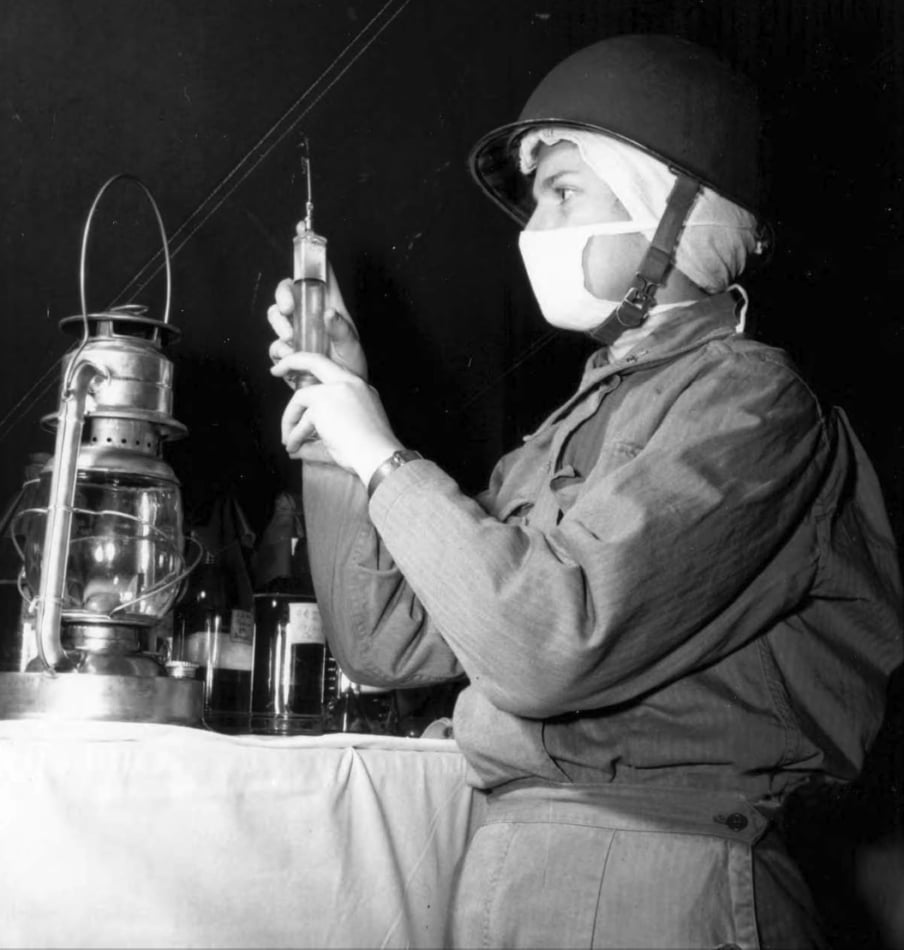
- Care for soldiers on battlefields and in field hospitals around the world.
- Help advance modern trauma care and military medicine, including forward surgical teams and combat casualty care protocols still in use today.
- Earn full commissioned officer status, finally granted in 1947 under the Army-Navy Nurses Act.
What began as a small, under-recognized group of women became a cornerstone of military healthcare. By 1918, at the peak of World War I, the Corps counted more than 21,000 nurses in uniform.
Key Dates in Army Nurse Corps History
A compressed timeline of the Corps, drawn from the U.S. Army Medical Department Office of Medical History and the Army Medical Center of Excellence.
A Legacy of Service
Today’s Army nurses continue that legacy, deploying worldwide, responding to natural disasters, and caring for service members and civilians alike. Their history reminds us that progress often begins with people stepping forward when they are needed most.
The founding of the Army Nurse Corps in 1901 was not just a bureaucratic change. It was a recognition of skill, courage, and compassion under pressure. And that is something always worth remembering.

Army Nurse Corps History FAQ
When was the U.S. Army Nurse Corps founded?
The Army Nurse Corps was officially established on February 2, 1901, when the 56th Congress passed the Army Reorganization Act. That act created the Corps as a permanent branch of the Army Medical Department.
Who was the first Superintendent of the Army Nurse Corps?
Dita H. Kinney, a trained civilian nurse with prior Spanish-American War contract-nursing experience, served as the first Superintendent from 1901 to 1909. She set the Corps’ first training, conduct, and admissions standards.
Why was the Army Nurse Corps created?
The Spanish-American War of 1898 revealed that the Army had no permanent, trained nursing force. Civilian contract nurses saved thousands of lives but had no rank or job security. Congress made the Corps permanent so the Army would never again scramble to hire nurses at the start of a war.
When did Army nurses gain full officer status?
Full permanent commissioned officer status was granted in 1947 under the Army-Navy Nurses Act, 46 years after the Corps was founded. Between 1920 and 1947, nurses held “relative rank” without full pay and benefits.
When were men allowed to join the Army Nurse Corps?
The Bolton Act of 1955 opened the Corps to men. Today the Army Nurse Corps includes both men and women, though it remains proportionally female.
How large was the Corps during the World Wars?
The Corps peaked at more than 21,000 nurses in World War I and around 57,000 in World War II. Army nurses served in every major theater in both conflicts.
How can I honor the Army Nurse Corps anniversary?
Read a first-person memoir from an Army nurse who served in World War II or Vietnam, visit the National Museum of the U.S. Army in Fort Belvoir, Virginia, or make a small donation to a veterans’ nursing charity on February 2. It is a fitting way to mark the Corps’ founding day.

- Tim Konrad

- Tim Konrad
- Tim Konrad
- Tim Konrad