What’s In Season This Month: A Regional Guide to Fresh Produce (2026)

Quick Reference
- Peak summer picks: Blueberries, sweet corn, tomatoes, peaches, zucchini, and green beans across most U.S. regions in July
- Best storage rule: Wash produce only when you plan to eat it, keep tomatoes off the fridge shelf
- Where to shop: Farmers’ markets, farm stands, and CSAs give you the freshest picks and often direct advice from the grower
- Regional guide covers: Northeast, Southeast, Midwest, Southwest, Pacific Northwest, California
- Note: Availability shifts with your local weather. Check a nearby market for the exact week.
There is nothing quite like the flavor of fruit and vegetables picked at their peak. Seasonal produce is fresher, often more affordable, and packed with flavor and nutrients. Because growing seasons vary across the country, what is ripe in Maine may still be weeks away in Montana or long gone in Florida.
Below is a look at what is typically in season across different regions of the United States this month, plus tips for storing your harvest and simple ways to use it at home.
Note: Availability varies with your local climate and weather. Check with a nearby farmers’ market or farm stand for the freshest picks this week.
Why Seasonal Produce Is Cheaper and Tastes Better
The USDA’s Agricultural Marketing Service tracks weekly wholesale prices at the country’s biggest terminal markets, and seasonal peaks routinely land twenty to forty percent below off-season prices for the same item (see the USDA AMS Fruit and Vegetable Market News). Nutrient density follows the same curve. Research summarised by the Center for Nutrition Studies has shown vitamin C in fresh broccoli drops sharply after ten days of cold storage, and blueberry anthocyanin levels are highest within forty-eight hours of harvest. Buying what is in season this month is the shortest route to both a cheaper cart and a fuller flavour.

Northeast
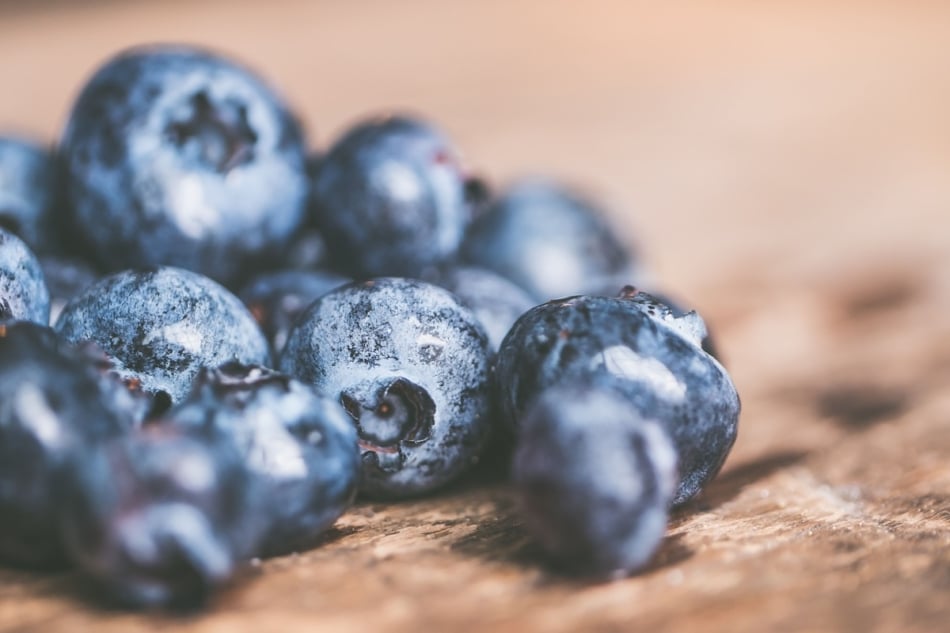
Summer is in full swing across New England and the mid-Atlantic, and the farm stands are showing it off with colour.
Look for:
- Blueberries
- Cherries
- Strawberries (late season in northern areas)
- Lettuce
- Cucumbers
- Green beans
- Peas
- Summer squash
- Zucchini
- New potatoes
Storage Tip
Store berries in the refrigerator, but do not wash them until you are ready to eat them. Moisture encourages mold and shortens shelf life.
Try This
Make a simple blueberry crisp, toss zucchini into pasta with garlic and olive oil, or build a cucumber salad with fresh dill and a splash of vinegar.
Southeast
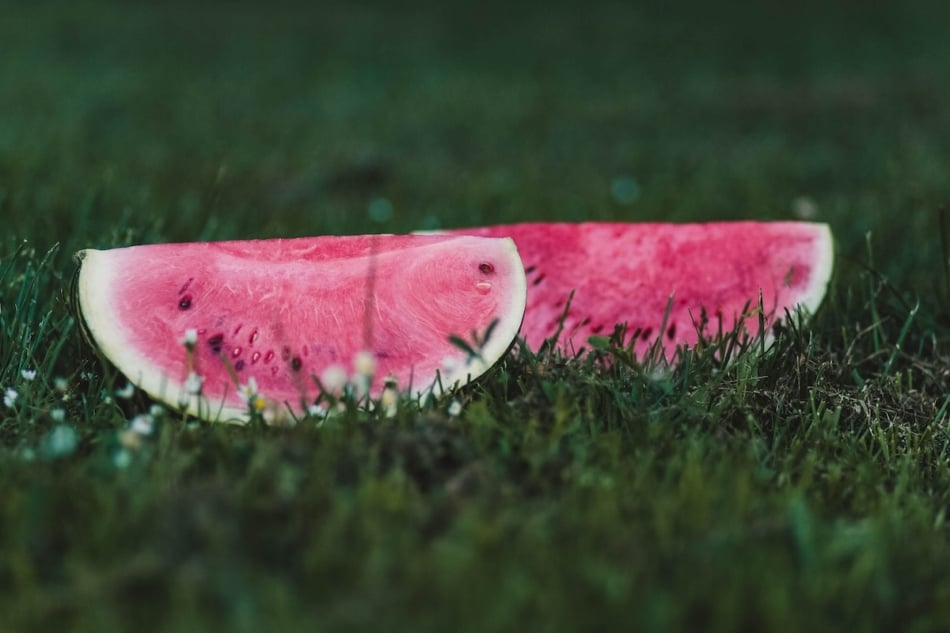
Warm nights and long days mean gardens and farms across the Southeast and Gulf are overflowing.
Look for:
- Tomatoes
- Sweet corn
- Okra
- Peaches
- Watermelon
- Bell peppers
- Eggplant
- Cucumbers
- Green beans
- Summer squash
Storage Tip
Keep tomatoes on the countertop, not in the refrigerator, to keep their flavor and texture.
Try This
Slice ripe tomatoes with basil and mozzarella, grill fresh corn, or roast okra with olive oil and a favourite seasoning blend.
Midwest
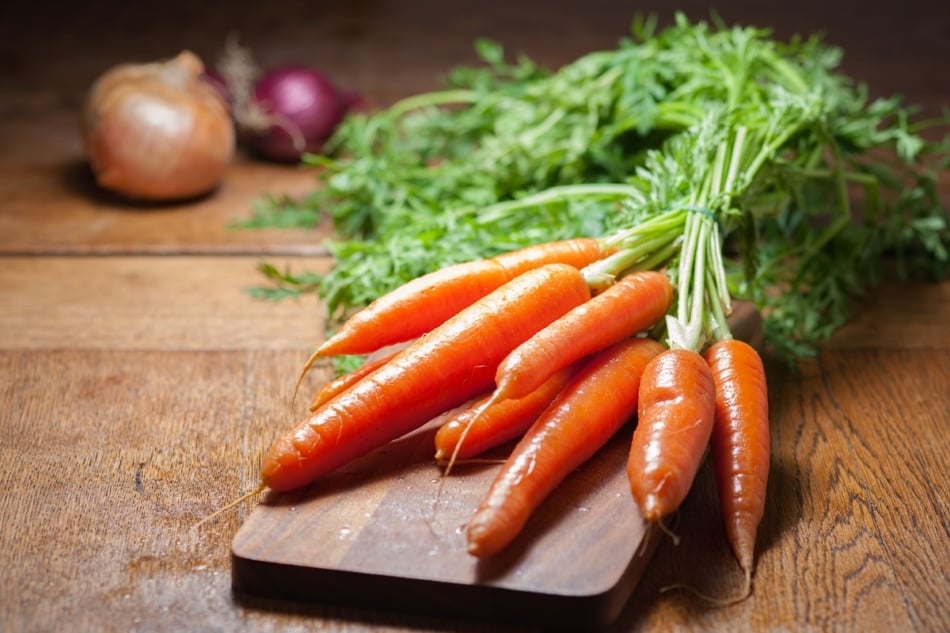
The heartland delivers some of summer’s biggest harvests, from Illinois sweet corn to Michigan blueberries.
Look for:
- Sweet corn
- Tomatoes
- Green beans
- Beets
- Carrots
- Cabbage
- Blueberries
- Raspberries
- Cherries
- Cucumbers
Storage Tip
Remove the leafy carrot tops before refrigerating. The greens pull moisture from the roots, so carrots wilt faster if you leave them on.
Try This
Try a roasted beet salad with goat cheese, a bowl of fresh corn chowder, or a jar of homemade refrigerator pickles.
Southwest
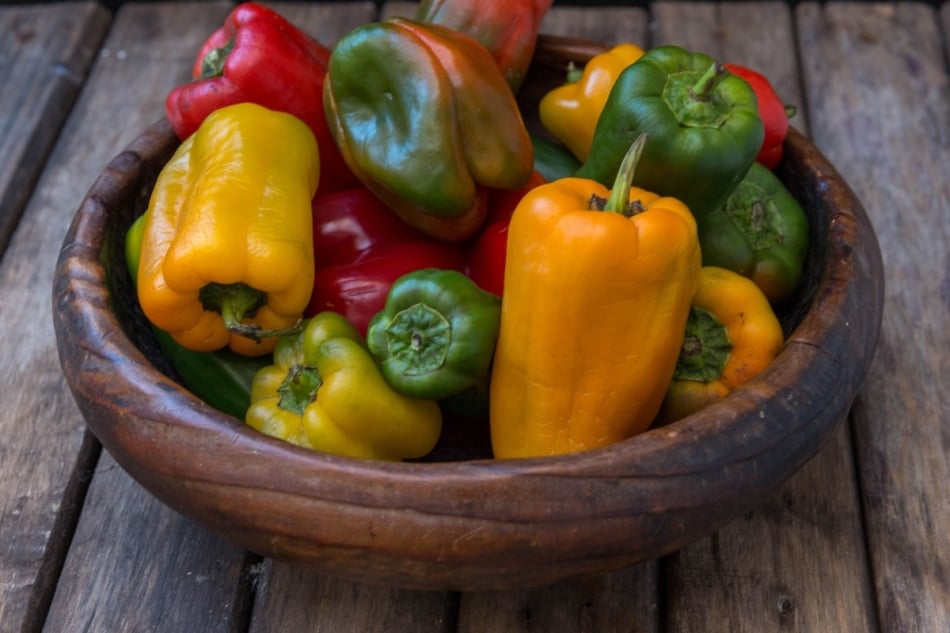
Heat-loving crops thrive under the Southwest sun, and the roadside stands from New Mexico to Texas fill up fast.
Look for:
- Tomatoes
- Peppers
- Chiles
- Melons
- Cucumbers
- Eggplant
- Summer squash
- Figs (some areas)
- Herbs
Storage Tip
Wrap fresh herbs in a slightly damp paper towel and store them inside a reusable container or bag in the refrigerator.
Try This
Make homemade salsa with tomatoes and peppers, grill vegetables for tacos, or blend watermelon into a chilled agua fresca.
Pacific Northwest
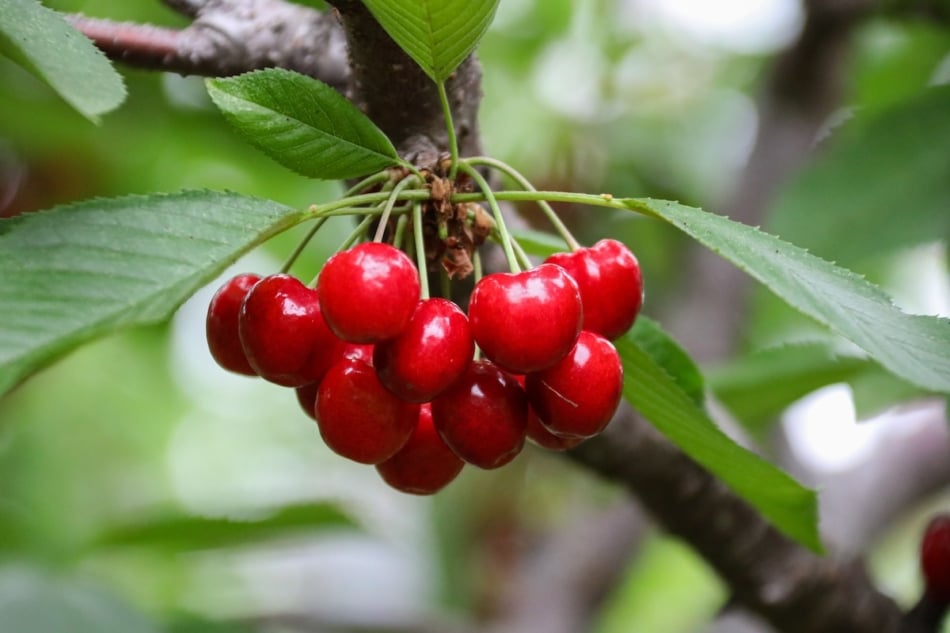
Long summer days from Oregon through British Columbia keep produce coming from June into September.
Look for:
- Cherries
- Blueberries
- Raspberries
- Snap peas
- Lettuce
- Kale
- Broccoli
- New potatoes
- Zucchini
- Herbs
Storage Tip
Leafy greens stay crisp longer when stored in a container lined with a dry paper towel to soak up excess moisture.
Try This
Bake a mixed berry galette, roast new potatoes with rosemary, or top a fresh kale salad with local berries.
California
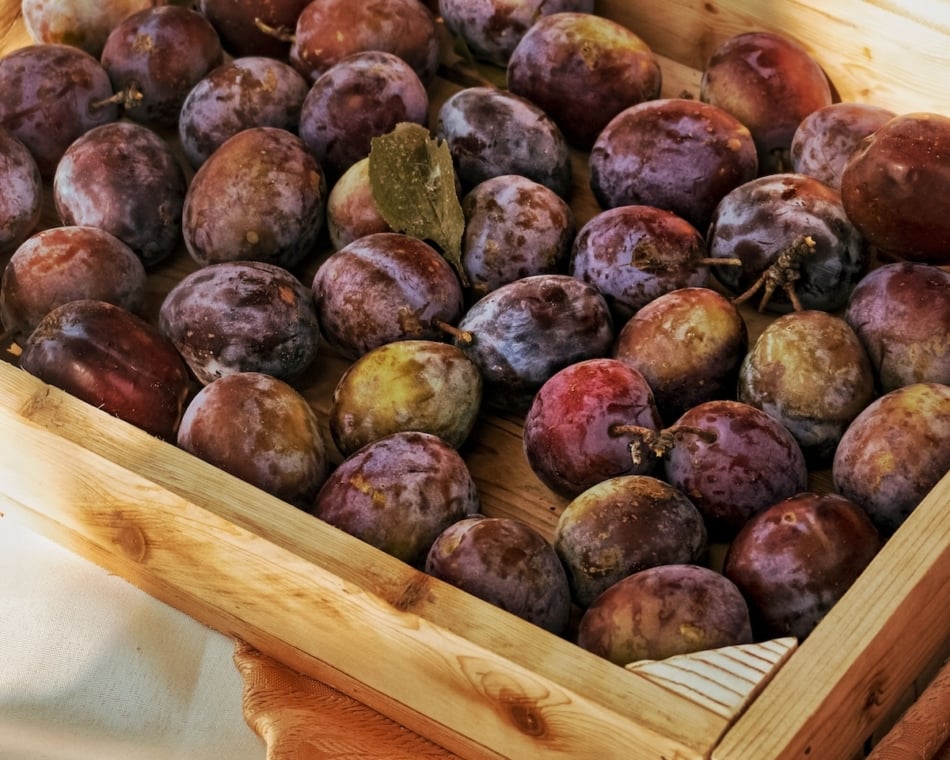
California’s mix of coastal, valley, and mountain climates keeps an unusually broad list ripe at the same time.
Look for:
- Apricots
- Peaches
- Plums
- Nectarines
- Grapes (early season)
- Tomatoes
- Avocados
- Bell peppers
- Cucumbers
- Green beans
Storage Tip
Let stone fruit finish ripening at room temperature, then refrigerate if you need to hold it another day or two.
Try This
Grill peaches for a simple dessert, top avocado toast with sliced tomato and flaky salt, or stir-fry a mix of peppers and squash.
Keep Your Produce Fresh Longer
A few simple habits keep your fruit and vegetables tasting their best and cut down on food waste.
- Wash produce only when you are ready to use it.
- Keep ethylene-producing fruit like apples, peaches, and tomatoes away from leafy greens.
- Freeze extra berries for smoothies or baking.
- Blanch and freeze green beans, corn, and peas to enjoy summer flavor later in the year.
- Turn overripe fruit into jam, sauce, or freezer-friendly desserts.

Shop Local When You Can
Buying seasonal produce from local farms supports your community while giving you access to fruit and vegetables harvested at their peak. Farmers’ markets, roadside stands, and community-supported agriculture (CSA) programs are the easiest way to find varieties the grocery store never carries.
The people who grew your food are usually happy to share cooking tips, favorite recipes, and advice on picking the ripest fruit.
What’s Your Favorite Seasonal Find?
Every region has its signature summer harvest. Whether you look forward to juicy peaches, sweet corn, garden tomatoes, or a basket of fresh berries, there is no better time to enjoy nature’s bounty than when it is in season.
Frequently Asked Questions
What produce is in season this month across the U.S.?
In July, most of the country is at peak for berries, sweet corn, tomatoes, peaches, cucumbers, zucchini, green beans, and summer squash. Exact ripening dates shift by a week or two either side of the calendar depending on your regional weather.
Why is seasonal produce cheaper?
When a crop peaks in your region, supply is highest and shipping distance is shortest. USDA Market News data routinely shows seasonal prices twenty to forty percent below off-season prices for the same item.
How do I find a farmers’ market near me?
Start with the USDA Local Food Directories, your state department of agriculture, or the community events page for your town. Many CSA growers list pickup spots in the same directories.
Is farmers’ market produce actually fresher than the grocery store?
Usually, yes. Grocery produce is often shipped several days after harvest. Market and farm-stand produce is often harvested the day before, or the same morning.
What is the best way to store tomatoes and stone fruit?
Keep both on the counter until fully ripe. Refrigeration dulls the flavor of tomatoes and stops stone fruit from finishing its ripening curve. Only refrigerate to hold ripe fruit for an extra day or two.
Can I freeze summer produce to use later?
Yes. Wash and dry berries, then freeze on a tray before bagging. Blanch corn kernels, green beans, and peas for two to three minutes, cool in ice water, drain, and freeze flat.
What is a CSA?
Community-supported agriculture. You pay a farm up front for a share of the season’s harvest, then pick up a weekly or biweekly box. CSAs give you the freshest produce and a direct line to the person who grew it.


- Farmers' Almanac Staff

- Farmers' Almanac Staff
- Farmers' Almanac Staff
- Farmers' Almanac Staff