10 Signs in Nature That Fall Is Closer Than You Think

The calendar may still say summer, but nature is already dropping hints that autumn is on the way. Here are 10 signs to watch for in your backyard, garden, and neighborhood.
There comes a point every August when something feels different.
The afternoons may still be hot. Tomatoes are still ripening. The lawn still needs mowing. But step outside early in the morning or around sunset and you may notice it: summer is beginning to loosen its grip.
Autumn officially arrives with the fall equinox—September 22 in 2026—but plants and animals don’t wait for a date on the calendar. They respond to changes in daylight, temperature, rainfall, food supplies, and other seasonal signals.
Here are 10 signs that fall may be closer than you think.
1. The Days Are Getting Noticeably Shorter
This may be the most dependable sign of all.
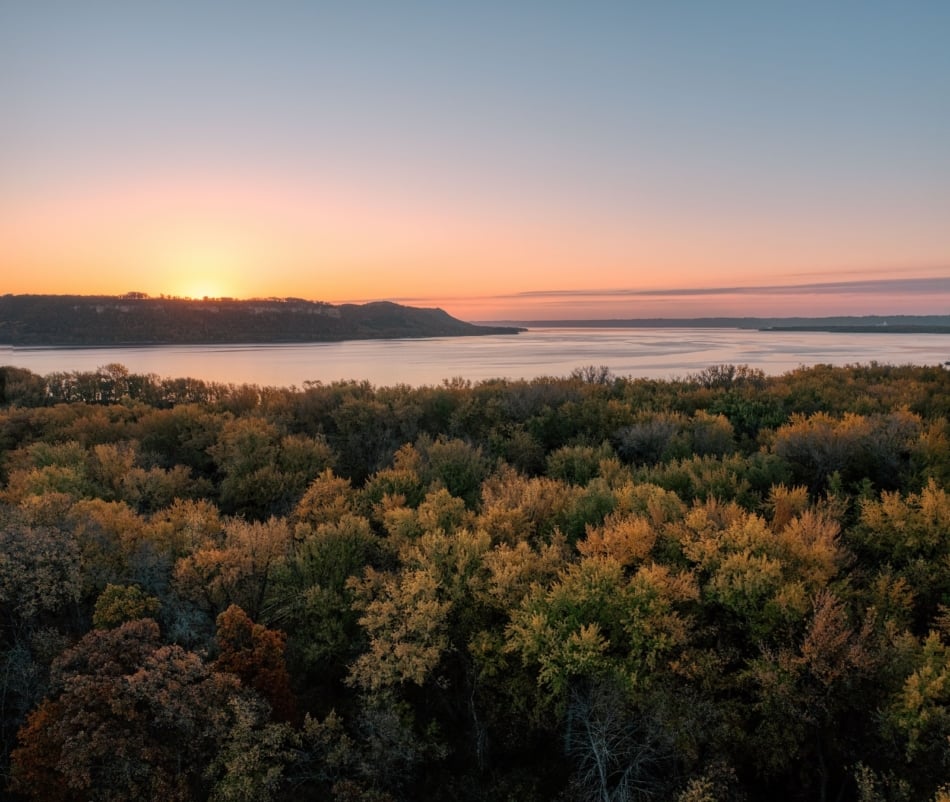
After the summer solstice, daylight gradually decreases each day. At first, the change can be easy to miss. By the second half of August, however, many people notice that sunset seems to arrive surprisingly early.
Those shorter days do more than change our evening plans. The changing length of daylight is an important seasonal cue for plants and animals, helping trigger everything from leaf changes to migration.
If you’ve recently caught yourself saying, “It’s dark already?”, fall is definitely getting closer.
2. A Few Leaves Are Starting to Change
You don’t need an entire mountainside glowing orange to know autumn is approaching.
Often, the first hint is just one branch.
A maple may show a splash of red. A roadside tree may have a few yellow leaves. Sumac can begin turning brilliant red while most of the surrounding landscape remains green.
As the growing season winds down, chlorophyll—the pigment that makes leaves appear green—begins breaking down, allowing yellow and orange pigments already present in leaves to become visible. Red colors involve pigments called anthocyanins.
Wondering when the real show begins in your area? Check our fall foliage dates by state.
3. Acorns Are Bouncing Off the Roof
Thump. Roll. Crunch.
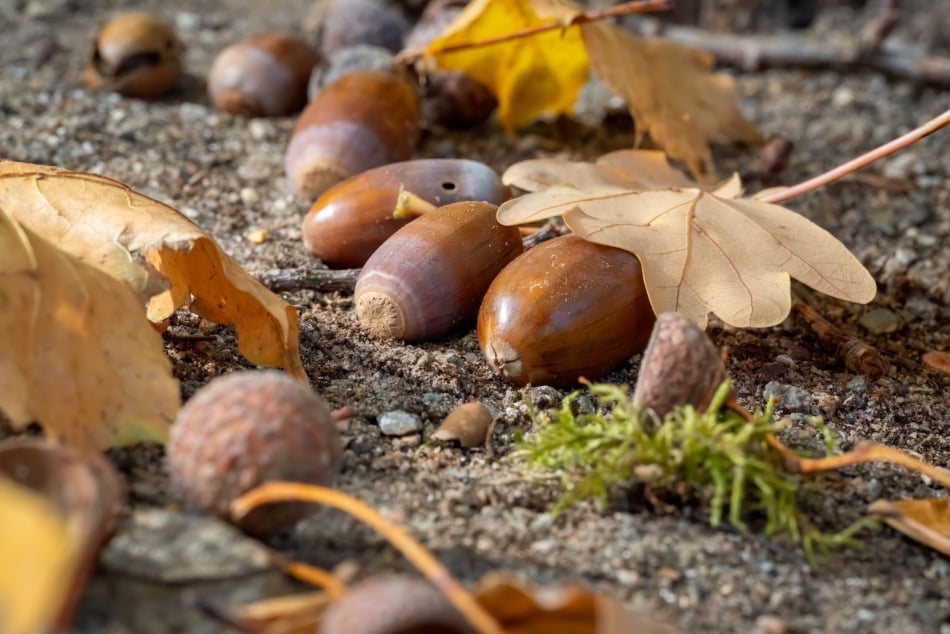
The unmistakable sound of acorns hitting the roof, deck, driveway, or patio is one of late summer’s classic soundtracks.
Oak trees begin dropping mature acorns as the season advances, creating an important food source for squirrels, deer, turkeys, jays, and many other animals.
Some years produce especially abundant acorn crops, often called mast years.
Weather folklore has long associated a heavy acorn crop with a harsh winter ahead. A bumper crop isn’t a reliable long-range winter forecast, but it certainly gets both wildlife—and Almanac readers—thinking about the season to come.
4. Squirrels Suddenly Look Very Busy
Have the squirrels in your yard gone into overdrive?
Late summer and fall bring an abundance of nuts and seeds, and squirrels take advantage of it.
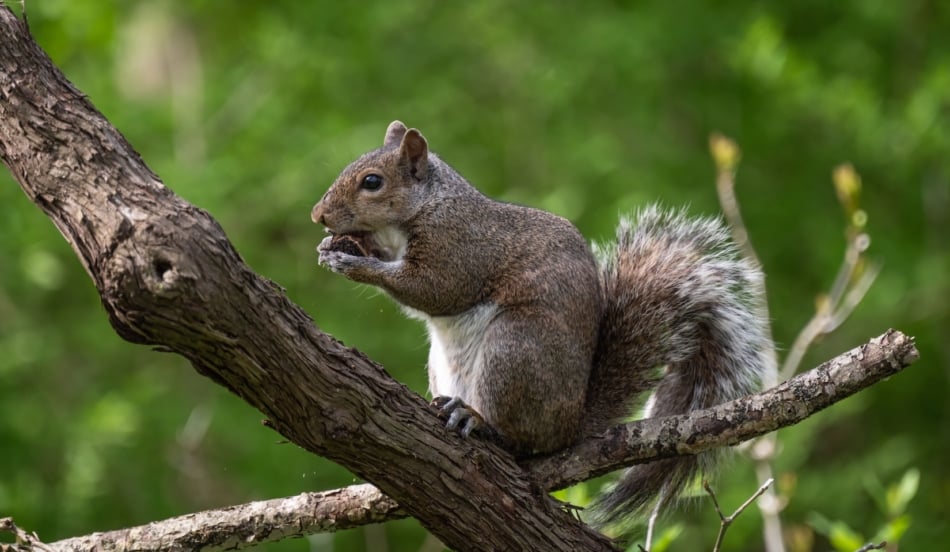
Watch closely and you may see them carrying acorns across the lawn, digging small holes, burying food, and racing back for more.
Old weather lore sometimes interprets frantic squirrel activity as a warning of a hard winter. In reality, their behavior is strongly influenced by food availability and the normal seasonal need to prepare for colder months.
Either way, a squirrel with an acorn in its mouth is about as autumnal as it gets.
Love animal weather lore? See our guide to animals that can predict the weather.
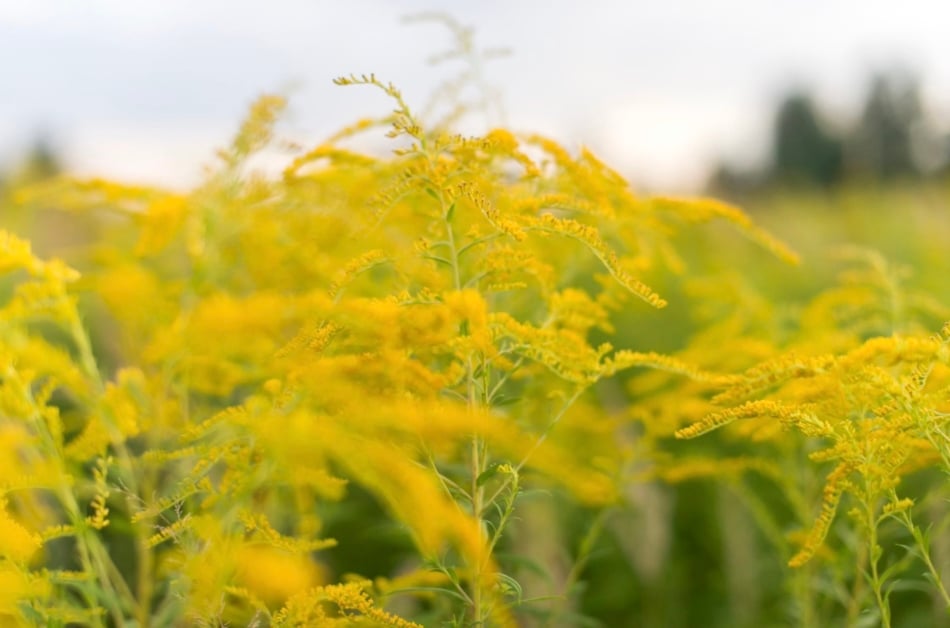
5. Goldenrod Is Lighting Up Roadsides and Fields
Those tall sprays of brilliant yellow appearing along country roads, meadows, fence lines, and field edges are another sign of the changing season.
Goldenrod typically puts on its show in late summer and fall, providing an important burst of color when many summer flowers are beginning to fade.
It has also earned a place in old-fashioned weather lore.
One traditional saying claims that the first goldenrod blooms arrive about six weeks before the first frost. Consider that folklore rather than a frost forecast—but it is a wonderful reminder to begin thinking about colder nights ahead.
Learn more about goldenrod facts and folklore.
6. Birds Are Beginning to Gather
Throughout summer, you may see birds scattered around your yard in pairs or small groups.
Then suddenly there are dozens.
Late summer is when many birds begin gathering into larger flocks as they feed and prepare for migration. You may notice groups lining power wires, moving through fields, or descending on trees and shrubs loaded with berries.
Not every flock is heading south immediately, of course. Migration timing varies widely by species and location.
But when the neighborhood birds suddenly start holding very large meetings, the season is changing.
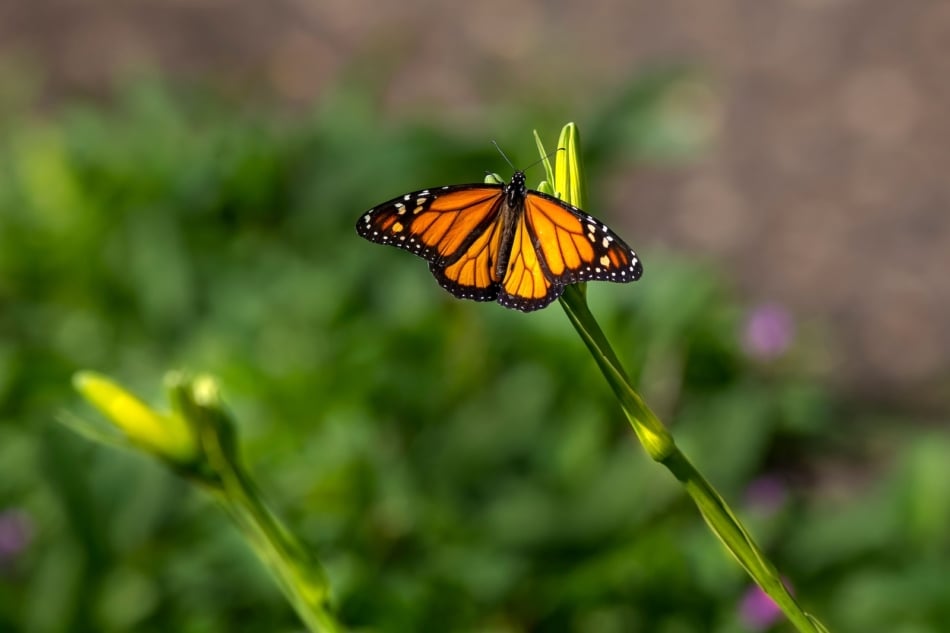
7. Monarch Butterflies Are Heading South
Few signs of fall are more remarkable than the monarch migration.
The monarchs that emerge in late summer are different from the short-lived generations seen earlier in the year. This generation can undertake an extraordinary migration toward central Mexico, traveling as much as roughly 3,000 miles.
Depending on where you live, you may begin noticing monarchs moving through gardens and fields or gathering in larger numbers at nectar-rich flowers.
If they’re passing through your neighborhood, leave late-blooming flowers standing whenever possible. They provide valuable fuel for the journey.
Read more fascinating monarch butterfly facts.
8. The Evening Insect Chorus Is Changing
Summer has a sound.
Cicadas buzz during hot afternoons. Crickets take over as evening arrives. Katydids add their unmistakable calls after dark.
As late summer progresses, that chorus can become especially noticeable—and then gradually begin changing as nights cool.
Crickets are particularly interesting because their chirping rate changes with temperature. They’re cold-blooded, so warmer temperatures generally mean faster chirping. The relationship is reliable enough that it inspired what’s known as Dolbear’s Law, a way of estimating temperature from cricket chirps.
Try stepping outside after sunset and simply listening. The sounds around your home can tell you more about the season than you might expect.
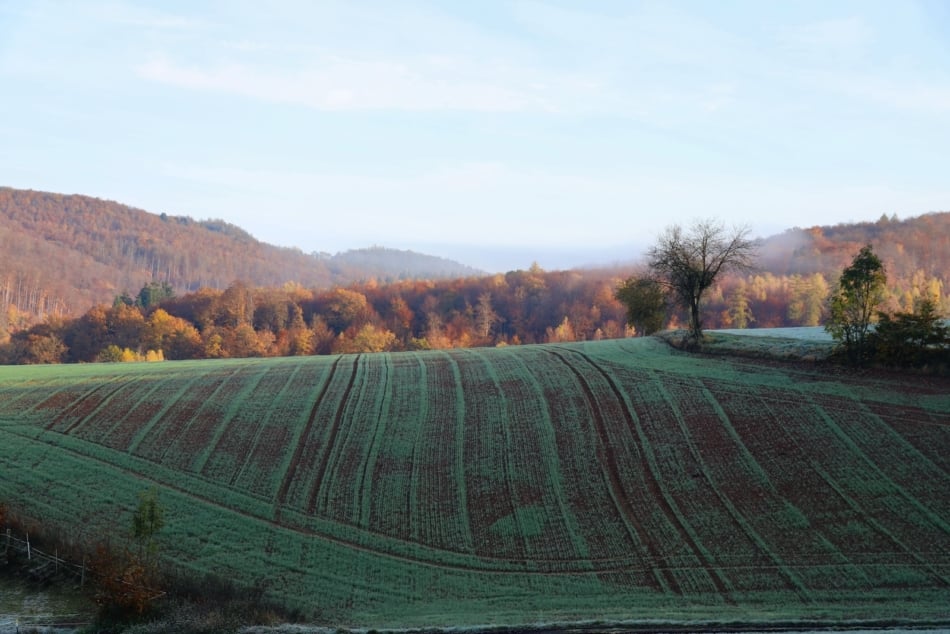
9. Mornings Feel Different
Sometimes you notice fall before you see it.
Walk outside first thing in the morning and the air may suddenly feel cooler and heavier. Grass may be covered in dew. Mist may hover over ponds or low fields.
Even when afternoons remain decidedly summery, overnight temperatures often begin trending downward as daylight decreases.
This is also a good time for gardeners to start thinking about the first cold nights of the season.
Don’t rely on folklore alone. Look up your area’s average first frost date so you know approximately how much growing season remains. Farmers’ Almanac frost dates are estimates based on climate normals, and actual frost can arrive before or after the average date.
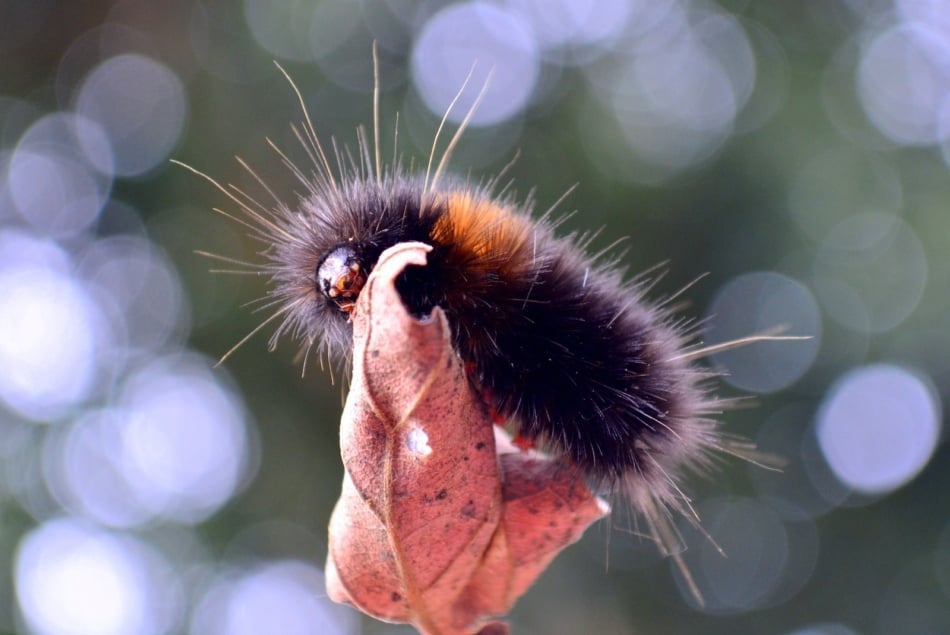
10. You Spot Your First Woolly Bear
For many Farmers’ Almanac readers, spotting the season’s first woolly bear caterpillar is practically an autumn tradition.
The fuzzy black-and-rust-colored caterpillar has starred in weather folklore for generations.
According to the old tale, a wide rusty-brown middle band predicts a mild winter, while more black supposedly points toward harsher conditions.
Can a caterpillar actually forecast the coming winter?
Not quite. The coloring of a woolly bear is influenced by factors such as age and growing conditions rather than knowledge of weather months into the future. But that hasn’t diminished the fun of finding one and making your own prediction.
See exactly how the folklore works in our guide to the woolly bear caterpillar.
Keep Your Own Seasonal Almanac
Here’s a simple experiment: start recording the signs of fall where you live.
Write down the date when you see your first changing maple leaf. Note when acorns begin falling heavily, when goldenrod blooms, when migrating birds gather, when monarchs pass through, and when you spot your first woolly bear.
Then record the date of your first frost.
Do this for several years and you’ll begin building your own little record of the seasons—one tailored to your backyard, farm, garden, or neighborhood.
Some events may happen at almost the same time every year. Others can shift considerably depending on temperature, rainfall, and other conditions.
Long before weather apps and smartphones, close observation of the natural world was one of the ways farmers, gardeners, hunters, and families marked the changing seasons. That tradition is still worth practicing.
What is the first sign of fall where you live? Are the leaves changing, squirrels gathering acorns, or goldenrod blooming? Tell us what you’re seeing in the comments!
Related Reading
- Fall Equinox: When Is the First Day of Fall?
- Fall Leaves: Peak Foliage Dates and Destinations
- Your Average First Frost Date
- Animals That Can Predict the Weather
- How Did a Woolly Bear Caterpillar Become a Weather Forecaster?


This article was published by the Staff at FarmersAlmanac.com. Any questions? Contact us at [email protected].
- Farmers' Almanac Staff

- Farmers' Almanac Staff
- Farmers' Almanac Staff
- Farmers' Almanac Staff