

Animal Weather Forecasters: What the Lore Gets Right
Can a cricket really tell you the temperature outside? Do fish know if it's going to be a cold winter? Check out this list of creatures that have a few things to tell us about the weather!
Quick Reference
- Hurricanes: Sharks flee deep water before landfall; gulls and other shorebirds fly inland.
- Earthquakes: Pets, livestock, and wild animals often act strangely hours before a quake.
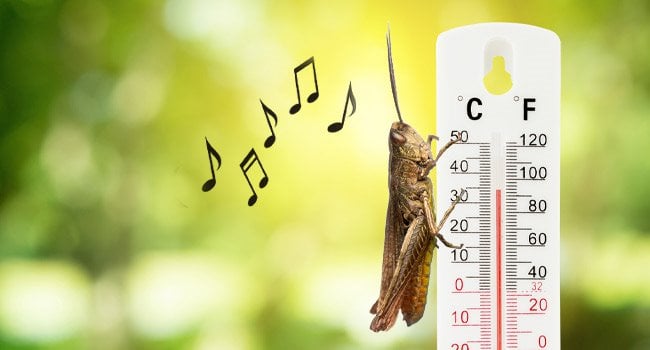
- Heat: Cricket chirps in 14 seconds plus 40 equals the temperature in Fahrenheit.
- Approaching storms: Birds fly low or stop flying; bats and insects stay close to the ground; cattle lie down.
- Early winter: Migrating fish return earlier than usual in years that freeze early.
You have probably heard the folk sayings about animals that predict the weather. Groundhog Day is the famous one, but folklore goes far deeper than the calendar at Punxsutawney. Some animal-weather sayings are pure superstition. Others rest on real biology. Animals pick up barometric pressure changes, infrasound, ground vibration, and shifts in humidity that human bodies miss. Here are the animal weather forecasters worth watching, and what the science actually says about each.
Dangerous Weather: When Animals Know First
Animals seem to have a sixth sense for danger that people might do well to observe. The mechanism is rarely mystical. It is usually a sensory channel that humans have lost or never had: pressure receptors, low-frequency hearing, magnetic-field detection, or simple keen smell. The Almanac has tracked these animal signs since 1818 because folks who work outdoors used them to plan.
Hurricanes
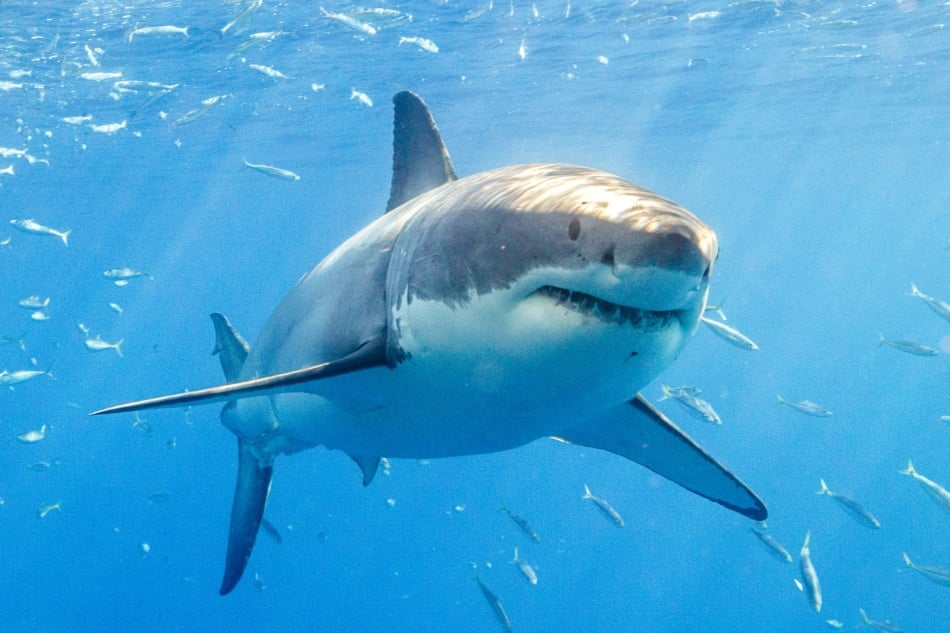
Before a hurricane, sharks that rarely leave their home waters will flee the path of the storm. Tracked tagged sharks have been observed swimming hundreds of miles into deeper water 24 to 48 hours before landfall. They respond to the drop in barometric pressure, which they sense through their inner ear and lateral line. Seagulls and other shorebirds instinctively fly inland during the same window. See what other animals are reported as predictors of hurricanes.
Earthquakes
Earthquakes are not weather, but the folklore overlaps. Many species are more sensitive to ground vibration than humans, and changes in animal behavior have been documented before seismic events. After the 2004 Indian Ocean tsunami, observers in Sri Lanka noted that elephants, deer, monkeys, and dogs fled to higher ground in the hour before the wave arrived. Almost no animals were killed despite massive human loss. The likely explanation is that they sensed the P-waves and the infrasound that humans cannot hear. More on cats, dogs, and earthquakes. Rule of thumb: if the animals are making a getaway, you probably should too.
Hot Weather: The Cricket Thermometer
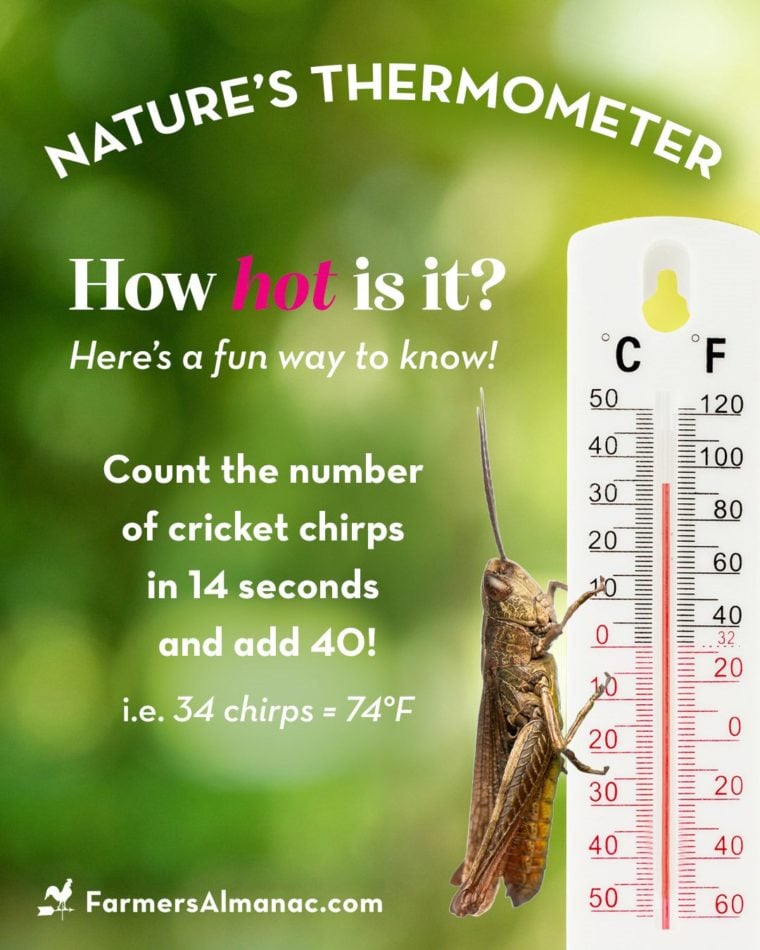
The sound of crickets chirping is a sure sign of summer, but it also tells you the temperature. Crickets are cold-blooded, so the warmer the air, the faster their metabolism, and the faster the chirp-producing muscles fire. The relationship is so consistent that physicist Amos Dolbear published a formula for it in 1897, now called Dolbear’s Law.
- Fahrenheit: Count the chirps in 14 seconds, then add 40.
- Celsius: Count the chirps in 25 seconds, divide by 3, then add 4.
It works best with the snowy tree cricket (Oecanthus fultoni), the species Dolbear used. Field crickets and house crickets are noisier and harder to count cleanly. Try it on a still summer evening and compare your reading to a thermometer.
Storms: The Pressure-Drop Tell
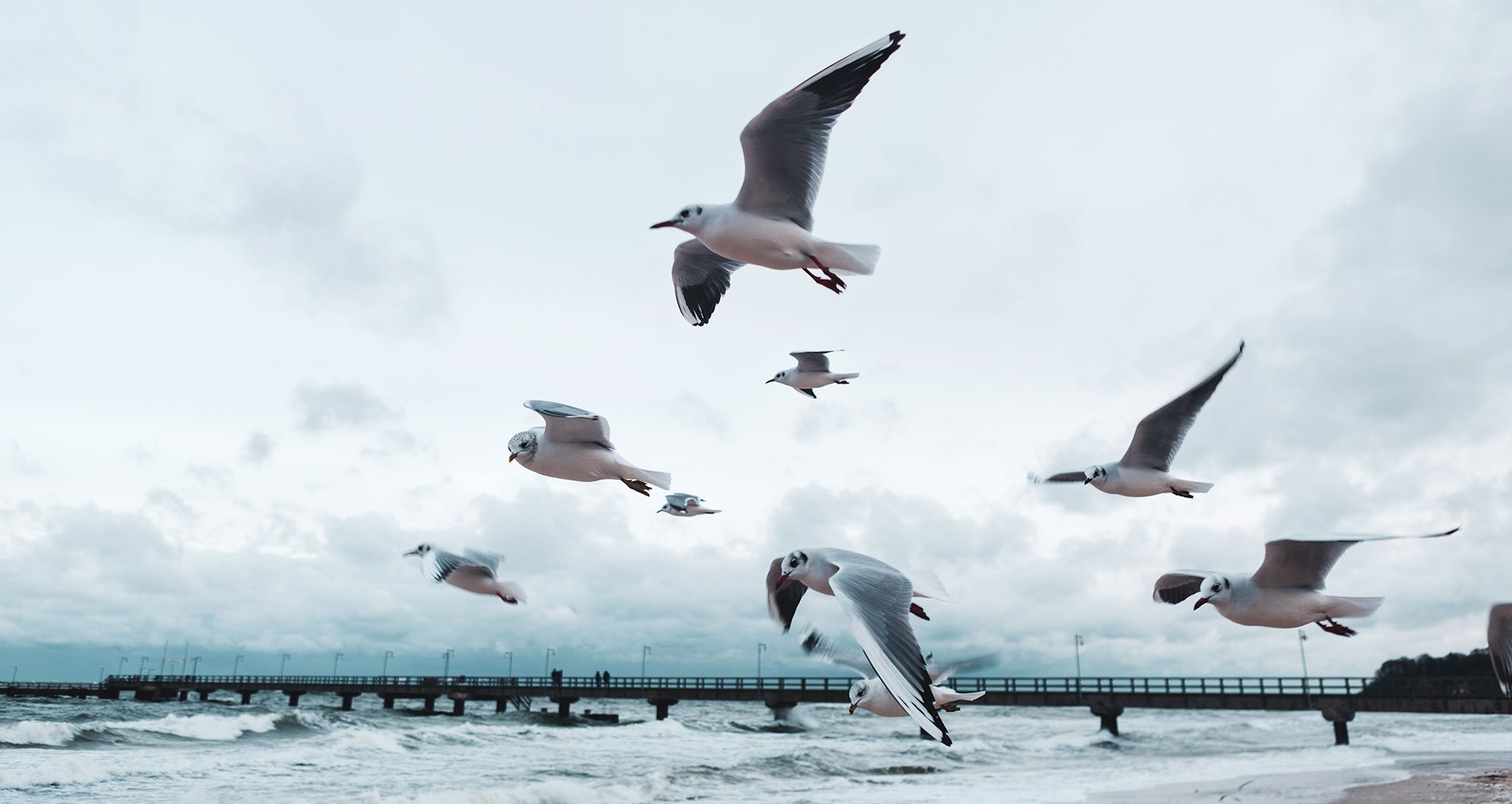
Do animals tell us when a storm is coming? Often, yes. Birds react to the drop in air pressure ahead of a front by flying low to find denser air, and stop flying entirely an hour or two before the storm hits. Bats and dragonflies also hunt closer to the ground. Wolves and dogs sometimes howl because the pressure change irritates their inner ears. What about cows lying down before it rains? The folklore is older than meteorology; the underlying signal is real.

Early Freezes: Fish and Flocks
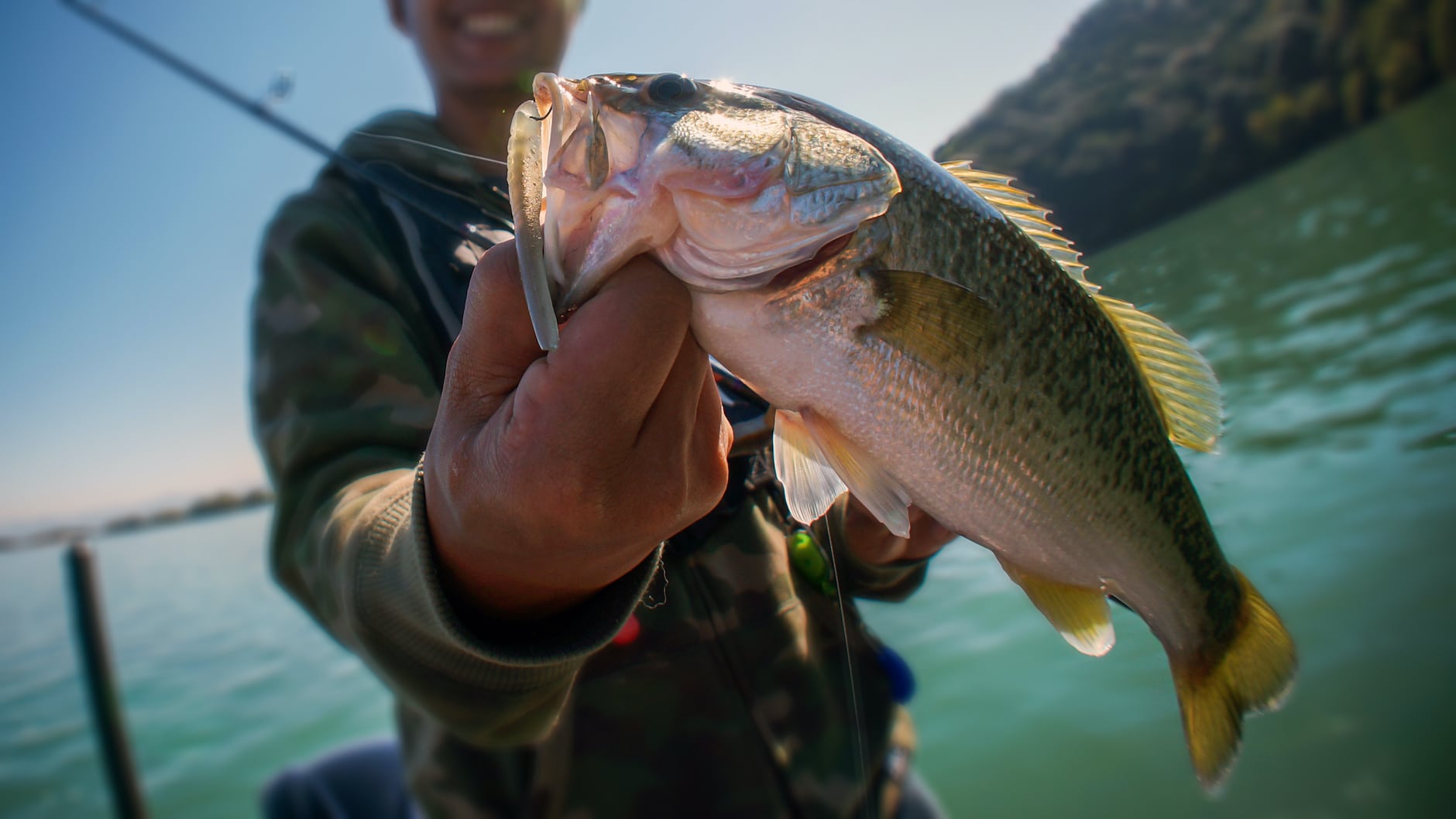
Fishermen on northern lakes have noticed for generations that migrating fish return earlier in years when lakes freeze early, and stay out later in years that freeze late. Waterfowl flying south in mid-August often signals a hard winter; flocks lingering into late October hints at a mild one. Neither is foolproof, but a pattern across several species is a useful tell. More animal weather folklore.
Other Animal Weather Signs Worth Watching
- Ants building higher mounds: A wet season ahead in many regions.
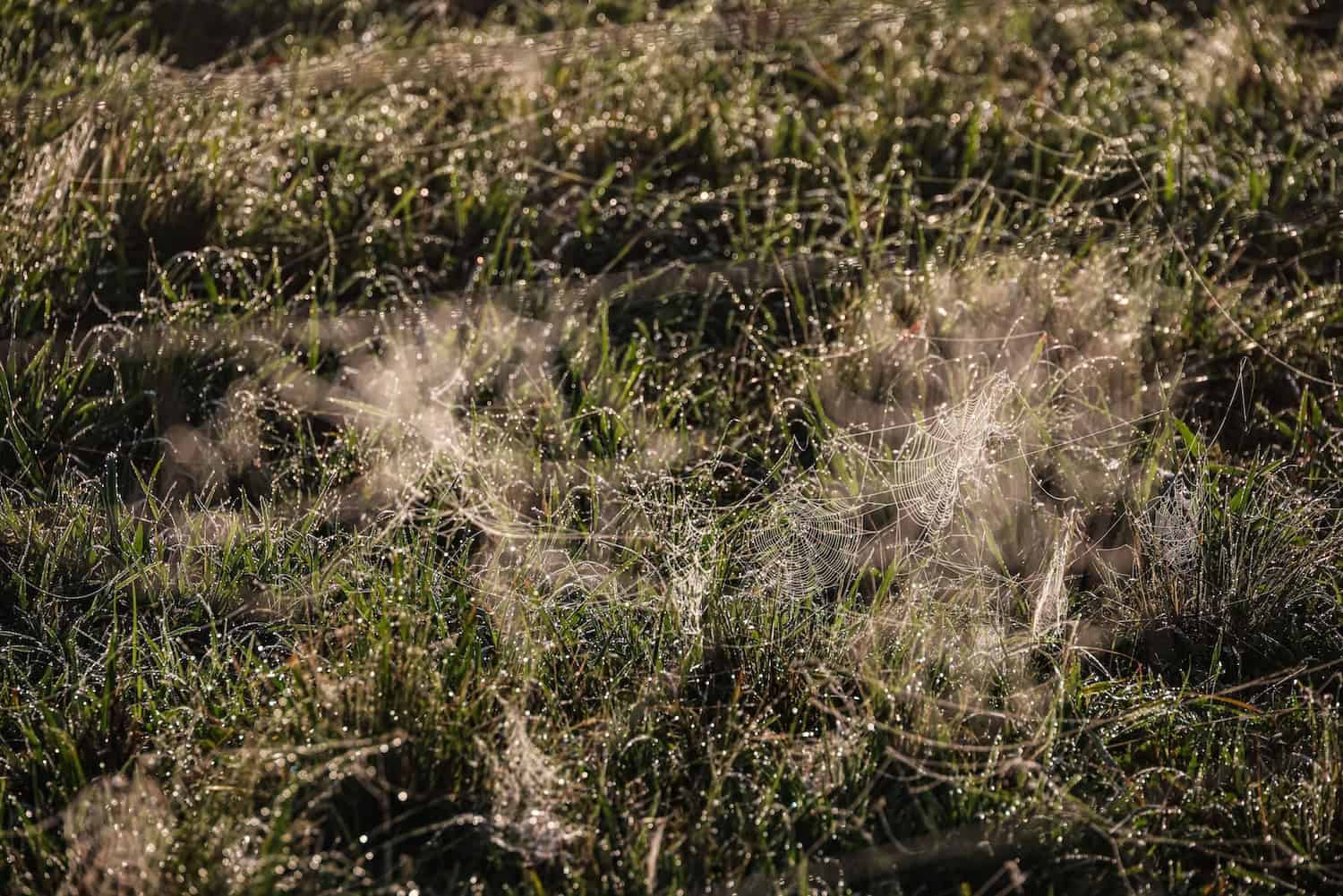
- Spiders weaving thick fall webs: Old-timers read this as a sign of a hard winter.
- Squirrels gathering nuts early and in large amounts: Cold snaps on the way.
- Cattle huddling tail-to-tail: A cold front is coming through.
- Frogs croaking louder than usual: Rain within 12 to 24 hours.
- Bees returning to the hive in mid-day: A summer storm is approaching.
- Flies clinging stubbornly to window screens: Wet weather on the way.
Does It Actually Work?
The honest answer is: some yes, some no, and most needs a regional asterisk. Sharks fleeing before hurricanes, crickets chirping with temperature, and birds flying low ahead of fronts are all well-documented. Long-range signs like spider-web thickness or squirrel acorn behavior are harder to pin down statistically, but they have persisted in farm communities for centuries because they were useful often enough. Folklore is not the opposite of forecasting. It is one of forecasting’s oldest sources.

Frequently Asked Questions
Can animals really predict the weather?
Yes, for some short-range events. Animals detect barometric pressure changes, infrasound, ground vibration, and humidity shifts that humans miss. Sharks fleeing before hurricanes, birds flying low before storms, and crickets chirping faster in heat are well-documented. Long-range folklore signs are less reliable but have persisted because they often worked.
How does the cricket-chirp temperature formula work?
Crickets are cold-blooded, so their chirp rate rises with air temperature. Count the chirps in 14 seconds and add 40 for the temperature in Fahrenheit. The formula was published by Amos Dolbear in 1897 and is called Dolbear’s Law. It works best with snowy tree crickets.
What animals best predict an approaching storm?
Birds are the most reliable. They fly low or stop flying entirely 1 to 2 hours before a storm arrives, in response to the pressure drop. Cattle lying down, bees returning to the hive mid-day, frogs calling louder, and dogs growing restless are all corroborating signs.
Do squirrels and spiders really predict a hard winter?
The science is thin, but the folklore is durable. Squirrels gathering nuts earlier than usual and spiders weaving thicker fall webs are read as hard-winter signs in many regions. They are best treated as one indicator among several, not a standalone forecast.
Can pets sense earthquakes before they happen?
There is anecdotal and some research evidence. Many species hear infrasound and feel P-waves before humans register the main shock. Restlessness, hiding, or sudden flight in pets shortly before a quake has been reported repeatedly. The lead time is short, often only seconds to minutes.
How can I use animal signs to plan around weather?
Treat them as a complement to a real forecast, not a replacement. If your dog is restless, your barometer is falling, and the birds have grounded, you have three lines of evidence pointing at the same storm. The Farmers’ Almanac long-range forecast adds a fourth, weeks ahead.
Related Articles
- Are Cats Reliable Weather Forecasters?
- More Animals That Can Predict the Weather
- How Well Do You Know Your Weather Lore Rhymes?


This article was published by the Staff at FarmersAlmanac.com. Any questions? Contact us at [email protected].
- Farmers' Almanac Staff

- Farmers' Almanac Staff

- Farmers' Almanac Staff

- Farmers' Almanac Staff

In summer monsoons and winter snows, our horses head to shelter about 10-15mins before major precipitation events. They ignore sprinkles, light rain, flurries or light snow. But when the big events are going to hit, the horses tell us.
When cattle bunch up into a corner of a fenced field it means storms.
I grew up in this one, 90 days from fog you get moisture. This is pretty accurate, have won many bets with this one
Living in an area that is known for triple digit degree summer weather certainly.does have the crickets chirping.
My question here is if anyone knows why the chirping carries on for minutes than silence for minutes followed by chirping again for the same period of time than silence again. Continues as such for some time.
9:30-10:00 at night.
April
how about if you HEAR NO CRICKETS when you normal used to?
Growing up in the country taught me a lot about the weather. I can predict it closer then any from where I live now being its a suburbam area. When its going to rain the air turns sweeter, when the sky is white and bright it’s going to snow, also a snow predictor is when the robins start singing in winter at night, although that doesn’t include cities where the continual lights knock out their body clocks. I’ve seen most of the others added already so will just leave it with those
Hello from the Appalachian foothills of Dahlonega, GA.
They say the number of times it fogs on the mountain in August is how many times it will snow that winter.
When the cows lay down, it means they are tired. When they all huddle under the shade of a large tree, it means the sun is really hot on their backs and they want some relief. When the cows all huddle together in a group at a corner of the pasture, it means it’s group therapy time. Even cows have problems!
This is for fishermen.I was told by a little old man up near Harlem, Ga. that he used to drive around to see if cows were laying down because if they were you might as well stay at home because fish was not biting. If they were up and moving, go fishing.
Well, I know for a fact that when you hear the Canadian geese flying overhead, it usually means fall is around the corner. When you hear them again in spring, it means warm weather and spring is just around the corner. I never really noticed it til I moved where I am living now. You know why geese just walk around certain places in the summer? Well, the geese lose their flight feathers during the summer while they are raising their young anyway. When they molt (lose feathers) during summer, when they grow all their feathers back and their family is all grown up. It is time for them to take flight, hence fall time and they all fly South for the winter. I am guessing they go south? Humm?