Before You Cut Back Your Garden, Leave These 7 Plants Standing for Winter
Before fall cleanup, discover seven plants to leave standing for winter—and how their seeds and stems benefit birds, bees, and your garden.

Those faded flowers and dried stalks can still feed birds, provide future nesting sites for native bees, and bring beauty to the winter garden.
The flowers have faded. The stems have turned brown. On a chilly fall afternoon, it’s tempting to reach for the pruners and clear the whole garden before winter.
But take a closer look. A coneflower’s prickly center may still hold seeds for a hungry goldfinch. The delicate branches of a native grass can catch frost and sway above the snow. Even an old flower stalk may have another season of usefulness ahead.
Healthy coneflowers, black-eyed Susans, bee balm, Joe-Pye weed, upright sedum, switchgrass, and little bluestem are all worth considering before you cut plants to the ground. Some offer food, others provide structure, and certain stems can become nesting habitat for native bees.
Here are seven plants to leave standing—and how to decide when cleanup can wait.
1. Coneflowers: Leave the Spiky Seed Heads
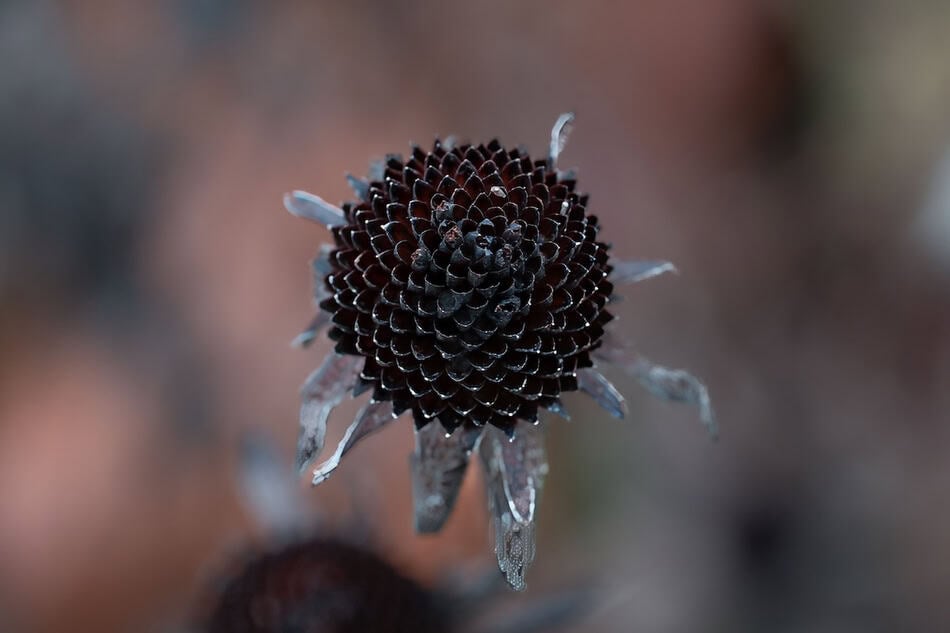
Once the petals fall from purple coneflowers (Echinacea purpurea), their raised centers become one of the most useful features in the fall garden.
Those dark, bristly cones hold seeds that birds can pick from the standing plants. Penn State Extension notes that goldfinches frequently visit purple coneflowers for their seeds.
Leave healthy flower stalks where you can watch them from a window. A little frost on the cones makes a lovely winter scene, and you may get a bird-watching opportunity along with it.
Thinking ahead to next season? Our guide to growing a backyard birdseed garden offers more ideas for planting a natural buffet.
2. Black-Eyed Susans: Keep Their Dark Centers
Black-eyed Susans (Rudbeckia species) offer another reason to put off deadheading.
Their yellow petals may be gone, but the dark centers can still contain seeds. Cornell Cooperative Extension’s guide to seed heads identifies several Rudbeckia species as useful food sources for birds.
Leave a healthy patch standing rather than trimming every stalk to the same height. Repeated seed heads also give the winter bed a recognizable shape after its summer color disappears.
If unwanted seedlings have been a problem, choose a smaller area to leave and manage the rest selectively.
3. Bee Balm: Save Healthy Stems and Flower Heads
Bee balm (Monarda species) has a distinctive winter silhouette: round flower heads surrounded by little papery tubes.
Cornell Cooperative Extension notes that its seeds are eaten by birds. Its stems have another potential use, too: researchers at NC State have documented solitary bee nests in both scarlet bee balm and wild bergamot.
The exception is disease. Bee balm often develops powdery mildew. Remove infected foliage and affected debris rather than leaving a diseased clump untouched. Healthy stems are the ones to consider keeping.
4. Joe-Pye Weed: Let the Tall Flower Heads Stay
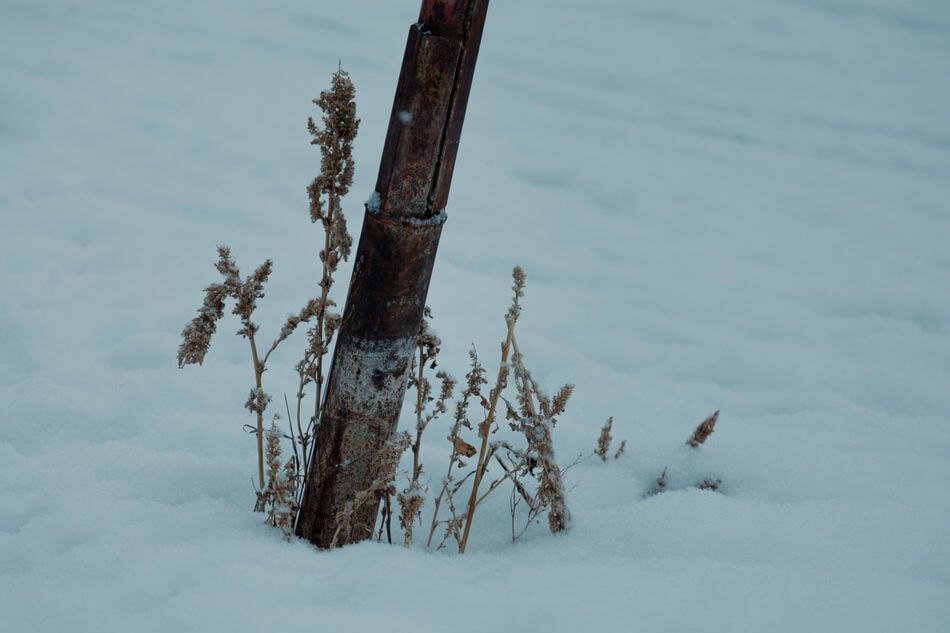
Joe-Pye weed (Eutrochium species) brings height to the summer garden, and its dried flower heads can continue doing that through winter.
The broad clusters look especially striking when outlined with frost. Iowa State University Extension lists Joe-Pye weed among perennials with winter interest, alongside several other plants whose dried stems and flower heads remain attractive after blooming.
Keep sturdy stems that remain upright. If a stalk bends across a path or steps, trim that individual stem so the area stays accessible.
5. Upright Sedum: Keep Those Flat-Topped Clusters
Tall, upright sedums, including familiar garden favorites such as ‘Autumn Joy,’ can look almost sculptural after their flowers dry.
Their broad clusters and sturdy stalks give an otherwise low winter bed some shape. Cornell Cooperative Extension highlights the coppery and dark rose tones that develop as stonecrop flower clusters mature.
Leave healthy clumps standing if you enjoy their appearance. Their clearest benefit here is winter beauty: a snow-capped flower head can be worth keeping even without a promise that every plant will feed wildlife.
6. Switchgrass: Leave Some Height and Movement
Switchgrass (Panicum virgatum) produces airy seed heads above upright foliage. Through winter, that fine texture offers a contrast to bare soil, stone, and evergreen shrubs.
The University of New Hampshire Extension recommends switchgrass among plants to leave standing, noting that ornamental grasses contribute movement and texture to the winter landscape.
Keep a clump where it has room to stand or bend naturally. In spring, cut back the old foliage before fresh shoots become tall enough to get caught in the cleanup.
7. Little Bluestem: Keep Its Winter Texture
Little bluestem (Schizachyrium scoparium) is another native grass worth leaving through winter.
Its fine stems and seed heads bring detail to a garden that might otherwise look empty. UNH Extension includes it among plants that can remain standing as part of a garden that supports wildlife.
Rather than shearing it down during fall cleanup, let a healthy clump remain where it won’t obstruct a walkway. When adding plants next year, look for species suited to your region and growing conditions.
What Should You Still Remove in Fall?
Leaving selected plants standing works best alongside thoughtful cleanup.
Remove diseased plant material, invasive weeds before they spread seed, and stems that block paths. UNH Extension advises keeping diseased debris out of ordinary backyard compost piles, which may not reach temperatures high enough to destroy plant pathogens.
You can also leave some fallen leaves beneath shrubs and in suitable garden beds. The Xerces Society’s winter habitat guide explains how leaf litter shelters insects through the cold season. Keep walkways and drains clear.
For the broader approach, read our guide to fall yard cleanup that can wait until spring.
When Should You Cut Back the Stems?
For seed heads, let birds use the remaining food before removing it. For grasses, time cleanup around the start of new growth in your area.
Stems kept for bees need a longer view. Newly dead stalks and older stalks may serve different purposes.
In a North Carolina study, researchers found no bee nests in intact stems during their first winter. Trimming those newly dead stems to 12–24 inches could create entrances for bees the following growing season. Older stems, including those cut or damaged earlier, could already contain nests and should remain undisturbed.
NC State Extension’s stem-management guide explains the cycle. Its findings support keeping useful stem stubble through the following year, rather than clearing everything away each spring. Regional timing and plant needs still matter.
Give Your Winter Garden Something to Offer
Before filling another yard-waste bag, walk through the beds and notice what remains: seeds, sturdy stems, textured grasses, and flower heads waiting for their first dusting of snow.
Choose a few healthy plants to keep. Watch which birds visit. Notice which stalks stand through the weather and which need attention.
And if those visitors inspire you to put up a feeder, see our guide to feeding backyard birds in fall and winter.
Which plants do you leave standing in your winter garden? Share your favorites—and your state or growing zone—in the comments.


- Farmers' Almanac Staff

- Farmers' Almanac Staff
- Farmers' Almanac Staff
- Farmers' Almanac Staff