After the Solstice: What to Plant, Prune, and Harvest Once Summer Officially Begins

The summer solstice may feel like the garden’s grand opening, but seasoned gardeners know it is really a turning point. Days start shortening the very next morning, and every week after the solstice the sun angle drops a little further south. That gives you a narrow but useful window to reset the beds, sow a second crop, tidy the shrubs, and get ahead of the heat.
For 2026, the June solstice arrived on June 21, marking the start of astronomical summer in the Northern Hemisphere. According to the U.S. Naval Observatory, from that moment daylight begins to shorten (by roughly one minute a day at 40 degrees N latitude), while soil temperatures and summer heat keep climbing for another six to eight weeks.
That makes late June and the first two weeks of July the perfect time to walk the rows, fill empty spaces, prune what has finished blooming, and harvest what is ready before it gets tough, seedy, or overripe.
Think of this as your after-solstice garden reset.
Quick Reference
- 2026 solstice date: Sunday, June 21, 2026, 4:24 p.m. Eastern Time (U.S. Naval Observatory)
- Daylight change: Roughly one minute lost per day at 40 degrees N through late July
- Second-sow crops: Bush beans, cucumbers, summer squash, zucchini, basil, dill, okra
- Fall-crop start: Kale, collards, Swiss chard, beets, carrots, broccoli, cabbage, bok choy
- Prune now: Lilacs, forsythia, azaleas, viburnum, weigela after bloom, plus tomato suckers
- Mulch depth: 2 to 4 inches, kept a few inches back from plant stems
First, Take a Garden Walk
Before you plant or prune, take a slow stroll with a basket, pruners, and notebook in hand. Give it fifteen minutes and do not skip the far end.
Look for bare spots where spring crops have finished, herbs that are starting to flower, tomatoes that need tying, shrubs that bloomed earlier in spring, and vegetables that are ready to pick right now.
Pull spent lettuce, radishes, peas, or spinach that have bolted in the heat. Add compost to those open spaces and turn them into second-crop real estate.
Late June and midsummer plantings can extend the harvest well into fall, especially after early crops have been cleared from the garden.
Old garden rule: Bare soil grows weeds. Covered soil grows supper.

What to Plant After the Solstice
The solstice does not mean planting season is over. In many gardens, it begins the second act.
Sow Another Round of Warm-Season Vegetables
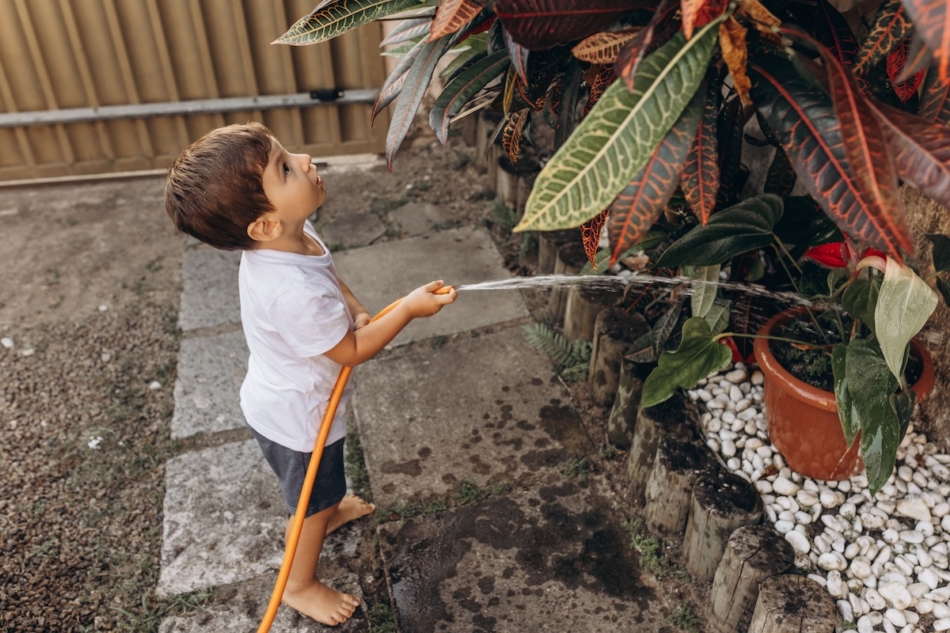
If you have open space, consider a second sowing of fast-growing summer crops such as:
- Bush beans
- Cucumbers
- Summer squash
- Zucchini
- Basil
- Dill
- Okra, especially in hot southern gardens
Choose quick-maturing varieties when planting this late, and always check the seed packet for “days to maturity.” Then count ahead and compare that timing with your average first fall frost date (the NOAA NCEI freeze/frost normals are the reliable US reference for that number).
Succession planting is one of the best ways to keep a garden producing instead of letting empty spaces fill with weeds.
Refresh Containers and Flower Beds
By late June, spring pansies and cool-season annuals may be fading. Replace tired plants with heat-loving bloomers such as:
- Marigolds
- Zinnias
- Cosmos
- Nasturtiums
- Lantana
- Salvia
- Sunflowers
These flowers do more than brighten the porch. Many also help attract pollinators, and pollinators are essential for crops such as cucumbers, squash, melons, berries, and many fruits.
In containers, trim leggy plants, add fresh potting mix or compost, and water deeply. Pots dry out faster than in-ground beds, especially once summer heat settles in.
What to Prune After the Solstice
Pruning in early summer is all about timing. Some plants welcome a trim now; others should be left alone until winter or early spring.
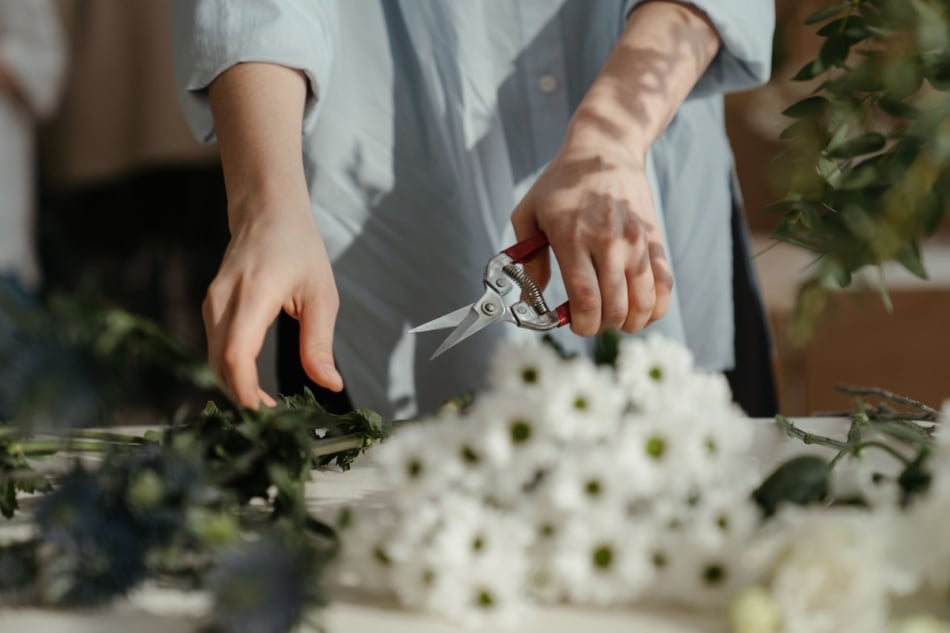
Prune Spring-Flowering Shrubs After Bloom
If your lilacs, forsythia, azaleas, viburnum, or weigela have finished flowering, now is a good time to shape them lightly.
Spring-flowering shrubs bloom on old wood, meaning they set their flower buds the previous year. Pruning them shortly after flowering helps avoid cutting off next year’s blooms.
Remove dead, damaged, or crossing branches first. Then thin crowded growth to improve airflow.
Avoid turning flowering shrubs into stiff green boxes unless that is truly the look you want. A gentle hand keeps their natural shape.
Go Easy on Summer-Flowering Shrubs
Many summer-flowering shrubs bloom on new growth produced during the current season. These are often best pruned in late winter or early spring before growth begins.
After the solstice, limit pruning on summer bloomers to removing dead, diseased, or broken branches. Heavy pruning now may reduce flowers.
Tidy Tomatoes, But Know Your Type
Tomato pruning depends on whether your plant is determinate or indeterminate.
Indeterminate tomatoes keep growing and producing throughout the season, so gardeners often remove small suckers to improve airflow and keep plants manageable.
Determinate tomatoes grow to a set size and produce much of their crop over a shorter period, so over-pruning can reduce the harvest.
In plain garden language: Prune the jungle, not the fruit.
Pinch Herbs Before They Flower
Basil, mint, oregano, thyme, and other leafy herbs taste best when harvested before flowering. Once herbs bloom, leaf production may slow and flavor can change.
Pinch basil just above a pair of leaves to encourage bushier growth. Snip mint often to keep it from taking over. Harvest oregano and thyme in small bundles and dry them for winter cooking.
The best time to harvest most herbs is in the morning, after the dew has dried but before the heat of the day.
Deadhead Annuals and Spent Spring Blooms
Remove faded flowers from annuals such as petunias, marigolds, zinnias, and geraniums to keep plants looking fresh and encourage continued bloom.
You can also remove spent blooms from spring bulbs and early-flowering perennials.
Leave some seed heads later in the season for birds, but in June a little deadheading can keep the flower show going strong.
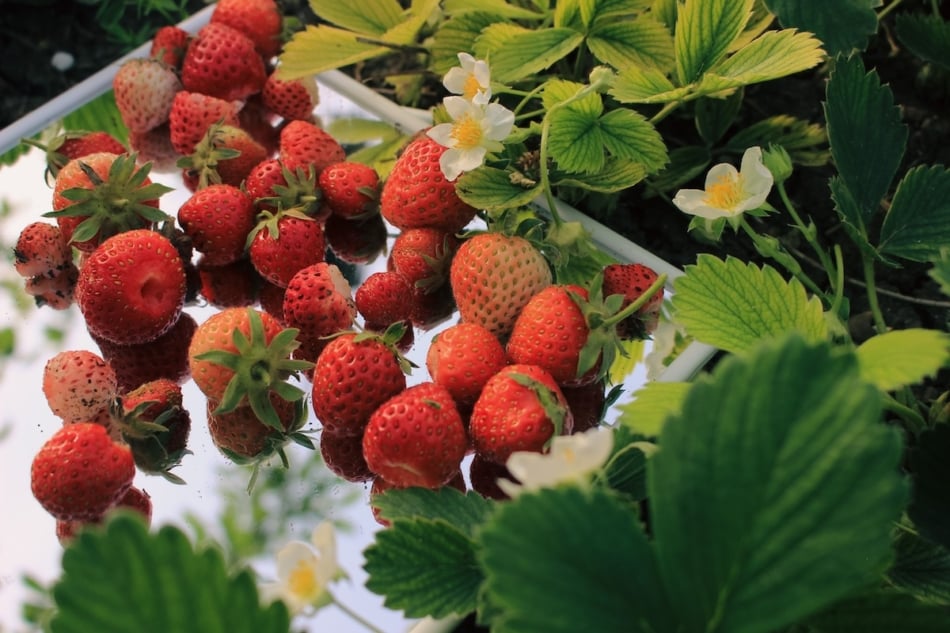
What to Harvest After the Solstice
The best summer harvest rule is simple: Pick early and pick often.
Vegetables left too long on the plant can become tough, bitter, seedy, or overripe. Timely harvesting helps maintain flavor, freshness, and quality.
Depending on your region, late June may bring:
- Lettuce and salad greens in cooler areas
- Peas in northern gardens
- Green beans
- Cucumbers
- Summer squash and zucchini
- Herbs
- Strawberries
- Blueberries
- Early tomatoes
Do Not Forget Water and Mulch
After the solstice, the sun may slowly lose a few minutes of daylight each day, but soil temperatures and summer heat often keep climbing well into August.
Water deeply in the morning when possible. Deep watering encourages roots to grow downward, where the soil stays cooler and moisture lasts longer.
Mulch is one of the gardener’s best summer helpers. A layer of organic mulch helps cool soil, conserve moisture, reduce weeds, and improve soil structure as it breaks down.
Good summer mulches include:
- Straw
- Shredded leaves
- Untreated grass clippings
- Pine needles
- Compost
- Fine bark mulch
Aim for a layer of about 2 to 4 inches. Keep mulch a few inches away from plant stems to prevent rot. This is one of the most tested rules in the University of Missouri Extension summer-mulching guidance, and it holds true from Georgia to Maine.
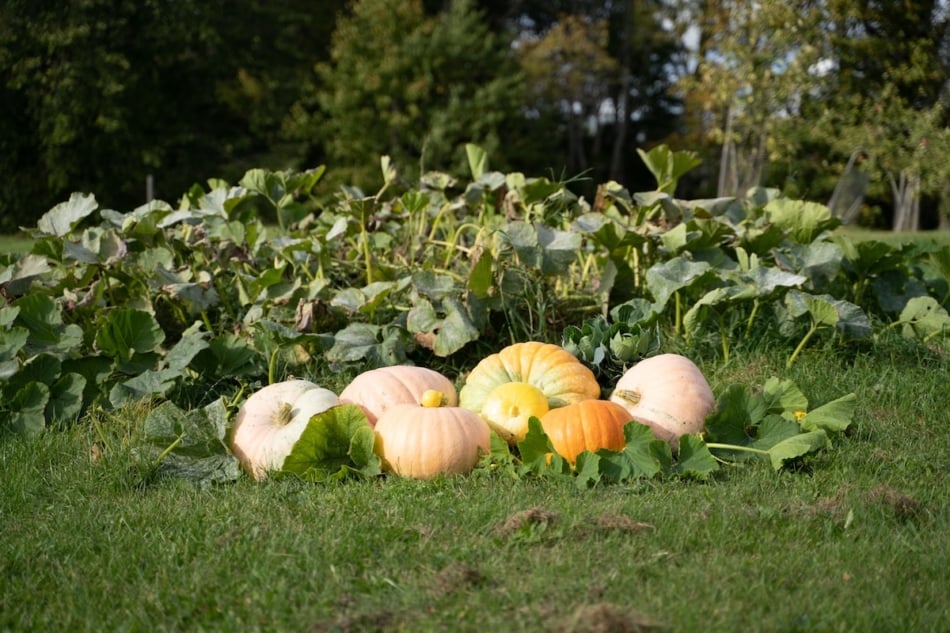
Start Thinking About the Fall Garden
It may sound strange to talk about fall when the sun is high and the soil is warm, but the best fall harvests often begin in summer.
After early crops such as salad greens, radishes, peas, and spinach are harvested, gardeners can plant more vegetables in late June, July, or August for fall picking.
Good candidates include:
- Kale
- Collards
- Swiss chard
- Beets
- Carrots
- Turnips
- Radishes
- Broccoli
- Cabbage
- Bok choy
- Lettuce in partial shade
For fall crops, count backward from your average first frost date and add the germination time listed on the seed packet.
A little planning now can mean fresh greens, roots, and brassicas long after the summer garden begins to slow down.
Your After-Solstice Garden Checklist
Before June slips into July, tackle these simple tasks:
- Pull bolted spring crops.
- Add compost to empty beds.
- Sow beans, cucumbers, squash, herbs, or fall crops.
- Start broccoli, cabbage, kale, or other fall transplants.
- Prune spring-flowering shrubs after bloom.
- Pinch herbs before they flower.
- Tie and lightly prune tomatoes as needed.
- Deadhead fading annuals.
- Harvest vegetables while young and tender.
- Add mulch before the hottest days arrive.
The garden after the solstice is no longer a promise, it is a living, growing, producing thing.
Tend it now, and it will reward you with baskets of beans, fragrant herbs, bright flowers, ripe tomatoes, and perhaps even a second harvest when cooler days return.

Frequently Asked Questions
When exactly did the 2026 summer solstice occur?
What can I plant after the summer solstice?
Is it too late to prune spring-flowering shrubs after the solstice?
Should I prune tomatoes in late June?
Do I need to mulch even in summer?
How do I know when to sow fall crops?


- Farmers' Almanac Staff

- Farmers' Almanac Staff
- Farmers' Almanac Staff
- Farmers' Almanac Staff