The Autumn Equinox Is Almost Here—But Day and Night Aren’t Actually Equal
The autumn equinox arrives on September 22, 2026, at 8:05 p.m. EDT—but day and night won’t actually be exactly equal. Here’s why atmospheric refraction, the size of the Sun, and your location make the equinox a little more complicated than its name suggests.

The first day of fall arrives September 22, 2026—but one of the most familiar things you’ve heard about the equinox isn’t quite true. Here’s why your day will still be a little longer than your night.
Fall officially arrives in the Northern Hemisphere on Tuesday, September 22, 2026, at 8:05 p.m. EDT.
That is the precise moment of the autumnal equinox, when the Sun crosses the celestial equator heading south. From that point forward, the Northern Hemisphere moves into astronomical autumn, the Sun takes a progressively lower path across the sky, and the nights begin winning their annual race against the days.
But there’s something surprising about the equinox.
Despite what many of us learned in school, day and night are not actually exactly equal on the equinox.
The word itself seems to promise otherwise.
So what’s going on?
When Is the Autumn Equinox in 2026?
The 2026 autumnal equinox occurs Tuesday, September 22, at 8:05 p.m. EDT—7:05 p.m. CDT, 6:05 p.m. MDT, and 5:05 p.m. PDT.
In Universal Time, the equinox occurs at 00:05 UTC on September 23. The U.S. Naval Observatory calculates the equinox as the precise astronomical moment when the Sun crosses the celestial equator.
At that same instant, astronomical fall begins throughout the Northern Hemisphere and astronomical spring begins in the Southern Hemisphere.
Unlike a holiday, an equinox does not last all day.
It happens at one exact moment.
Doesn’t “Equinox” Mean Equal Night?
The word equinox comes from the Latin words aequus, meaning “equal,” and nox, meaning “night.”
That has led to the familiar explanation that on the equinox, everyone on Earth receives exactly:
12 hours of daylight
12 hours of darkness
It’s a wonderfully neat idea.
It’s also not quite true.
Most locations actually experience a little more than 12 hours of daylight on the equinox.
The reason comes down to two things happening at the horizon.
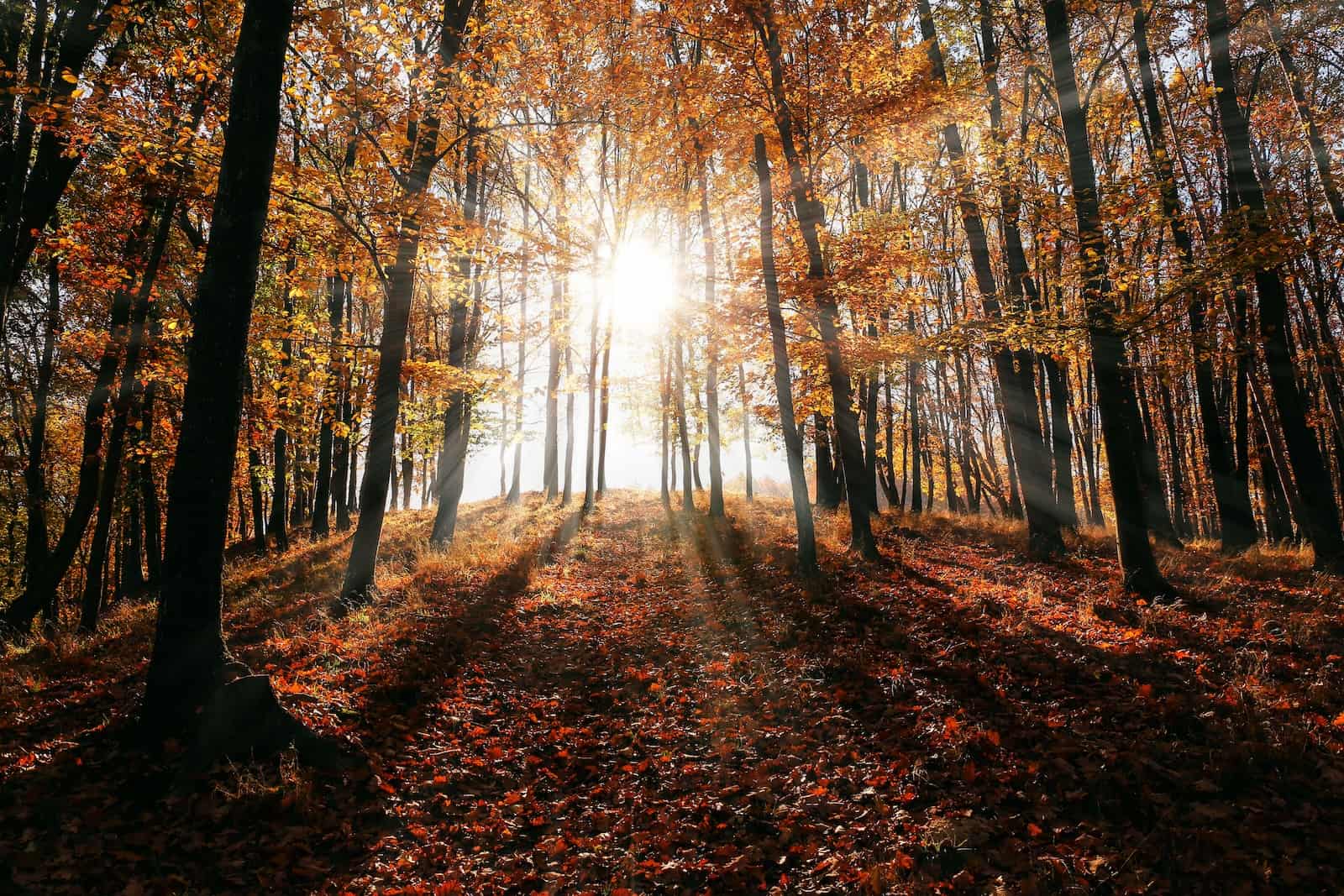
Reason #1: The Sun Is a Disc, Not a Dot
When we talk about sunrise, we don’t wait for the entire Sun to appear above the horizon.
Official sunrise begins when the upper edge of the Sun first appears.
Likewise, sunset does not occur when the center of the Sun slips below the horizon. Sunset is recorded when the last upper edge of the Sun disappears.
That distinction matters.
Because the Sun has an apparent width in our sky, using its upper edge effectively adds a little daylight at both ends of the day.
The U.S. Naval Observatory explains that if the Sun were treated simply as a geometric point, the center of its disk would spend approximately 12 hours above the horizon at the equinox. But our actual definitions of sunrise and sunset stretch the observable day.
And there’s another effect that adds even more.
Reason #2: Earth’s Atmosphere Bends Sunlight
Our atmosphere acts a little like a lens.
As sunlight passes through layers of air near the horizon, the light bends. This is known as atmospheric refraction.
The result is remarkable:
You can see the Sun even when it is technically still below the geometric horizon.
In the morning, refraction allows us to see the rising Sun slightly earlier than we otherwise would.
In the evening, it allows us to continue seeing the setting Sun slightly longer.
So the atmosphere essentially gives us a few extra minutes of visible daylight.
Combine that with the way sunrise and sunset are measured using the Sun’s upper edge, and the equinox becomes only nearly equal—not perfectly equal. The National Weather Service notes that daylight on the equinox can range from a little over 12 hours near the equator to noticeably more at higher latitudes.
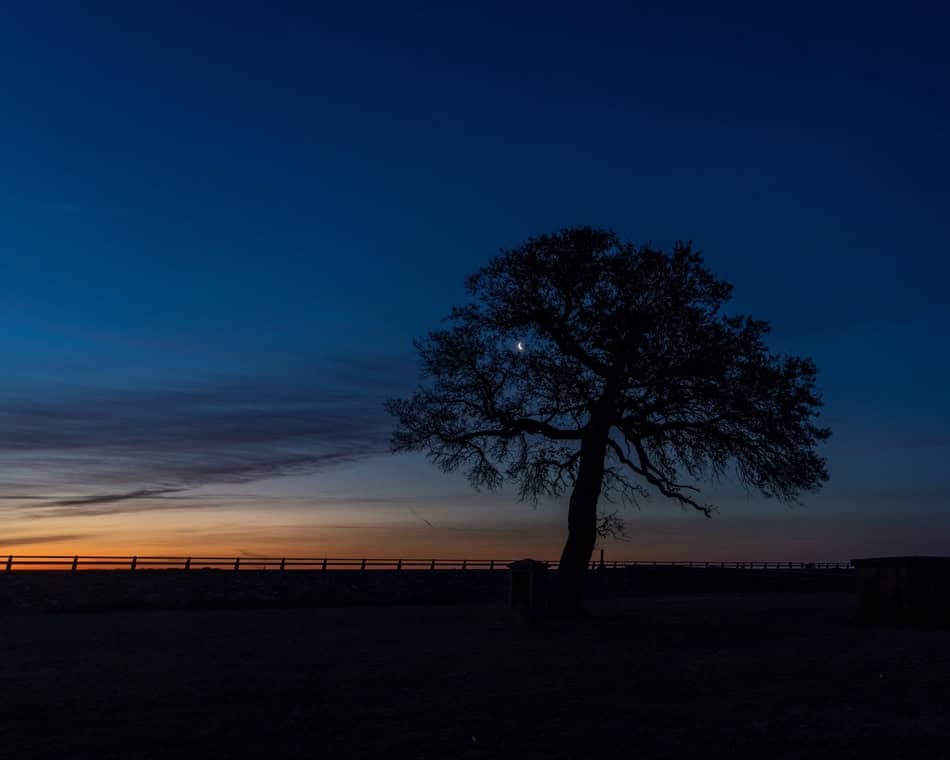
So When ARE Day and Night Actually Equal?
That brings us to a lesser-known autumn word:
Equilux.
The equinox is an astronomical event—the instant the Sun crosses the celestial equator.
The equilux is the date when daylight and nighttime at a particular location are closest to 12 hours each.
And they usually do not occur on the same day.
In the Northern Hemisphere, the autumn equilux generally occurs a few days after the September equinox.
Why after?
On September 22, we still have that little bonus of daylight created by refraction and the way sunrise and sunset are measured.
The days must shorten a bit more before daylight finally reaches roughly 12 hours.
Then nighttime overtakes it.
Your Equilux Depends on Where You Live
Here’s where things become even more interesting.
There is no single equilux date for everyone.
Latitude matters.
Someone in Maine will reach approximately equal day and night on a different date than someone in Florida.
The farther north you go during autumn, the more rapidly daylight is disappearing around the equinox. That means northern locations tend to reach their fall equilux sooner than locations farther south.
The U.S. Naval Observatory notes that the dates of 12-hour day and night vary according to latitude. The National Weather Service likewise explains that equal day and night occurs on different dates in different places.
That’s why the question—
“When are day and night equal?”
—doesn’t have one answer for the entire country.
It depends on where you are standing.
What Actually Happens at the Equinox?
While the equal-day-and-night idea gets most of the attention, the true astronomical event is even more fascinating.
Imagine Earth’s equator extending outward into space. Astronomers call this imaginary line the celestial equator.
During the September equinox, the center of the Sun crosses that celestial equator, moving from the northern half of the sky into the southern half.
That crossing marks a major seasonal turning point.
In the Northern Hemisphere:
- The Sun rises increasingly south of due east.
- The Sun sets increasingly south of due west.
- The midday Sun appears lower in the sky.
- Daylight continues shrinking.
- Nights continue growing longer.
- Astronomical autumn begins.
This process continues until the winter solstice in December, when the Northern Hemisphere reaches its shortest day and longest night of the year.
Does the Sun Rise Exactly Due East on the Equinox?
Very close—and under an idealized horizon, the equinox is the time of year when the Sun’s rising and setting positions are closest to the familiar rule:
Rise in the east.
Set in the west.
For most of the year, that isn’t actually what happens.
During summer, sunrise and sunset occur farther north.
During winter, they occur farther south.
Around the equinoxes, the Sun’s daily path crosses the celestial equator, bringing sunrise and sunset closest to due east and due west.
It’s one of the easiest ways to see Earth’s changing relationship with the Sun right from your own backyard.
Why Does Fall Begin at Night This Year?
Because an equinox is an astronomical instant rather than a calendar day, it can happen at any hour.
In 2026, that moment arrives at 8:05 p.m. EDT on September 22.
So, technically, if you live on the East Coast, almost the entire daylight portion of September 22 still occurs during astronomical summer.
Then, at 8:05 p.m., fall begins.
There won’t be any sudden change in the weather, of course.
Temperatures won’t instantly drop.
Leaves won’t suddenly change color.
Nature operates on its own schedule.
But astronomically, something very real has happened: the Sun has crossed the celestial equator, and the Northern Hemisphere has entered the darker half of the year.
The Equinox Is a Turning Point You Can Actually Notice
You don’t need a telescope to experience the autumn equinox.
Look at where the Sun sets this week.
Notice how much earlier dusk arrives than it did in July.
Pay attention to the shadows around midday.
Step outside in the evening and notice how quickly darkness seems to settle in.
The change is especially noticeable during September because daylight is disappearing rapidly across much of North America.
By the time we reach October, those long summer evenings will feel surprisingly distant.
Equinox vs. Equilux: The Easy Way to Remember It
Here’s the simplest distinction:
Equinox:
The astronomical moment when the Sun crosses the celestial equator.
Equilux:
The day when daylight and nighttime are closest to being equal where you live.
They are related.
But they are not the same thing.
So when someone tells you that September 22 automatically brings exactly 12 hours of daylight and 12 hours of darkness, you can share one of autumn’s best little pieces of sky trivia:
Almost—but not quite.
Earth’s atmosphere gives us a few extra minutes of sunshine first.
2026 Autumn Equinox: Quick Facts
Date: Tuesday, September 22, 2026
Time: 8:05 p.m. EDT
What happens: The Sun crosses the celestial equator heading south.
What it marks: The beginning of astronomical fall in the Northern Hemisphere.
Are day and night exactly equal? No. Most locations still receive slightly more than 12 hours of daylight.
Why? Atmospheric refraction and the way sunrise and sunset are defined.
When are day and night closest to equal? On the equilux, which occurs a few days after the fall equinox for many Northern Hemisphere locations and varies according to latitude.
What comes next? Days continue getting shorter and nights longer until the winter solstice on December 21.
Frequently Asked Questions
Is the fall equinox always September 22?
No. The September equinox generally falls on September 22 or 23. The exact date and time shift because Earth’s trip around the Sun does not fit perfectly into our 365-day calendar.
Is September 22 the first day of fall in 2026?
Yes. Astronomical fall begins September 22, 2026, at 8:05 p.m. EDT in the Northern Hemisphere.
Meteorological fall, which is used by meteorologists for climate recordkeeping, began September 1.
Why aren’t day and night exactly equal on the equinox?
Two major reasons: Earth’s atmosphere refracts sunlight around the horizon, and sunrise and sunset are measured using the upper edge of the Sun rather than its center. Both effects slightly lengthen the period we count as daylight.
What is the equilux?
Equilux is the term commonly used for the date when daylight and nighttime are closest to 12 hours each. Its date varies depending on latitude.
What happens after the autumn equinox?
In the Northern Hemisphere, days continue becoming shorter and nights longer until the winter solstice in December. In the Southern Hemisphere, the opposite happens as spring begins.
Watch the sunset closely this week. The great seasonal balance is almost here—even if nature’s version of “equal” isn’t quite as perfect as the name suggests.


- Farmers' Almanac Staff

- Farmers' Almanac Staff

- Farmers' Almanac Staff

- Farmers' Almanac Staff