

Barber Pole History: Why It’s Red, White, and Blue
While most recognize the barber pole as a symbol for a good place to get a haircut, many don't realize what it actually means. The rather gruesome history might just surprise you!

Quick Reference: What the Barber Pole Means
- Red: the blood drawn during bloodletting.
- White: the bandages used to stop the bleeding.
- Blue: a United States addition, read as veins or as plain patriotism.
- The pole itself: the staff a patient gripped to make the arm veins stand out.
- The brass basin on top: the dish that held the bloodletting leeches.
- Why barbers: a 1163 decree barred monks from bloodletting, so barbers took over and became “barber-surgeons.”
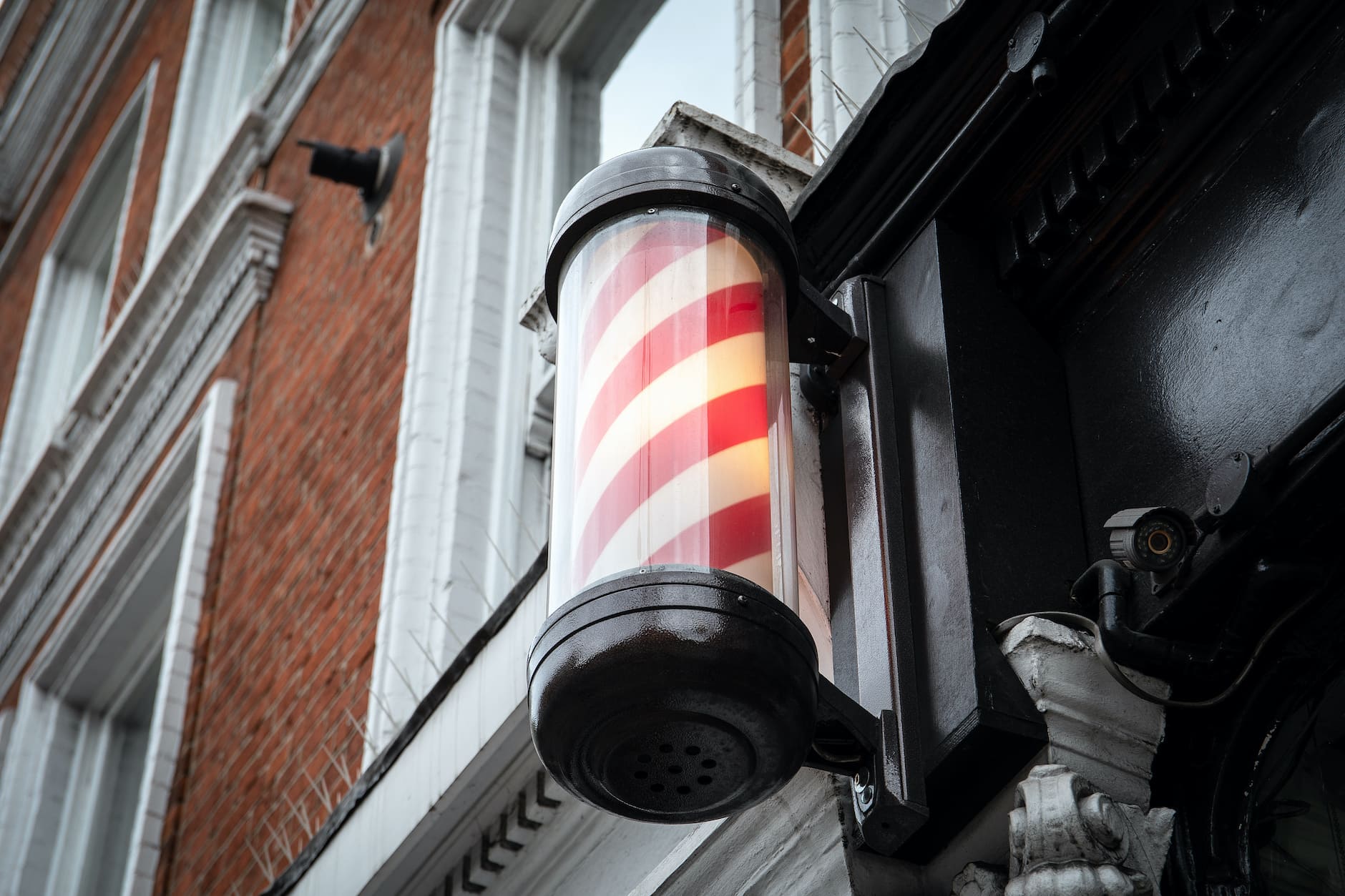
The striped pole turning outside a barbershop is one of the most recognized signs in any American town. The red, white, and (in the United States) blue stripes spinning on a pole tell everyone walking by that this is a good place to get a haircut. What almost no one passing by realizes is that those colors started as a medical advertisement, and the history behind them is a good deal more gruesome than a trim.
Most everyone knows the barber pole on sight. Far fewer know what it actually stands for. As it turns out, the meaning behind the barber pole and its colors traces back to a time when the man who cut your hair might also bleed you, pull your tooth, and set your broken bone. Here is the full story, color by color.
The Grisly History of the Barber Pole
Back in the Middle Ages, barbers did a lot more than haircuts and shaves. Barbers also offered certain medical services, the most common being bloodletting, the deliberate draining of a measure of a patient’s blood.
This procedure was usually performed by a monk, with barbers providing assistance because they had not only the sharp tools for the job but the skill to use them. Bloodletting was used to treat all kinds of ailments, from the simple, like sore throats and everyday complaints folks once doctored at home, to far more dangerous illnesses like the plague. The thinking was that too much blood in one area or another of the body led to these illnesses, so removing some of it would surely set a person right.
Fun Fact: The word “barber” comes from the Latin word “barba,” meaning beard.
You may be asking yourself why on earth this grim task became the sole territory of barbers. The answer is a decree issued in 1163 by Pope Alexander III that prevented monks from performing bloodletting. Surgeons of the day, meanwhile, often would not stoop to “simple” tasks like bloodletting, considering the work too mundane for their station.
So barbers took up the torch, along with other procedures like tooth extraction and the treatment of wounds and broken bones. In fact, barbers became known as “barber-surgeons” because of the broad range of services they offered. The combined trade continued until the mid to late 18th century, when treatments like bloodletting began to fall out of fashion and medicine and barbering finally went their separate ways. The National Library of Medicine’s history collection notes that the striped pole survives as a direct reminder of the days when one man held both the razor and the lancet, a point laid out in its account of the barber-surgeon’s long medical role.
The Meaning Behind the Colors
These “medical” offerings are why barber poles are the colors they are. The red was meant to represent blood, while the white symbolized the bandages used to halt the bleeding. Put the two together and you have a sign any passerby could read, even one who could not read a word of print.
The colors are wrapped around a stick because the pole itself represents the staves that patients would grip in order to make the veins of their arms stand out. When the procedure was finished, barber-surgeons would wash the bandages, which were usually still bloodstained, wrap them around the staff, and place them outside to dry. The wind would twist the wet cloth into a spiral, and that turning red-and-white stripe became the shape we still recognize today.
Of course, at first, barber-surgeons used other symbols to advertise their services to a largely illiterate public. In London, for instance, barbers would often place bowls of blood in their windows as an advertisement. Yikes.
Pretty chilling. However, a 1307 law banned this practice, which meant that barbers needed to find another way to draw customers in. The red-and-white striped pole rapidly became the symbol of barber-surgeons afterward. Some barber poles also have basins on the top, and these are meant to represent the dish that the bloodletting leeches were kept in. Yikes again.


What About the Blue Stripe?
In Europe, barber poles are red and white, so the blue stripe is a United States addition. Some historians say the blue stripe represents the color of veins, but the more likely story is that red, white, and blue simply became the standard as a show of patriotism. Either way, the third color is a New World touch, not a leftover from the bloodletting days.
So next time you are heading to the barber for a trim, remember the gruesome history behind the colors of the pole turning outside the door.
How to Read a Barber Pole at a Glance
Once you know the story, every part of the pole tells you something. Here is the whole sign broken down, piece by piece, so you can read it the way a medieval villager would have.
Old Trades and Old Wisdom
The barber-surgeon is a reminder that for most of history one neighbor handled many jobs, and that everyday folk wisdom filled the gap where formal medicine was scarce. That same spirit runs through a lot of the lore we still keep. Plenty of people, for instance, still time a haircut by the Best Days for cutting hair, trimming when the signs favor stronger, faster growth. Others plan by the phases of the Moon, the same full Moon dates and times our readers have followed for generations. The barber pole is folklore hiding in plain sight, and it is far from the only one.

Barber Pole History: Frequently Asked Questions
What do the colors on a barber pole mean?
The red stripe represents the blood drawn during bloodletting, and the white stripe represents the bandages used to stop the bleeding. The blue stripe is a later United States addition, read either as the color of veins or as a show of patriotism. The pole itself stands for the staff a patient gripped to make the arm veins stand out.
Why did barbers perform surgery and bloodletting?
A decree issued in 1163 by Pope Alexander III prevented monks from performing bloodletting, and surgeons often considered such “simple” tasks beneath them. Barbers already owned the sharp tools and had the skill to use them, so they took up bloodletting, tooth extraction, and the treatment of wounds and broken bones, becoming known as barber-surgeons.
Why is the barber pole striped in a spiral?
After a bloodletting, barber-surgeons washed the bandages, which were usually still bloodstained, wrapped them around a staff, and set them outside to dry. The wind twisted the wet red-and-white cloth into a spiral around the pole, and that turning shape became the symbol we still recognize.
Why is the American barber pole red, white, and blue?
In Europe, barber poles are only red and white. The blue stripe is a United States addition. Some historians say it represents the color of veins, but the more likely explanation is that red, white, and blue became the standard simply as a show of patriotism.
When did barbers stop being surgeons?
The combined trade of the barber-surgeon continued until the mid to late 18th century, when treatments like bloodletting began to fall out of fashion. Medicine and barbering eventually went their separate ways, but the striped pole stayed behind as a sign of the old dual role. Were you surprised to learn the barber pole origin story? Share your thoughts in the comments below.


Amber Kanuckel
Amber Kanuckel is a freelance writer from rural Ohio who loves all things outdoors. She specializes in home, garden, environmental, and green living topics.
- Amber Kanuckel

- Amber Kanuckel

- Amber Kanuckel
- Amber Kanuckel





Actually the barber pole dates back much further than stated here. The Barber Surgeons date back to early Egypt and the original poles were just outside the entrance to the Barbershop. In my research the pole is the oldest form of trademark to be found.
As a dentist, we learned early in our training about the dental & bloodletting services offered by barbers in centuries past. Several years ago, I also learned that George Washington most likely died from loss of blood from too many bloodletting procedures, not from pneumonia.
I learned about barber poles from Mr. Whoopie when Chumlee had a toothache.
Interesting. Here in Taiwan a barber pole usually means a brothel.