Apple Season Is Here: 8 Best Apple Varieties and How to Use Them

Apple season is one of the tastiest signs that fall has arrived. From crisp Honeycrisp to tart Granny Smith, there are hundreds of apple varieties—but not every apple is equally suited for every recipe.
Some apples stay firm and flavorful when baked into a pie. Others cook down beautifully for homemade applesauce. And some are so crisp, sweet, and juicy that the best thing to do is simply eat them fresh.
So, which apples are best for baking, pie, applesauce, and snacking?
Here are eight popular apple varieties and the best ways to use each one this fall.
Quick Guide: Best Apples by Use
Best for eating fresh: Honeycrisp, Fuji, Gala
Best for apple pie: Granny Smith, Jonagold, Cortland
Best for applesauce: McIntosh, Fuji
Best for baking: Jonagold, Golden Delicious, Granny Smith
Best for salads: Honeycrisp, Cortland
Best all-purpose apple: Golden Delicious
Want even more choices? See our complete guide to 21 different apple varieties and their best uses.
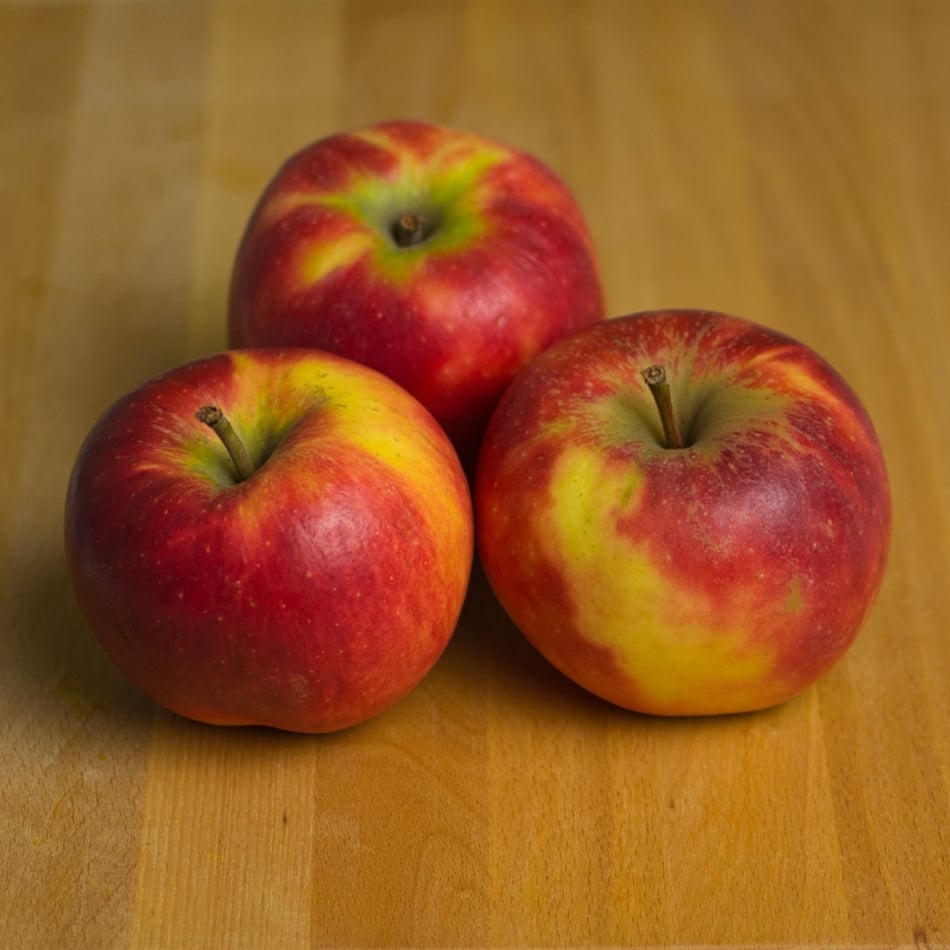
1. Honeycrisp Apples: Best for Eating Fresh
It is easy to understand why Honeycrisp apples have become such a fall favorite. They have an exceptionally crisp texture, plenty of juice, and a refreshing balance of sweetness and acidity.
Best uses for Honeycrisp apples:
- Eating fresh
- Apple slices
- Fall salads
- Cheese boards
- Apple chips
- Baking
Honeycrisp is especially good when you want the apple itself to be the star. Slice one and pair it with sharp Cheddar, add chunks to a harvest salad, or pack one for an easy autumn snack.
Honeycrisp also works in baked dishes, although its juiciness can contribute more liquid than some traditional baking varieties.
For another delicious idea, Farmers’ Almanac apple expert Kaitlyn Jill Thornton recommends Honeycrisp for making apple chips in our guide to apple varieties, storage, and the best apples for different uses.
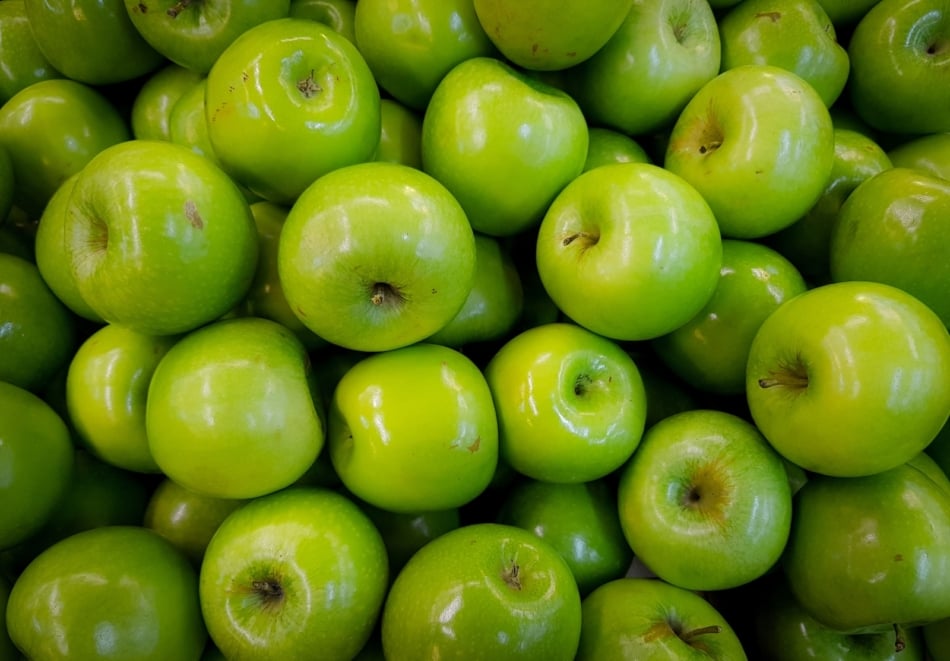
2. Granny Smith Apples: Best for Apple Pie
If you’re wondering what apples are best for apple pie, Granny Smith is an excellent place to start.
These familiar bright-green apples have crisp, dense flesh and a distinctly tart flavor. Their firmness helps them hold their shape during baking, while their tartness balances the sugar in pies, crisps, and other desserts.
Best uses for Granny Smith apples:
- Apple pie
- Apple crisp
- Cobbler
- Caramel apples
- Baked apples
- Cakes and pastries
For an even better apple pie, don’t rely on just one variety. Mixing tart Granny Smith apples with a sweeter apple such as Honeycrisp or Golden Delicious produces a filling with more complex flavor.
Try that technique in one of our award-winning apple pie recipes.
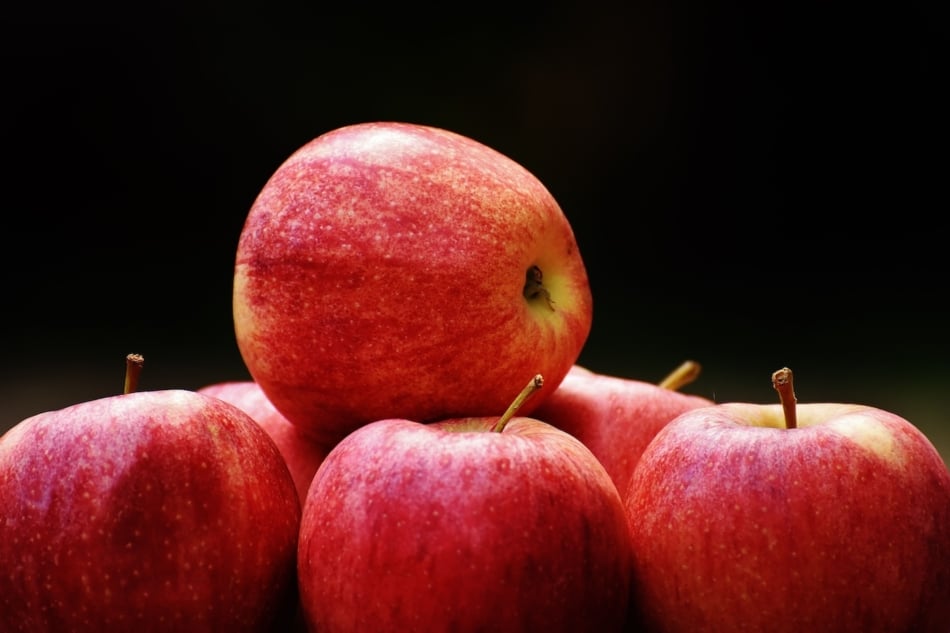
3. Fuji Apples: Best Sweet Apple for Snacking
Fuji apples are known for being especially sweet, crisp, and juicy. They have relatively low acidity compared with tart varieties, making them a favorite for people who prefer a sweeter apple.
Best uses for Fuji apples:
- Fresh snacking
- Lunchboxes
- Fruit salads
- Applesauce
- Apple butter
- Baking
Because Fuji apples bring plenty of their own sweetness, recipes made with them may need less added sugar.
They can also make excellent homemade applesauce. Their natural sweetness is particularly helpful if you are trying to make a sauce without adding much—or any—extra sugar.
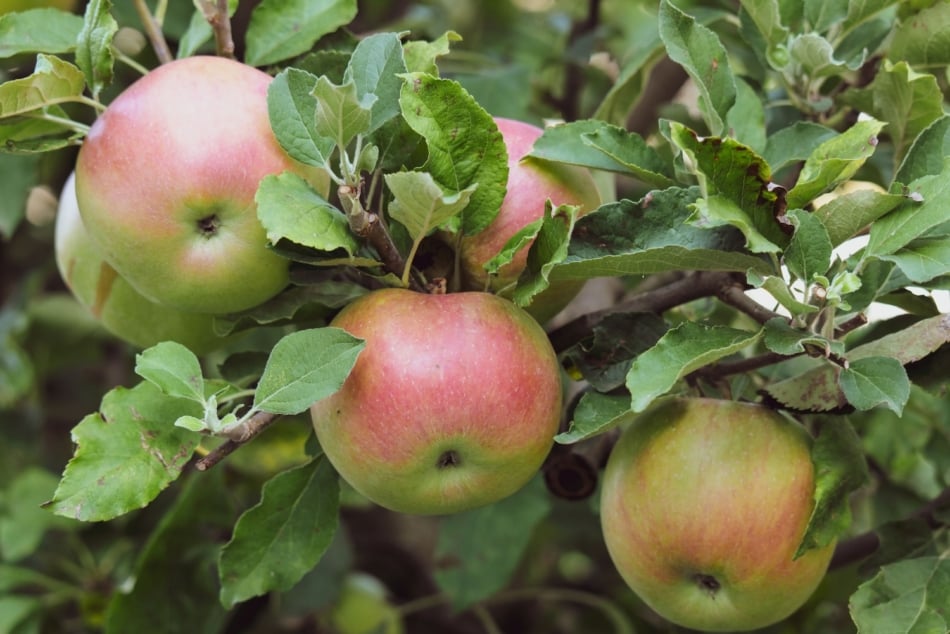
4. McIntosh Apples: Best for Soft Applesauce
The classic McIntosh apple has tender flesh and a distinctive sweet-tart flavor.
Unlike firmer baking apples, McIntosh apples soften and break down readily when cooked. That’s exactly what you want when making smooth homemade applesauce or apple butter.
Best uses for McIntosh apples:
- Applesauce
- Apple butter
- Cider
- Muffins
- Quick breads
- Soft baked desserts
For a chunkier applesauce, combine McIntosh with a firmer variety. The McIntosh will create the soft base while the firmer apples retain some texture.
Have leftover peels and cores after making sauce? Don’t throw them away. Turn them into homemade apple scrap jelly or learn how to make apple cider vinegar from apple scraps.
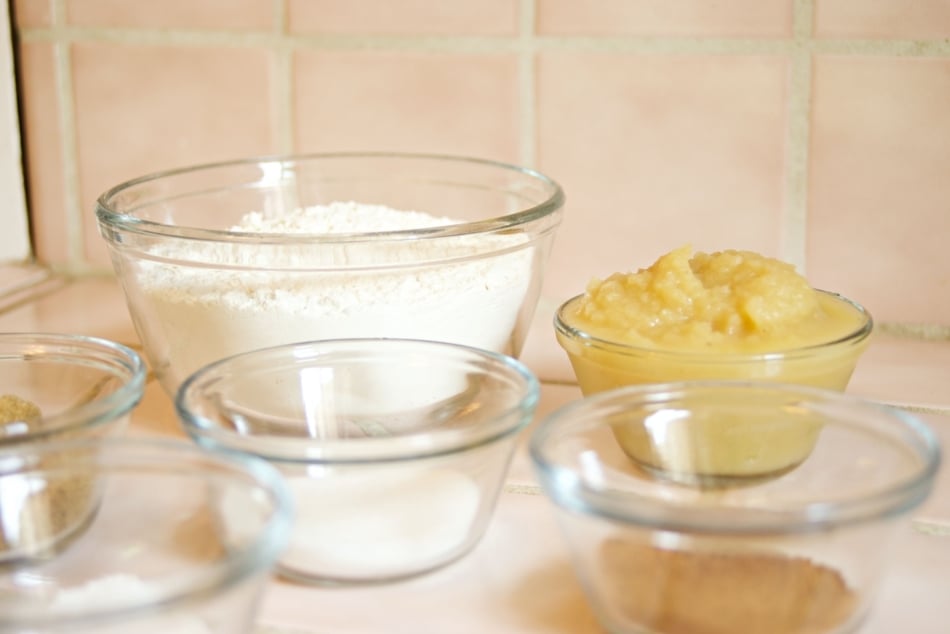
5. Gala Apples: Best Mild Apple for the Whole Family
Gala apples are sweet, aromatic, and pleasantly crisp, with a relatively mild flavor that makes them a popular eating apple.
Best uses for Gala apples:
- Fresh snacking
- Kids’ lunches
- Fruit salads
- Applesauce
- Muffins
- Apple bread
- Cakes
Gala apples soften more than firmer baking varieties during cooking, which makes them especially useful in muffins, quick breads, and cakes where tender pieces of apple are desirable.
Their sweetness also makes them a good apple to mix with a tart variety such as Granny Smith.
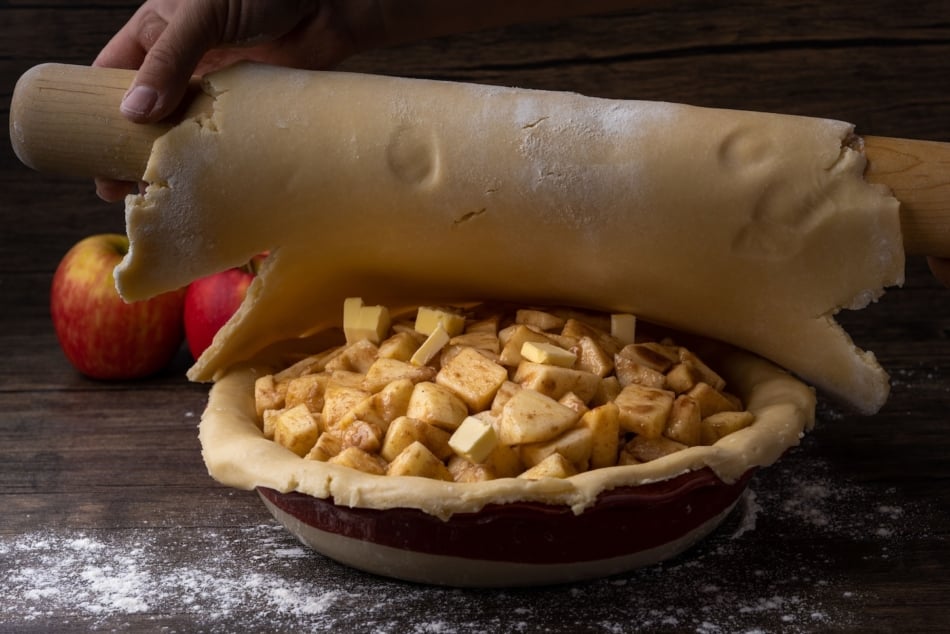
6. Jonagold Apples: Best for Baking
Jonagold is a cross between Jonathan and Golden Delicious, and it brings together some of the best qualities of both.
These apples are generally large and juicy, with a rich sweet-tart flavor that works particularly well in cooked desserts.
Best uses for Jonagold apples:
- Apple pie
- Apple crisp
- Baked apples
- Apple cake
- Applesauce
- Cobblers
Jonagold is one of the best apples for baking because it offers both sweetness and acidity. Its naturally rich flavor means you may also be able to use a little less added sugar, depending on the recipe.
For pies and crisps, try combining Jonagold with a firmer or tarter variety for even more flavor and texture.
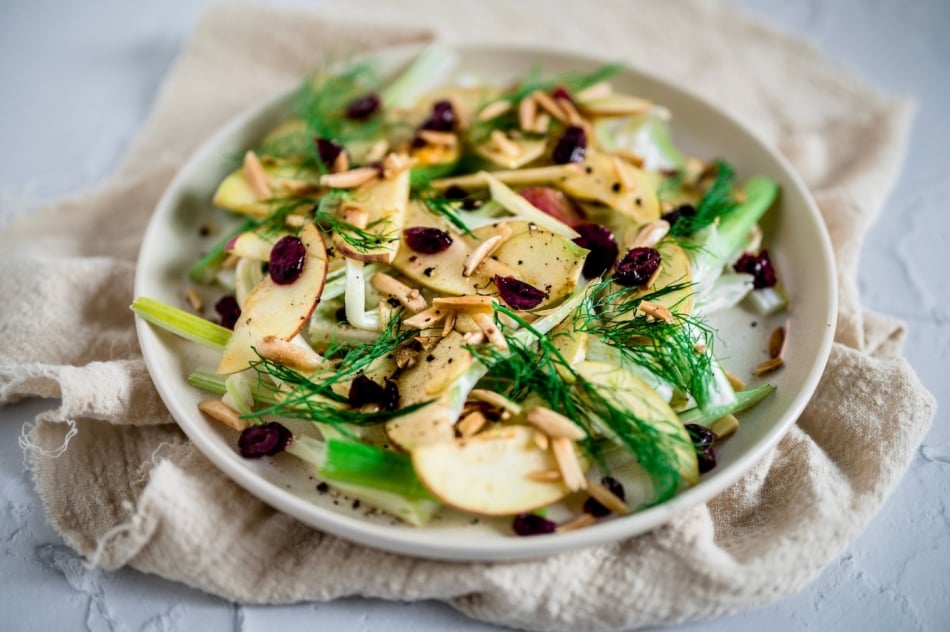
7. Golden Delicious Apples: Best All-Purpose Baking Apple
Don’t confuse Golden Delicious with Red Delicious. Despite the similar names, they are very different apples.
Golden Delicious has thin yellow skin and sweet, mellow flesh. It is one of the most versatile apples to keep in the kitchen.
Best uses for Golden Delicious apples:
- Apple crisp
- Apple pie
- Baked apples
- Applesauce
- Cakes
- Salads
- Fresh eating
Golden Delicious apples soften nicely when heated while still providing useful texture in many baked dishes.
Their naturally sweet flavor also pairs beautifully with classic fall spices such as cinnamon, ginger, cloves, and nutmeg.
For a great apple crisp, combine Golden Delicious and Granny Smith. The Golden Delicious brings sweetness while Granny Smith adds tartness and structure.
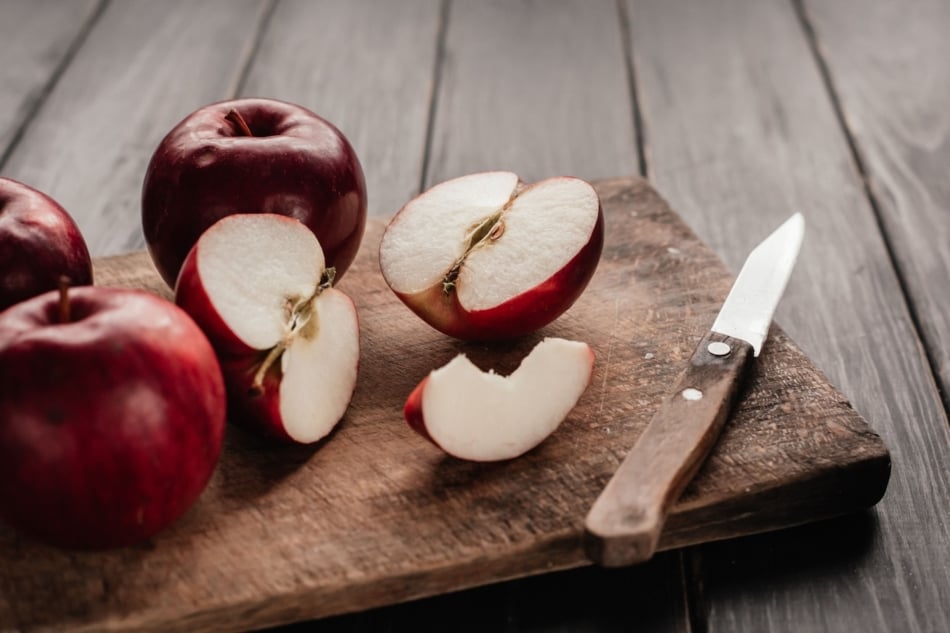
8. Cortland Apples: Best for Salads and Sliced Apples
Cortland apples have juicy white flesh and a pleasant sweet-tart flavor. They are particularly useful when you’re planning to serve sliced apples.
Cortlands are known for resisting browning somewhat longer than many other common apple varieties after cutting, making them a convenient choice for fresh dishes.
Best uses for Cortland apples:
- Fruit salads
- Fresh apple slices
- Cheese boards
- Sandwiches
- Apple pie
- Baking
Their balance of sweetness and acidity also makes Cortland an excellent apple to include in a mixed-variety pie.
What Are the Best Apples for Apple Pie?
The best apples for apple pie are generally varieties that have plenty of flavor and enough firmness to avoid completely turning to mush during baking.
Good choices include:
- Granny Smith
- Jonagold
- Cortland
- Honeycrisp
- Golden Delicious
But here’s the real secret to a great apple pie:
Use more than one variety.
Mixing apples gives your filling a combination of tartness, sweetness, firmness, and softer texture that’s difficult to achieve with a single variety.
Try these apple combinations:
Granny Smith + Honeycrisp: Tart, sweet, crisp, and juicy.
Granny Smith + Golden Delicious: A classic balance of tart and sweet.
Jonagold + Cortland: Rich flavor with a pleasing sweet-tart balance.
Granny Smith + Jonagold + Golden Delicious: A three-apple blend for an especially flavorful pie.
Our three award-winning apple pie recipes use the same principle: mixing apple varieties can help create better flavor and texture.
What Are the Best Apples for Applesauce?
If you prefer smooth applesauce, choose an apple that softens easily when cooked.
Some excellent apples for applesauce include:
- McIntosh
- Fuji
- Golden Delicious
- Cortland
- Gala
For homemade applesauce with more complex flavor, use two or three varieties.
Try combining a sweet apple such as Fuji or Golden Delicious with a more tart apple. You may find that naturally sweet varieties also reduce the amount of added sugar you need.
What Are the Best Apples for Baking?
For pies, crisps, cobblers, and other baked apple desserts, look for apples that combine good flavor with a texture suited to cooking.
Some of the best baking apples include:
- Granny Smith
- Jonagold
- Golden Delicious
- Cortland
- Honeycrisp
Our complete guide to the best apple varieties also includes traditional baking favorites such as Northern Spy, Rome, Mutsu, and Baldwin.
When Is Apple Season?
In much of the United States, fresh local apples begin arriving in late summer, while the heart of apple season falls during September and October. Exact harvest times depend on the variety, growing region, and weather.
Early-season apples may be ready in August, while some late-season varieties aren’t harvested until October, November, or even later.
That’s why a visit to a local orchard can reveal varieties you’ve never seen at the supermarket.
If you’re buying directly from a grower, ask which apples are at their peak and which varieties they recommend for eating, baking, cider, or sauce.
How to Choose Fresh Apples
Whether you’re visiting an orchard, farmers market, farm stand, or grocery store, choose apples that:
- Feel firm when gently handled
- Have intact skin
- Are free of large bruises and soft spots
- Feel heavy and solid for their size
A few harmless surface marks don’t necessarily mean an apple is poor quality—especially when buying freshly picked orchard fruit.
Use bruised or damaged apples first and save your best unblemished fruit for longer storage.
How to Store Apples So They Last Longer
Want your apple haul to last?
Keep apples cold.
Refrigeration slows the processes that cause fresh produce to lose quality. USDA produce-storage guidance recommends keeping refrigerators at 41°F or below and also notes that many fruits produce ethylene gas, which can speed deterioration in ethylene-sensitive produce.
Learn more from the USDA’s fresh produce storage guidance.
For best results at home:
- Store apples in the refrigerator rather than on the kitchen counter for long-term keeping.
- Check stored apples regularly.
- Remove bruised, damaged, or rotting fruit.
- Keep apples away from produce that is particularly sensitive to ethylene.
- Don’t let apples freeze.
Storage life can vary considerably by apple variety and storage conditions. The University of Minnesota Extension has additional information about apple storage conditions and storage disorders.
And if you simply have more apples than you can eat, freezing is another option. See the University of Minnesota Extension’s guide to freezing fruit safely.
Which Apple Should You Choose?
The best apple really depends on what you’re making.
For fresh eating: Choose Honeycrisp, Fuji, or Gala.
For apple pie: Try Granny Smith, Jonagold, or Cortland—or combine several varieties.
For applesauce: Reach for McIntosh or Fuji.
For apple crisp: Golden Delicious and Granny Smith make a flavorful pair.
For salads and sliced apples: Cortland and Honeycrisp are excellent choices.
And don’t be afraid to experiment. Part of the fun of apple season is discovering a new variety at a local orchard or farm stand.
With so many flavors, textures, and colors to choose from, there’s an apple for just about every fall recipe.
Frequently Asked Questions About Apple Varieties
What is the best apple for apple pie?
Granny Smith is one of the most dependable apples for pie because of its tart flavor and firm texture. For more complex flavor, combine it with a sweeter apple such as Honeycrisp, Golden Delicious, or Jonagold.
What is the sweetest apple?
Fuji is among the sweeter widely available apple varieties and is an excellent choice for fresh eating and naturally sweet applesauce.
What apples are best for applesauce?
McIntosh is an excellent choice for smooth applesauce because it softens readily during cooking. Fuji, Golden Delicious, Gala, and Cortland can also work well.
Which apples are best for baking?
Granny Smith, Jonagold, Golden Delicious, Cortland, and Honeycrisp are all useful baking apples. Mixing varieties often creates the best balance of flavor and texture.
Can you mix different apples in apple pie?
Yes. In fact, combining apple varieties is one of the easiest ways to create a pie with more interesting flavor and texture. Try pairing a firm tart apple with a sweeter variety.
Should apples be refrigerated?
For longer storage, yes. Refrigeration slows quality loss and generally keeps apples fresh longer than leaving them at room temperature.


- Farmers' Almanac Staff

- Farmers' Almanac Staff
- Farmers' Almanac Staff
- Farmers' Almanac Staff