

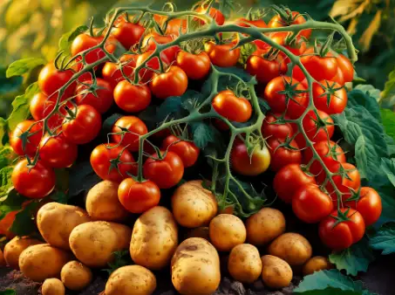
Harvest both tomatoes and potatoes from the same plant: meet the pomato plant. (Yes, you read that right.) A pomato...
Read MoreLooking for gardening and planting tips? We recommend searching for specific terms such as “seed starting” or “grow cabbage” to find the best results. Any questions? Leave a comment on any article and our experts will tell you the answers!
Harvest both tomatoes and potatoes from the same plant: meet the pomato plant. (Yes, you read that right.) A pomato...
Read More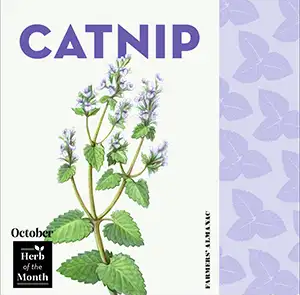
You already know your birthstone and your birth flower. The almanac tradition has one more layer: a birth month herb....
Read More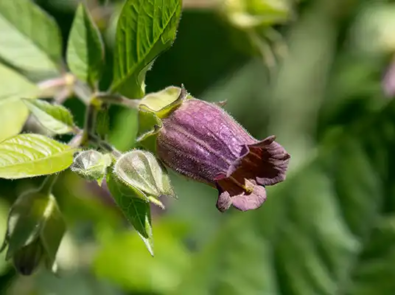
Editor Emeritus Peter Geiger shares how to remove deadly nightshade (belladonna) from your property. Plus, edible nightshade plants like tomatoes and potatoes that you may want to avoid eating and why.
Read More
November brings the last full flush of color before winter closes in, and the chrysanthemum wears it best. The rich...
Read More
October is a golden month indeed, with the brilliantly golden fall leaves on hickories, aspens, and black maples, along with...
Read More
The traditional September birth flower, the aster is a spritely bloom with a rich history and layers of lore that...
Read More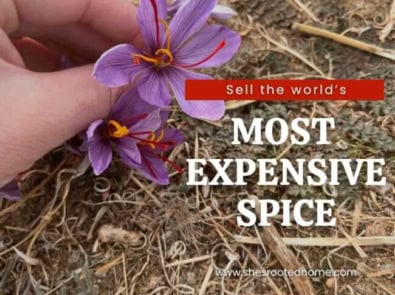
Saffron commands $5,000 to $10,000 per pound at retail and is the single most profitable crop per square foot you...
Read More
June flower lore runs deeper than almost any other month on the calendar. The month claims two birth flowers, the...
Read More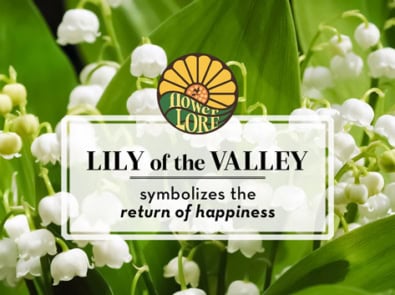
By May the woodland edges fill in, and somewhere in the shade a clump of lily of the valley hangs...
Read More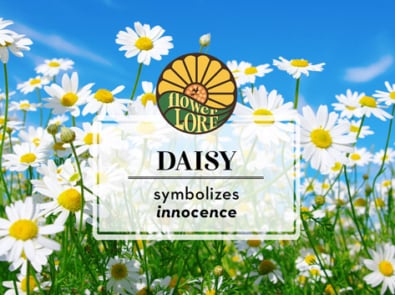
The April birth flower is the daisy, a bloom folklore ties to innocence, true love, and the fresh start of...
Read More