How to Grow Wildflowers: A Farmers’ Almanac Guide to a Pollinator Friendly Meadow

Quick Reference: How to Grow Wildflowers
- Best planting windows: early to mid spring after last frost, or late September to October for fall sowing with natural cold stratification.
- Seed rate: about 1/4 pound per 500 square feet (or 1/2 pound per 1,000 square feet), mixed 4:1 with dry sand for even broadcast.
- Sun: at least 6 hours of direct sun daily; average to poor, well draining soil.
- Depth: press seeds in no deeper than 1/8 inch; most need light to germinate.
- Pollinator payoff: a well planned meadow feeds roughly 90 percent of North American wild bees, per the USDA Natural Resources Conservation Service.
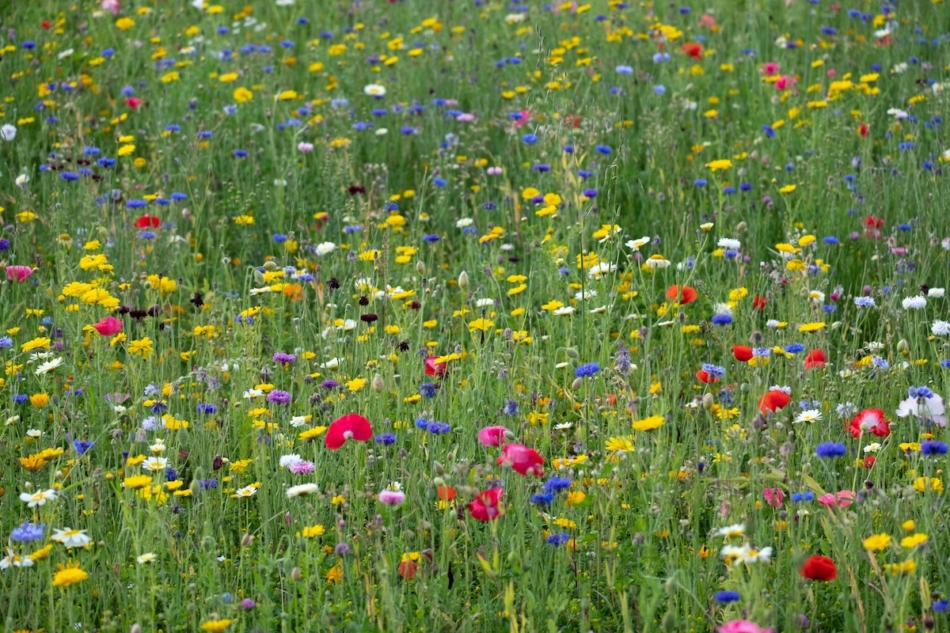
Wildflowers turn any patch of ground into a living tapestry of color while asking very little in return. Whether you dream of a sweeping meadow that dances in the breeze or a simple border along the vegetable garden, native wildflowers bring beauty, support bees and butterflies, improve soil health, and cut down on watering and weeding once they settle in. Best of all, they are forgiving for busy folks. Garden by the almanac, plant at the right time, give them a good start, and let nature do most of the work.
Why Grow Wildflowers?
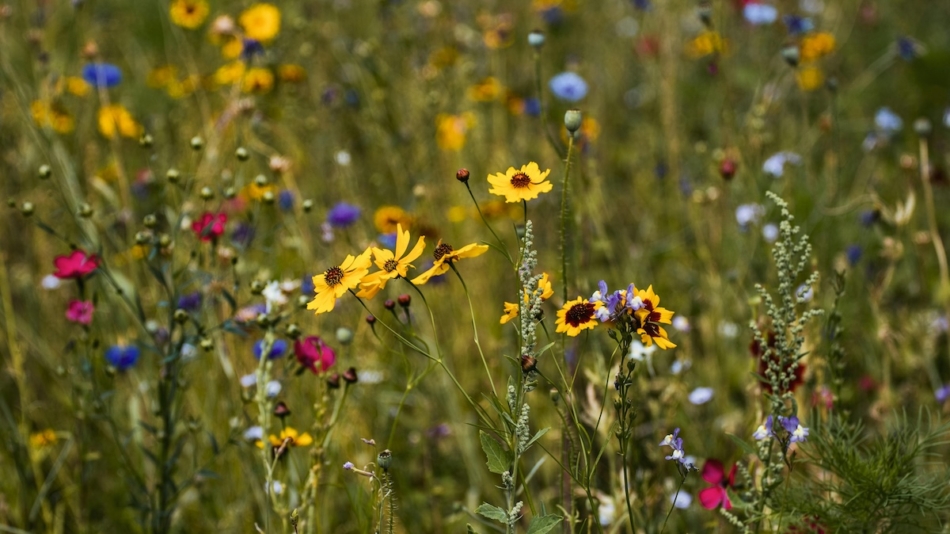
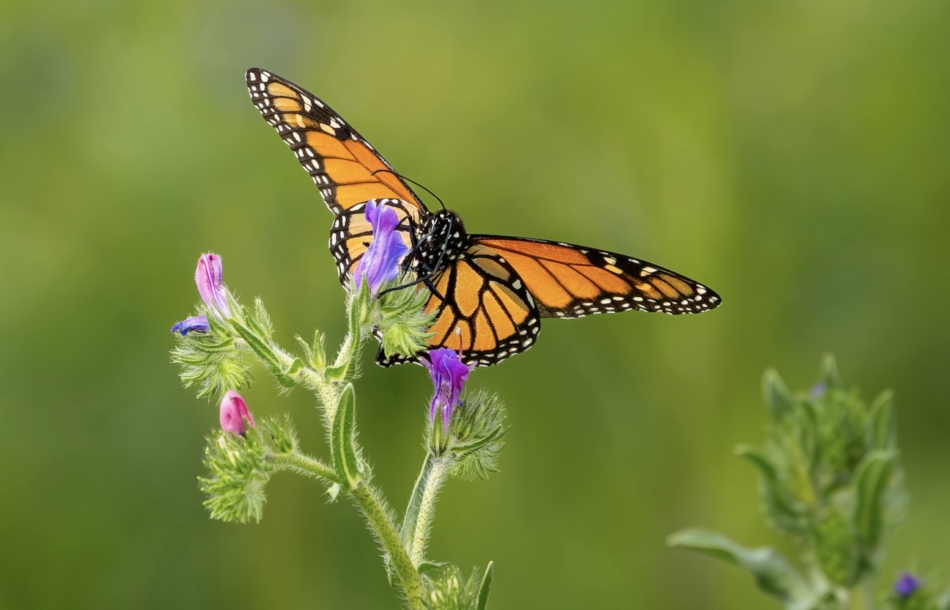
Native wildflowers are tough survivors adapted to local conditions. They attract essential pollinators that boost your vegetable and fruit harvests, reduce erosion, and thrive in poor or average soil where pampered garden flowers might sulk. Once established, many need little more than rainfall. They self seed year after year, giving you free flowers with minimal effort. The Xerces Society for Invertebrate Conservation notes that native plantings support four times more pollinator species than ornamental cultivar beds, which is one reason a wildflower patch pays back the whole vegetable garden next door.
There is a farmer’s arithmetic here too. The USDA Natural Resources Conservation Service estimates that pollinators contribute roughly $18 billion in annual crop value in the United States. Every square yard of meadow you plant on the edge of a garden is a small deposit against that number.
Step 1: Choose the Right Wildflowers for Your Area
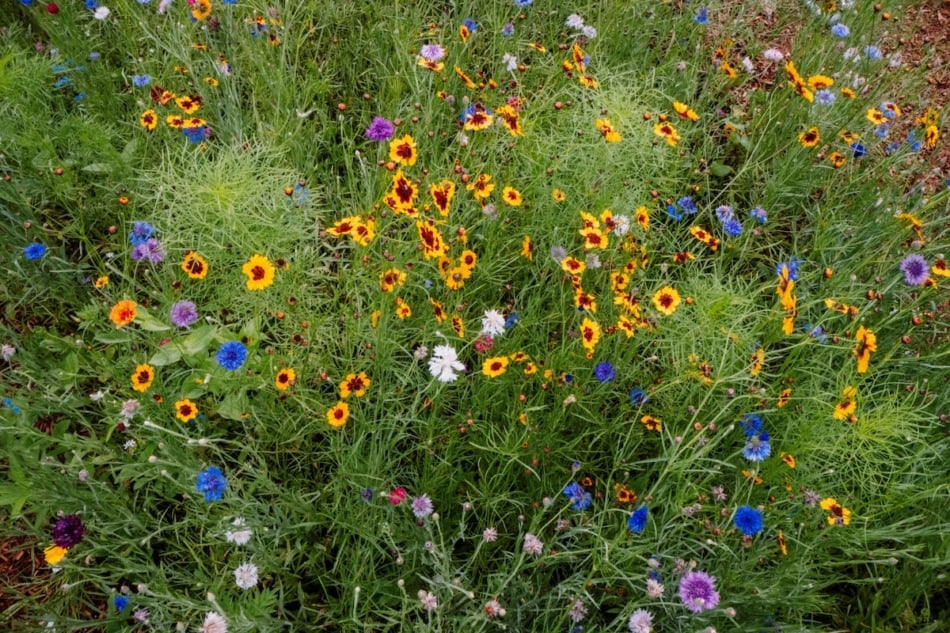
Always start with natives. They are already suited to your climate, soil, and wildlife. Check your USDA Hardiness Zone (most of the Northeast, for example, falls in Zones 6 to 7) and pick a regional seed mix from a reputable supplier. Look for blends labeled for your area rather than generic “meadow in a can” packets that may include invasive or non-native species.
Popular Northeast favorites (great for New York and similar climates):
- Black-eyed Susan
- Purple coneflower
- Swamp milkweed
- New England aster
- Red columbine
- Bee balm
Mix annuals (bloom first year), biennials, and perennials for color from spring through fall. Aim for a blend that includes flowers for early, mid, and late season, so pollinators have food across the whole growing year.
Regional picks by growing area
Step 2: Pick the Perfect Spot and Prepare the Soil
Wildflowers love full sun, at least 6 hours of direct sunlight daily, though some tolerate light shade. They prefer average to poor, well draining soil. Rich garden soil or heavy fertilizer often makes them leggy and floppy, so skip the amendments.
Soil prep is the most important step (and the one many folks skip):
- Choose your site in spring or fall when the soil is workable.
- Mow the grass or existing vegetation as short as possible.
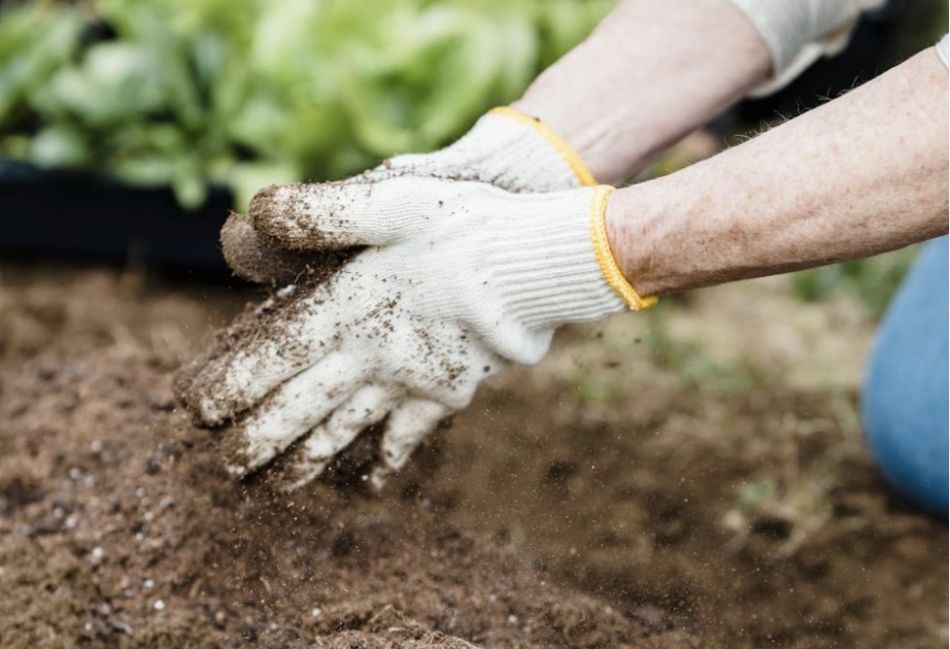
- Remove tough perennial weeds by hand, or smother them with cardboard or black plastic for several weeks to kill the roots without chemicals.
- Lightly scratch or rake the surface to loosen the top inch. Do not till deeply. Tilling brings buried weed seeds to the surface.
- Remove large rocks and level the area. A thin layer of straw can help hold seeds in place, but skip heavy mulch like bark chips.
Step 3: When and How to Plant
Best planting times: early to mid spring after the last frost, or fall (once nights cool down). Fall planting lets perennial seeds get natural cold stratification over winter, so they pop up strong in spring. In the Northeast, late September through October works beautifully.
Seed quantity: for a 500 square foot area, use about 1/4 pound of wildflower seed mix (or 1/2 pound per 1,000 square feet). This sounds like a lot until you see how tiny the seeds are.
Sowing steps:
- On a calm day, mix seeds with 4 parts dry sand or vermiculite so you can spread them evenly (this also helps you see where you have sown).
- Broadcast by hand or with a spreader. Walk in a north to south pattern, then east to west for good coverage.
- Lightly rake or tamp the seeds into the soil with your feet or a roller. Most wildflower seeds need light to germinate, so do not bury them deeper than 1/8 inch.
- Water gently but thoroughly right after planting. Keep the area moist (like a wrung out sponge) for the first 4 to 6 weeks until seedlings appear.
If you want an earlier start or have finicky seeds, sow indoors in cell packs 8 to 12 weeks before your last frost, then harden off and transplant.
Step 4: Care Through the Seasons
- First year: water regularly if rain is scarce. Pull obvious weeds while your wildflowers are getting established. They will eventually crowd out most competitors.
- Watering: once established (usually by the second season), most natives survive on rainfall alone.
- Fertilizer: none needed. In fact, skip it.
- Maintenance: let spent flowers go to seed so they self sow. In late fall or after the first hard frost, mow or cut the patch high (leave 6 to 8 inches) and leave the clippings on the ground. They add organic matter and shelter beneficial insects. Avoid cutting in spring or summer so you do not disturb nesting wildlife or pollinators.
Folklore signs that say sow now
Long before soil thermometers, growers watched trees and birds to time seed sowing. The Farmers’ Almanac keeps a shortlist of these calls for wildflower folks who like a second opinion on their planting window.
- Oak leaves the size of a mouse’s ear: a traditional cue that soil has warmed enough to sow warm season annuals like cosmos and zinnia.
- First dandelions in bloom: a Pennsylvania Dutch marker that spring soil is workable for cool season perennials.
- Return of tree swallows or barn swallows: classic sign that hard frost is done, useful for gardeners near the Great Lakes and Northeast.
Troubleshooting Common Issues
- No germination? Seeds may have been buried too deep, may be old, or the soil dried out. Re-sow fresh seed.
- Too many weeds? Thorough prep before planting prevents this. Hand pull early.
- Plants look leggy? Too much fertilizer or shade. Move or thin next year.
- Nothing blooming first year? Many perennials take a season to settle in. Be patient. The show gets better every year.
Let Nature Take the Lead
Growing wildflowers is less about perfect rows and more about working with the land. In a season or two, you will have a vibrant, buzzing patch that brings joy every time you walk by. Check the Farmers’ Almanac planting calendar for the best days in your area, and remember: a little patience and good prep pay off with years of free flowers and happier pollinators.
Ready to get your hands dirty? Grab a regional wildflower mix, pick your spot, and watch nature do the rest. Your garden, and the bees, will thank you.

Wildflower Growing FAQ
When is the best time to plant wildflower seeds?
Two windows work. Early to mid spring after your last frost gets annuals blooming the same year. Fall sowing, roughly late September through October in the Northeast and later farther south, gives perennial seeds the cold stratification they want and rewards you with a stronger stand next spring.
How much seed do I need per square foot?
Plan on about 1/4 pound of mixed wildflower seed per 500 square feet, or 1/2 pound per 1,000 square feet. Mixing 4 parts dry sand into 1 part seed makes even coverage possible and lets you see what you have already broadcast.
Do wildflowers really come back every year?
Annuals bloom the first year and reseed themselves if you let the flowers go to seed. Perennials sleep the first winter, then bloom heavier every following year. A mixed packet of annuals, biennials, and perennials gives you color this year and a self renewing meadow after that.
Should I till my yard before sowing?
No. Deep tilling brings buried weed seeds to the surface and starts an unwinnable weeding fight. Scrape or rake only the top inch of soil so the seed makes contact, and use cardboard or black plastic to smother stubborn perennial weeds ahead of time.
Isn’t a wildflower meadow just weeds?
A well planned meadow is not. Native species out compete weeds once established, feed pollinators the local ecosystem is built for, and read as intentional planting if you keep a mowed border around the patch. The Xerces Society calls this “framing” and it also keeps county weed inspectors friendly.
Can I grow wildflowers in a small backyard or a raised bed?
Yes. Pick shorter native mixes labeled for pollinator borders or container use. A 4 foot by 8 foot raised bed can host black-eyed Susan, dwarf coneflower, and bee balm, with room for a marker plant like blazing star. Water more often in a raised bed since it dries out faster than open ground.
Why did nothing bloom my first summer?
Most perennials spend year one building roots and leaves. If your mix leaned heavy on perennials, that is expected. Check your annual content, water through dry spells, and give the patch a second season before you judge it.

- Tim Konrad

- Tim Konrad

- Tim Konrad

- Tim Konrad