

Line-Drying Clothes: Tips for Doing It the Right Way
Is there a right way and a wrong way to hang clothes on a clothesline? Yes! These top tips will have you line drying your clothes like a pro so there are no time-wasting re-dos!
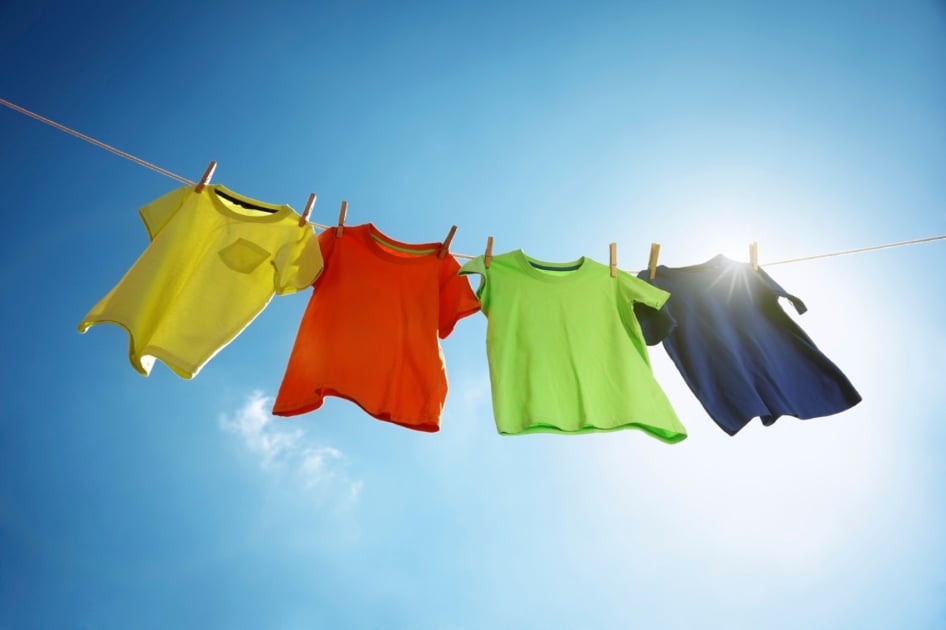
Quick Reference: Line-Drying Clothes
- The gear: vinyl-coated clothesline cord, large wooden pins, and a towel to wipe the line first.
- The trick: shake every item before hanging, then hang it by the right end so the pin marks tuck away and air moves through.
- The payoff: a clothes dryer is one of the home’s biggest energy users, so hanging laundry on a sunny day costs nothing to run.
- The bonus: sunlight naturally whitens and brightens, and a splash of vinegar in the rinse keeps line-dried clothes soft.
- Watch the weather: check the forecast first. High humidity means longer dry time, and a hard frost can freeze-dry laundry stiff.
While waiting for a technician to fix our clothes dryer, I realized we have lost the fine art of hanging laundry on the line. One evening my husband washed a load of clothes and hung them up at dusk, unsupervised. The next morning, I had to re-do the job. His T-shirts were all twisted and his underwear hung in a bunch by one pin. He folded his thick socks over the line, dashing all hope of their ever drying.
It is not his fault he was not taught to hang clothes properly. My mother taught me. She was fastidious about the job. Pondering this, I realized I never taught my younger two sons, either. So, here is my tutorial, for my sons, and for Almanac readers.
There is a right way and a wrong way to hang clothes on a line, and the difference shows up the next morning in wrinkles, stiff towels, and a sock that never dried. The tips below cover the gear, the technique garment by garment, and the little habits that separate a tidy line from my husband’s. Get them right and your laundry dries faster, comes off the line smelling like sunshine, and costs nothing to dry.
Why Line-Dry in the First Place
Beyond the smell and the nostalgia, there is a practical reason to string up a line. A clothes dryer is one of the most energy-hungry appliances in the house, and the sun and a light breeze do the same work for free. The U.S. Department of Energy points out in its guide to energy-efficient laundry that drying accounts for a real chunk of a household’s laundry energy use, so every load you hang outside is a load the dryer does not have to run.
Sunlight does a second job while it dries. The sun naturally whitens and brightens white cottons and helps lift stains, which is why grandmothers laid diapers and dish towels out in the sun for generations. The trade-off is that strong sun can also fade dark colors over time, so hang bright reds, navies, and blacks in the shade or turn them inside out.
Start With the Right Equipment
Use vinyl-coated cording made especially for clotheslines. Any old rope will not do. Ropes dry rot in the sun, hold water, discolor, and shed fibers into your clothes that make you itch. If you must use a rope temporarily, so be it. But for the long haul, get a true clothesline.
Buy Large Wooden Pins. Those bitty plastic things will not hold your heavy items, and in a good wind they will break apart. Large wooden pins grip better and last for years. If you want more out of a bag of clothespins than just laundry, our roundup of handy household tricks and natural remedies is full of the same make-do spirit.
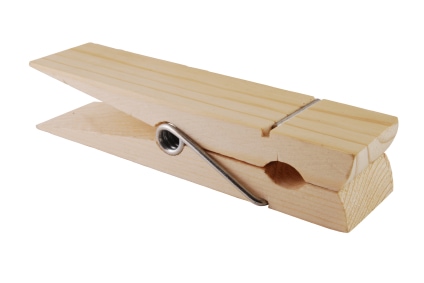
Give the Line a Wipe. Before hanging laundry on a line, wipe it with a towel. This keeps it, and your clothes, clean.
Take Your Pins Inside. Pins left on the line can weather, turn dark, and leave spots on your clothes. A small pin bag or bucket by the back door keeps them dry between loads.
Shake Each Item Before Hanging
This is the single habit that does the most good. Shaking throws out the wrinkles, un-bunches hems, plackets, and sleeves, and softens the garment. After shaking, finger press hems or plackets that like to roll. Skip this step and your clothes dry into whatever creased shape they left the basket in.
Hang Properly, Garment by Garment
Do not just hang things willy-nilly like my husband. Clothes and towels hung properly dry faster and with fewer wrinkles. Here is how to handle each kind.
- T-shirts: Hang shirts by the hem. That way, any marks left by the pins get tucked into your pants. Also, the upside-down sleeves will dry faster.
- Knit Shirts: Hang a knit shirt loosely without stretching out the hem and use four to five pins to support the weight.
- Button-Down Shirts: Hang as though it were buttoned, with front and back together. Use one pin at each side seam and one in the middle to hold the front pieces together. Do not actually button it closed, as that will increase drying time.
- Bottoms: Hang jeans by the waistband. Match the side seams of both legs of dress pants at the hem so the front and back creases form the fold. Hang from the hem but pin only the inside of the legs. The airflow into the leg will speed drying. Other bottoms to hang by the waistband include shorts, boxers and underwear, and skirts.
- Socks: Matching socks before hanging saves time when taking them down and folding. Hang them by the toe in pairs.
- Towels: Shake towels hard, too. I also like to sort them as I hang them. Then, I fold them when I take them down and they are already sorted to put away.
- Dresses: Hang dresses on a hanger to dry. If it is windy, make sure they are secure, or hang inside.
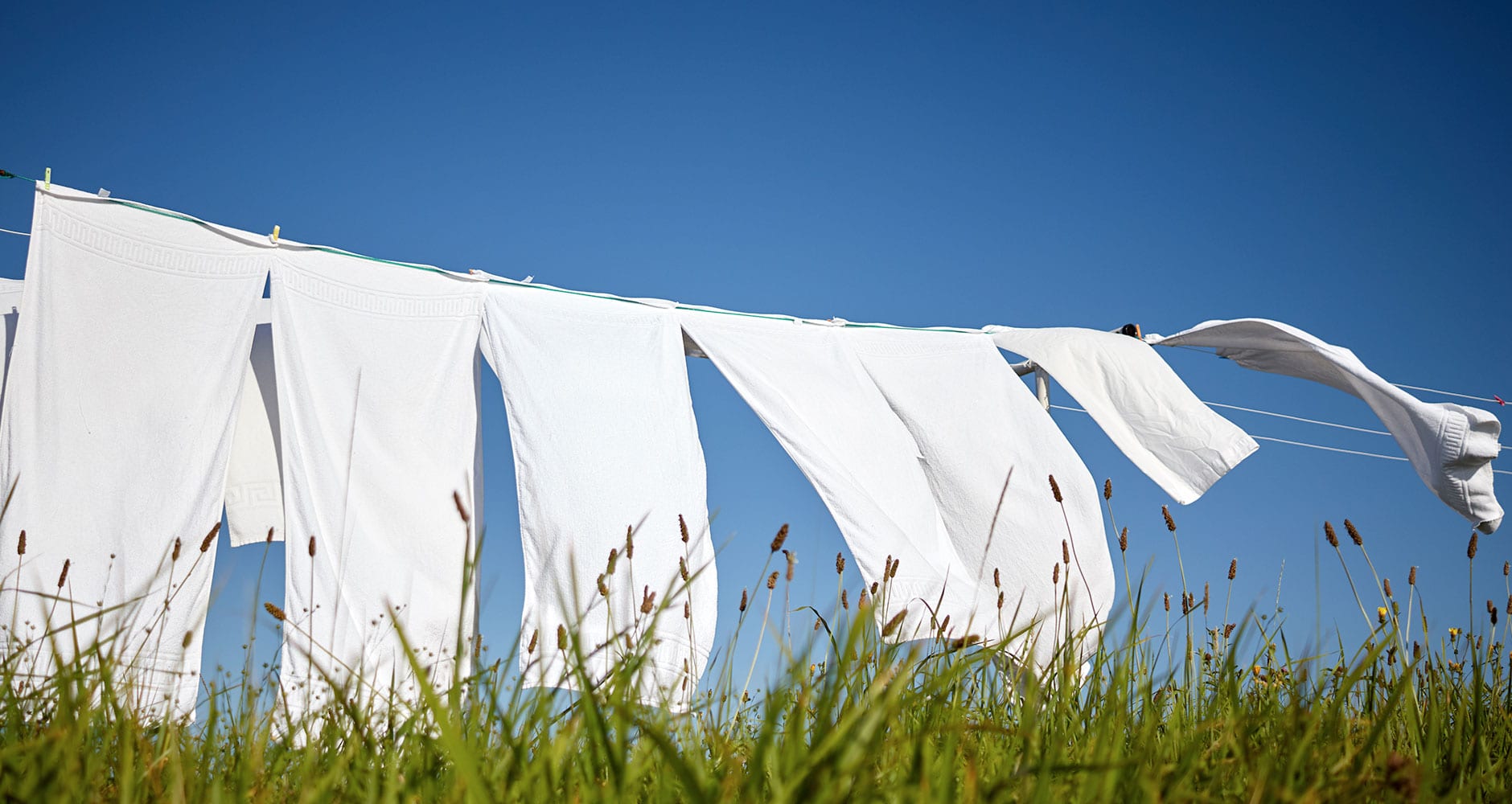

Keeping Line-Dried Clothes Soft
The most common complaint about line-drying is stiffness, especially with towels and jeans. That crunch comes from minerals in hard water and from soap residue drying in place, not from the line itself. A few habits keep things soft. Add about half a cup of plain white vinegar to the rinse cycle. The vinegar cuts soap residue and acts as a natural fabric softener, and it rinses out clean with no smell. Vinegar earns its keep around the house in dozens of ways, as our guide to the powers of vinegar lays out.
A stiff breeze helps, too, since moving air keeps the fibers from setting hard. If a towel still comes in board-stiff on a dead-calm day, give it a hard shake and a quick five-minute tumble in the dryer to fluff it back up. That still uses far less energy than drying the whole load.
Watch the Weather: Humidity and Frost
Do not forget to check your local weather forecast. If you have got high humidity, your clothes will need more dry time, because the air is already too damp to pull much moisture out of the fabric. A bright, breezy, low-humidity day is the gold standard for the line.
Cold weather is no reason to give up the line. On a sunny winter day below freezing, laundry will freeze-dry. The water in the fabric turns to ice and then sublimates straight into the air, leaving the clothes stiff as boards at first and bone dry once they thaw indoors. Generations of Northern households dried sheets this way all winter. Just bring frozen items in carefully so you do not crack a frozen sleeve. To line up the good-weather days ahead of time, many readers plan laundry around the Best Days calendar, and the full Best Days calendar for 2026 flags the favorable days to wash and dry, month by month.
Line-Drying by US Region
The clothesline calendar shifts with the climate. Here is a rough guide to the best drying conditions across the country.
More Line-Drying Tips
- Unless it is a sheet or tablecloth, do not fold the item over the line. Hold the edge of the item along the line and pin in place. If you fold it, it will leave a fold mark.
- Do not overload your washing machine. This will help when it is line-drying time. Pack the machine loosely and use plenty of water. The clothes need room to agitate freely. Rinse in cold water to minimize wrinkles.
- Do not mix. Sort clothes by weight, as well as color. Mixing heavy work pants with dress clothes causes lighter weight garments to wrinkle.
- Shake garments and fold as they come off the line to reduce wrinkles.
- Be sure your line is high enough so that your clothes are not brushing the ground.
Finally, after your clothes are dry and you fold them, press them up to your nose and take a big whiff. Remember that smell fondly. The memory will encourage you to use the line occasionally even after the dryer is fixed.

Line-Drying Clothes: Frequently Asked Questions
What is the right way to hang clothes on a line?
Shake each item first to throw out wrinkles, then hang it by the right end. Hang T-shirts by the hem so pin marks tuck away, jeans by the waistband, and socks by the toe in pairs. Use large wooden pins, wipe the line first, and do not fold items over the line or they will leave a crease.
Does line-drying really save energy?
Yes. A clothes dryer is one of the most energy-hungry appliances in the home, and the sun and a breeze dry laundry for free. The U.S. Department of Energy notes that drying makes up a real share of household laundry energy use, so every load you hang outside is a load the dryer does not have to run.
How do I keep line-dried clothes from getting stiff?
Stiffness comes from hard-water minerals and soap residue, not the line itself. Add about half a cup of white vinegar to the rinse to cut residue and soften the fibers, do not overload the washer, and hang on a breezy day. A quick five-minute tumble in the dryer will fluff a stubborn towel back up.
Can you line-dry clothes in winter or freezing weather?
You can. On a sunny day below freezing, laundry freeze-dries: the water turns to ice and then sublimates into the dry winter air. Clothes come in stiff at first and finish drying once they thaw indoors. Bring frozen items in gently so you do not crack a stiff sleeve.
Does the sun bleach or whiten clothes on the line?
Sunlight naturally whitens and brightens white cottons and helps lift stains, which is why whites belong in full sun. The same sun can fade dark colors over time, so hang reds, navies, and blacks in the shade or turn them inside out to protect the color.
What kind of clothesline and pins should I use?
Use vinyl-coated cord made for clotheslines rather than plain rope, which dry rots, holds water, and sheds itchy fibers. Pair it with large wooden pins, since small plastic ones will not hold heavy items and break in the wind. Wipe the line before each use and bring the pins inside so they do not spot your clothes.


Carol J. Alexander
Carol J. Alexander is a Virginia writer specializing in sustainable/green living, home remodeling, and lifestyle topics. She has written for over 100 national, regional, and local print publications, as well as online. She is the author of Homestead Cooking with Carol: Bountiful Make-Ahead Meals, available on Amazon Kindle and in paperback.
- Carol J. Alexander

- Carol J. Alexander
- Carol J. Alexander




When I lived in Florida I tried hanging my clothes out but omg the smell when dry wasn’t what I grew up with…clothesline was near a small channel of water and may have been the culprit??? Needles to say I had to rewash…ug
i would have appreciated pictures of each garment as I did not understand all the explanations. I disagree with some of the tips! Living in wet West Wales maximizing the drying function is vital, so I always hang garments by their heavier, bulkier sections so that the water drips down into the lighter bits and gets to dry in the wind. If you hang tee shirts by the bottom hem, then the water drips down through, accumulating in those harder to dry neck and sleeves. Likewise shirts get hung by the collar for the same reason. However I have not done scientific experiments to prove one way is better than the other! When it is really windy folding a cotton sheet over the line may be the only way of securing it, and even then…. and such items dry really easily anyway. My mother also taught me how to hang washing out, and I do notice myself tut tutting when others do it differently. AND I NEVER USE A DRIER. Oh that lovely outdoor dried smell. Use a fragrance free washing product to appreciate the smell of the wind in your clothes,
Hi Sally, we’ll try to find images. Which technique weren’t you clear on?
She said “UNLESS it’s a sheet or a table cloth, don’t fold it over the line.”
Nothing smells better than getting into a bed with line dried sheets.
Hang pants by the hem so the waistband will dry.
I have been line drying since I was tall enough to reach the line. Really not a good idea to pin the way you suggest without folding over the line. It does not take much wind to put your laundry on the ground with the other method. Besides this gives you a new story to do on ironing.
Hi Cin, You can fold some of the clothing over the top to secure the pin, we’re just suggesting not folding the garment in half over the line.