

Seed Starting Basics: How to Start Seeds Indoors
Now is the perfect time to plan your spring garden! Our expert weighs in on how to get started.
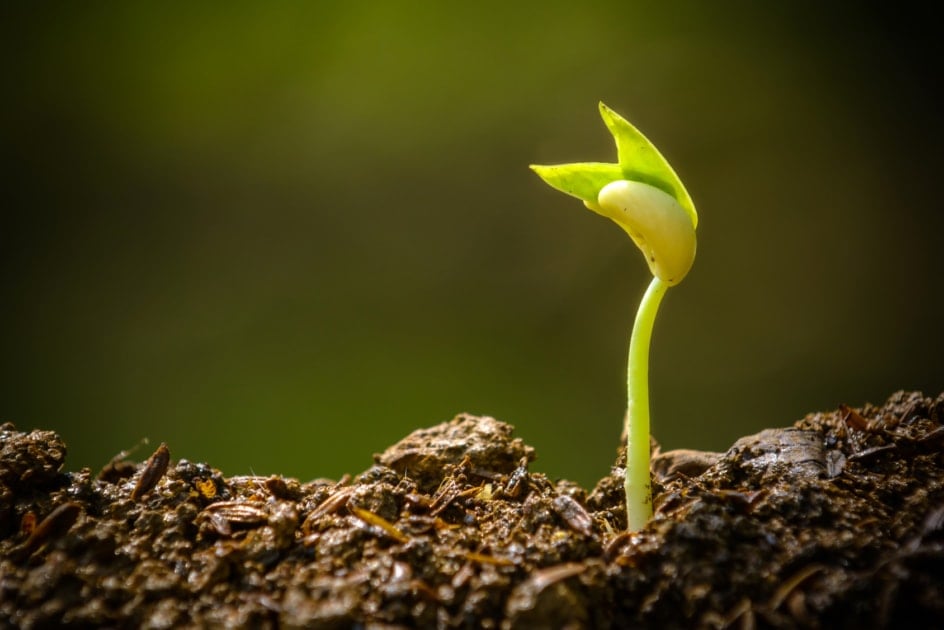
Quick Reference: Seed Starting Basics
- When to start: count back about 5 to 6 weeks from your last spring frost for the slow growers.
- Where: an undisturbed spot with a south-facing window, or a shelf under lights.
- Light: keep fixtures about 2 inches above the flats, and turn window flats 180 degrees once a week.
- Mix: a light, sterile, peat-based mix with no fertilizer until 3 to 4 leaves appear.
- Start first: tomatoes, peppers, eggplant, onions, and lavender, since they are slow to germinate.
- Water: from the bottom, keeping the mix damp but never wet.
Late winter is seed starting season, and the last Saturday in January even carries the name National Seed Swap Day. With warmer, longer days on the way, many gardeners set their sights on spring and start planning the 2026 garden. You do not need a greenhouse or a fancy setup to get a jump on the season. A sunny window, a few flats, and a little patience will do it. Here is how to start your seeds now rather than later, step by step.
Find the Right Spot
First, you will need a dedicated space to start seeds for a few weeks. Scope out an undisturbed place in your home with a southern-facing window. This space stays in use right up until it is time to transplant, so pick a corner that is out of the way of daily activities. A spare room, a wide windowsill, or a shelf in a warm back room all work well.
Light Your Seedlings
Light is where most first-time seed starters run into trouble. If you start your seeds in front of a window, turn the flats 180 degrees once a week. This keeps the seedlings from leaning toward the available sunlight. Turning them actually makes them stronger, because they have to re-adjust each time.
If you are using light fixtures instead, keep the light about 2 inches above the seed flats, and raise it as the seedlings grow. Racks are handy if you have them, and you can build a PVC tabletop hanger with lighting for about $20. Grow lights work well, but a 2-gang fixture with two different bulbs is cheaper. Use one cool white and one daylight bulb together, which covers the full spectrum from germination to leafed out. CFL bulbs work just the same as fluorescent tubes if you are short on space.
Choosing a Seed Starting Mix
The question we hear most is what kind of soil to start seeds in. Most seed starting mixes are 100% peat, and one old trick is that collected dryer lint works just the same as a medium. Whatever you use, water from the bottom so you do not flush out the tiny seedlings. If you have no bottom tray, a spray bottle will do the same gentle job.
Just remember, no NPK, which stands for nitrogen, phosphorus, and potassium, in the starting mix. The first two leaves that appear are collecting sunlight for the roots, pushing energy down. Seedlings do not want food until 3 to 4 leaves appear, and then they are hungry from the bottom. For growing organically, we recommend a composted “manure tea,” or a balanced 10-10-10 if you would rather buy a boxed brand. The University of Maryland Extension keeps a plain-English guide to starting seeds indoors if you want to double-check a mix or a timing question for your own ground.
What to Start First
Start early on these items, because their seeds take longer to germinate:
- Tomatoes
- Peppers
- Eggplant
- Onions
- Lavender
Everything else can be sown directly into the garden plot or into containers later on. Most seed packets list a “germination time.” If it reads 2 weeks, add 3 weeks to that, then count back from your zone’s last frost date. See our Average Frost Dates guide to find yours. That math gives you the right window to start the slow growers above without having to re-pot before they go outside. For example, if your last average frost falls on April 6th, subtract 5 to 6 weeks and aim to be set up by the first of March.
Frost dates run weeks apart across the country, so the calendar date shifts with your region even though the count-back rule does not. Knowing your plant hardiness zone helps you pin the last frost date before you count back.
| Region | Average last frost | Start most seed indoors |
|---|---|---|
| Deep South and Gulf Coast | Late February into March | Early January |
| Mid-South and Southern Plains | Mid to late March | Late January into February |
| Mid-Atlantic and Ohio Valley | Mid to late April | Late February into March |
| Midwest and Great Lakes | Early to mid May | Mid to late March |
| Northeast and New England | Mid to late May | Late March into April |
| Mountain West and Pacific Northwest | Mid May into early June | Late March into April |
Watering, Ventilation, and Airflow
Ventilation matters more than most folks expect when starting seeds. For gentle airflow, a pencil slipped under one corner of the flat is enough to let air circulate. Out in the open, a small fan on low for about an hour each day works too. Just make sure no heating vent blows directly on the flats, or they will dry out too fast.
Watering is perhaps the most challenging part of growing plants from seed. Seedlings are so delicate that you can kill them by under-watering or over-watering, and there is very little room for error. Keep your seed starting medium damp but not wet, and check on it daily. Bottom-watering, again, is the safest way to keep that balance.
Keeping Pests and Damping Off Away
To avoid fungus gnats, mix a simple solution of one teaspoon of Dawn dish soap in a spray bottle of water for a perfect insecticidal soap. The Dawn also helps the perk of your soil by breaking the cohesion, so water moves through more evenly.
The other trouble to watch for is “damping off,” a fungal problem that topples healthy-looking seedlings at the soil line overnight. It thrives in soggy, stagnant conditions, which is exactly why the earlier advice on airflow, a sterile mix, and damp-not-wet watering all pull in the same direction. Use clean flats, do not crowd your seedlings, and let the surface dry slightly between waterings.
A Simple Seed Starting Checklist
Once your flats are going, keep a short daily routine. Be sure to:
- Water properly. This is the delicate part, since you can kill seedlings by under or over watering. Keep the medium damp, but not wet.
- Check on your plants at least once a day.
- Label your seedlings so you know what is what.
- Check seed packets for planting and germination information. Some seeds need to be planted deep in total darkness, and others need light, so follow the directions for each item you are planting.
Hardening Off and Transplanting
Seedlings raised indoors have never felt real wind or full sun, so do not rush them straight into the garden. About a week to 10 days before transplanting, begin “hardening off.” Set the flats outside in a sheltered, shady spot for an hour or two the first day, then add time and sun a little each day. This slow introduction toughens the stems and leaves so the move outdoors does not shock them.
Transplant on a calm, overcast day or in the evening rather than under a hot noon sun. Water the seedlings well before and after the move, and settle each one into ground that has warmed past its last frost. If you are tight on space, a raised bed or a few containers will hold your transplants just fine.
So, start swapping and buying your seeds now. For more on the indoor stretch, see our companion guides to starting seeds indoors and seed starting 101, and of course consult the Farmers’ Almanac Gardening Calendar for the best days to do your planting.

Seed Starting Basics: Frequently Asked Questions
When should I start seeds indoors?
Count back from your last spring frost. For slow growers, that is about 5 to 6 weeks before the frost date. A quick rule using the seed packet: take the listed germination time, add 3 weeks, then count that total back from your last frost. If your last frost is April 6th, that puts you starting around the first of March.
Which seeds should I start indoors first?
Start tomatoes, peppers, eggplant, onions, and lavender first, since these take longer to germinate. Almost everything else can be sown directly into the garden or into containers once the soil warms, so there is no need to start those indoors.
What kind of soil do I use to start seeds?
Use a light, sterile seed starting mix. Most are 100% peat. Keep fertilizer out of the mix at first, since the seedling’s first two leaves feed the roots. Once 3 to 4 leaves appear, the plant is hungry, and you can feed from the bottom with a composted manure tea for organic growing or a balanced 10-10-10.
How do I keep seedlings from getting leggy or leaning?
Give them more light. Keep fixtures about 2 inches above the flats and raise them as the seedlings grow. In a window, turn the flats 180 degrees once a week so they do not lean toward the sun. A 2-gang fixture with one cool white and one daylight bulb gives the full spectrum for cheap.
How do I get rid of fungus gnats on seedlings?
Mix one teaspoon of Dawn dish soap into a spray bottle of water and use it as an insecticidal soap. It handles the gnats and helps water move through the mix more evenly. Letting the surface dry slightly between waterings also makes the mix far less inviting to them.
How often should I water seed starts?
Check them at least once a day and keep the mix damp but never wet. Water from the bottom tray so you do not flush out the tiny seedlings, or use a spray bottle if you have no tray. Over-watering and under-watering are the two easiest ways to lose a flat, so aim for steady and gentle.


Kevin Cutlip
Kevin Cutlip has been a Personal Garden Coach for over 25 years. He owns KevinsGarden.com, and is known nationwide through his gardening advice in his monthly newsletter, TV appearances and speaking engagements throughout the southeast.
- Kevin Cutlip



My seedlings always come up spindley how can I fix this ?
Thank you this was very helpful information.
Glad you found the information useful! Thanks for commenting, Suzanne!
Thanks for the information
Willard Necaise,
Sounds free to me, right? Do you put a jug of water inside just in case it goes to freezing? I put them in my cold frames to keep some thermal energy inside, it works.. I’m getting big snow coming today thru the week. My racks are being put in as we speak. I see sprouts coming soon!! Just got out my saved seeds, setting a few samples out on damp paper towel for germination check. Gotta love February.
kevin I enjoyed your article and I start my seeds in cups that I make out of newspaper .I put them in an old Icechest on the south side of my car shed I cover the chest with a piece of glass supported by two small strips of wood for air .I start them the last week of February. they do just fine. I live in south MS. Thanks..
Years ago I “might” have considered dryer lint. However, knowing that our clothes are made of all sorts of man made fibres, polyesters etc. and the fact that there are fire retardant chemicals on our clothing I think dryer lint is not a good idea. I also think that dryer sheets with all the fragrance chemicals which have estrogenic effects on everyone should also not be used. I did like the idea of using newspaper. Or, the reusable plastic trays that have individual spots for each seed to start. We are trying to grow our own plants for our health. Seeds should be from non-GMO (you can see lots of sources if you google them) sources. Heirloom (which you can google to see how to save seeds) are awesome for flavour. I hope my perspective has been helpful
Dauria Rosk,
I have done this myself, but no babies around anymore!! I have also put them in very large, full sun pots to help keep moisture at the bottom and to keep the pot from leaking when watering.
Vanessa,
Dryer lint is for the most part, sterile. I use dryer sheets sometimes, and have not had any problems. I don’t include them in my “mix”, I weed them out. I have used a few before to test the viability of seeds instead of a paper towel.
if you use conventional dryer sheets, would that adversely affects plants started using the lint?