When to Start Potty Training: Age Readiness Signs, Methods, and Real Parent Tips
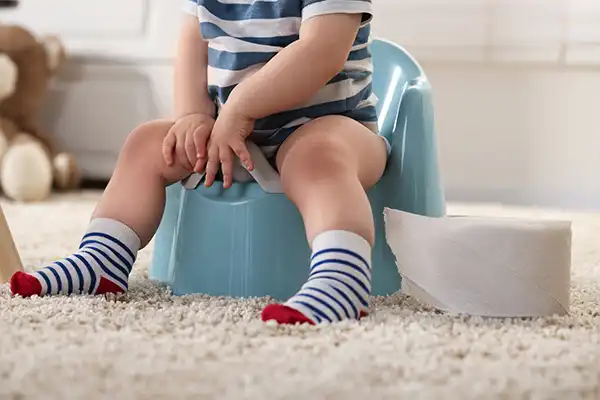
Quick Reference: When to Start Potty Training
- Most common start age: 22 to 30 months (US average per AAP).
- Readiness signs (more important than age): staying dry 2+ hours, asking to be changed, climbing onto toilet, communicating needs.
- Two main methods: 3-day intensive (recommended by Brazelton + others), gradual over weeks (recommended by AAP).
- Nighttime training: follows day training by 6 to 24 months. Most children dry overnight by 5.
- Tool: the Almanac’s Best Days calendar some families use for major milestones.
On this page
Almost every potty-training frustration comes from starting too early. The American Academy of Pediatrics and Cleveland Clinic both recommend waiting for readiness signs rather than going by calendar age, because forcing the process before the child is developmentally ready triples the timeline and increases setbacks. This guide is what the AAP-backed signs actually are, the two main training methods (3-day vs gradual), and how to handle the hard edge cases (a new sibling, a move, regression, nighttime).
The Readiness Signs (More Important Than Calendar Age)
Per the AAP toilet-training guide, six signs collectively indicate physical and emotional readiness. Look for most of them before starting.
- Physical: staying dry for 2+ hours at a stretch, predictable bowel movements, ability to pull pants up and down.
- Cognitive: following 2-step directions, understanding words like wet, dry, potty, clean.
- Communicative: tells you (verbally or by gesture) when about to wet or has wet, asks to be changed.
- Emotional: shows interest in the bathroom or in older sibling’s potty use, wants to please.
- Motor: walks steadily, can sit on a small chair for 5+ minutes.
3-Day Method vs Gradual Method
Two evidence-backed approaches. Most families end up blending them.
- 3-day method. Clear weekend. No diapers. Stay home. Frequent prompted sits on the potty. Most children grasp the basic mechanic in 2 to 3 days. AAP notes higher rate of regression but faster initial success.
- Gradual method. Introduce potty over weeks. Practice sits with clothes on, then off, then offer at predictable times (after meals, before nap). AAP-recommended; slower but more durable.
- Common blend. Gradual introduction for 4 to 8 weeks until the child is comfortable with the potty, then intensive weekend.
- What does NOT work: rewarding with sugar, punishing accidents, comparing to siblings, restarting too early after a setback.
Full Potty Training Method, Routines, and Handling Challenges (Detail)
Below are the original detail sections on the full method, daily routines, bathroom setup, handling challenges, moves, new siblings, and quality time.
1. When to Start Potty Training
- Watch for Signs of Readiness: Look for signs like staying dry for longer periods, showing interest in the toilet, or communicating discomfort with wet or dirty diapers. These are clear indications for when to start potty training.
- Choose the Right Time: Many children have a strong urge to use the bathroom upon waking up. Mornings are can be a prime opportunity to encourage them to use the potty. Starting the day with a successful bathroom trip can set a positive tone for the rest of the day.
- Use the Best Days Calendar, which tells you when to start potty training for the best results. One reader from Tennessee says, “I was at my wit’s end trying to potty train my 3 year-old and this book has been my saving grace. My mother-in-law said, ‘Why don’t you look at the Farmers’ Almanac Best Days?’ My life has been forever changed.” Watch Haley’s video.
- Avoid Starting During Stressful Periods like Moving or a New Sibling. Opt for a time when your child is relatively calm and routine-oriented. (However, If you must potty train during challenging times, here are important suggestions.)
2. The Power of Routine
- Consistent Schedule: Establish a regular bathroom routine, such as before meals, after naps, and before bedtime. (See examples of routines below.)
- Practice Makes Perfect: Encourage your child to practice sitting on the potty, even if they don’t need to go.
3. Trust Your Child’s Readiness
- Avoid Pressure: Don’t force your child to use the potty if they’re not ready. Remember, every child is different, and what works for one may not work for another. Be patient, flexible, and positive throughout the process.
- Listen to Their Cues: Pay attention to your child’s signals and respond promptly.
4. Positive Reinforcement and Rewards
- Celebrate Successes: Offer specific praise and rewards for using the potty correctly. Small rewards, like stickers, treats, or extra playtime, can be highly motivating.
- Avoid Punishment for Accidents: Accidents are a normal part of the learning process. Instead of punishment, focus on positive reinforcement and gentle reminders.
5. Make it Fun
- Involve Your Child: Let your child choose their own potty chair or training underwear with their favorite characters.
- Read Potty Training Books: Use books and songs to make the process enjoyable and educational.
- Turn it into a Game: Make potty time a fun activity, like a race to the potty or a treasure hunt for rewards.
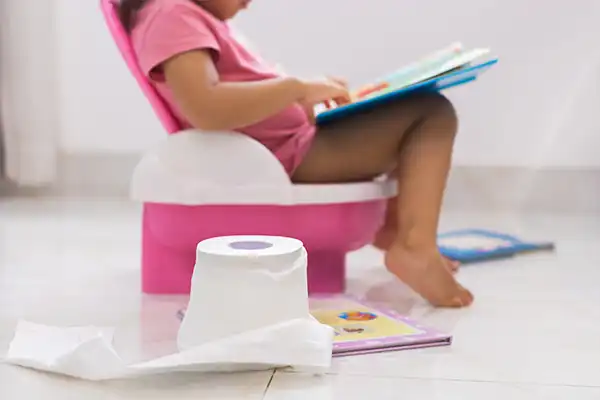
6. Create a Positive Bathroom Environment
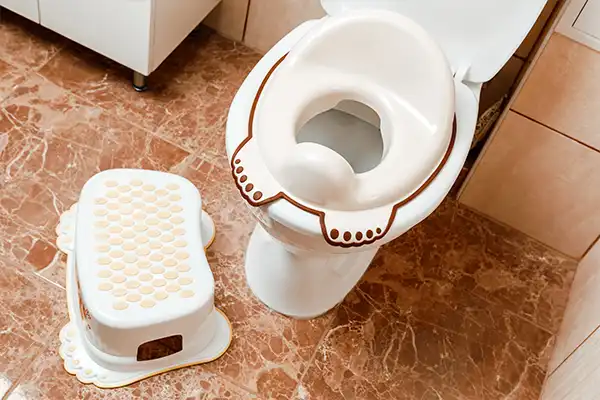
- Child-Sized Toilet Seat: Make sure your child can reach the toilet seat and floor comfortably.
- Bright and Colorful Bathroom: A colorful and inviting bathroom can make the experience more appealing.
- Step-by-Step Visual Aids: Use pictures or a checklist to guide your child through the potty training process.
7. The Underwear Switch
- Gradual Transition: Start by letting your child wear training pants during the day and regular diapers at night.
- Positive Reinforcement: Praise your child for staying dry in underwear and offer support during accidents.
Any questions? Contact [email protected]
Daily Routines
- Consistent Wake-Up Time: A regular wake-up time can help establish a consistent bathroom routine.
- Scheduled Meal and Snack Times: These can be opportunities to encourage bathroom breaks before and after eating.
- Nap and Bedtime Routines: These are prime times for bathroom visits.
Bathroom Routines
- Before and After Activities: Encourage bathroom breaks before and after activities like playing, eating, or napping.
- Regular Check-Ins: Periodically check in with your child to see if they need to use the bathroom, especially if they seem restless or distracted.
Tips for Establishing Routines
- Visual Aids: Use visual aids like a picture schedule or a simple checklist to help your child understand the routine.
- Positive Reinforcement: Reward your child for following the routine, even small steps like sitting on the potty.
- Be Patient and Consistent: Stick to the routine as much as possible, but be flexible if necessary.
By establishing a consistent routine, you can help your child develop a sense of predictability and make the potty training process smoother.
Bright and Cheerful Colors
- Sunny Yellow: A cheerful and optimistic color that can create a positive and uplifting atmosphere.
- Sky Blue: A calming and serene color that can help reduce anxiety and stress.
- Vibrant Green: A refreshing and energizing color that can stimulate creativity and focus.
- Sunny Orange: A playful and energetic color that can spark joy and excitement.
Additional Tips
- Colorful Accessories: Add colorful towels, rugs, and curtains to create a vibrant and inviting space.
- Fun Wall Art: Decorate the walls with colorful artwork or decals that feature your child’s favorite characters.
- Bright Lighting: Ensure the bathroom is well-lit to make it easier for your child to see and feel comfortable.
Remember, the key to successful potty training is creating a positive and encouraging environment. By choosing bright and cheerful colors, you can make the bathroom a fun and inviting place for your child.
Minimizing Stress
- Prioritize Comfort: Ensure your child feels secure and loved. This can help reduce stress and make the transition smoother.
- Maintain Routine: Stick to a consistent routine as much as possible, especially meal and sleep times.
- Create a Familiar Bathroom Space: In your new home, set up a bathroom that feels familiar. Use familiar items like their potty chair or favorite books.
Effective Potty Training Strategies
- Positive Reinforcement: Reward successes, no matter how small. This can help motivate your child, especially during stressful times.
- Patience and Understanding: Be patient and understanding. Accidents are normal, especially during periods of change.
- Limit Distractions: During potty training sessions, minimize distractions to help your child focus.
- Involve Your Child in the Process: Let them choose their own underwear or potty chair. This can make them feel more involved and excited.
Moving
- Pack Potty Essentials: Pack your child’s potty chair, favorite books, and any other comfort items.
- Familiarize with the New Bathroom: Take your child to the new bathroom before the move to help them feel comfortable.
- Maintain a Consistent Routine: Stick to the same bathroom routine, even in a new environment.
New Sibling
- Prepare Your Child: Talk to your child about the new baby and how their life will change. Use age-appropriate language and be honest.
- One-on-One Time: Dedicate special one-on-one time with your older child to help them feel loved and secure.
- Involve Your Child: Let your child help with baby care tasks, such as choosing a name or picking out a toy.
Remember, every child is different, and what works for one may not work for another. Be patient, flexible, and positive, and you’ll get through this challenging time together.
Quality Time Activities
- Shared Hobbies: Engage in activities they love, like reading, playing games, or doing crafts.
- Outdoor Adventures: Go for walks, bike rides, or picnics.
- Cooking or Baking: Let them help in the kitchen and enjoy a delicious treat together.
- Movie Nights: Snuggle up on the couch and watch a favorite movie.
- Storytelling: Read books together or create your own stories.
Special Outings
- Visit a Museum or Zoo: Explore new places and learn something new.
- Go to a Park or Playground: Enjoy some fresh air and physical activity.
- Have a Picnic: Pack a lunch and find a scenic spot to relax.
Everyday Moments
- Bath Time: Make bath time extra special with bubbles, toys, or songs.
- Bedtime Routine: Read stories, sing songs, or simply chat before bed.
- Morning Routine: Spend a few quiet moments together before the day starts.
Remember, quality time is more important than quantity. Even a short amount of focused attention can make a big difference.
By dedicating time to your older child, you’re showing them that they’re important and loved. This can help them feel more secure and adjust to the changes in their family.

Potty Training FAQ
When is the best age to start potty training?
AAP recommends starting when readiness signs are present, typically between 18 and 36 months. The average US child fully day-trains around age 3. Starting too early triples the time to completion; starting later is generally fine. Pushed potty training before 24 months is associated with higher setback rates.
What are the signs my child is ready to potty train?
Six AAP-listed signs: staying dry for 2+ hours, predictable bowel movements, walking steadily, following 2-step directions, tells you when wet or about to be, and shows interest in the bathroom. Three or more strong signs is enough to start.
How long does potty training usually take?
Day training: 3 to 8 weeks for most children once started in earnest. The 3-day method works for the basic mechanic but most children still have 2 to 6 months of occasional accidents. Nighttime training follows by 6 to 24 months.
Should I use pull-ups or underwear?
Most pediatricians recommend underwear from day 1 of intensive training for the most rapid completion (the child feels wet immediately). Pull-ups are useful for outings and naps in the transition phase but slow down day training if used full-time.
What do I do when my child has accidents?
Stay calm. Clean it up matter-of-factly. Avoid praising heavily AND avoid scolding (both make accidents emotional events the child will repeat). Remind them where the potty is. Per Cleveland Clinic, the most important factor in recovery from setbacks is parental calm.
How do I handle potty training during a move or new sibling?
AAP recommends pausing intensive training during major life transitions. If your child is already day-trained, expect 2 to 6 weeks of regression and respond with patience, not pressure. Restart in earnest after the family has settled.


This article was published by the Staff at FarmersAlmanac.com. Any questions? Contact us at [email protected].
- Farmers' Almanac Staff

- Farmers' Almanac Staff

- Farmers' Almanac Staff

- Farmers' Almanac Staff