

How World War I Changed America: 10 Lasting Ways
The Great War transformed life in America forever. Here is a list of ten of the more enduring and interesting changes.
Quick Reference: How World War I Changed America
- The dates: the war began in the summer of 1914, America entered on April 6, 1917, and the fighting ended in the fall of 1918.
- Work and the vote: nearly a million women filled jobs held by men, and the 19th Amendment passed in 1920.
- Home front: over 20 million victory gardens were planted, cutting U.S. food consumption by 15%.
- The long shift: the Great Migration north, a bigger federal government, and the Roaring ’20s all trace back to these years.
The Great War began in the summer of 1914, more than 100 years ago, and for many Americans it still sits in the shadow of the Civil War before it and World War II after. The United States held back from the fighting in Europe for three years before joining the first transatlantic war on April 6, 1917. The fighting ended the next year, in the fall of 1918. In that short stretch, the country changed in ways that outlasted the war itself.
10 Ways World War I Changed America
Here are ten of the more enduring and interesting changes the war left behind, from the factory floor to the ballot box to the backyard garden.
- Women went to work. Most had never held a job outside the home, but factories and businesses suddenly needed them. Nearly a million women filled jobs that had belonged to men.
- The vote followed the work. Before the war, the women’s campaign for the right to vote had fallen on deaf ears. Afterward, even President Wilson urged Congress to pass the 19th Amendment, which succeeded in 1920.
- Victory gardens took root. Future President Herbert Hoover was appointed director of the newly created U.S. Food Administration. Hoover encouraged citizens to plant “victory gardens,” or personal gardens. This is the genesis of the urban gardens we know today. Over 20 million gardens were planted, and U.S. food consumption decreased by 15%, conserving food for the troops.
- The Great Migration began. One of the largest shifts in population in the 20th century was the movement African Americans made from the South to be employed in northern factories. Ford Motor Co. was a leader in the employment of minorities.
- The federal government grew. The power of the federal government, and that of the President in particular, greatly expanded during the war, which has carried on to this day.
- Medicine advanced. The medical field greatly advanced, especially in the treatment of mental disorders, limb replacement, and plastic surgery. Many people trace the beginning of medical specialists to this period.
- Volunteering surged. The Red Cross, Boy Scouts, and Girl Scouts enjoyed a growth in membership and interest in their collective efforts and groups.
- The Roaring ’20s arrived. The horrors of war ushered in an anything-goes attitude and a quest for fun, fashion, and frolicking. “How ya gonna keep ’em down on the farm after they’ve seen Paree” was a whimsical chorus that helped explain the population shift from the farm to cities.
- Americans became travelers. For the first time, middle-class Americans traveled overseas to visit countries and cities they came to know in the war. European tourism increased as Americans wanted to visit battlefields and grave sites.
- The United States led the world. Despite isolationist sentiments, after the war the country became a world leader in industry, economics, and trade. The world became more connected, which ushered in the beginning of what we call the world economy.

A Quick Timeline of America in the Great War
The American chapter of World War I was short but crowded. The country watched from the sidelines for three years, then entered the fight and helped end it inside of nineteen months. Here is the shape of those years at a glance.
If you want the fuller picture behind these dates, the Library of Congress keeps a plain-English timeline of the Progressive Era into the New Era, the stretch of American history that World War I sits inside.
Women Went to Work, Then Won the Vote
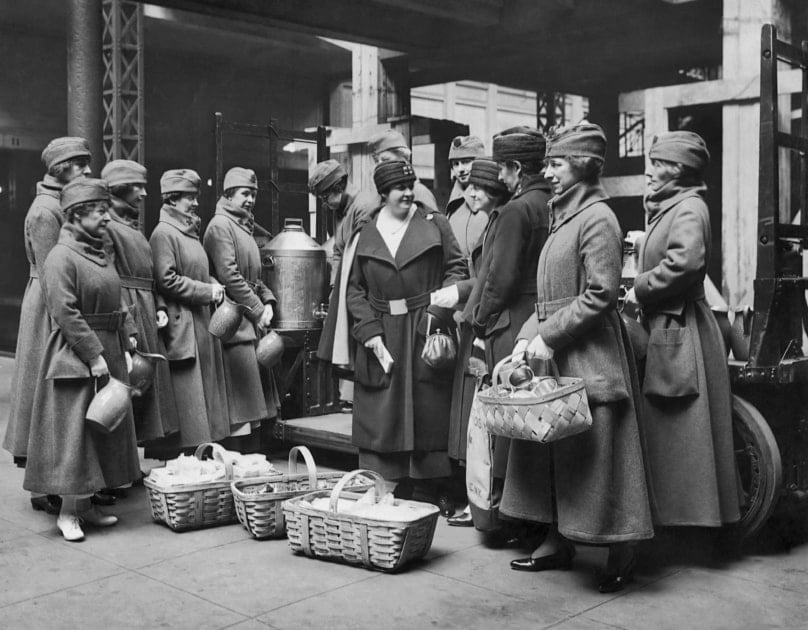
With so many men in uniform, the factories, offices, streetcars, and switchboards still had to run, and women answered the call. Nearly a million women stepped into jobs that had belonged to men, from munitions plants to clerical desks. For many it was the first paycheck of their own, and the country noticed.
That new visibility changed the politics of the vote. A cause that had gone nowhere for decades suddenly had the momentum of a nation that had watched women hold the home front together. President Wilson urged Congress to act, and the 19th Amendment was ratified in 1920. The National Archives holds the ratified 19th Amendment among its milestone documents. These wartime workers joined a long line of American originals, a story we tell in our look at great female inventors and pioneers.
The Great Migration Reshaped Northern Cities
The war also set one of the largest population shifts of the 20th century in motion. As northern factories ran short of workers, African Americans left the South by the hundreds of thousands to take those jobs, a movement later known as the Great Migration. Ford Motor Co. was a leader in the employment of minorities, and cities like Detroit, Chicago, and New York grew and changed as new arrivals put down roots. The neighborhoods, churches, music, and politics of the North would carry that mark for the rest of the century.
Victory Gardens and Uncle Sam on the Home Front
You did not have to carry a rifle to serve. Future President Herbert Hoover ran the newly created U.S. Food Administration, and he asked ordinary families to plant “victory gardens” and to trim what they ate so more could be shipped to the troops. Americans took it to heart. Over 20 million gardens were planted, and U.S. food consumption dropped by 15%. That backyard push is the genesis of the urban gardens many of us still tend, and if you would like to start one, our guide to bringing back victory gardens shows you how.
The home front ran on posters as much as on gardens. Recruiting and conservation appeals went up on walls and windows across the country, and the pointing figure of Uncle Sam, an American icon on par with the bald eagle, became the face of the war effort. That character has a backstory of its own, told in our piece on how America got an Uncle Sam.
World War I proved that it was not the “war to end all wars,” but it did leave a powerful social and economic mark on American life, one you can still see in the workforce, the vote, and the garden bed out back.
How World War I Changed America: Frequently Asked Questions
When did the United States enter World War I?
America stayed out of the fighting for three years before joining the first transatlantic war on April 6, 1917. The war itself had begun in the summer of 1914, and the fighting ended the next year, in the fall of 1918.
How did World War I change life for American women?
Nearly a million women took jobs that had belonged to men, many for the first time in their lives. That work helped shift the politics of suffrage, and even President Wilson urged Congress to pass the 19th Amendment, which was ratified in 1920.
What were victory gardens?
Victory gardens were personal gardens that families planted at Herbert Hoover’s urging as director of the U.S. Food Administration. Over 20 million were planted, and U.S. food consumption dropped by 15%, conserving food for the troops. They are the genesis of the urban gardens we know today.
What was the Great Migration?
The Great Migration was the movement of African Americans from the South to work in northern factories during and after the war, one of the largest population shifts of the 20th century. Ford Motor Co. was a leader in the employment of minorities.
How did World War I lead to the Roaring ’20s?
The horrors of war gave way to an anything-goes decade and a quest for fun, fashion, and frolicking. The whimsical chorus “How ya gonna keep ’em down on the farm after they’ve seen Paree” summed up the shift, as returning soldiers and workers moved from the farm to the city.
Why is World War I called the Great War?
At the time, it was the largest and most destructive war the world had seen, so people called it the Great War before a second one came along. It was once hoped to be the “war to end all wars,” a hope the following decades did not keep.


Bob Farmer
Bob Farmer is a popular speaker, humorist, and motivator. His name and talent make it a natural partnership with North America's most respected publication and brand, Farmers' Almanac. Visit Bob's website at www.bobfarmer.com.
