

20 Surprising Uses For Epsom Salt
This common household item can help with poison ivy, acne, sunburn, and aid in the garden. Check out why you should have some in your home.
Quick Reference: Epsom Salt
- What it is: magnesium sulfate (MgSO4·7H2O), a naturally occurring mineral, not table salt (sodium chloride).
- Named after: Epsom, a town in Surrey, England, where it was first distilled from spring water in the 17th century.
- Standard bath dose: 2 cups in a warm bath, 20 minutes. Foot soak: 1/2 cup in warm water.
- Garden dose: 1 Tbsp per 12 inches of plant height once a month, or 1 Tbsp dissolved in 1 gallon of water every two weeks for tomatoes.
- Best for: sore muscles, sleep, splinters, sunburn, exfoliating scrubs, washer cleaning, magnesium-hungry plants.
- Skip it if: you have heart, kidney, or blood-pressure conditions (talk to a doctor before oral use). Not an all-purpose fertilizer either.
Epsom salt, chemically known as magnesium sulfate, has a variety of surprising uses throughout your home. Grab that carton from under the sink and put it to use in these clever ways. A quick note on safety: the National Institutes of Health publishes a useful entry on magnesium sulfate at MedlinePlus, including the dosages doctors actually use for cramps and constipation. Topical use in a bath is generally low-risk; ingestion needs a physician’s nod.
What Is Epsom Salt?
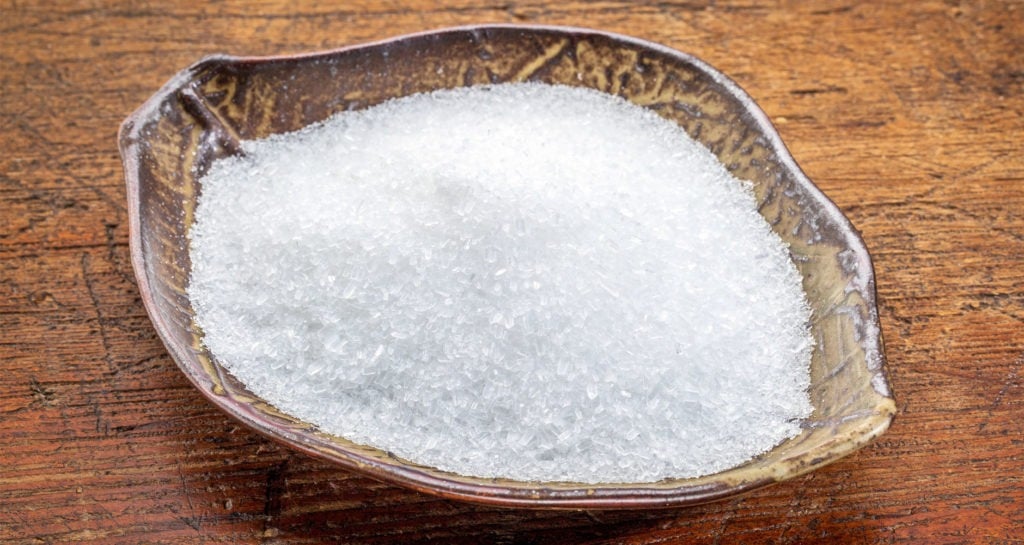
Epsom salt (or “salts”) was first found in the waters of a town named Epsom, in England. As early as the 17th century there are records of people taking advantage of its natural properties. It was once the most popular medicinal remedy in England. Despite the name, it is chemically nothing like table salt. Magnesium sulfate dissolves into magnesium and sulfate ions in water; sodium chloride dissolves into sodium and chloride. The mineral has been mined and synthesized in bulk for the last two centuries.
20 Uses For Epsom Salt
The incredible health benefits and versatility of Epsom salt, not to mention that it is inexpensive, make it a must-have for every home medicine cabinet. Try some of these remedies.
1. Alleviate Body Aches

One of the most common uses for Epsom salt is to treat body aches. The magnesium and other compounds may be absorbed into the skin and work to relieve aches and pains caused by tension and inflammation. Epsom salt draws fluid from swollen tissue to relieve swelling, sprains, and bruises. To use, add 2 cups of Epsom salt to your bath and submerge for at least 20 minutes.
2. Stress Relief and Sleep Aid

When your body is low on magnesium it can lower your serotonin levels, affecting mood, appetite, and sleep. A soak in a bath of Epsom salts may aid the body in serotonin production. Magnesium not only helps reduce stress and improve mood, it also helps you sleep. Some clinicians suggest Epsom salt soaks for people managing Lyme disease symptoms; talk to your doctor first. Keep the water from getting too hot (about 98°F is the comfort zone).
3. Healthy Feet

Epsom salt can help relax tired feet and is also a common home soak for athlete’s foot and toenail fungus. Add 1/2 cup to warm water and soak the feet for 15 to 20 minutes.
4. Constipation Relief
For mild cases of constipation, Epsom salt can be used internally as a gentle laxative. Dissolve 1 teaspoon plain (no fragrances) in 8 oz. of water and drink. It is always wise to consult a physician before taking anything internally, especially if you have heart, kidney, or blood-pressure conditions.
5. Anti-Inflammatory
Epsom salt is a useful anti-inflammatory soak and small studies suggest it may decrease inflammation while also improving the elasticity of arteries. Soak in an Epsom salt bath a few times a week to lower the kind of inflammation that can lead to joint aches.
6. Sunburn Relief

Following a long day at the beach, we often find ourselves grabbing the more commonly used aloe vera to soothe sun-baked skin. Epsom salt’s cooling, anti-inflammatory properties make it a useful alternative for relief from too much sun exposure. In an empty spray bottle, mix 2 tablespoons of Epsom salt with 1 cup of water. Spray on the affected area.
7. Splinter Removal

Stubborn splinters often lead us to painstakingly digging at our skin with tweezers. Instead, try soaking in a bath of Epsom salts first. This increases the osmotic pressure of the skin, which helps draw the splinter to the surface. The magnesium also helps reduce inflammation around the splinter, making it easier to remove. If it is just a toe or finger, dissolve 2 tablespoons of Epsom salt in a cup of warm water and soak for 10 to 15 minutes.
8. Exfoliator
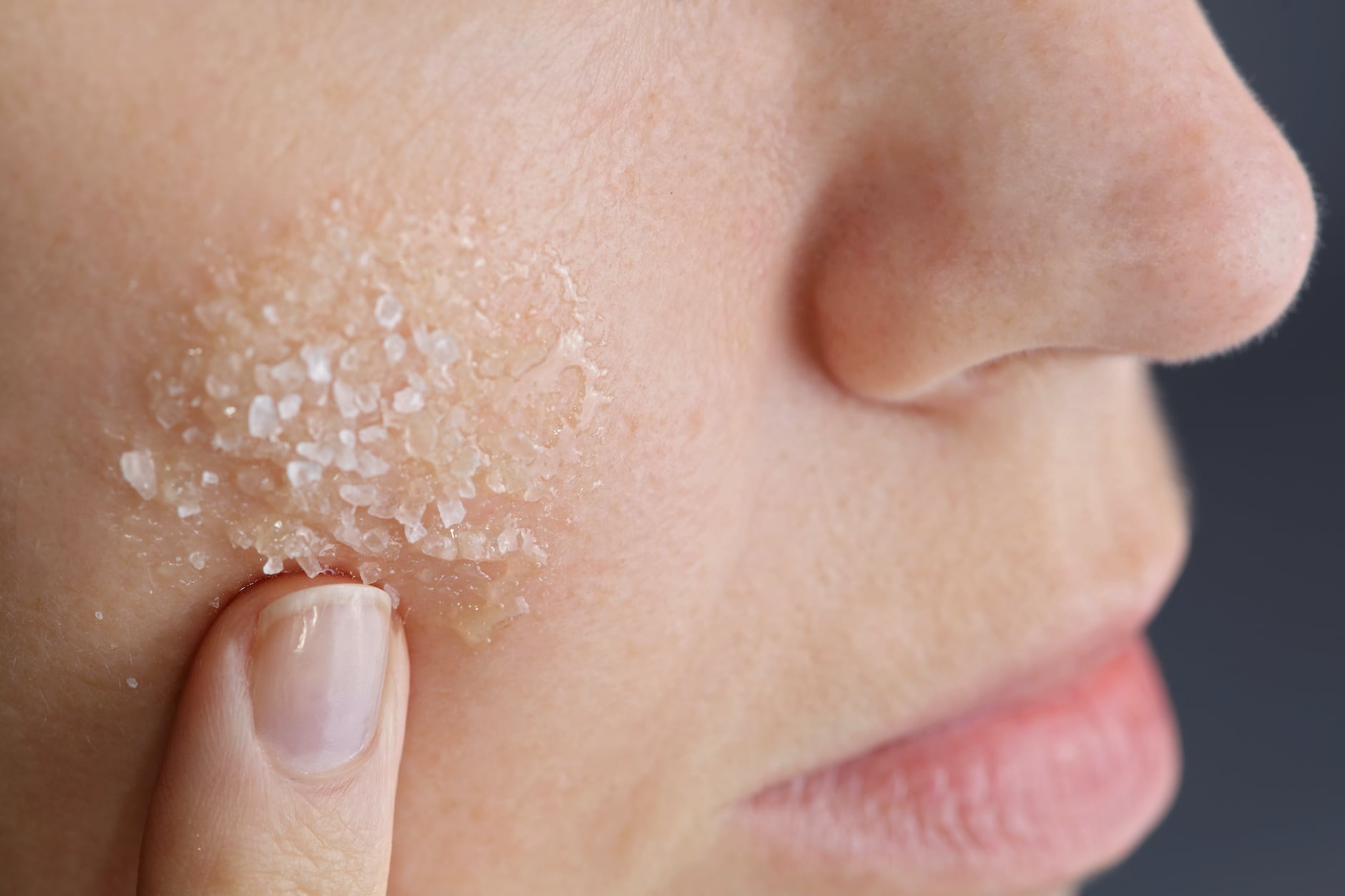
No need to break the bank on expensive exfoliants or spa treatments. Epsom salt is a useful natural exfoliant. To help slough off dead skin and remove impurities, add a pinch to your normal face wash, gently rub in a circular motion, and rinse.
9. Acne Treatment
Epsom salt is also a useful natural face cleanser, with mild antibacterial, antifungal, and antiviral properties, making it a reasonable choice for at-home acne care. Before bed, mix a teaspoon of Epsom salt with your normal facial cleanser and wash as usual.
10. Blackhead Banisher

In addition to removing dead skin and clearing blemishes, Epsom salt works well at lifting blackheads. Mix one teaspoon of Epsom salt with four drops of iodine in a half-cup of hot water. Stir until dissolved. Once slightly cooled, massage the mixture into the affected skin, dry completely, wash with warm water, and pat dry.
11. Healthy Hair

Not only will your body thank you for adding Epsom salt to your daily routine, your hair will also benefit. To remove buildup of styling products, including hairspray, mix 1 cup each of Epsom salt and lemon juice into a gallon of water. Cover and let the mixture sit for 24 hours before use. Pour over hair, let sit for 15 to 20 minutes, then wash and condition as usual. To add volume, combine equal parts conditioner and Epsom salt. Apply to hair and let sit for 20 minutes. The Epsom salt helps remove excess oil that weighs hair down.
12. Moisturizing Hand Wash
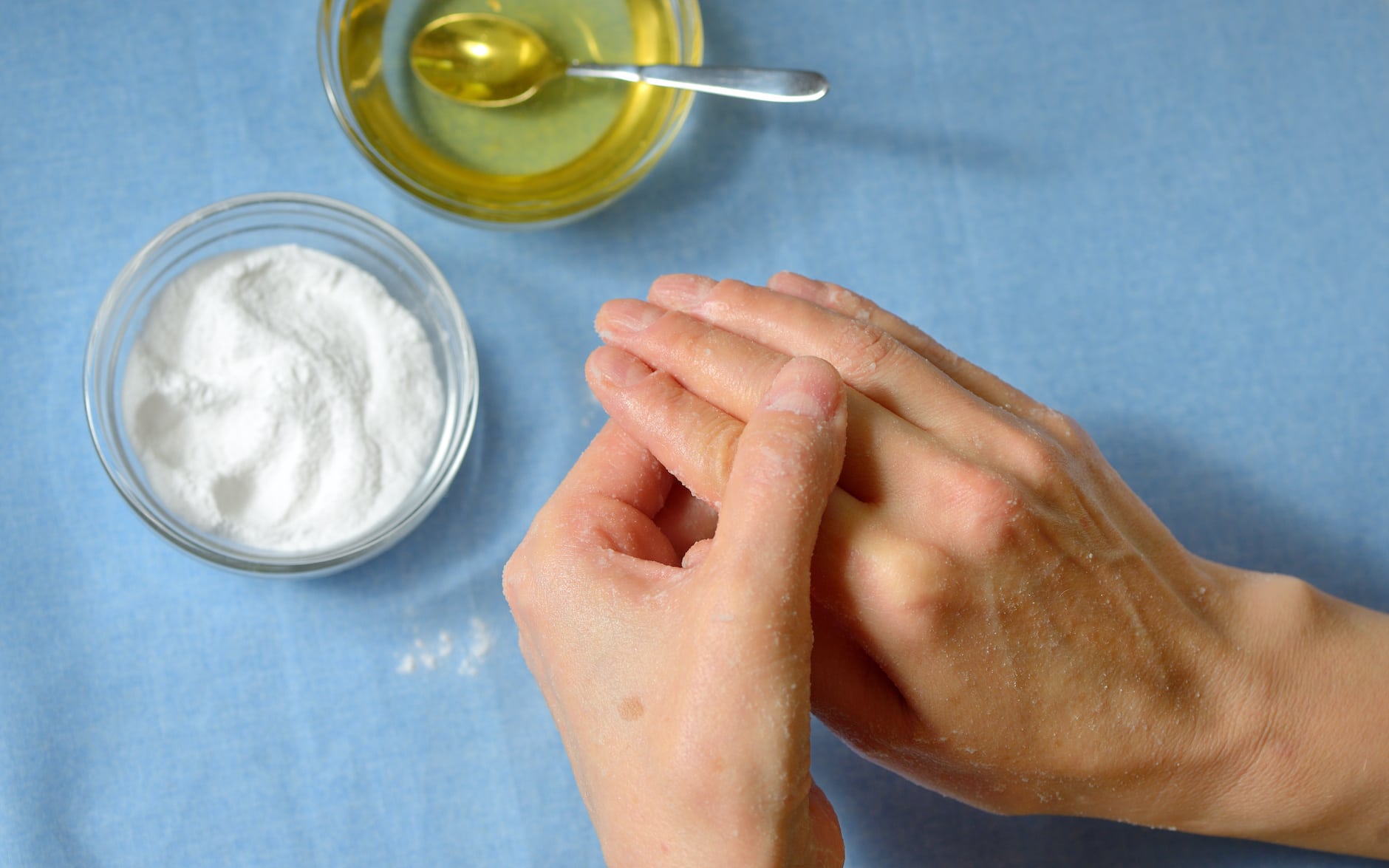
Want to keep your hands soft? Mix equal parts Epsom salt and baby oil or olive oil. Store the moisturizing hand cleanser in bottles by the sink. Massage in and rinse after washing your hands.
13. Cold and Flu Relief
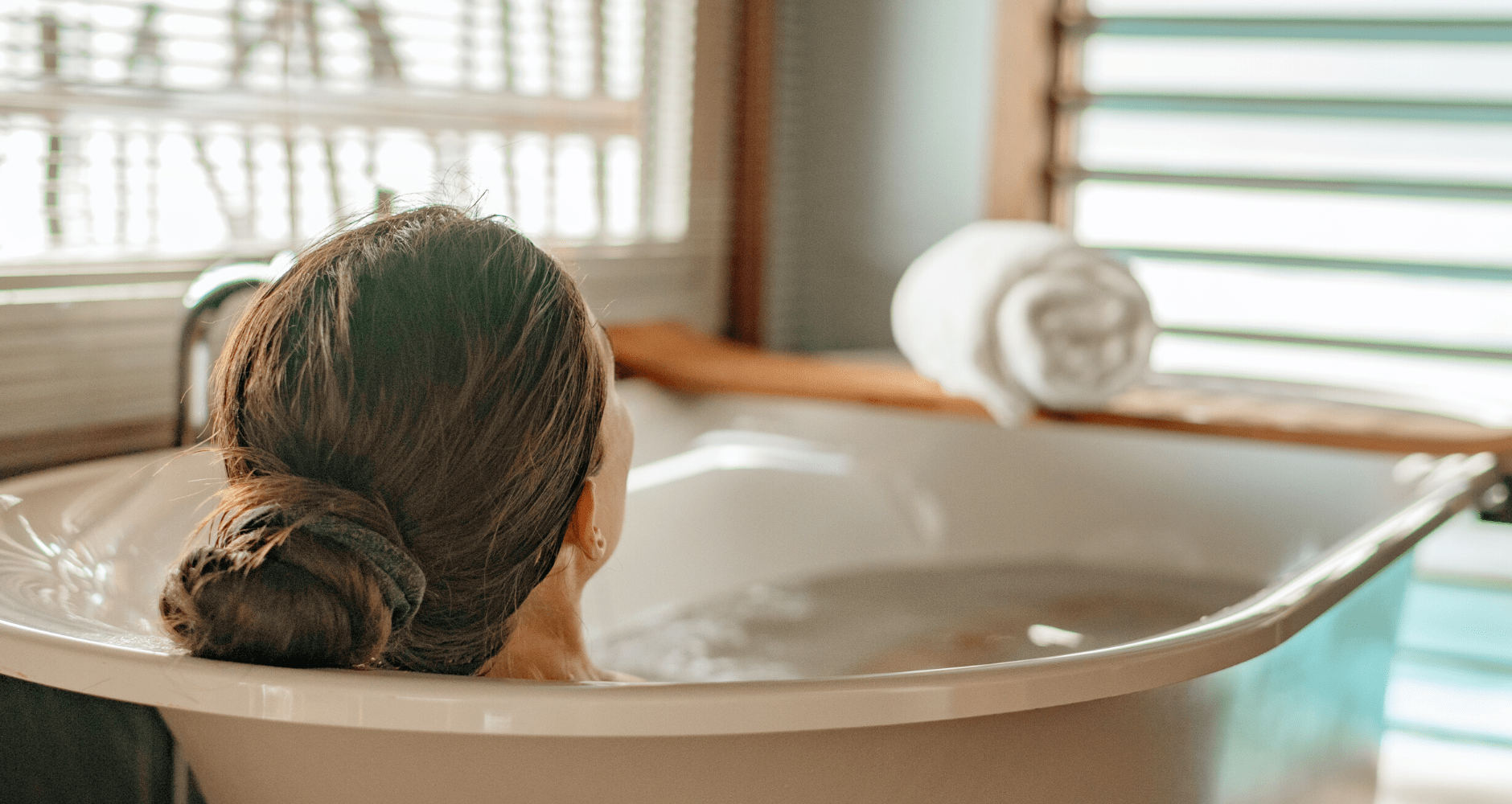
Soaking in an Epsom bath may support your immune system and ease the muscle aches that come with a cold or flu. The aches and stress relief also help with the restorative sleep that helps fight off infection. Add a few drops of eucalyptus oil to the bath for easier breathing.
14. Poison Ivy Relief
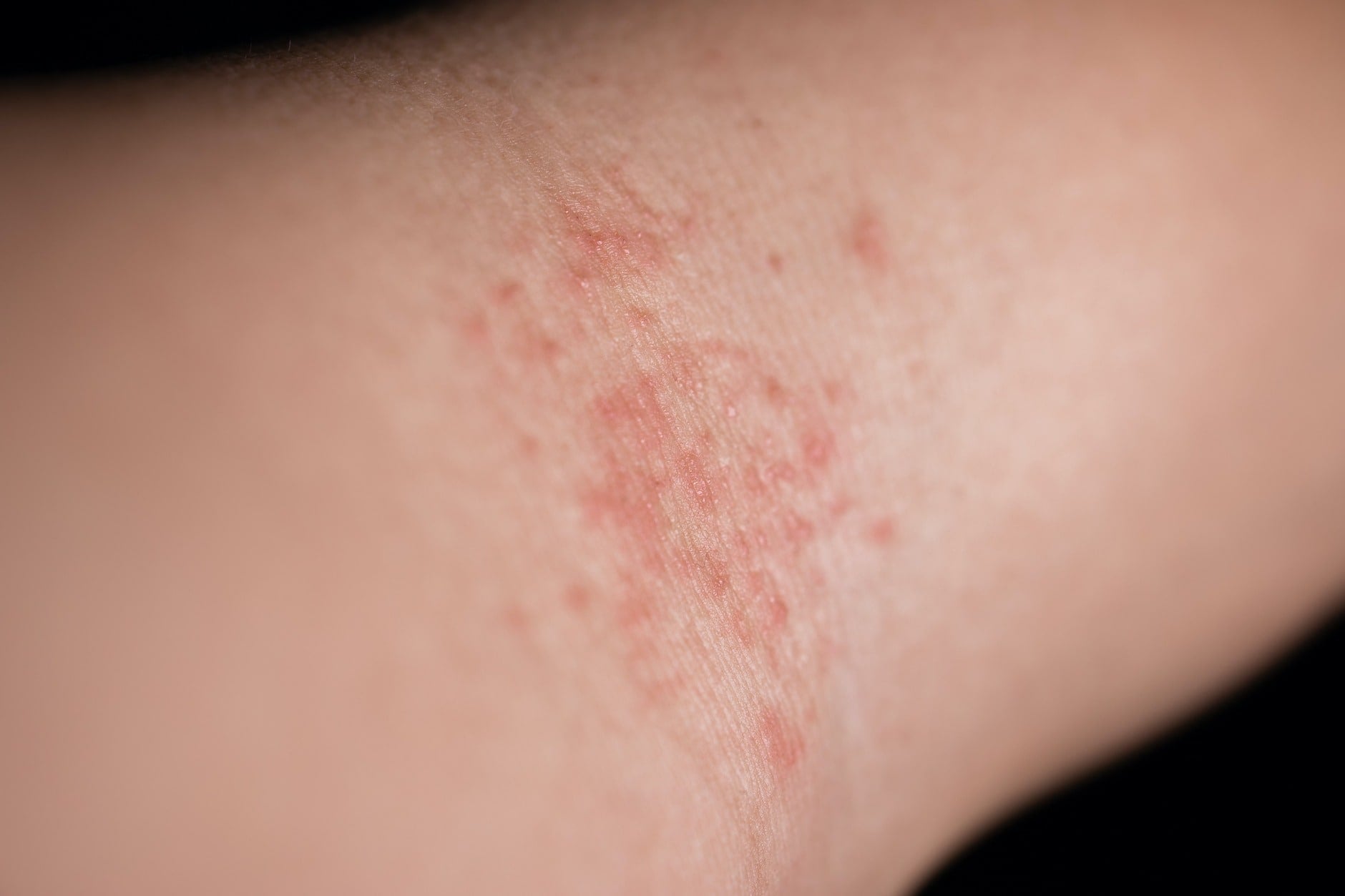
A cold Epsom salt compress may bring some relief to poison ivy sufferers by easing irritation and swelling. Soak a cotton washcloth in an Epsom salt and water solution (2 tablespoons Epsom salt and 1 cup cold water), wring it out, and apply to the affected area.
15. Bug Bite Relief

To relieve the annoying itch of bug bites, mix 1/2 cup of hot water and 1/2 cup of Epsom salt in a spray bottle. Spray onto the affected skin. This spray also works well for other causes of itchy skin. Or try this remedy.
16. Pots and Pans Scrubber
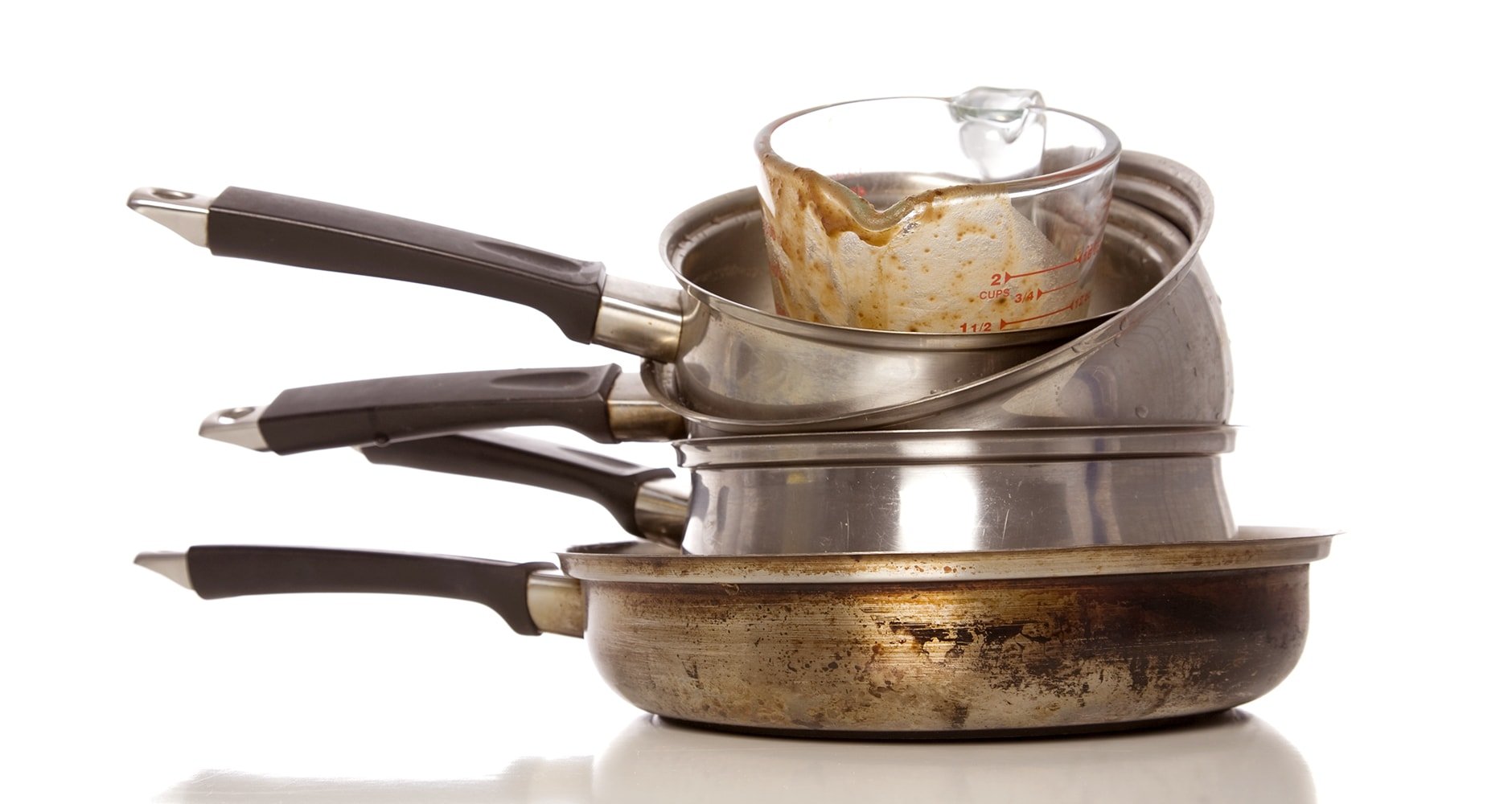
The abrasive texture of the salt crystals helps remove stuck-on food without hurting your cookware. Pour a small amount of Epsom salts onto your pots or pans before you scrub them.
17. Grout Cleaner
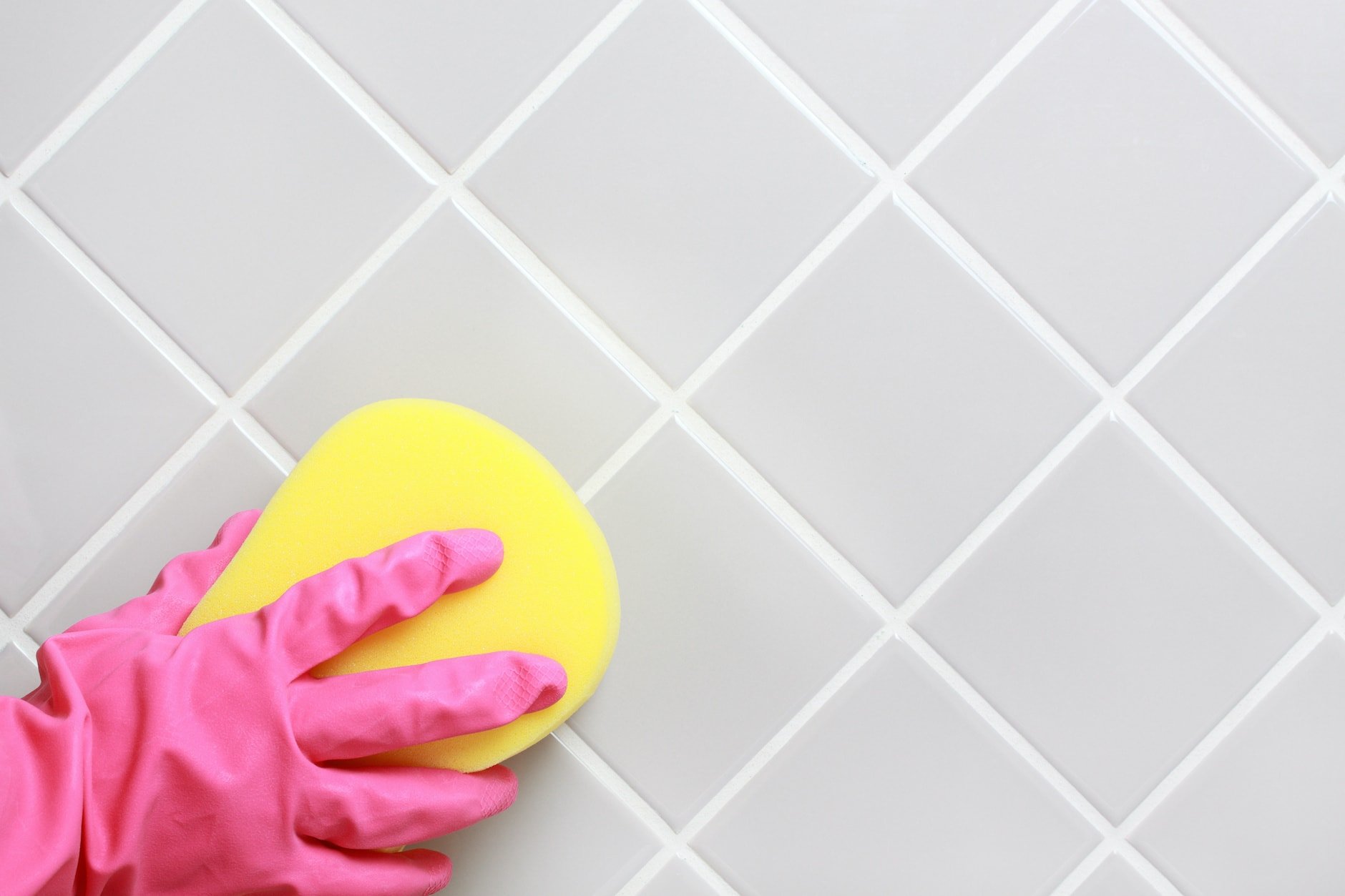
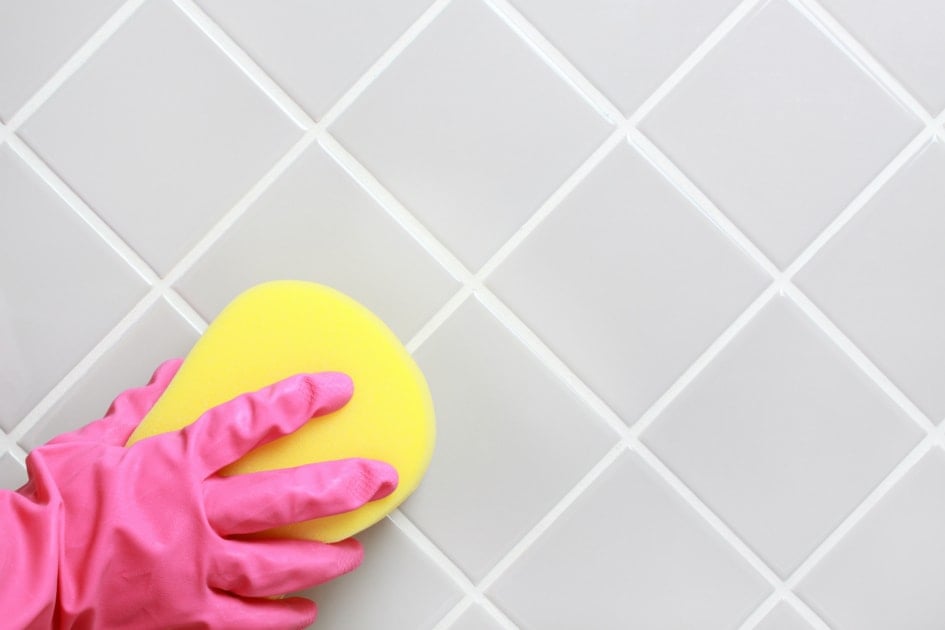
Mix equal parts Epsom salts and liquid dish detergent to create an effective tile and grout cleaner. Apply this mixture to stains in your bathroom or kitchen. Let it soak for a few minutes, scrub away grime, and rinse clean.
18. Washing Machine Cleaner
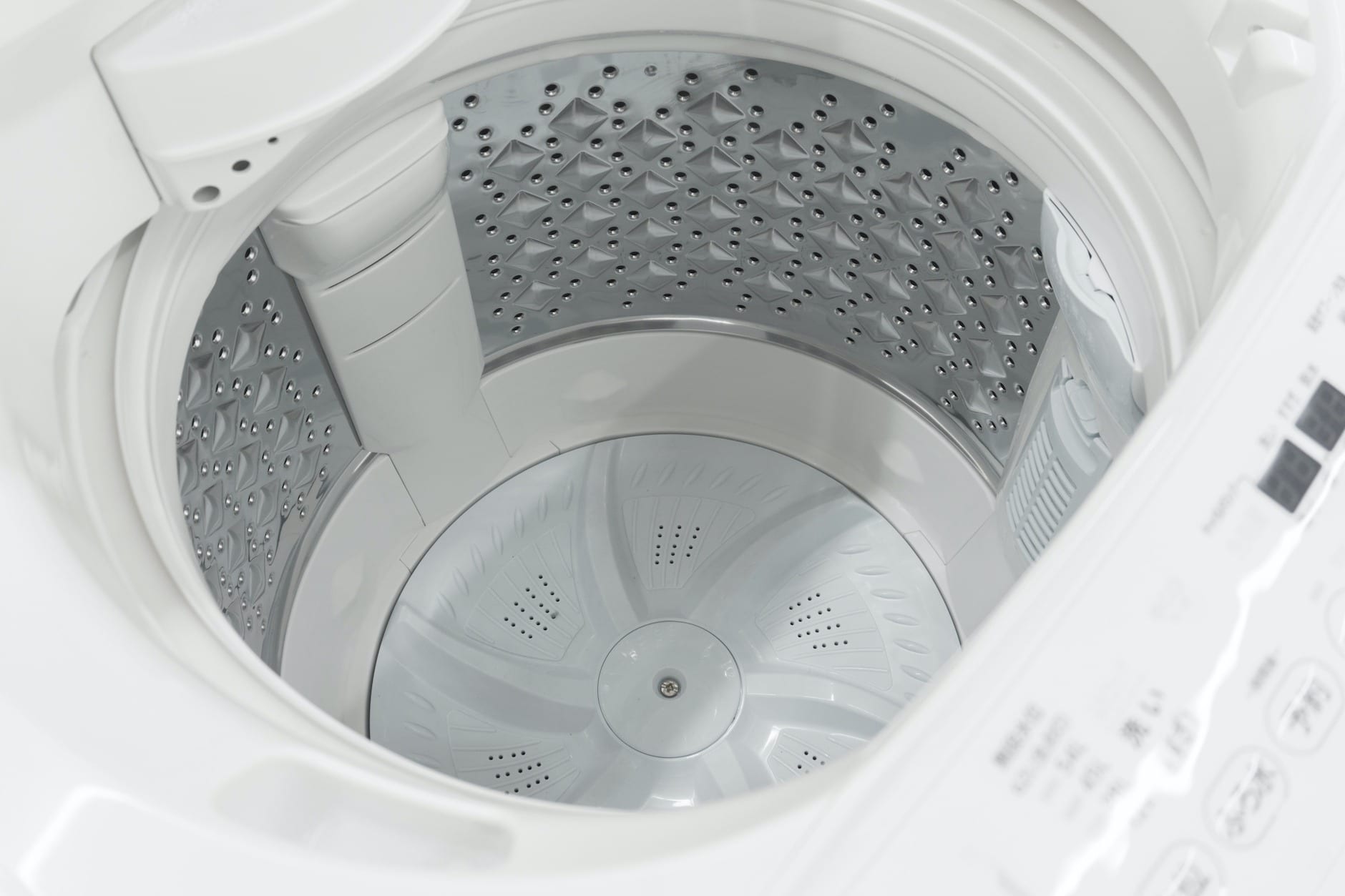
Your washing machine can get surprisingly grungy. With use, laundry detergent and other contaminants build up inside machines. Epsom salt helps keep your washer running efficiently by removing unwanted gunk. Let the washing tub fill with hot water. Add 1 quart of white vinegar and 1 cup of Epsom salt. Let the machine agitate for a minute, then stop the cycle and let the solution sit in the machine for about an hour before continuing the cycle. Run a rinse cycle before adding clothes.
19. Helper In the Yard and Garden
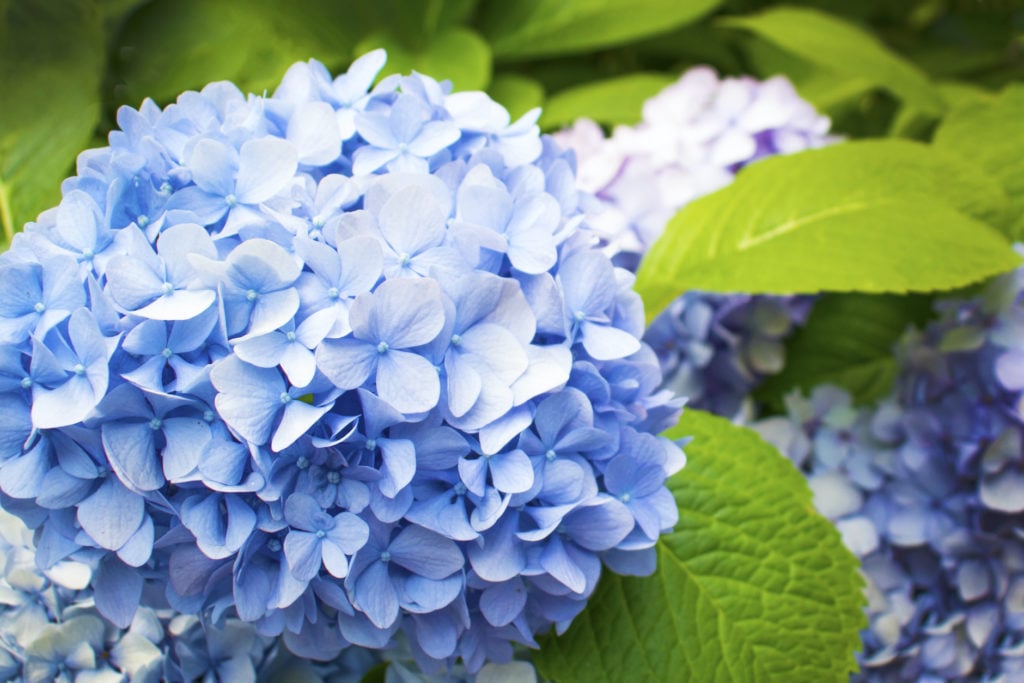
The benefits of Epsom salt do not stop in the house. Head out to the garden, where magnesium sulfate is useful for greening up the yard and fertilizing magnesium-hungry plants. It will also help discourage slugs; sprinkle a line around your beds.
According to the EpsomSaltCouncil.org, studies show that magnesium and sulfur, two naturally occurring minerals that are major components of Epsom salt, may help plants grow greener with higher yields and more blooms. Magnesium creates an environment that supports growth by helping seeds germinate, increasing chlorophyll production, and improving phosphorus and nitrogen uptake. Sulfur is also a key element in plant growth, helping produce vitamins.
Adding Epsom salt to your soil before planting vegetables gives it a boost of magnesium (test soil for deficiency first). You can also sprinkle Epsom salt around your plants for healthier foliage. About 1 tablespoon per 12 inches of height once a month. Tomato plants also benefit; water your vines with 1 tablespoon of Epsom salt dissolved in a gallon of water every two weeks. Acid-loving plants like hydrangea, azaleas, roses, rhododendrons, blueberry, and hibiscus will also appreciate the treatment.
20. Healthier Plants
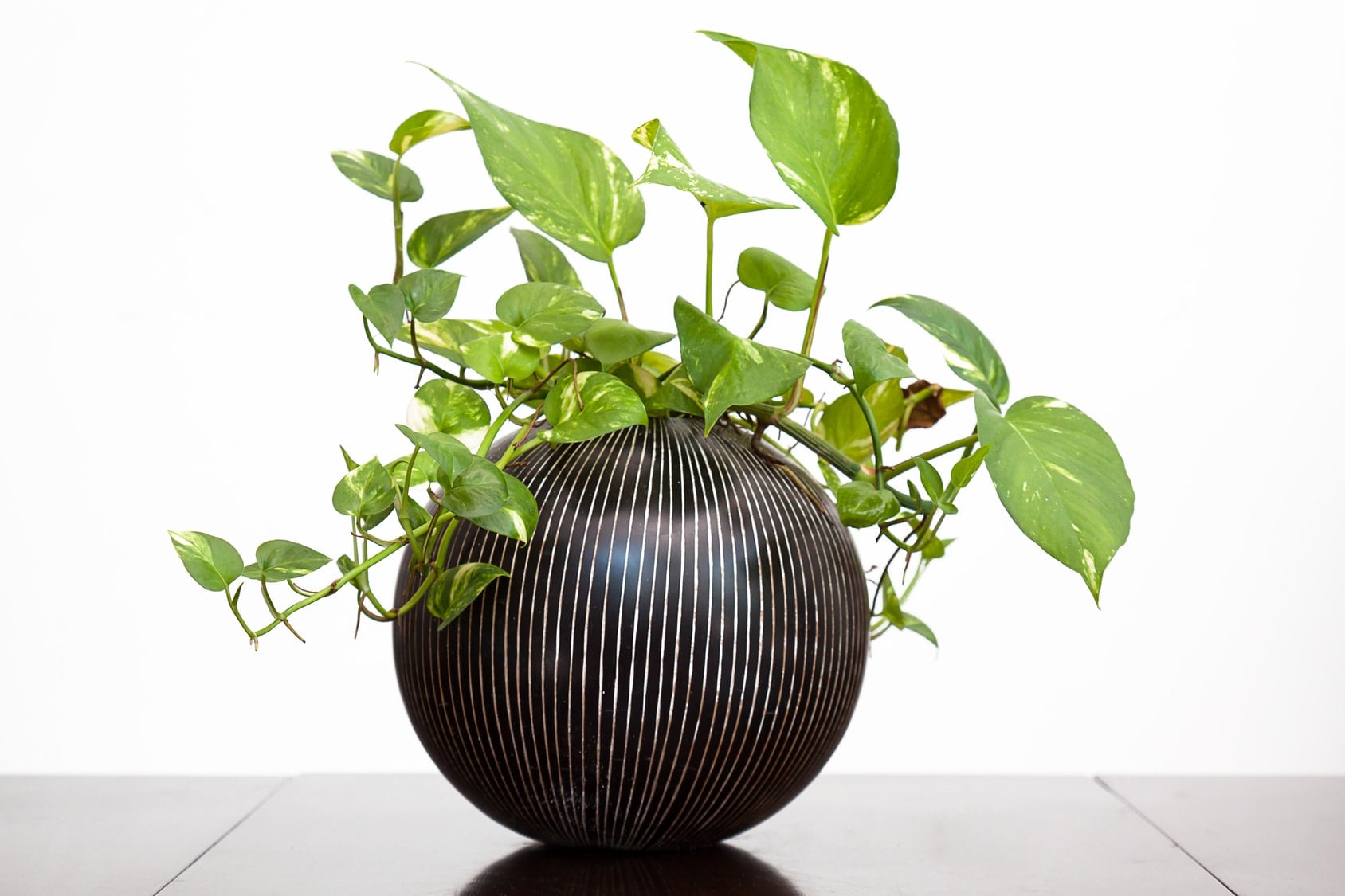
If your houseplants are turning yellow, they may have a magnesium deficiency. Epsom salt to the rescue. Try adding a teaspoon of Epsom salt per gallon of water and water as usual; occasionally spray the leaves with the solution to help them grow lush and green.
Note: Epsom salt is not an all-purpose fertilizer. It will create healthier, greener, bushier houseplants only if your houseplants are deficient in magnesium or sulfate.
Epsom Salt Dosing at a Glance
| Use | Amount | How |
|---|---|---|
| Foot soak | 1/2 cup | In warm water, soak 15 to 20 minutes |
| Splinter or ingrown nail | 2 tablespoons | In a cup of warm water, soak 10 to 15 minutes |
| Bug-bite relief | 1/2 cup | With 1/2 cup hot water in a spray bottle |
| Compress | 2 tablespoons | In 1 cup cold water, soak a cloth, wring out and apply |
| Facial cleanser | 1 teaspoon | Mixed into your usual cleanser before bed |
| Houseplants | 1 teaspoon per gallon | Water as usual, and occasionally mist the leaves |
| Tomatoes | 1 tablespoon per gallon | Water the vines every two weeks |
| Garden plants generally | About 1 tablespoon per 12 inches of height | Once a month |

Epsom Salt FAQ
What is Epsom salt made of?
Magnesium sulfate heptahydrate (MgSO4·7H2O). It is a naturally occurring mineral, named for the town of Epsom in Surrey, England, where it was first distilled from spring water in the 17th century.
Is Epsom salt safe to drink?
In small, measured amounts as a short-term laxative, yes, but you should clear it with a physician first. Skip oral use entirely if you have kidney, heart, or blood-pressure conditions.
Does Epsom salt actually relieve sore muscles?
Heat and rest do most of the work, but Epsom salt soaks have a long tradition among athletes for a reason: the magnesium may help relax muscles, and the warm bath drops cortisol and helps sleep. Try it for 20 minutes after a long workout.
How much Epsom salt should I put in a bath?
2 cups in a standard warm bath, 20 minutes. For a foot soak, 1/2 cup. Plain (unscented) is best for sensitive skin.
Will Epsom salt help my tomatoes?
Only if the soil is short on magnesium. Test first. If it is, water with 1 Tbsp dissolved in 1 gallon of water every two weeks. A “more is better” approach can lock out other nutrients.
Can I use Epsom salt on cuts or broken skin?
Skip it on open wounds. The salt will sting and may slow healing. For drawing out small splinters under intact skin, however, a brief soak works well.
How long does Epsom salt last?
Indefinitely, if you keep it dry and sealed. Crystals that have clumped together are still fine to use; just break them up.
For more low-cost household fixes, read our companion guides: rust remedies, witch hazel uses, and a homemade olive oil salve for dry winter skin.



Natalie LaVolpe
Natalie LaVolpe is a freelance writer and former special education teacher. She is dedicated to healthy living through body and mind. She currently resides on Long Island, New York, with her husband, children, and dog.
- Natalie LaVolpe

- Natalie LaVolpe
- Natalie LaVolpe
- Natalie LaVolpe




I have 2 one year old puppies. I am constantly retrieving balls from under the furniture, or cleaning up after them. This leads to repetetive bending, and my lower back is taking quite the hit. The other day, it just totally gave out on me, and was spasming. I couldn’t move, and was on a heating pad all day. That being said, I took a lavender/Epsom Salt bath, and the next morning, I was a new person. It was a miracle. I’ll be doiing this on the reg!!!!!
Can Epsom Salts help draw out boils on the skin??
How is Epson Salt used to deter Ground Hogs?
Lots of useful information here. Just have to say, don’t ever use baby oil on your skin! It’s one of many products allowed to be sold in the US that actually ought to be banned! (google for your own research)
is epson salt useful in koi ponds?
Hi, it does have some benefits in ponds, working against bacteria, but we do recommend checking with a reputable koi or pond resource.
Epsom. Epson is a printer.
Hi there please allow me to say my parents have always keep Epsom salt at home and used it for sprains, wash cuts, and to clean the stomach of worms
That’s interesting ! Especially the information about worms. Thank you.
Clean the stomach of worms? Seems like a waste of time.
You get them dried off and they hop right back into the dirt.
Hi,
Yes, it is an oldie but a goodie. Sometimes it’s good to be reminded of what our parents and grandparents used.
Im so excited to know all the things that Epson salt will do. I have a closit at home full of it now !!!
Wow!! Thank you so much for this informative article. I had no idea that there are so many uses of Epsom Salts!! I remember years ago, l had a splinter in my foot and my dear 80 yr old friend Doris, got some Epsom salts in a dish of warm water, l soaked my foot, and in 20 minutes it literally had pushed itself out. I was amazed and now l’m finding out about all the other uses. I’m a new subscriber Farmers’ Almanac. Thank you so much for these useful tips.
I was told a half teaspoon day would help clear arteries over time. Is this true.
.
Hi Kay, we recommend you check with your doctor on that one, to be safe.
I have heard it helps make your artery walls flexible. That is not the same thing as clearing your arteries. The only thing that can “clear your arteries” though in lowering your cholesterol. That is the only thing that builds up in your arteries. A half a teaspoon is the correct amount for helping make your arteries flexible.
absolutely scientifically wrong. It will have no affect on your arteries
Everything we consume has an effect on our arteries. Some good, some bad.
Is Epsom salt good or bad?
Hi, Can Epson Salts be used as an Air Filter?
Thanks
We’re not familiar with this use, Geoff.