

Why Does Rain Smell So Good? Meet Petrichor
The yummy earthy scent of that first rain has a name: petrichor. We explain where it comes from.

Quick Reference: Petrichor
- Word origin: Greek petra (stone) + ichor (the mythical blood of the gods). Coined in 1964 by Australian scientists Bear and Thomas.
- The four ingredients: mineralized organic compounds, plant oils released during drought, actinobacteria spores, and the bacterial compound geosmin.
- Why a beet tastes earthy: the same geosmin molecule. Humans can detect it at 5 parts per trillion.
- Best smelled after: a gentle, soaking rain that follows a dry spell. Light drizzle is too weak, a downpour washes it away.
- The pre-rain smell: ozone, created when lightning splits oxygen molecules; blown ahead of an approaching thunderstorm.
- Why we love it: humans likely evolved to track rain through scent; in dry climates, the scent meant survival.
A good rain shower can make the whole world feel a little nicer. If you are like most people, you open all the windows in the house to let the fresh breeze drift in, then head out to the porch to soak up that earthy scent that always seems to come with the rain. There is a name for it: petrichor. The Britannica entry on petrichor gives the chemistry, and the name itself comes from a 1964 paper in Nature.
The word is made from the Greek roots petra (stone) and ichor, which represents the mystical essence of the Grecian gods. The name does not tell the whole story. There is nothing mystical about petrichor, and the scent does not come from rocks.
It Starts With a Dry Spell
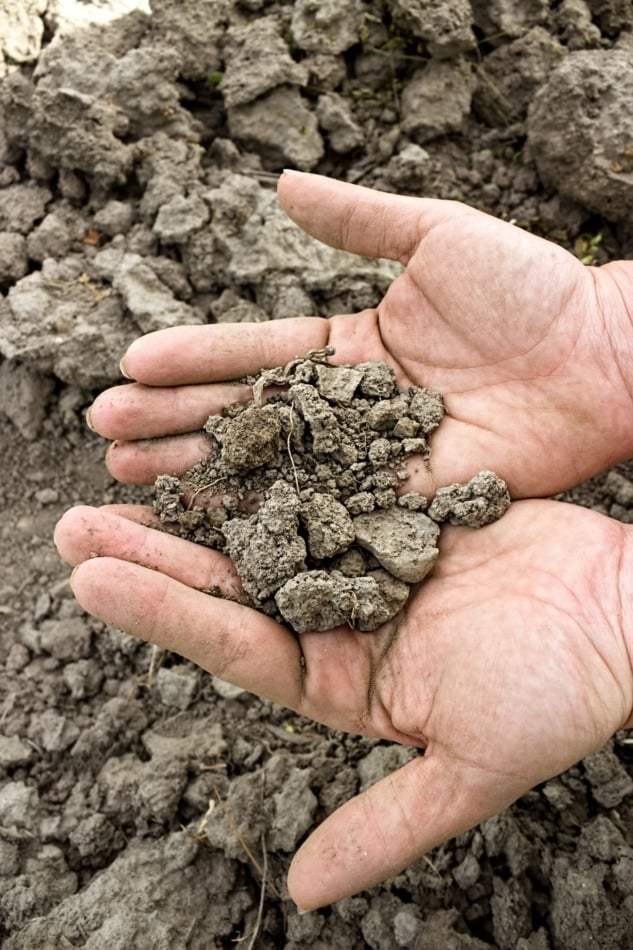
During dry weather, several things happen that eventually combine to form the smell of rain. Decomposed organic compounds produced by dead leaves and other materials blow around, landing on the ground where they combine with minerals in the soil. At the same time, plants sense there is not enough water to support more growth. They produce oils that signal both seeds and root systems to halt their growth.
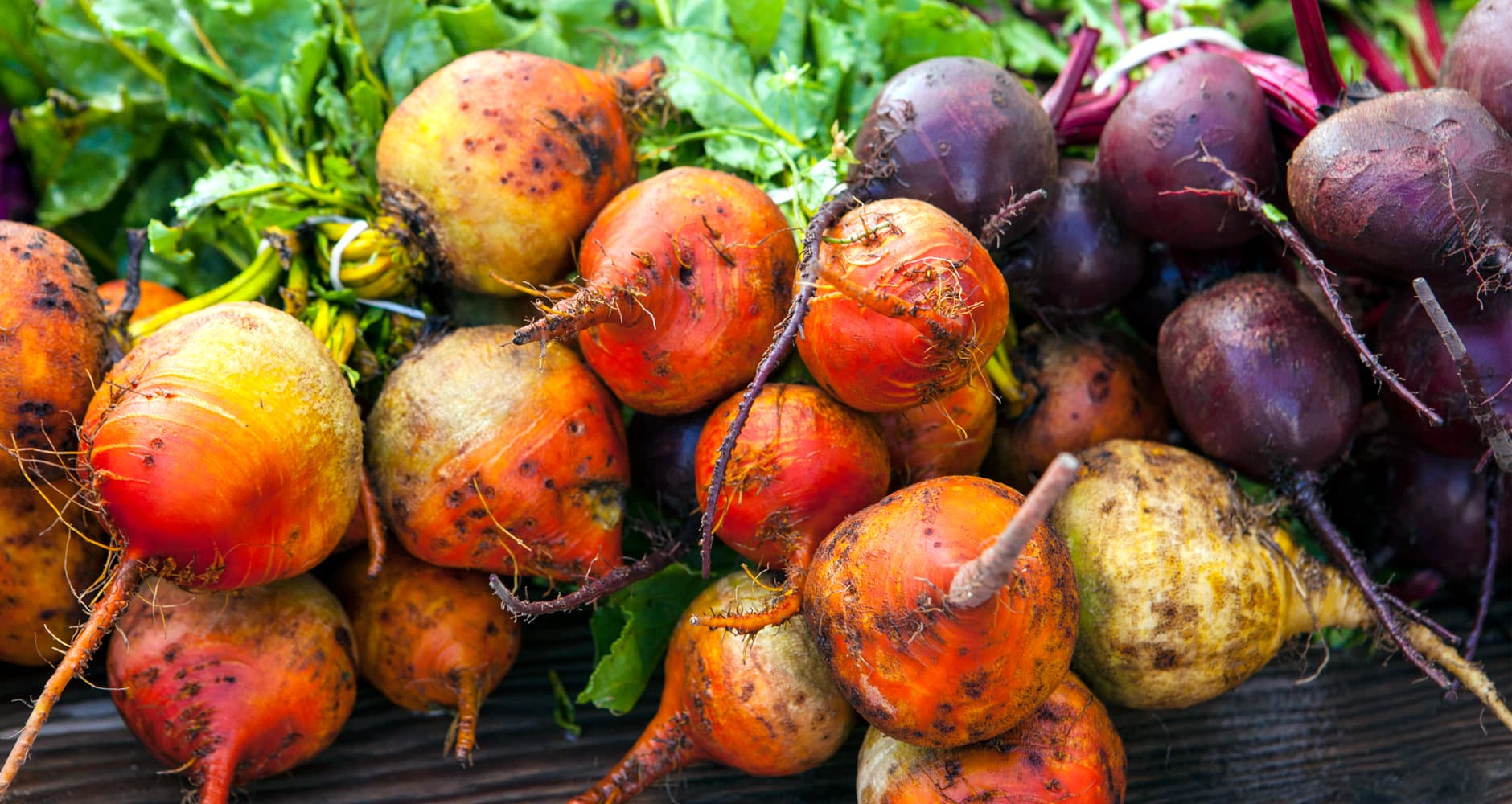
Actinobacteria, which grow in moist soil, play a part too. As the soil dries out, actinobacteria stop growing and start creating spores so that they can reproduce once more after a good rain. As these bacteria die, they create a compound called geosmin. If you have ever eaten a beet, the earthy flavor you taste is geosmin. The muddy flavor a fresh catfish fillet sometimes has is also caused by high levels of geosmin. Humans are remarkably sensitive to it; we can detect geosmin at concentrations as low as 5 parts per trillion, sharper than a shark detects blood.
It is these four factors, mineralized organics, oils from plants, actinobacteria spores, and geosmin, that mix together to create petrichor. When you smell it, that is because the force of raindrops hitting the ground creates an aerosol of these particles, which you then pick up with your nose. High-speed photography from MIT in 2015 showed that each raindrop on porous soil creates dozens of tiny bubbles that pop and launch the scented aerosol upward.
The Right Kind of Rain

To catch a whiff of petrichor, the conditions have to be just right. The dry spell is only the first component. After that, you need just enough rain to distribute the aerosol. If the floodgates open up and it rains all week, the scent of petrichor will be strong after the first shower. After an entire day or week of storms, the compounds that create petrichor will wash away.
The type of rain is just as important as the duration of the rainy spell. Light drizzles and misty rains may not be enough to aerosolize the compounds in petrichor. A pounding rain will knock the airborne particles right out of the air, leaving you without that rain-fresh scent afterward. This is why petrichor is strongest right after a gentle soaking rain.
What About the Smell That Comes Before the Rain?
If you have ever enjoyed the scent of petrichor, then you have probably smelled something similar just before the rain starts, too. This pre-rain smell has an entirely different origin. It is attributed to ozone, which is created when lightning within storm clouds splits oxygen apart into separate atoms. Some of those atoms recombine to form ozone instead of oxygen. As the storm winds blow, the ozone is blown out ahead of the storm, which is why you can sometimes smell an approaching thundercloud.
In a way, you could say that petrichor is nature’s air freshener. When it comes to scents, it is certainly one of the best, right alongside the smells of freshly cut grass and blooming flowers.
Petrichor at a Glance
| Detail | |
|---|---|
| What it is | The earthy smell that rises from ground after rain |
| Name coined | 1964, by the Australian scientists Bear and Thomas |
| Ingredient 1 | Mineralised organic compounds in the soil |
| Ingredient 2 | Plant oils released during drought |
| Ingredient 3 | Actinobacteria spores |
| Ingredient 4 | Geosmin, the bacterial compound that carries most of the scent |
| Strongest when | The first gentle soaking rain lands after a dry spell |
| Weakest when | Rain has fallen for days, which washes the compounds away, or when it is a light drizzle or a downpour |
| The pre-rain smell | Not petrichor. That is ozone, made when lightning splits oxygen molecules and the storm wind carries it out ahead of the cloud |

Petrichor FAQ
What is petrichor?
The earthy smell that follows the first rain after a dry stretch. It is a blend of plant oils, mineralized organic matter, actinobacteria spores, and geosmin, kicked into the air as fine droplets when raindrops hit porous ground.
Where does the word petrichor come from?
Australian researchers Isabel Bear and Richard Thomas coined the term in a 1964 paper in Nature, combining petra (Greek for stone) with ichor (the mythological blood of the gods).
What is geosmin?
An organic alcohol produced by actinobacteria (especially the Streptomyces genus) in soil. It is the source of the earthy taste of beets and the muddy flavor in some freshwater fish, and the central note in petrichor.
Why does the air smell different before a storm?
That is ozone, not petrichor. Lightning breaks oxygen molecules into single atoms that recombine as ozone (O3). Storm winds push the ozone ahead of the front, which is why the sharp metallic smell can arrive minutes before the rain.
Why can’t I smell petrichor every time it rains?
You need a dry stretch beforehand to build up the source compounds, and a gentle soaking rain to aerosolize them. Light drizzle is too weak; heavy downpours wash the particles away too fast.
Why do humans love the smell so much?
The leading guess is evolutionary. In dry climates, the scent of rain meant water, plant growth, and survival. Humans share unusually high geosmin sensitivity with camels, which are thought to navigate to distant water sources by it.
Can I buy petrichor as a perfume?
Yes. Several niche perfume houses sell “after-the-rain” scents built around synthetic geosmin and earthy bases. Demeter, Comme des Garçons, and a handful of indie houses have all sold versions.
You cannot smell it through a screen, but it is still relaxing. Have a look at the video below.
For more weather-and-senses pieces, read our companion guides: what is the green flash at sunset?, animal weather forecasters, and why we call them the dog days of summer.



Amber Kanuckel
Amber Kanuckel is a freelance writer from rural Ohio who loves all things outdoors. She specializes in home, garden, environmental, and green living topics.
- Amber Kanuckel

- Amber Kanuckel

- Amber Kanuckel
- Amber Kanuckel





my favourite weather rain..thunder lightning and fog! so happy that the hot relentless sun is going away!
Nothing like the FIRST spring rain like this that washes away the dirt of winter – so far, not had a spring rain like this – glad to know there is a reason for the fresh smell – now can any one explain ‘why’ laundry that dries outside in the sun smells so much cleaner and fresher than if dried in a dryer?
Totally off subject but I often referrer my nickname to Petra ( cause of the name Pebbles of course) but a fact is that is why Jesus called Simon Peter because he was the rock that his church was built upon Matthew 16:18
Let’s make something perfectly clear. It wasn’t Simon Peter who was the rock that the Church was built upon. It was Jesus, Himself. Go back and read that scripture again, and pay attention to punctuation. That makes a 100% clearer understanding that Jesus was referring to Himself, not Simon Peter.
Even better than the punctuation is the context with vs 16. But back to the article, praise God for that smell!
It is the best scent. Sometimes you can semi-mimic it by shooting the water from the hose into the air on some dry dirt or the compost pile, but that is only for a few short minutes.
I so remember & cherish long ago in the summer of my childhood ……my Dad taking us out to the front porch to watch a frightening but astoundingly beautiful thunder storm approach . The distant thunder , the leaves blowing backwards against the black of the storm clouds and the wonderful smells of nature . We currently need rain so badly , it would be grand to see and feel and smell a thunderstorm on the way .
Loved sitting on my grandma’s front porch swing with my cousins during a rain storm. Loved the sizzle of “heat lightning” and the rumbling thunder claps. The petichor from our duty lanes and fields, the scent of ripe corn leaves after the rain, the jasmine and the boxwood’s perfume, and the earthy sweetness of crepe myrtles in bloom…the sounds of the drops on the porch’s tin roof… I am saddened that so many of the kids today will never have wonderful memories like that.
My all time favorite scent is the smell of wet concrete sidewalks during a summer rain. It ranks up there with freshly mowed grass.
The ozone that comes from lightning is like peroxide but is not liquid is charged air …This ozone can be reproduced with AC -house current …I think this ozone can be heathy and have very positive effects like killing bacteria ,viruses ,and funguses .I know there is a big ammount of confusion with high ozone (air polution) Ozone is also created in the combustion process in the motors .Fuel is ignited by spark plugs ,the spark makes ozone and this ozone is mixed with gas /fuel ….So this ozone is poluted and fouled by the fuel. I think this process is not researched enough and needs a second look…Ozone is in rain in very high ammounts ..without this pure clean rain we would all stink ..LOL