

Trick or Treat: The History Behind the Halloween Custom
Every Halloween, kids canvass neighborhoods looking for goodies. But where did this tradition come from? Find out.
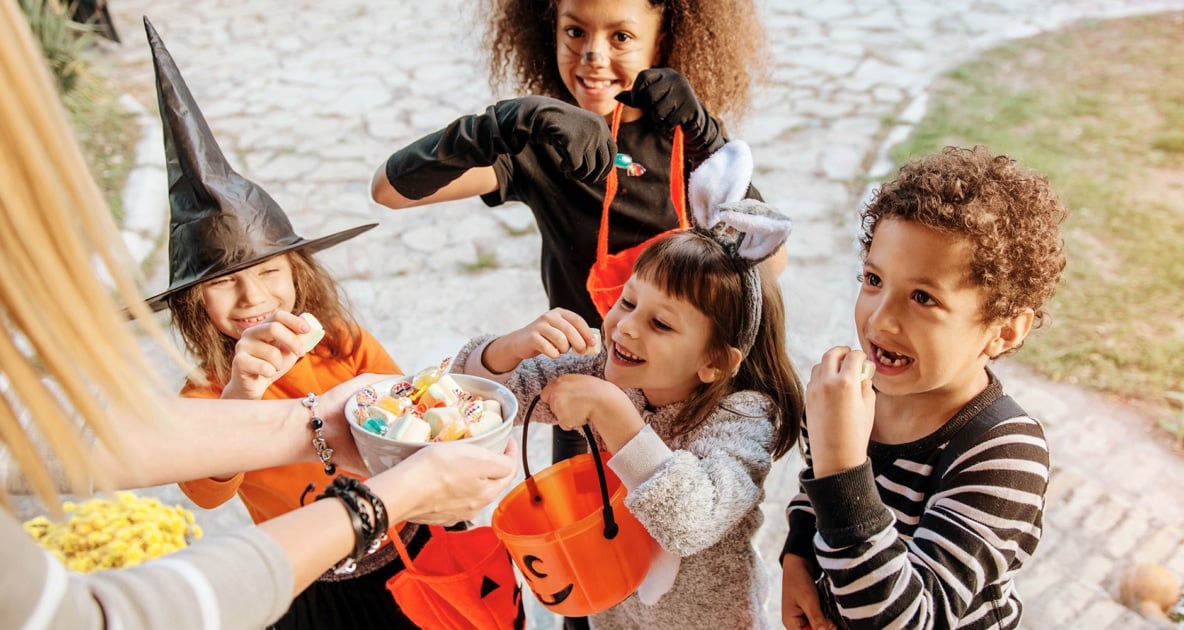
Quick Reference: Why We Trick or Treat
- Oldest root: the Celtic festival of Samhain, celebrated about 2,000 years ago.
- Middle Ages: costumed mummers went door to door singing and performing for food and drink.
- 1000 A.D.: All Souls’ Day added souling, when children asked for soul cakes in exchange for prayers.
- The modern name: “trick-or-treat” took hold in the United States around the Great Depression.
- Today: roughly 35 million children in the US go trick or treating every year.
Trick or treating did not start with candy bars. It grew out of costumes, door-to-door performances, and small spiced cakes traded for prayers, a chain of customs that reaches back roughly 2,000 years. Every Halloween, kids and their parents still turn out in droves to canvass the neighborhood for goodies, but the walk from house to house is far older than the candy in the bowl. Here is where the trick or treat tradition came from, and how Halloween itself began.
When Did Halloween Start?
The history of Halloween is attributed to Samhain, an ancient Celtic festival celebrated about 2,000 years ago. This is where trick-or-treating had its first origins. During Samhain, which begins at sunset October 31 and goes until sunrise on November 1, it was thought that ghosts of the dead return to the world of the living. In doing so, they wreak havoc, ruin crops, and cause trouble.
To drive the ghosts away, villagers would dress up in costumes, usually made of animal skins. They would also often set out elaborate banquet tables with feasts served in hopes that the offering would help pacify malevolent spirits. This is where costuming came from, but the first door-to-door traditions were still many years away. Historians at History.com trace the same path, from Celtic bonfire nights through medieval Europe to the candy-filled holiday we keep now.
Mumming in the Middle Ages
Approximately 500 years after the beginnings of Samhain, during the Middle Ages, the first traditions that resembled modern trick-or-treating appeared. People were still dressing up in costumes for the holiday, but they dressed as ghosts, demons, and other spooky creatures rather than animals. And, instead of laying out a feast to please angry spirits, these costumed people, the first trick-or-treaters you could say, started putting on performances.
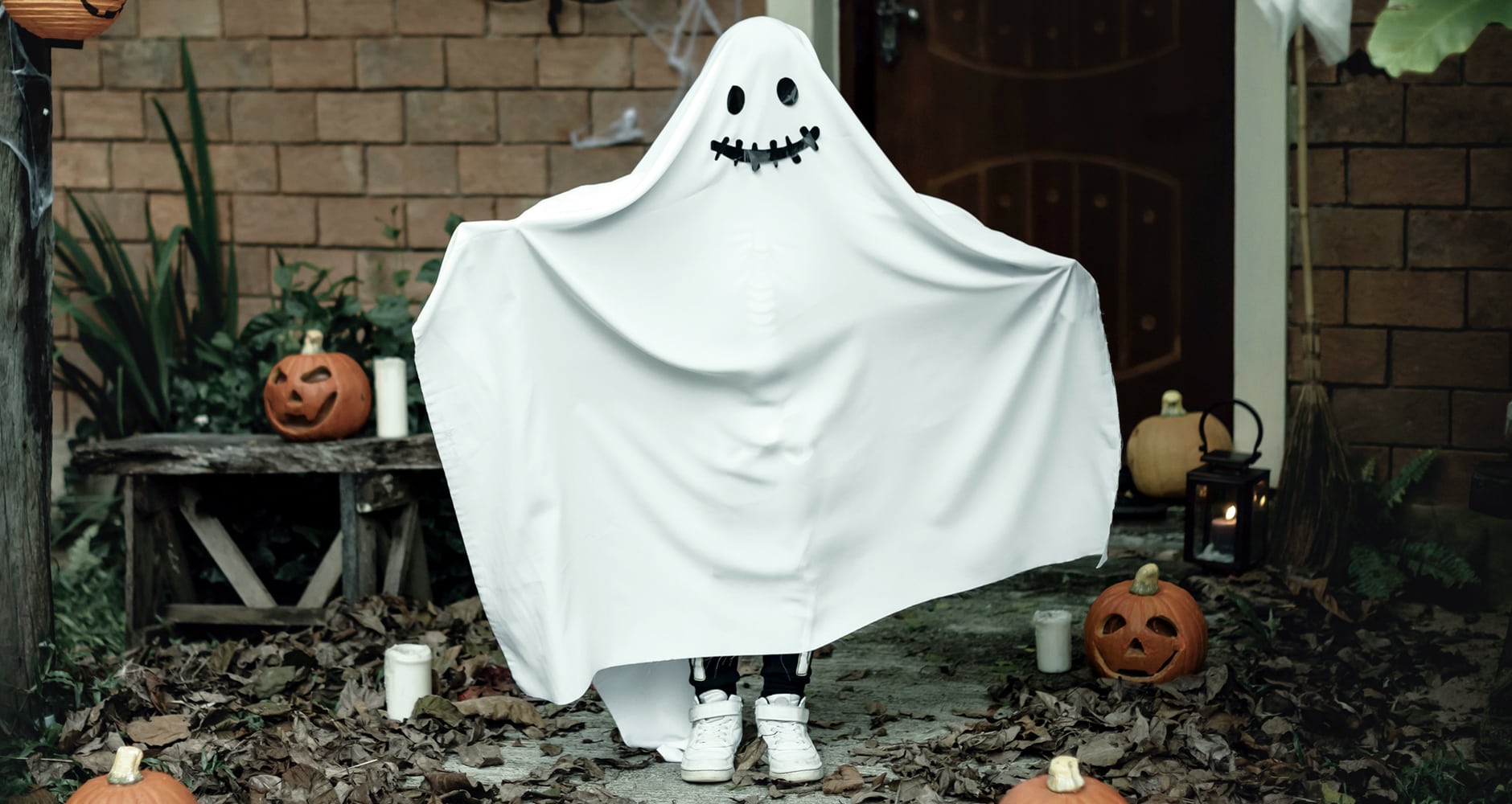
This new tradition was called mumming, and mummers, the costumed people putting on the performances, would go door to door, singing, dancing, and enacting plays in exchange for food and drink.
Samhain, and Halloween later on, was not the only holiday that had mummers hitting the streets. As time went on, mumming became a tradition for Christmas, Easter, and other holidays too. The habit of trading a song or a rhyme for a treat at the door is one that folks have carried across many corners of the calendar.

All Souls’ Day
It was during the Middle Ages that Christianity came to England and Ireland. As it became more widespread in the region, its traditions started to blend with the Pagan traditions of the Celtics, and in 1000 A.D., a new holiday was born. The Christian church created All Souls’ Day, a holiday celebrated on November 2. This new holiday was meant to honor the dead, and it adopted some of the Celtic traditions of Samhain, including masquerades and bonfire celebrations.
In addition to these activities, All Souls’ Day took trick-or-treating one step further. Instead of mumming, the tradition was for poor people to go door to door among the homes of wealthy families. Members of the wealthy families would give out soul cakes, small sweet cakes spiced with cinnamon, and ask that the recipient pray for the souls of the family’s deceased relatives. This new tradition was called souling, and as the years went on, it became an activity not for adults, but for children. Children who went out on All Souls’ Day would go door to door asking for treats like money, food, and drink.
Soul Cakes: The Original Halloween Treat
The soul cake was the candy bar of its day. These small round cakes were spiced with cinnamon, and often nutmeg, ginger, and a scattering of currants, then marked on top with a cross to show they were meant for the dead. Each cake a child received came with a promise to pray for a departed soul, so the more cakes handed out, the more prayers a family gathered for its relatives. It was a fair bargain on both sides of the door.
Soulers rarely asked in silence. They went from house to house singing a begging rhyme, and one old version ran, “A soul cake, a soul cake, please good missus, a soul cake.” Swap the cake for a chocolate bar and the rhyme for “trick or treat,” and you have the outline of a custom that has barely changed in a thousand years. The costumes grew flashier and the treats got sweeter, but the shape of the night, a knock, a small performance, a handout, held firm.
Trick-or-Treat?
Europeans, most likely the Scottish and Irish, brought the traditions of guising (disguising) and souling to North America as early as the late 19th Century. By this time, All Souls’ Day had gone through a name change, becoming All-Hallow’s Eve, and finally, Halloween.
At first, the traditions of souling and guising in the United States were problematic. Youngsters used Halloween as an opportunity to prank people, and those pranks were often destructive, causing expensive property damage. It was right around the Great Depression that these activities became known as trick-or-treating.
While Halloween was known as a time when pranksters were rampant, it was also a time for kids to collect treats. Kids would ask, “trick-or-treat?” when they called on homes, giving homeowners a choice. Since no one wanted to be pranked, candy and other sweet treats were handed out. Treats ranged from homemade goodies like popcorn balls and baked goods to peppermints and lemon drops.
From that time onwards, trick-or-treating spread all over the United States. During World War II, trick-or-treating suffered a downturn due to sugar rationing, there just were not many treats to give out. But after the War, the tradition came roaring back, and now it is impossible to imagine a Halloween without flocks of costumed kids going door to door looking for candy.
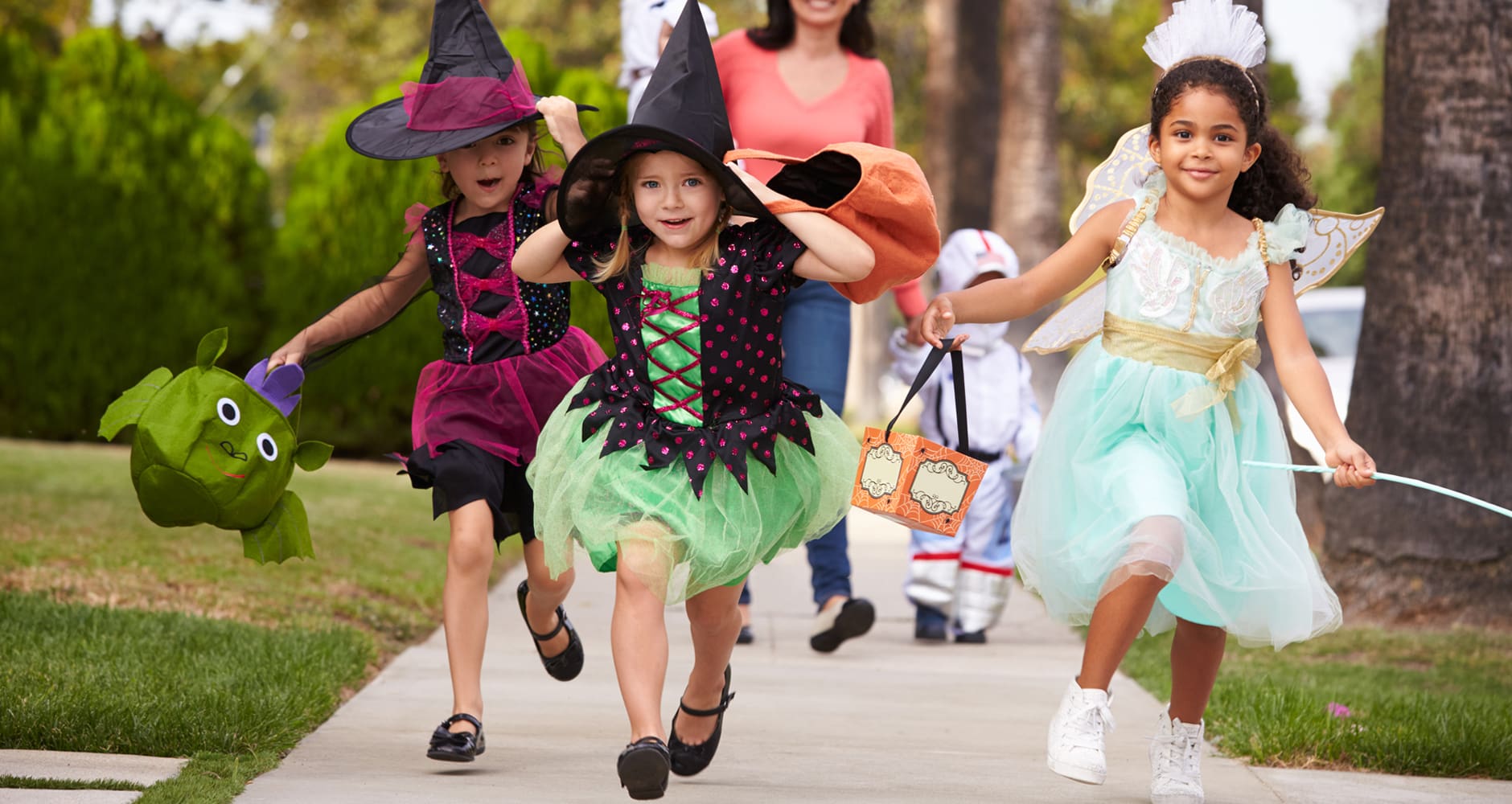
Some Fun Trick-or-Treat Facts
- The two most popular Halloween candies are the Snickers™ candy bar and Reese’s™ peanut butter cups.
- 90 million pounds of chocolate candy is sold during Halloween week.
- Approximately 35 million children in the US go trick or treating every year.
- It is estimated that $3 billion is spent on Halloween costumes annually in North America.
Planning Your Halloween Night
A good trick or treat night still turns on two old-fashioned worries, the weather and the moon. A clear, mild evening keeps porch lights on and little ghosts out longer, while a cold rain can cut the rounds short, so it pays to check the Halloween weather forecast for your region before the big night. Some years the holiday even lands under a bright full moon, which is as fitting a lantern as any for a walk from door to door.
However you mark the night, whether you hand out soul cakes, popcorn balls, or a bowl of Reese’s, you are keeping a custom that has outlasted empires. Set out a welcoming light, keep a treat by the door, and let the old bargain play out one more year. The particulars are yours to decide.

Trick or Treat: Frequently Asked Questions
Why do we trick or treat on Halloween?
Trick or treating grew out of a chain of old customs. It began with costumes worn during the Celtic festival of Samhain about 2,000 years ago, passed through medieval mumming, when performers traded songs for food, and then souling, when children asked for soul cakes in exchange for prayers. Over time these blended into the door-to-door candy tradition we know today.
Where did the phrase “trick or treat” come from?
The phrase took hold in the United States around the time of the Great Depression. Halloween pranks had become common and often destructive, so children began offering homeowners a choice at the door, a treat handed over to avoid a trick. Since no one wanted their property damaged, candy and sweets won out.
What is souling, and what are soul cakes?
Souling was an All Souls’ Day tradition in which people, and later children, went door to door asking wealthier families for soul cakes. Soul cakes were small sweet cakes spiced with cinnamon, given in exchange for a promise to pray for the family’s deceased relatives. It is one of the closest ancestors of modern trick or treating.
When did trick or treating start in the United States?
European settlers, most likely the Scottish and Irish, brought guising and souling to North America as early as the late 19th Century. The activities became widely known as trick-or-treating around the Great Depression. The custom dipped during World War II because of sugar rationing, then came roaring back after the war.
Is trick or treating really connected to Samhain?
Yes, at least at the root. Samhain, celebrated about 2,000 years ago from sunset October 31 to sunrise November 1, is where the costuming began, as villagers dressed up to drive away wandering spirits. The door-to-door part came later through mumming and souling, so trick or treating is best understood as a blend of several traditions rather than one.
How many children go trick or treating each year?
Approximately 35 million children in the United States go trick or treating every year. Americans also buy about 90 million pounds of chocolate candy during Halloween week and spend an estimated $3 billion on Halloween costumes annually across North America. The two most popular Halloween candies are the Snickers candy bar and Reese’s peanut butter cups.


Amber Kanuckel
Amber Kanuckel is a freelance writer from rural Ohio who loves all things outdoors. She specializes in home, garden, environmental, and green living topics.
- Amber Kanuckel

- Amber Kanuckel

- Amber Kanuckel
- Amber Kanuckel





Halloween is huge in our areas. We have a fabulous close knit neighborhood and each year it’s easy to have 250-300 kids. I keep a pen and paper and we count. It’s quite remarkable. We live to see all the kiddos
We love hearing that Pamela! Feel free to share photos with your community here. Best wishes from all of us at FA. Have a Happy Halloween 🙂
Halloween, I am happy to say is, alive & well in Napavine, Wa. We have 80 to 100 trick or treaters most years. We really enjoy decorating our yard and seeing all the costumes that the kids are wearing.
Sad to say but “trick or treating” has almost gone away in my area in the Southern part of Georgia. Kids dressing in costumes on Halloween is still alive but now most kids go to “Fall Festivals” or “Carnivals” (don’t dare call it Halloween) at the local churches or “Trunk or Treat” where the locals drive to the center of town and give out candy from the trunks of their cars. A few children still go door to door, but sadly just a small number do. I loved Halloween as a child in the 60’s growing up in Mobile, Alabama. Great memories and tons of candy!