

Smokey Bear: The True Story Behind the Wildfire Icon
How did this blue-jean-wearing bear in a ranger hat become the furry face of preventing forest fires? We have the answer.
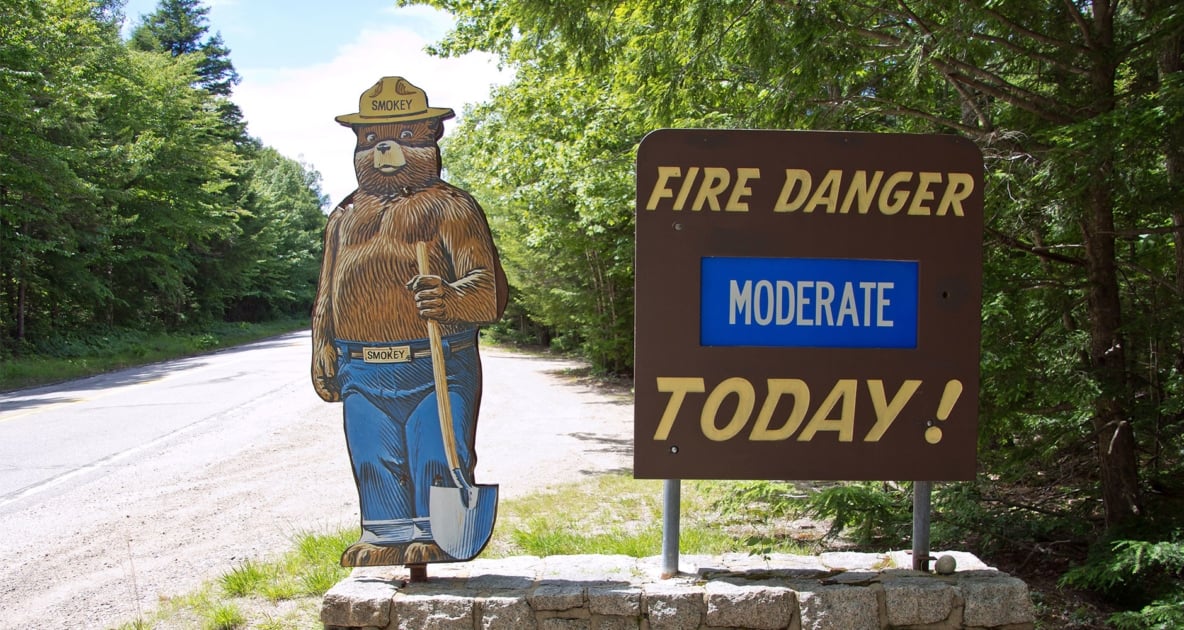
Quick Reference: Smokey Bear
- Created: 1944, on posters for the wartime Cooperative Forest Fire Prevention campaign.
- The real bear: an orphaned cub rescued from a 1950 wildfire in the Capitan Mountains of New Mexico.
- His name: officially “Smokey Bear,” not “Smokey the Bear.”
- His message: “Only you can prevent wildfires.”
- Claim to fame: the face of the longest-running public service ad campaign in the nation’s history.
For nearly eight decades, Smokey Bear has stood watch over America’s forests in his blue jeans and ranger hat, reminding children and grown-ups alike to care for his woodland home. His face has never sold a product or won an election, yet it is one of the most recognized in the country. So how did a poster bear, and later a real orphaned cub, become the furry face of wildfire prevention? Here is the whole story, from a wartime drawing in 1944 to the living legend who was mailed so many letters he earned his own zip code.
Smokey Bear’s Beginnings
Smokey Bear was created by artists for the Cooperative Forest Fire Prevention campaign. He first appeared on posters as a full-grown bear, standing on two legs, wearing blue jeans and a ranger hat.
The campaign was prompted during World War II. In the spring of 1942, following the December attack on Pearl Harbor, Japanese submarines just off the coast of California fired shells that exploded in an oil field near the Los Padres National Forest. Alarmed, Americans feared that wildfires would bring more destruction to the nation. With so many working citizens deployed in the war effort, trained firefighters among them, wildfire prevention became a home-front priority. The U.S. Forest Service, the War Advertising Council, and the Association of State Foresters joined efforts to launch the Cooperative Forest Fire Prevention (CFFP) program to produce educational posters and slogans.
Before Smokey
Before Smokey Bear, there was Bambi. In the popular 1942 Walt Disney animated film, Bambi heightened viewers’ appreciation of the forest and wildlife. The storyline showed how careless actions, such as leaving a campfire unattended, can lead to devastating consequences. Disney allowed the CFFP to use Bambi in their wildfire prevention campaign for one year. After that, it was up to the CFFP to create a new spokes-animal. The new star was born on August 9, 1944.
His look has changed over the years, and the first Smokey Bear was a little bit frightening. His message has shifted only slightly, from “Only you can prevent forest fires” to “Only you can prevent wildfires.” Through it all, Smokey Bear has been the familiar face and voice of the longest-running public service ad campaign in our nation’s history.
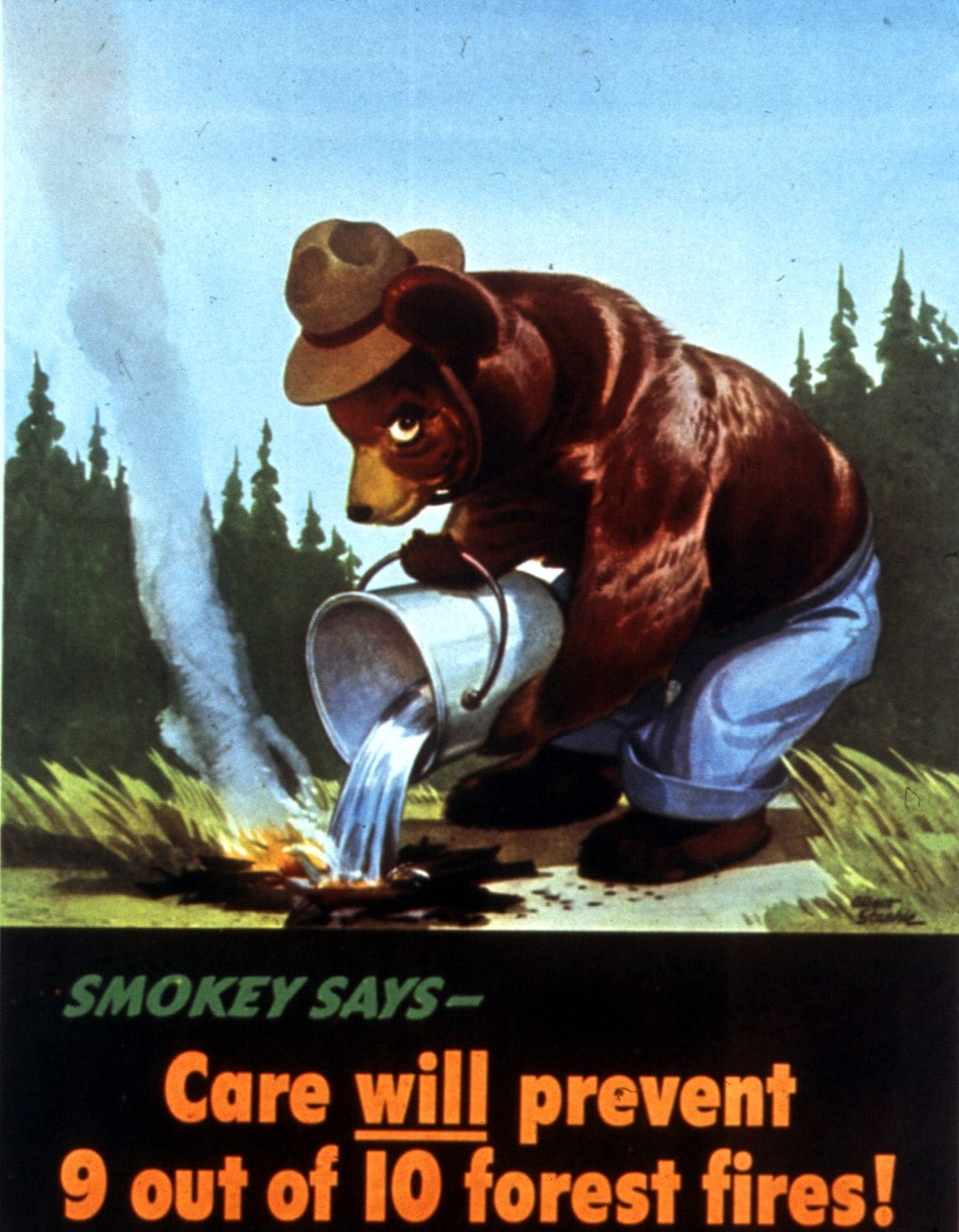
See some of the 75th birthday campaigns using celebrity voiceovers!
Smokey Bear Timeline: From Poster to Living Legend
The bear on the poster and the bear in the zoo are two different stories that eventually became one. Here is how the dates line up.

The Real Story of the Orphaned Bear Cub
In the spring of 1950, fire broke out in the Capitan Mountains of New Mexico. Wild animals ran to escape the flames raging across the forest floor. During the panic, a young cub became separated from his mother. Alone and frightened, the cub climbed a tree and held on tight. Nearby, firefighters fought the blaze but became trapped. They laid face-down on the ground until the flames blew past them. When it was safe to emerge, they found the cub still clinging to a charred tree. He was alive, but his paws and fur were burned.
A firefighter took the cub to Ranger Ray Bell, who often cared for wounded animals. Bell brought the cub to a wildlife vet to have his burns treated, then took him home to recover. Mrs. Bell, the Bells’ four-year-old daughter Judy, and their cocker spaniel, Jet, welcomed the injured cub. He dined on oatmeal and honey and soon recovered from the burns.
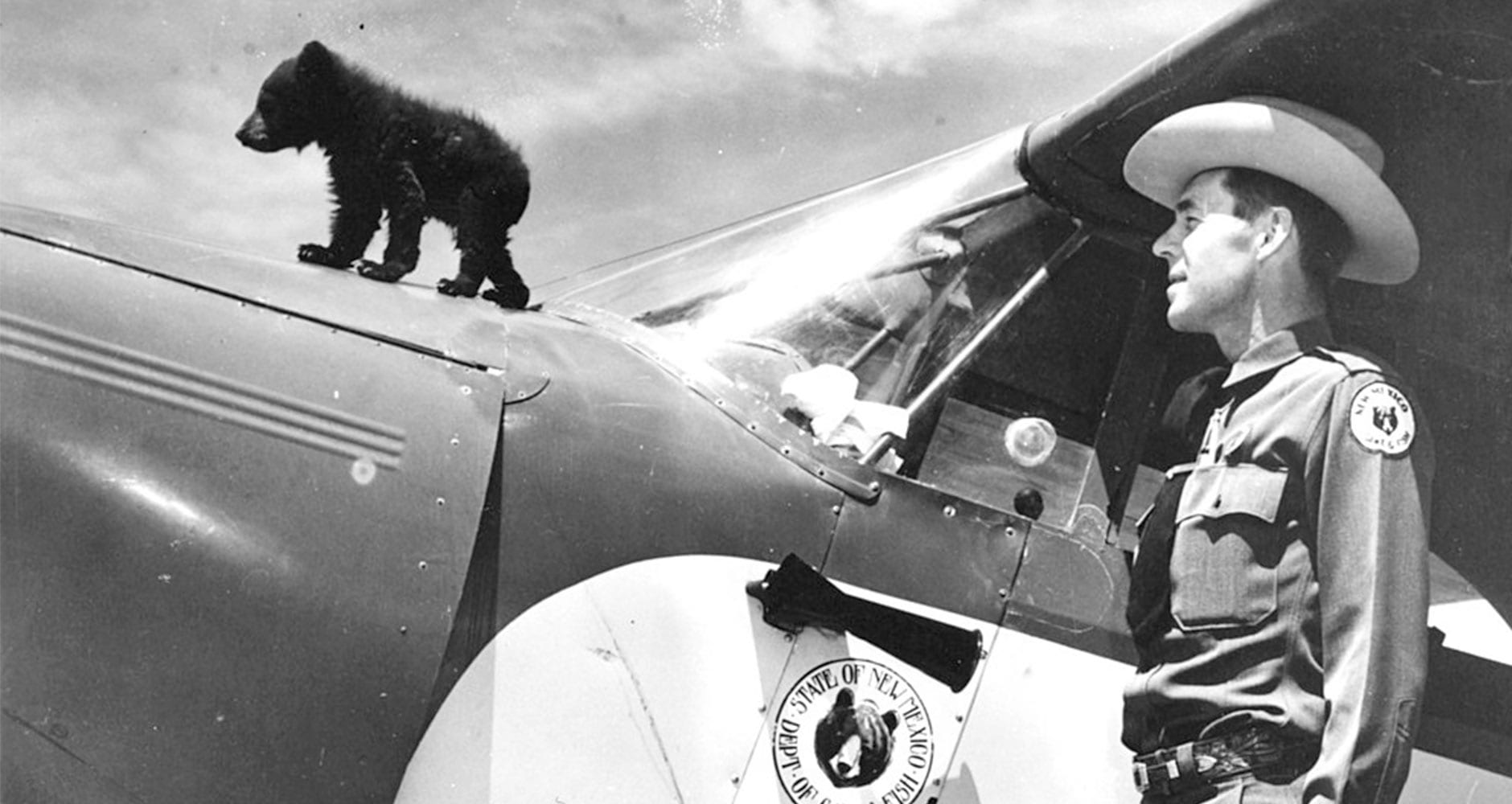
News of the injured cub spread nationwide. What happened to the little bear and his forest home brought to life the importance of preventing wildfires, and the popular cub soon had a new mission. He boarded a plane with his new name painted on it and became the living legend, Smokey Bear. The rescued orphan arrived at the National Zoo in July 1950. He received so many fan letters that the U.S. Post Office gave him his own zip code in 1964. Smokey Bear’s official address is Smokey Bear Headquarters, Washington, DC 20252.
Smokey lived out his life at the zoo for 26 years, dying of old age in 1976. He was returned to Smokey Bear Historical State Park in Capitan, New Mexico, where his grave is marked with a bronze plaque set in a large granite boulder.
Is It “Smokey Bear” or “Smokey the Bear”?
Officially, his name is Smokey Bear. What caused the confusion was a song released about the famous bear in 1952. To keep the rhythm of the tune, the songwriters slipped in an extra word, and Smokey “the” Bear was sung in the lyrics. The middle name stuck with many fans, and folks have been asking about it ever since. If you grew up saying “Smokey the Bear,” you are in good company, but the record books still read Smokey Bear.
Why Wildfire Prevention Still Matters
Smokey’s message has held up for one plain reason: people, not lightning, start most of the wildfires in this country. The National Interagency Fire Center tracks human-caused wildfires separately from lightning-caused ones, and in a typical year the human column is the larger of the two. An unattended campfire, a tossed cigarette, or a spark off a trailer chain can do what a dry lightning strike does, only these fires are the ones we can prevent.
Risk is not spread evenly across the calendar. It climbs through the hot, dry stretch of late summer, the Dog Days, when grass cures to tinder and afternoon winds pick up. Knowing when your region turns hot and dry is half the battle, which is why so many readers check the long-range forecast before planning a burn or a bonfire. Smokey gives you the rule; the calendar helps you time it.
Fire Prevention Tips from Smokey Bear
- Lawn Care Safety. Sparks from lawnmowers and power equipment can start wildfires. Keep flammable objects at least 30 feet away from the home. Be careful on hot, dry days, and get your mechanical equipment checked regularly. Timing your mowing for cooler, calmer days helps too; our Gardening by the Moon Calendar can steer you toward the better days to work outside.
- Vehicle Safety. Be careful driving through or parking on dry grass or brush. Hot exhaust pipes can start fires in the grass, and you may not notice until it is too late. Never let your brake pads wear too thin, because metal on metal makes sparks.
- Campfire Safety. Never leave a campfire unattended. Extinguish all hot coals before leaving a campsite or fire pit. Pour lots of water on the fire and drown all embers, not just the red ones. Keep pouring until the hissing sound stops. If water isn’t available, shovel sand or dirt over the campfire to bury it. As Smokey Bear says, if it’s too hot to touch, it’s too hot to leave.
- Safe Yard Debris Burning. Don’t burn leaves or other natural vegetation when it is windy or during extremely dry conditions. Check local regulations to see if burning is allowed and whether a permit is required. Choose a safe site away from powerlines, overhanging limbs, buildings, vehicles, and equipment. The burning site should be surrounded by dirt or gravel at least 10 feet in all directions. Keep the surrounding area watered down during the burn, and keep a shovel and fire extinguisher close by. Burn barrels should be made entirely of metal and be in good condition, with a metal top screen.
For more fire prevention safety tips, visit Smokey’s official site here.

Smokey Bear: Frequently Asked Questions
Is it “Smokey Bear” or “Smokey the Bear”?
Officially, it is Smokey Bear, with no “the” in the middle. The extra word crept in through a 1952 song, where songwriters added “the” to keep the rhythm of the tune. The nickname stuck with fans, but the U.S. Forest Service and the record books still call him Smokey Bear.
Was Smokey Bear a real bear?
Both. The character came first, drawn for posters in 1944. Then in 1950, firefighters rescued a real orphaned cub from a wildfire in the Capitan Mountains of New Mexico. The cub took on Smokey’s name and mission and lived at the National Zoo, which is how a poster bear and a living bear became one legend.
When was Smokey Bear created?
Smokey Bear was born on August 9, 1944, as the new face of the Cooperative Forest Fire Prevention campaign. The effort grew out of World War II fears that wildfires could damage the home front while many firefighters were away at war. Smokey has since become the face of the longest-running public service ad campaign in the nation’s history.
What is Smokey Bear’s slogan?
His famous line began as “Only you can prevent forest fires” and was later updated to “Only you can prevent wildfires.” Smokey is also known for a plain campfire rule: if it’s too hot to touch, it’s too hot to leave. Drown the embers, stir them, and drown them again before you walk away.
Does Smokey Bear really have his own zip code?
He does. The living Smokey drew so much fan mail at the National Zoo that the U.S. Post Office assigned him his own zip code in 1964. His official address is Smokey Bear Headquarters, Washington, DC 20252, and he still receives letters today.
Are most wildfires really caused by people?
Yes. The National Interagency Fire Center tracks human-caused wildfires apart from lightning-caused ones, and in a typical year people start more of them. That is the good news hiding in Smokey’s message: the fires we cause are also the fires we can prevent, one campfire and one mower spark at a time.


Deborah Tukua
Deborah Tukua is a natural living, healthy lifestyle writer and author of 7 non-fiction books, including Pearls of Garden Wisdom: Time-Saving Tips and Techniques from a Country Home, Pearls of Country Wisdom: Hints from a Small Town on Keeping Garden and Home, and Naturally Sweet Blender Treats. Tukua has been a writer for the Farmers' Almanac since 2004.
- Deborah Tukua

- Deborah Tukua
- Deborah Tukua
- Deborah Tukua




Very interesting story.
Glad you enjoyed it, Ann!