
Native American Names and Legends for the Stars: Big Dipper, Pleiades, Polaris, Milky Way
Native Americans had their own names and legends for the stars to teach lessons and explain the world around them. Read about them here.
Quick Reference: Native American Star Names
- Big Dipper: the Fisher (Ojibwe), a celestial mink whose blood paints autumn leaves red.
- Pleiades: the Boys (Cherokee), or the Dancing Stars; tied to ceremonial year markers.
- Polaris: Fixed Star / North Star (multiple nations); the unmoving guide for travel and ceremony.
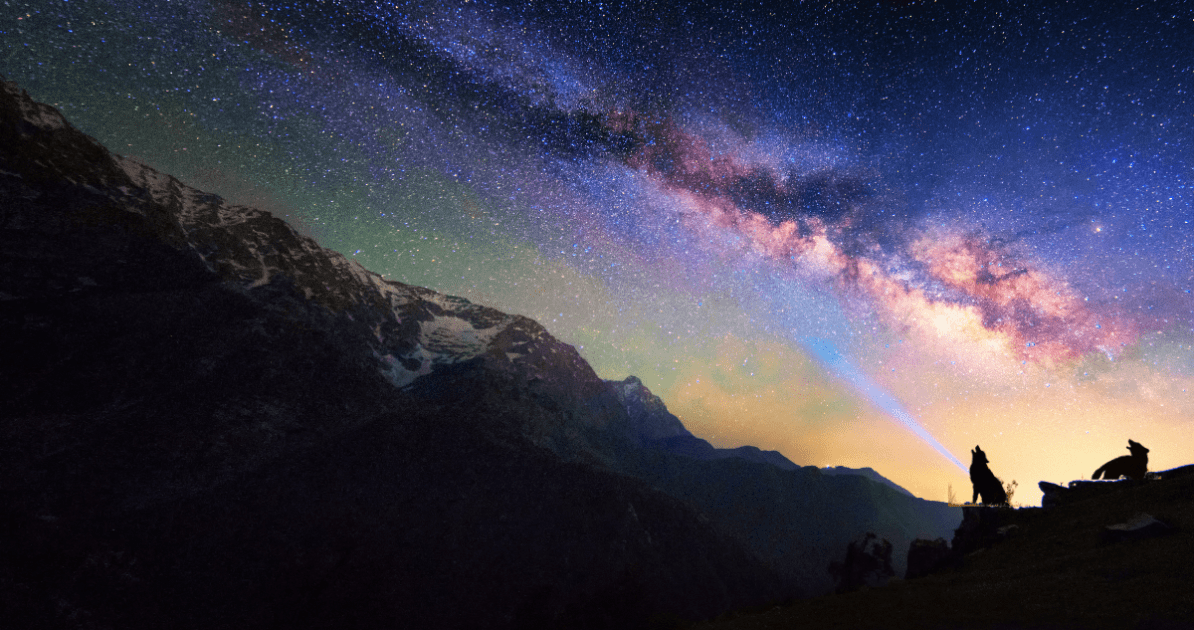
- Milky Way: Wolf Trail (Pawnee, Cheyenne), or the Path of Souls (multiple nations).
- Tool: the Almanac’s 10 brightest stars + Full Moon dates.
On this page
Related Almanac guides
Long before European naming conventions, Indigenous nations across the Americas developed their own sky narratives, each tied to seasonal cycles, ceremony, hunting calendars, and ancestral teaching. Per the Smithsonian National Museum of the American Indian, more than 500 distinct star names and stories survive in active Indigenous astronomy. This guide is the most-cited Native American names and legends for the stars that Western traditions know as the Big Dipper, the Pleiades, Polaris, and the Milky Way, with the nation-specific context that gives each story its weight.
Why These Names Matter (the Function of Sky Narrative)
Per Smithsonian NMAI sky-narrative research and NASA’s indigenous-astronomy education resources, Indigenous star names serve four interconnected functions.
- Seasonal calendar. Star positions mark agricultural and hunting cycles. The first appearance of Pleiades over the horizon traditionally marks planting season in multiple Eastern Woodland nations.
- Ceremonial calendar. Specific stars or asterisms align with ceremonies (Sun Dance, Green Corn, Bear Dance).
- Navigation and travel. Polaris and the Big Dipper guided overland and seafaring travel.
- Cultural memory. Star stories carry ancestral teaching, ethics, and origin narratives across generations.
How Different Nations Read the Same Stars Differently
Indigenous astronomy is not one tradition but hundreds. The same stars often carry different stories.
- Pleiades. Cherokee: seven boys who became stars to escape punishment. Lakota: seven sisters fleeing a bear. Mono: dancing women.
- Orion’s Belt. Multiple nations read as three runners, three hunters, or three brothers.
- Big Dipper. Ojibwe: the Fisher (a celestial mink). Iroquois: hunters chasing a bear.
- Milky Way. Pawnee and Cheyenne: Wolf Trail. Lakota: Path of Souls. Cherokee: where the Dog spilled cornmeal.
- This diversity is the point. Indigenous astronomy is regional, nation-specific, and tied to local ecology and history. Generic ‘Native American’ star lists obscure the depth.
Original Star Legends and Names
Below are the original detailed legends and names from the Almanac’s collection.
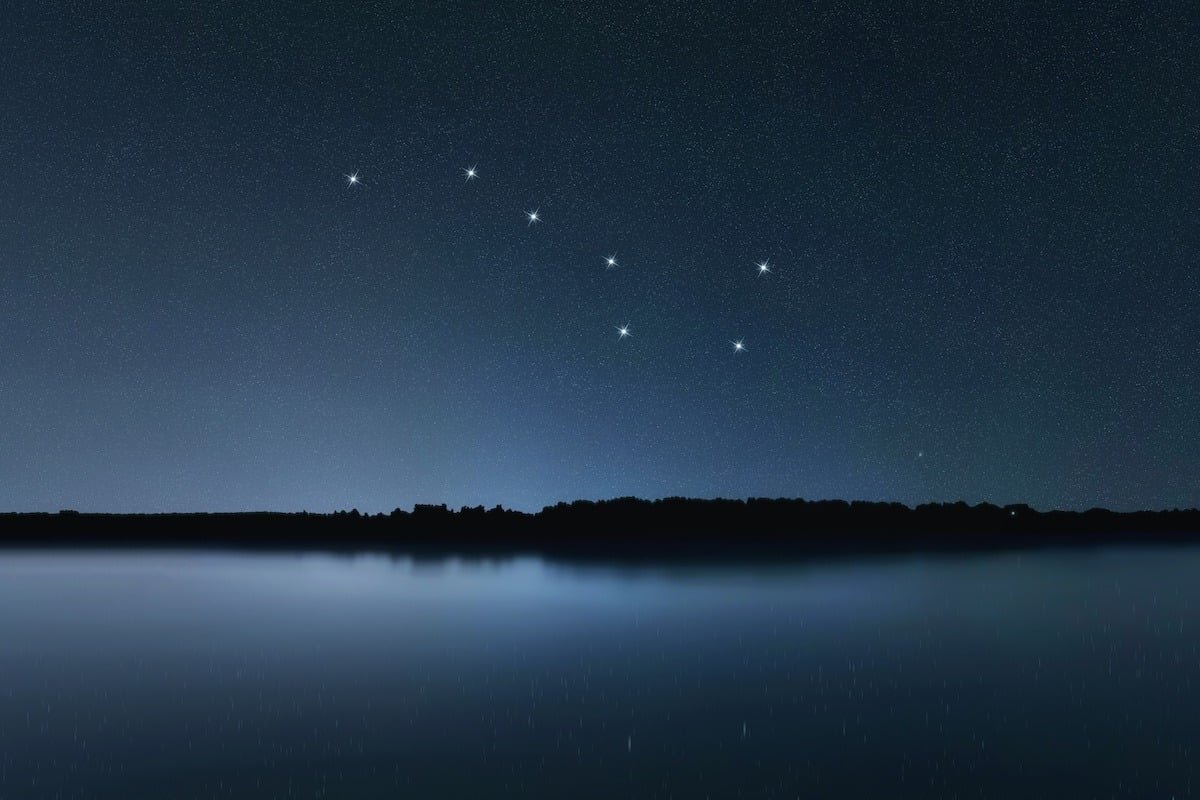
Big Dipper – “Fisher”
The Pleiades – “The Boys”
Polaris – “North Star” or “Fixed Star”
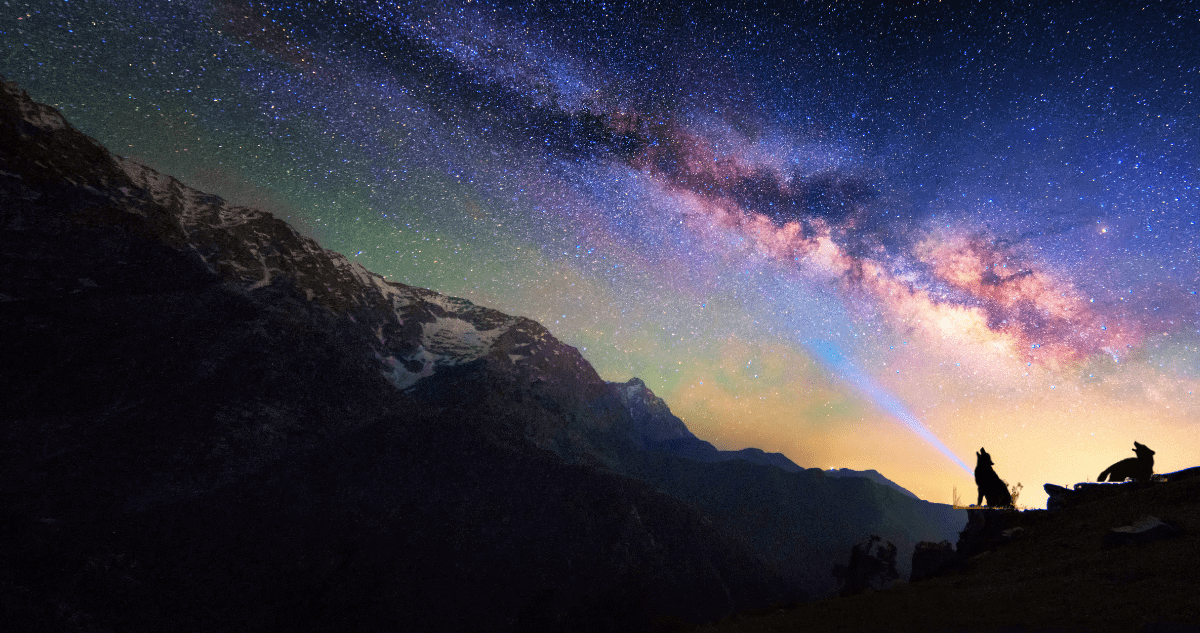
Milky Way – “Wolf Trail”
Other Milky Way Folklore
There are many legends and lore surrounding the Milky Way. Check them out here.

Native American Star Names FAQ
What did Native Americans call the Big Dipper?
Many different names depending on nation. The Ojibwe called it the Fisher (a celestial mink whose blood paints the autumn leaves red). The Iroquois called it three hunters chasing a great bear. The Cherokee called it the Sisters. Almost every Indigenous nation in North America had its own story for this asterism.
What is the Native American name for the Pleiades?
Cherokee call them the Boys (Ani’tsutsa). Lakota call them the Seven Sisters. Mono call them dancing women. The Pleiades’s first heliacal rising in spring traditionally marked planting season for many Eastern Woodland nations and the start of ceremonial cycles for many Plains and Southwest nations.
What is the Wolf Trail?
The Pawnee and Cheyenne name for the Milky Way: the dust kicked up by a great wolf running across the night sky. Other Plains nations and Eastern Woodland nations called the same band the Path of Souls (the route the dead travel to the afterlife).
Did Native Americans recognize Polaris?
Yes. Multiple nations named Polaris (the North Star) and used it for navigation. The Lakota called it Wicahpi Owanjila (Fixed Star). Many nations described it as the central point around which the sky revolves and the place where the bear or the spirits live.
Are these names still in use today?
Yes. Indigenous astronomy is an active living practice. Many nations teach the original star names through tribal cultural programs, Indigenous astronomy curricula, and public outreach. Smithsonian NMAI and several university Indigenous-studies programs maintain ongoing star-knowledge archives.
How can I learn more Native American star stories?
Smithsonian National Museum of the American Indian online collections, NASA’s indigenous-astronomy education page, and the Library of Congress American Folklife Center’s Indigenous astronomy collections are the three most accessible starting points. Local tribal cultural centers often share star teachings during public programs.


Amy Grisak
Amy Grisak is a freelance writer, blogger, and photographer specializing in gardening, local food, and stories about her home state of Montana. She enjoys sharing her experiences with self-reliant living and outdoor recreation. Her article on the "hugelkultur" gardening technique appears in the 2021 Farmers' Almanac. You can follow her topics on her site, AmyGrisak.com.
- Amy Grisak

- Amy Grisak
- Amy Grisak
- Amy Grisak