

Odd Agriculture Alternatives: 4 Weird Crops to Farm

Quick Reference: Four Odd Agriculture Alternatives
- Super-hot peppers: Ed Currie grows the Carolina Reaper, rated 1.6 million Scoville heat units, against the jalapeno’s 3,000.
- Medicinal leeches: their saliva carries the natural anticoagulant hirudin, and the FDA clears them as “medical devices” for limb-reattachment surgery.
- Carnivorous plants: California Carnivores tends 500 varieties of meat-eating flora, from Venus flytraps to pitcher plants and sundews.
- Seaweed: a nutrient-dense ocean crop you can grow on rope lines in as little as 10 acres of leased water.
Some farmers are content milking cows or growing corn and soybeans. But what if you want to try your hand at a more unusual crop or agricultural product? We looked far and wide for the weirdest, wildest, and most trailblazing 21st century options for the nontraditional farmhand. Here is what we found, four alternative crops and creatures that pay the bills in ways most folks never imagine.
Can You Stand The Heat?
Do you want to spice up your agricultural life? Then you can be like Ed Currie, a farmer who devotes his life to growing the hottest chili peppers known to mankind. His Carolina Reaper is considered the hottest pepper variety in the world. This potent pod registers a scorching 1.6 million heat units on the Scoville scale, a measure of the concentration of capsaicin, the compound that makes peppers taste spicy. That figure makes the 3,000 units of heat in the jalapeno seem like nothing.
Through his Rock Hill, South Carolina based company, Puckerbutt Pepper Company, Currie raises 200,000 plants from greenhouse to field. Some 20 workers pick the peppers by hand and deliver them to a processing facility where they are converted to a pepper mash and then used in a variety of products. The farm sources peppers for many hot sauce manufacturers and sells packs of 10 to 12 seeds for $7 apiece to anyone who would dare to start growing their own.
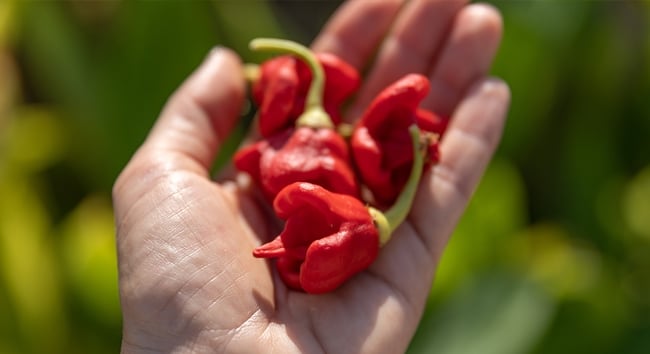
In 2013, Currie crossbred a super-hot Caribbean pepper with a Naga pepper from Pakistan to create the Reaper, and since that time he has held the Guinness World Record for the hottest pepper. Despite that achievement, Currie is ever striving to concoct new varieties. If the Reaper sounds like more than you can handle in your own garden, start with a milder chili and a good calendar. Our Gardening by the Moon Calendar shows the Best Days to set out peppers and other above-ground crops, region by region.
Breeding Bloodsuckers
You thought leech therapy was oh so 19th century? Well, guess again. While bloodletting is no longer considered a cure for a wide variety of ailments, medical researchers are developing new uses for the wiggly little bloodsuckers, and the US Food and Drug Administration now allows companies to market them as “medical devices.” The saliva of leeches contains a natural anticoagulant called hirudin. This relative of the earthworm can be used to encourage blood flow in damaged human tissue, and as a result, leeches are commonly used in limb-reattachment procedures.
Medical revelations regarding leeches have led to a niche interest in leech farming, though only one operation, Biopharm, based in Wales, currently corners the market in lucrative medical-grade leech production. That is probably because farming leeches is a lot more complicated than you might expect. The leeches are grown in a climate-controlled, sterile tank, and the process as a whole takes three to four years. They are alternately fed sheep’s blood in a sausage casing for six months and then starved for six months, to be carefully shipped good and hungry to the end user.
A US-based company called Leeches USA sells medicinal leeches for about $18 each. But the leeches can only be used once on one patient and then must be discarded as biohazard material to prevent blood from one patient being transferred to another.

Feed Me, Seymour
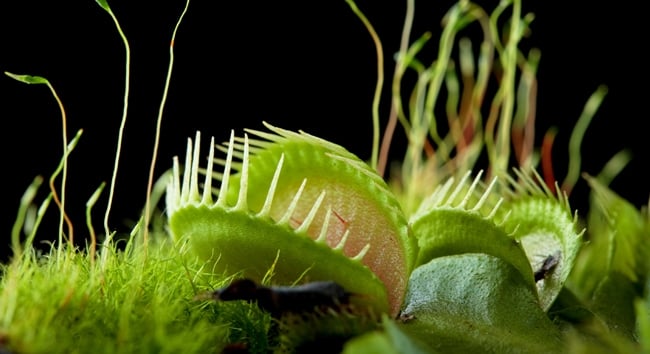
Like the giant killer plant you may remember from Little Shop of Horrors, futuristic farmer Peter D’Amato envisioned a landscape full of beautiful, flesh-eating flora and made his dream come true with his plant farm named California Carnivores. In a rural area north of San Francisco, D’Amato’s team of botanists tend to 500 varieties of meat-eating plants that will devour everything from the tiniest gnat to small rodents.
D’Amato started the plant farm in 1989 and has devoted nearly 50 years to the study and hybridization of carnivorous plants as cofounder of the Bay Area Carnivorous Plant Society. What is more, he is happy to help you develop a green thumb with these bug-eaters, having published the popular book The Savage Garden: Cultivating Carnivorous Plants.
And you, too, can join in the twisted farming fun by buying and growing your own predatory plants.
Everyone knows about the Venus flytrap, native only to the US Carolinas, which snaps its toothy jaws around unsuspecting prey. Or the American pitcher plant, which lures victims to a terrible death in a fount of gooey poison. And do not forget the sundew plant that rolls its sticky tentacles around insects and extracts the life out of them. It is creepy and fascinating to see them at work, the only plants you can watch move on their own. If carnivores feel like a tall order, you can ease into container growing with our guide to container gardening.
Underwater Bounty
Seaweed promises to be a miracle crop that will have many agriculture entrepreneurs casting their gaze to the ocean as a new farming frontier. Cultivating the wavy green strands of plant material is relatively easy and inexpensive and can be done using a very small area of water. Even just 10 acres could yield a good profit. Seaweed is farmed worldwide, with farmers on both US coasts leasing the waters from local, state, or federal governments and growing the weeds on long rope lines suspended underwater. The lines need regular tending, but within a matter of a few months, seaweed grows to several feet long and is harvested.
Seaweed is said to be one of the most nutrient-dense food sources available. Various types, such as dulse, bull kelp, ribbon kelp, and sugar kelp, are used in many food products, including sushi, salsas, and salads. As a foodstuff, seaweed includes antioxidants, omega-3 fatty acids, iron, calcium, and iodine. Beyond just food products, experts say the plants can be used to make clothing, alternative plastic packaging, biodegradable bottles, animal feed, soil input, and pharmaceuticals. NOAA Fisheries notes that seaweed aquaculture is one of the fastest-growing parts of US ocean farming, and you can read its overview of seaweed aquaculture for the regulatory side.
Which Alternative Crop Fits You?
These four ventures ask for very different ground, gear, and patience. Here is a quick side-by-side so you can see where you might fit before you commit a season to it.

Odd Agriculture Alternatives: Frequently Asked Questions
What is the hottest pepper you can farm?
The Carolina Reaper, bred by Ed Currie of the Puckerbutt Pepper Company in Rock Hill, South Carolina, is considered the hottest pepper variety in the world. It registers 1.6 million heat units on the Scoville scale, compared with about 3,000 for a jalapeno. Currie created it in 2013 by crossing a super-hot Caribbean pepper with a Naga pepper from Pakistan, and he has held the Guinness World Record for it ever since.
Why do hospitals still use leeches?
Leech saliva contains a natural anticoagulant called hirudin that encourages blood flow in damaged tissue, which is why leeches are commonly used in limb-reattachment procedures. The US Food and Drug Administration allows companies to market medicinal leeches as “medical devices.” Each leech can be used only once on a single patient, then must be discarded as biohazard material.
How long does it take to farm medicinal leeches?
About three to four years. The leeches are raised in a climate-controlled, sterile tank and are alternately fed sheep’s blood in a sausage casing for six months and then starved for six months before being shipped hungry to the end user. Biopharm in Wales currently corners the market in medical-grade leech production, and Leeches USA sells medicinal leeches for about $18 each.
Can you really grow carnivorous plants as a business?
Yes. Peter D’Amato started California Carnivores north of San Francisco in 1989, and his team tends 500 varieties of meat-eating plants that eat everything from gnats to small rodents. Familiar kinds include the Venus flytrap, native only to the US Carolinas, the American pitcher plant, and the sundew. D’Amato, a cofounder of the Bay Area Carnivorous Plant Society, even wrote a guide, The Savage Garden: Cultivating Carnivorous Plants.
Is seaweed farming profitable for small operators?
It can be. Seaweed is relatively easy and inexpensive to cultivate, and even about 10 acres of leased water can yield a good profit. Farmers on both US coasts grow it on long rope lines suspended underwater, and it reaches several feet long within a few months. Beyond food, seaweed is used for clothing, alternative plastic packaging, biodegradable bottles, animal feed, soil input, and pharmaceuticals.
Is seaweed actually good for you?
Seaweed is said to be one of the most nutrient-dense food sources available. Types such as dulse, bull kelp, ribbon kelp, and sugar kelp turn up in sushi, salsas, and salads, and they supply antioxidants, omega-3 fatty acids, iron, calcium, and iodine. That nutrient profile is part of why so many growers see it as a crop worth the rope lines.
Join The Discussion!
Do you like hot sauce or hot peppers?
How about seaweed?
Have you ever owned a Venus flytrap before?
What alternative agricultural product interests you most? If a more familiar crop is calling, our guides to growing your own potatoes and companion planting will get you started on solid ground.
Let us know in the comments below. We are looking forward to hearing from you.


Jim Kneiszel
Jim Kneiszel is a freelance writer based in De Pere, Wisconsin. He edits a number of trade publications and runs The Word House with his wife, Judy. His article, Infuriating and Frightening Invasive Species appears in the 2021 Farmers' Almanac.
- Jim Kneiszel

- Jim Kneiszel
- Jim Kneiszel
- Jim Kneiszel





I would love to farm but only have 1 acre. Any small farming ideas?
This was really interesting! I didn’t know you could use seaweed as an alternative plastic. It didn’t say if it was more biodegradable than current plastics, but I am hoping so. We need to stop/reduce plastic production. Thanks for a great article.
Great article, thank you! I regularly eat seaweed, love it.
I love to try my hands on growing the hottest pepper here in London. I do my peppers on my windows as peppers do not seem to like the cold outdoor of our allotments. It will be most exciting. How can I get some seeds for next season?
Daniel
Hi Daniel,
We do list the farm’s web site – https://puckerbuttpeppercompany.com/ – not sure if he sells his seeds or can ship to London, but you may want to contact them.
It would be super to find a plant which will eat those large roaches politely called “palmetto” bugs!
Now that would be a successful farming project!
I love it, new thinking, new visions,