What Is a Cornucopia? The Greek Myth, the Thanksgiving Symbol, and How to Make One
Quick Reference: Cornucopia
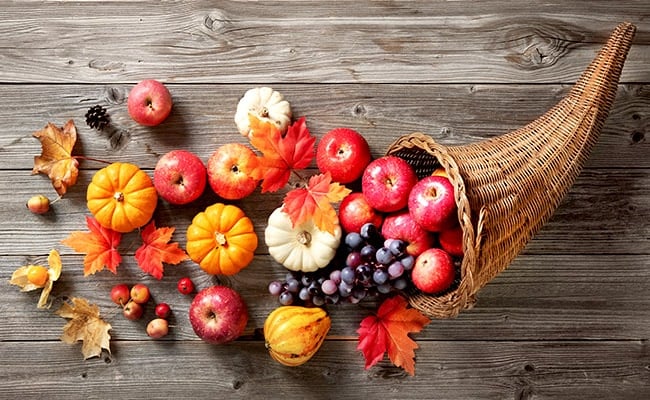
- What it is: a curved horn-shaped basket overflowing with fruit, vegetables, grains, and flowers. The ‘horn of plenty.’
- Origin: Greek mythology. Zeus broke off a horn of the goat Amalthea (who nursed him as an infant); the horn produced endless food.
- Modern use: Thanksgiving centerpiece, harvest festival decoration.
- Symbolism: abundance, harvest, gratitude, plenty.
- Easy DIY: woven wicker horn shape + seasonal produce.
On this page
Related Almanac guides
Sources cited in this guide
The cornucopia (Latin for ‘horn of plenty’) is one of the oldest symbols of abundance in Western culture, traced to a Greek myth from over 2,500 years ago. It became central to American Thanksgiving in the 19th century and remains the most-used harvest centerpiece today. This guide is the Zeus origin story, the symbolism, and three ways to make a cornucopia centerpiece at home for Thanksgiving or any harvest celebration.
The Greek Origin Story: Zeus and Amalthea
Per Britannica’s cornucopia entry and Greek mythology sources.
- The myth. Infant Zeus was hidden from his father Cronus and nursed by Amalthea, sometimes described as a goat, sometimes as a nymph who owned a goat.
- The horn. While playing, Zeus accidentally broke off one of Amalthea’s horns.
- The gift. Zeus blessed the horn so it would produce an endless supply of whatever its owner wished for.
- The symbolic transfer. The horn-of-plenty image was used across Greek, then Roman art, eventually becoming a Western iconographic symbol of agriculture, abundance, and harvest.
- How it reached America. European colonists brought the symbol; it became central to the American Thanksgiving harvest tradition in the 19th century.
How to Make a Cornucopia (3 Approaches)
From simplest to most elaborate.
- Wicker cornucopia (easiest). Buy a pre-made woven wicker cornucopia (craft store, $10 to $25). Fill with seasonal produce: gourds, mini pumpkins, apples, pears, grapes, walnuts. Add a few autumn leaves and sprays of wheat.
- Bread cornucopia (most-impressive centerpiece). Roll out yeast dough, wrap around a foil cone, bake hollow. Cool. Fill with produce. Edible centerpiece. The bread is for show, not eating, after sitting out.
- Construction-paper cornucopia (kid-friendly). Roll brown construction paper into a cone, twist into a curved shape. Fill with paper or felt produce. Great for classroom Thanksgiving projects.
Cornucopia: Alternatives and How-To (Detail)
Below are the original sections covering alternative cornucopia suggestions and DIY notes.
Alternative Cornucopia Suggestions
There are even more ways to be creative with a cornucopia.
- Design a themed centerpiece, filling the basket with succulents or cacti for a desert setting, or seashells for a beach theme.
- For even more abundance, consider a fully edible cornucopia by crafting the horn of plenty itself from bread or cake, or use waffle cones as individually edible cornucopias filled with treats.
With so many options and a history as abundant as the horn represents, a creative cornucopia has a place in any Thanksgiving celebration.
Cornucopia FAQ
What does a cornucopia symbolize?
Abundance, harvest, gratitude, and plenty. The horn-of-plenty symbol has been used in Western art and culture for over 2,500 years across Greek, Roman, and European agricultural traditions. American Thanksgiving uses it as the central harvest symbol.
Where does the word cornucopia come from?
Latin: cornu (horn) + copia (abundance). Literally ‘horn of plenty.’ The phrase was used in Roman art and writing to describe the same symbol introduced by the Greek myth of Zeus and Amalthea’s broken horn.
Why is the cornucopia associated with Thanksgiving?
European colonists brought the symbol from European harvest festival traditions. American Thanksgiving consolidated as a national holiday in the 19th century, and the cornucopia became the dominant visual representation of harvest abundance. By the late 1800s it was standard in Thanksgiving illustrations, place cards, and table decorations.
How do you make a cornucopia centerpiece?
Easiest: buy a pre-made woven wicker cornucopia from a craft store ($10 to $25) and fill with seasonal produce (mini pumpkins, gourds, apples, pears, grapes, walnuts, autumn leaves, wheat sprays). Most-impressive: bake a bread cornucopia around a foil cone.
What do you put in a cornucopia?
Seasonal produce: small pumpkins, gourds, apples, pears, grapes, pomegranates, walnuts, chestnuts, autumn leaves, wheat sprays, dried corn, mini squash. Color and texture variety matters more than specific items.


Melissa Mayntz
Melissa Mayntz is a writer who specializes in birds and birding, though her work spans a wide range—from folklore to healthy living. Her first book, Migration: Exploring the Remarkable Journeys of Birds was published in 2020. Mayntz also writes for National Wildlife Magazine and The Spruce. Find her at MelissaMayntz.com.
- Melissa Mayntz

- Melissa Mayntz
- Melissa Mayntz
- Melissa Mayntz