

White Buffalo Calf Woman: The Legend and Its Meaning
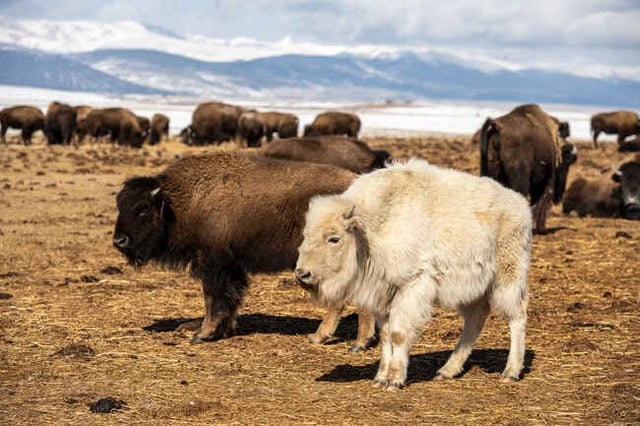
Quick Reference: The White Buffalo
- Whose legend: the Lakota, Dakota, and Nakota Sioux. The story of White Buffalo Calf Woman is held as the most spiritually significant.
- What she brought: the sacred White Buffalo Calf pipe, the “chanupa,” and seven sacred ceremonies for prayer.
- What a white buffalo means: a sign that prayers are heard, and a promise that harmony will return.
- Recent sign: a white buffalo calf was born in Yellowstone National Park on June 4, 2024.
- Buffalo or bison: scientifically it is the American bison. Many tribes use “buffalo,” in Lakota “tatanka.”
The white buffalo is one of the most deeply revered figures in Native American tradition, and for the Lakota, Dakota, and Nakota Sioux it carries a weight few symbols can match. The best known account is the story of White Buffalo Calf Woman, a sacred messenger who many Native Americans regard as the most spiritually significant legend of all. This is her story, told with care, along with what a white buffalo means today and why a calf born in Yellowstone in the summer of 2024 drew prayers and visitors from across the continent.
The legend has been passed down through generations by oral tradition and is also recorded in many sources on Native American spirituality. Prominent spiritual leaders, among them Chief Arvol Looking Horse, have spoken at length about the meaning of this legend and the importance of the white buffalo in our own time.
On June 4, 2024, a white buffalo calf was born in Yellowstone National Park, which many Native American and Indigenous peoples of North America took as a special omen. To honor that rare event, Farmers’ Almanac named June’s full Moon, which occurred on June 21, 2024 at 9:08 p.m. EDT, the “White Buffalo Moon.”
The Legend of White Buffalo Calf Woman
In the Lakota tradition, a time of hardship struck the people. Their chief, desperate to find food, sent two scouts out on a vital mission. On their travels, the scouts spotted a mysterious figure in the distance. It turned out to be a beautiful woman, though something about her felt otherworldly. One scout, blinded by desire, ignored his cautious companion and approached her. A swift punishment followed, and the man vanished.
Shaken but wiser, the other scout approached with respect. To his surprise, she revealed herself as a sacred being, known as a “wakan.” She entrusted him with a message: return to his people and announce her arrival.
When White Buffalo Calf Woman appeared, she did not come empty-handed. She brought the most sacred object imaginable, the White Buffalo Calf pipe, a “chanupa.” This was no ordinary gift. It came with knowledge. She taught the people seven sacred ways to pray, a foundation for their spiritual connection. These ceremonies include:
- The Sweat Lodge: A purification ritual for cleansing body and spirit.
- The Naming Ceremony: A celebration to welcome a child and bestow their new identity.
- The Healing Ceremony: A practice to restore health and balance to the physical, mental, and spiritual aspects of a person.
- The Adoption Ceremony: A formalization of kinship, creating a new family bond.
- The Marriage Ceremony: A sacred union that joins individuals together.
- The Vision Quest: A solitary journey to seek guidance, answers, and a deeper connection with the Creator.
- The Sundance Ceremony: A powerful prayer for the collective well-being of the Lakota people.
The teachings were only part of the visit. White Buffalo Calf Woman also promised a return, a time when harmony and spirituality would be restored to a world that had lost its way. With a final act of wonder, she rolled on the ground four times, each time changing color. In a dazzling transformation, she became a white buffalo calf and disappeared.
As she left, the Lakota people found themselves surrounded by a gift, vast herds of buffalo. The birth of a white buffalo calf has ever since been a powerful sign, a confirmation that prayers are heard and that the promises of White Buffalo Calf Woman hold true.
Any Symbolic Connections With Christianity?
The white buffalo is rooted first and foremost in Native American spirituality. Even so, some people draw connections between a white buffalo sighting and elements of other religious traditions, including Christianity. In Christianity, white is often tied to purity, holiness, and the presence of God. The birth of a white buffalo, seen as a miraculous and pure event, can echo Christian themes of divine intervention and purity. Some people compare the birth of a white buffalo with the birth of Jesus Christ, as reported by the Associated Press, both viewed as miraculous events that herald a new era of spiritual meaning, hope, and the fulfillment of prophecy.
White Buffalo Calf Woman brought sacred teachings and rituals to the Lakota people, much as Jesus is described as bringing teachings and a new covenant in Christianity. Her emphasis on living in harmony, keeping peace, and caring for the earth invites comparison with Jesus’ teachings on love, compassion, and stewardship of God’s creation.
How About Other Religions and Belief Systems?
- In Hinduism, white animals such as the white elephant are considered sacred and lucky, often associated with gods and divine occurrences.
- In Buddhism, the white elephant is linked to the birth of Siddhartha Gautama, who later became the Buddha, signifying purity and spiritual enlightenment.
- The appearance of a white buffalo can be read as a universal symbol of unity and a call for interfaith understanding and respect. Many people interpret such rare events as signs of a need for greater spiritual harmony among different traditions.
- Some interfaith movements use symbols like the white buffalo to promote peace, understanding, and shared spiritual values across cultures and religions.
Is a White Buffalo an Albino Buffalo?
No. A white buffalo can result from a variety of genetic mutations that affect pigmentation, but it is not albino. The white coloring is often due to leucism, a condition marked by reduced pigmentation in the skin and hair but not in the eyes. White buffalo typically have normal-colored eyes, hooves, and skin. They may have dark eyes, black noses, and dark hooves. The fur is white or cream-colored, while other parts of their appearance remain typical of buffalo. White buffalo are rare and occur naturally.
Albinism, on the other hand, is a genetic condition caused by the absence of melanin, the pigment that gives color to skin, hair, and eyes. It results from mutations in genes involved in melanin production. Albino buffalo show a complete lack of pigmentation, with white hair, pale skin, and pink or light blue eyes. The eyes look pink because blood vessels are visible in the absence of pigment.
Buffalo or Bison: Which Is the Correct Term?
The calf born on June 4, 2024 in Yellowstone is a white American bison, not a buffalo. However, the term “buffalo” is widely used among Native American and Indigenous peoples to refer to the American bison. That usage has deep historical and cultural roots, and despite the scientific distinction between bison and buffalo, “buffalo” remains broadly accepted and understood in these communities. Yellowstone is home to the largest wild bison population in the country, and the National Park Service notes that the park’s herds have lived there since prehistoric times.
Early European settlers in North America called the animals they encountered “buffalo” because the animals reminded them of the buffalo species, African and Asian, that they already knew. The name stuck across the centuries. It was adopted into the vernacular of many Native American tribes through contact with settlers and has since been woven into cultural traditions and language. Learn more about the difference between buffalo and bison from the Smithsonian’s National Zoo.
The American bison, or “buffalo,” holds profound spiritual and cultural significance for many Native American tribes, no matter its color. It is a symbol of abundance, strength, and survival, and it plays a central role in many ceremonies and stories.
Tribes such as the Lakota, Dakota, and Nakota often use the term “buffalo” in their languages and cultural references. In the Lakota language, for example, the word for buffalo is “tatanka.”
Today the term “buffalo” is still in common use among many Native American tribes, conservation organizations, and in popular culture for the American bison. It is part of the cultural identity and heritage of the tribes that traditionally relied on the buffalo for food, clothing, and tools. While scientists and wildlife professionals use “bison” to keep the taxonomy accurate, “buffalo” remains the everyday word in cultural settings.
The White Buffalo and the Full Moon
The Almanac has long tracked the full Moons by the names that mark the season, and 2024 added a new one. After the calf was born in Yellowstone on June 4, 2024, Farmers’ Almanac named that June’s full Moon the “White Buffalo Moon,” which reached its peak on June 21, 2024 at 9:08 p.m. EDT. Naming a Moon for a living sign is in keeping with a long tradition of tying the lunar calendar to the events on the ground, from the Wolf Moon of January to the Harvest Moon of fall.
You can read more about how Farmers’ Almanac named June’s full Moon the White Buffalo Moon in 2024. If you like to mark the full Moon yourself, our guide to full Moon rituals and self-care offers gentle, grounded ways to do it. To time your own plans by the Moon through the year, the Best Days Calendar lists the favorable days, month by month.

The White Buffalo: Frequently Asked Questions
Who is White Buffalo Calf Woman?
White Buffalo Calf Woman is a sacred messenger in the tradition of the Lakota, Dakota, and Nakota Sioux. The legend says she appeared during a time of hardship, brought the sacred White Buffalo Calf pipe, the “chanupa,” and taught the people seven sacred ceremonies before rolling on the ground four times and turning into a white buffalo calf as she departed.
What do the seven sacred ceremonies include?
White Buffalo Calf Woman taught seven sacred ways to pray: the Sweat Lodge, the Naming Ceremony, the Healing Ceremony, the Adoption Ceremony, the Marriage Ceremony, the Vision Quest, and the Sundance Ceremony. Together they form a foundation for the spiritual life of the Lakota people.
What does the birth of a white buffalo mean?
For many Native Americans, the birth of a white buffalo calf is a powerful sign that prayers are heard and that the promises of White Buffalo Calf Woman hold true. It is read as a call to restore harmony and to live in balance with one another and the earth. The calf born in Yellowstone on June 4, 2024 was welcomed in this spirit.
Is a white buffalo the same as an albino buffalo?
No. A white buffalo is usually not albino. The white coat often comes from leucism, which reduces pigment in the skin and hair but not the eyes, so the animal typically has dark eyes, a black nose, and dark hooves. An albino buffalo lacks melanin entirely and has pale skin with pink or light blue eyes.
Should I say buffalo or bison?
Scientifically the animal is the American bison, and that is the term wildlife professionals use. Many Native American and Indigenous peoples use “buffalo,” a usage with deep cultural roots. In the Lakota language the word is “tatanka.” Both terms are widely understood, so the right choice depends on the setting.
Why did Farmers’ Almanac name a full Moon the White Buffalo Moon?
After a white buffalo calf was born in Yellowstone on June 4, 2024, Farmers’ Almanac named that June’s full Moon the “White Buffalo Moon” to honor the rare event. The Moon reached its peak on June 21, 2024 at 9:08 p.m. EDT.


This article was published by the Staff at FarmersAlmanac.com. Any questions? Contact us at questions@farmersalmananac.com.
- Farmers' Almanac Staff

- Farmers' Almanac Staff
- Farmers' Almanac Staff
- Farmers' Almanac Staff





I am the white buffalo calf woman and I am white, do not over think this just see it. I want my pouch, Chief Arvol Looking Horse.
Very interesting article. It’s the first time I have read it. I had heard of the “White Buffalo Woman” but had never learned as much as I did today.
Thanks for sharing this story.
There was also a White Buffalo Calf born this spring in the heard that is kept by Fort Hays State University in Hays, Kansas, near historical Fort Hays. Information about it can be found on the Hays Post website.
Hi Michael! We are glad to hear that you enjoyed the article. Thank you for sharing what you know as well!
How many white buffalo or bison have been born since the legand began and when was the last one born?
Hi Brandi, Naturally born white buffalo and bison are rare. However, according to the US National Bison Association, there are no definitive records. Read more about it here – https://bisoncentral.com/the-white-bison-of-today/