Fall Pruning Guide: What NOT to Cut Before Winter
Forsythia Those brilliant yellow flowers that announce the arrival of spring are another classic example of blooms produced on old wood. By fall, next year's flower buds have already formed. A neat-looking October pruning could result in a much less impressive display the following spring. Best time to prune: Soon after flowering. The same basic rule applies to many spring-flowering shrubs: enjoy the flowers first, prune afterward.

As leaves begin to fall and the garden starts looking a little untidy, it’s tempting to grab the pruning shears and give everything one final trim before winter.
But for many trees and shrubs, fall is actually one of the worst times to prune.
Pruning too late in the season can remove next spring’s flower buds, encourage tender new growth just before freezing weather arrives, or leave plants unnecessarily stressed heading into winter.
So when should you make your last cuts of the year—and what should you leave completely alone?
Here’s what gardeners should know before doing any late-season pruning.
Should You Prune in the Fall?
For most homeowners, fall should not be the major pruning season.
Dead, broken, hazardous, or obviously diseased branches can often be removed when necessary. But major shaping and heavy pruning are usually better saved for the appropriate season for each particular plant.
For many deciduous trees and summer-flowering shrubs, that means late winter or very early spring, while the plant is dormant.
For shrubs that flower in spring, however, the best pruning time is generally soon after they finish blooming.
That distinction matters because pruning at the wrong time can mean accidentally cutting off an entire year’s worth of flowers.
The University of Minnesota Extension’s guide to pruning trees and shrubs recommends considering both the species and its flowering habits before deciding when to prune.
You can also check the Farmers’ Almanac Gardening Calendar for seasonal gardening chores and timing throughout the year.
Why Fall Pruning Can Cause Problems
There are two especially important reasons to be cautious with those pruning shears in autumn.
1. You May Encourage New Growth Before Winter
Pruning doesn’t just remove branches. It can influence how a plant grows afterward.
During the growing season, that can be useful.
Late in the season, however, you generally don’t want to encourage tender growth just before freezing weather arrives.
Fresh shoots may not have enough time to fully harden before cold temperatures set in, leaving them vulnerable to winter injury.
That’s why gardeners should think about temperature and frost as well as the calendar. Our guide to frost temperatures and outdoor plants explains the difference between frost, light freezes, moderate freezes, and severe freezes—and how plants respond.
2. You May Be Cutting Off Next Spring’s Flowers
This is perhaps the biggest fall-pruning mistake.
Many of the shrubs that produce spectacular flowers in early spring have already formed their flower buds months before winter arrives.
Those buds sit on what gardeners call old wood—stems produced during the previous growing season.
Cut those stems off in October or November and you may unknowingly remove next spring’s flowers.
What NOT to Prune in Fall
Before you start trimming your landscape for winter, take an especially close look at these plants.
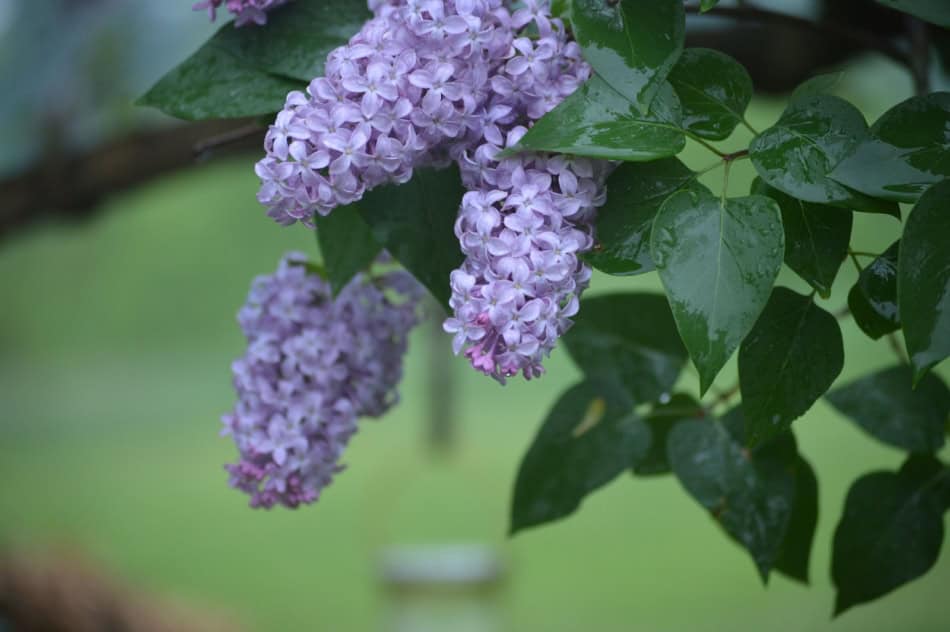
Lilacs
Leave them alone.
Lilacs bloom on old wood, meaning the plant produces its spring flowers from buds formed during the previous growing season.
By fall, those buds are already there.
Pruning a lilac in autumn or winter may therefore remove many of the branches that would have flowered next spring.
Best time to prune: Shortly after flowering has finished.
Our complete guide to growing and pruning lilacs explains why late pruning is one of the most common reasons otherwise healthy lilac bushes stop blooming.
Azaleas and Rhododendrons
Azaleas and rhododendrons also form flower buds well before winter.
Heavy fall pruning can remove those buds before they ever have a chance to open.
The Penn State Extension guide to pruning flowering shrubs recommends timing pruning around whether shrubs bloom on old wood or new growth.
Best time to prune: Generally after flowering.
Magnolias
Look closely at a magnolia in fall or winter and you may notice large fuzzy buds sitting along its branches.
Those aren’t just part of the winter landscape.
They’re next spring’s flowers waiting to open.
Heavy pruning in fall can remove them.
Best time to prune: Usually after flowering, and only when pruning is actually necessary.
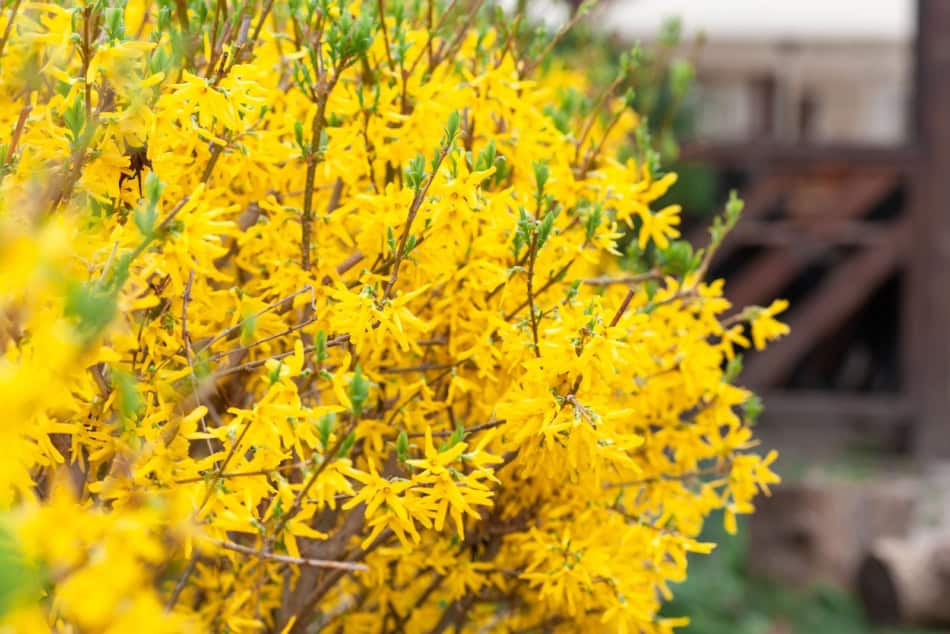
Forsythia
Those brilliant yellow flowers that announce the arrival of spring are another classic example of blooms produced on old wood.
By fall, next year’s flower buds have already formed.
A neat-looking October pruning could result in a much less impressive display the following spring.
Best time to prune: Soon after flowering.
The same basic rule applies to many spring-flowering shrubs: enjoy the flowers first, prune afterward.
Viburnums
Many viburnums bloom in spring on growth produced during the previous year.
Fall pruning can therefore sacrifice the following spring’s flowers.
Best time to prune: After blooming.
Bigleaf Hydrangeas
This is where pruning can get especially confusing.
Not all hydrangeas should be treated the same way.
Traditional bigleaf hydrangeas (Hydrangea macrophylla) generally produce flowers on old wood. By fall, many of next year’s flower buds are already present.
Cut them back heavily and you may wonder the following summer why your beautiful green shrub has no flowers.
In fact, incorrect pruning is one of the most common explanations for a hydrangea that won’t bloom.
Best advice: If you don’t know which type of hydrangea you have, don’t start cutting until you identify it.
Oakleaf Hydrangeas
Oakleaf hydrangeas (Hydrangea quercifolia) also generally bloom on old wood.
Avoid giving them a hard fall pruning.
Besides protecting their future flowers, leaving the dried flower heads and peeling stems in place can provide attractive winter interest.
Spring-Flowering Spirea
Spring-flowering spireas should also be treated as old-wood bloomers.
Prune after flowering rather than making them part of your fall cleanup.
What About Panicle Hydrangeas?
Panicle hydrangeas are different.
Popular varieties of Hydrangea paniculata produce flowers on new growth that emerges during the upcoming growing season.
That means pruning them doesn’t sacrifice flower buds in the same way it can with bigleaf hydrangeas.
Even so, there’s usually no reason to give them a severe pruning in autumn.
Better time: Late winter or early spring before new growth begins.
Smooth hydrangeas (Hydrangea arborescens) also flower on new wood and are commonly pruned during late winter or early spring.
If you’re not sure which hydrangea you have, see our hydrangea pruning and blooming guide before making the first cut.
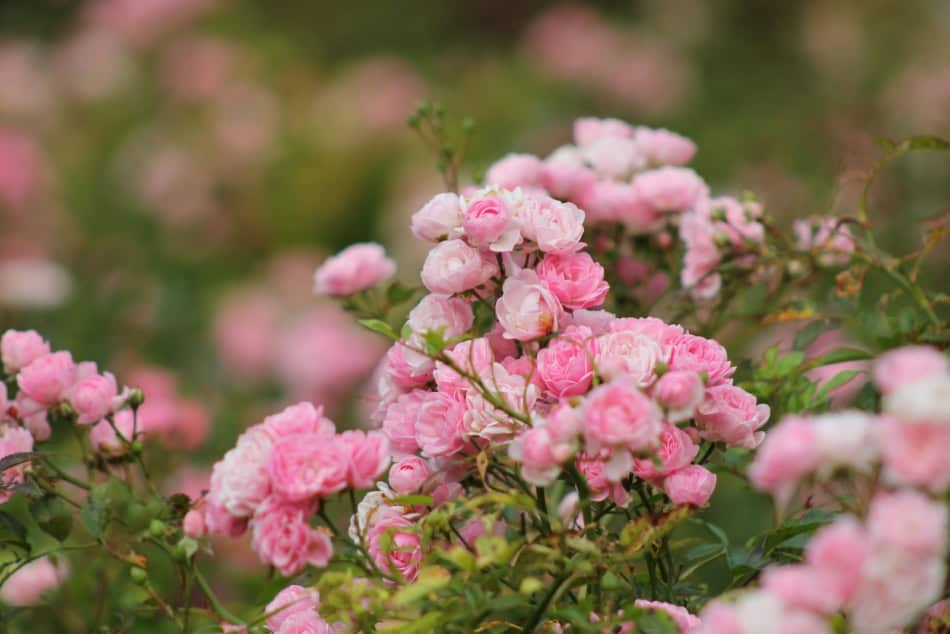
What About Roses?
Resist the urge to dramatically cut roses back simply because winter is coming.
In colder climates especially, major pruning is generally better delayed until late winter or spring, when you can see which stems survived the winter and which did not.
In fall, concentrate on the obvious problems:
- Remove dead material when needed.
- Remove diseased material when appropriate.
- Remove broken stems.
- Shorten exceptionally long canes if they’re likely to whip around in winter winds.
- Save major shaping for the appropriate pruning season.
Should You Prune Evergreens Before Winter?
Be particularly cautious with evergreens.
Arborvitae, junipers, spruce, pine, yews, and other evergreens usually don’t need a major haircut simply because autumn has arrived.
Heavy pruning late in the year may leave freshly exposed growth more vulnerable to cold, drying winter winds, or winter burn.
Removing a broken branch is one thing.
Reshaping half the plant is another.
For evergreen trees and shrubs, pruning recommendations vary considerably by species, so identify the plant before cutting heavily.
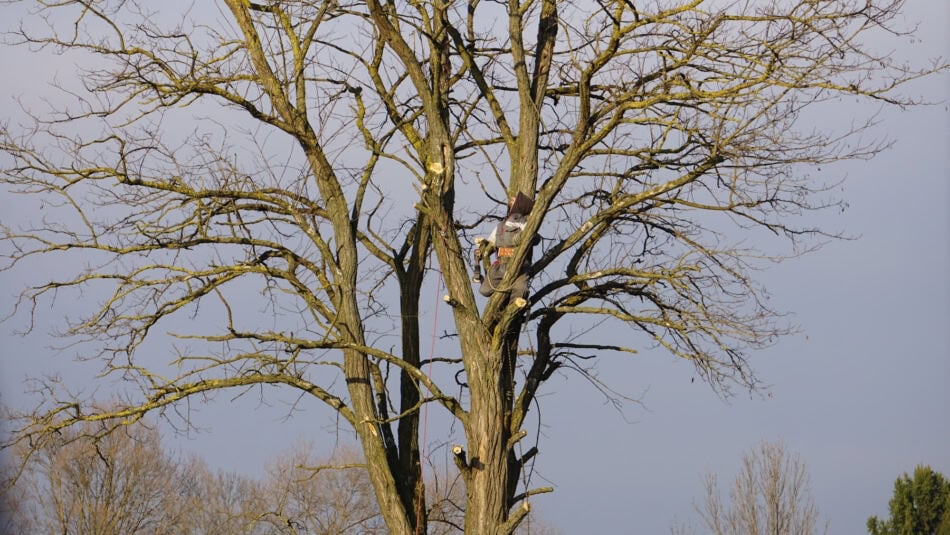
What About Trees?
Fall is not automatically the best time to prune trees simply because their leaves are dropping.
For many deciduous shade and fruit trees, late winter dormancy provides an excellent pruning window.
Without leaves, the branch structure is easier to see. You can more easily identify crossing limbs, crowded growth, damaged wood, and structural problems.
The University of Minnesota Extension pruning guide provides species-specific guidance and explains why timing matters when pruning woody plants.
There are important exceptions.
Certain trees may have disease-related pruning restrictions in particular regions. Oaks, for example, require special consideration in areas where oak wilt occurs.
And if you’re dealing with a large tree—or a branch that could strike a house, vehicle, utility line, or person—call a qualified arborist rather than tackling the job yourself.
What CAN You Prune in Fall?
Fall pruning isn’t completely forbidden.
There are several situations in which getting out the pruning tools makes sense.
Dead Branches
Clearly dead wood usually doesn’t need to remain simply because the calendar says October.
Dead branches can often be removed when identified.
Broken Branches
Storm-damaged, cracked, split, or hanging branches should be addressed before winter wind, ice, and heavy snow make the problem worse.
Hazardous Limbs
Safety takes priority over the ideal pruning calendar.
Branches threatening a house, driveway, walkway, or other structure should be evaluated promptly.
Diseased Material
Some diseased plant material should be removed instead of allowing it to remain in the landscape.
However, the proper response depends on the specific disease and plant.
If disease is involved, clean and disinfect your pruning equipment when appropriate so that you’re not carrying a pathogen from one plant to another.
The Old Wood vs. New Wood Rule Every Gardener Should Know
If you remember only one thing from this article, remember this:
Plants That Bloom on Old Wood
These plants form their future flower buds on stems produced during the previous growing season.
Pruning at the wrong time can remove those flowers.
Common old-wood bloomers include:
- Lilac
- Forsythia
- Azalea
- Rhododendron
- Magnolia
- Viburnum
- Mock orange
- Spring-flowering spirea
- Bigleaf hydrangea
- Oakleaf hydrangea
General pruning rule: Prune soon after flowering.
Plants That Bloom on New Wood
These plants produce flowers on new stems generated during the upcoming growing season.
Many can therefore be pruned during dormancy without eliminating the coming year’s flowers.
Examples include:
- Panicle hydrangea
- Smooth hydrangea
- Rose of Sharon
- Butterfly bush
- Many summer-flowering spireas
General pruning rule: Late winter or early spring is often a better pruning window.
This old-wood/new-wood distinction is one of the most useful concepts a gardener can learn because it explains why two shrubs growing side by side may require completely different pruning schedules.
Fall Pruning Cheat Sheet
| Plant | Prune Heavily in Fall? | Generally Better Time |
|---|---|---|
| Lilac | No | After spring flowering |
| Forsythia | No | After spring flowering |
| Azalea | No | After flowering |
| Rhododendron | No | After flowering |
| Magnolia | Usually no | After flowering |
| Viburnum | Usually no | After flowering |
| Bigleaf hydrangea | Avoid heavy pruning | After flowering, depending on variety |
| Oakleaf hydrangea | Avoid heavy pruning | After flowering |
| Panicle hydrangea | Usually wait | Late winter/early spring |
| Smooth hydrangea | Usually wait | Late winter/early spring |
| Rose of Sharon | Usually wait | Late winter/early spring |
| Butterfly bush | Usually wait | Late winter/early spring |
| Roses | Avoid major pruning | Late winter/spring |
| Evergreens | Avoid heavy pruning | Depends on species |
| Many deciduous trees | Usually wait | Late winter |
| Dead or dangerous branches | Yes, when necessary | Whenever safety requires |
When Is It Too Late to Prune in Fall?
There isn’t one date that applies everywhere.
October in northern Minnesota is very different from October in Alabama.
Instead of choosing a universal cutoff date, consider:
- Your local temperatures
- The plant species
- Whether it blooms on old or new wood
- Whether the plant is still actively growing
- Your average first frost
- Whether you’re performing light corrective pruning or a major cutback
The Farmers’ Almanac guide to frost temperatures and outdoor plants can help you understand how approaching cold weather affects plants in your garden.
Once plants are heading into dormancy, avoid pruning simply because you’re trying to make the yard look tidy before winter.
Sometimes the smartest pruning decision is not to prune at all.
Don’t Confuse Pruning With Fall Cleanup
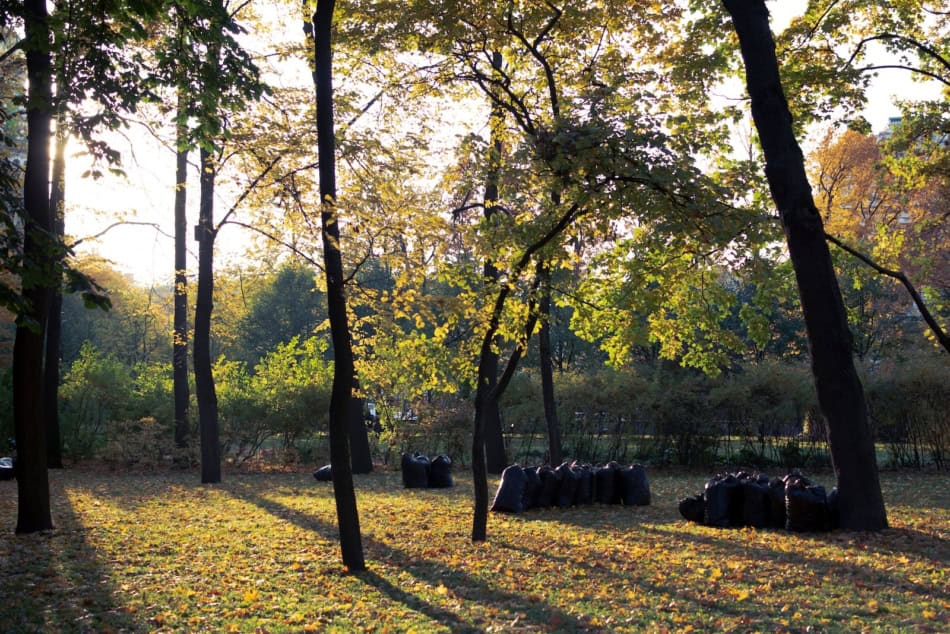
One reason gardeners tend to over-prune in autumn is psychological.
The growing season is ending.
Leaves are dropping.
Flowers are fading.
Naturally, we want everything outside to look “finished.”
But plants don’t necessarily benefit from the same level of tidiness humans prefer.
You can still:
- Pick up storm debris.
- Remove diseased leaves where recommended.
- Weed garden beds.
- Clean and sharpen your tools.
- Remove damaged branches.
- Mulch appropriate plants.
- Compost healthy garden debris.
- Prepare vegetable beds for winter.
And don’t assume that every fallen leaf needs to disappear either. Our guide to whether you should leave fallen leaves on your lawn explains when leaves can help your soil and when a thick layer can cause trouble.
Likewise, gardeners cleaning up vegetable beds may want to read why leaving some tomato roots in the soil can sometimes be preferable to ripping the entire root system out.
A fall garden doesn’t need to look sterile to be ready for winter.
Winter Can Actually Make Pruning Easier
There’s another good reason to wait.
After the leaves have completely fallen, the structure of deciduous trees and shrubs becomes much easier to see.
Suddenly you can identify:
- Crossing branches
- Rubbing branches
- Broken limbs
- Weak branch unions
- Crowded growth
- Water sprouts
- Damaged wood
- Branches growing toward the center of the plant
Rather than indiscriminately trimming everything in autumn, waiting until dormancy can allow you to make far more deliberate cuts.
What Else Should You Be Doing in the Garden This Fall?
If the pruning shears are staying in the shed, there’s still plenty to do.
Fall is an excellent time for many gardening jobs.
Depending on your climate, you may still be able to plant cool-season vegetables, garlic, spring-flowering bulbs, shrubs, and other plants.
See our complete guide to planting a fall garden for crops and planting ideas.
And if you’re working through your entire fall yard checklist, don’t forget the lawn. Knowing when to stop watering your lawn in fall is another important part of preparing your property for winter.
The Bottom Line
For most trees and shrubs, fall isn’t the time for one final major pruning.
One of the biggest mistakes is cutting spring-flowering shrubs such as lilacs, forsythias, azaleas, rhododendrons, viburnums, and certain hydrangeas after they’ve already formed next year’s flower buds.
Likewise, there is usually little advantage to severely pruning trees, roses, hydrangeas, or evergreens simply because cold weather is approaching.
Instead, concentrate on what actually needs attention:
Remove what is dead, broken, diseased, or dangerous—and leave most major pruning for the proper season.
Your yard may look a little less “finished” heading into winter.
But when the lilacs, hydrangeas, azaleas, and other shrubs burst into bloom next year, you may be very glad you left those branches alone.


- Farmers' Almanac Staff

- Farmers' Almanac Staff

- Farmers' Almanac Staff
- Farmers' Almanac Staff