

Avian Bird Flu in Chickens: How to Prevent Spread in Your Backyard Flock
Quick Reference
- What it is: Highly Pathogenic Avian Influenza (HPAI), current dominant strain H5N1, is a viral respiratory illness in birds first identified in the 1950s.
- Human cases in the US: fewer than 100 recorded to date, no confirmed person-to-person transmission, per the CDC Bird Flu Situation Summary.
- Backyard flock rule of thumb: clean feeders and coops 1 to 2 times weekly with a weak bleach solution, keep domestic poultry separated from wild waterfowl, disinfect boots and equipment every visit.
- If an outbreak hits your area: pull down wild-bird feeders for 2 to 3 weeks and skip poultry shows or auctions until the region is cleared.
- Report sick birds: call the USDA hotline at 1-866-536-7593 immediately; state agriculture departments coordinate the response.
- Species also confirmed positive: cats, dogs, cattle, pigs, goats, alpacas, ferrets, mink, bears, raccoons, foxes, skunks, seals, and dolphins.
Headlines through 2025 and into 2026 keep warning about bird flu (Avian influenza) in wild birds, backyard chickens, and now dairy cattle. If you keep a small flock, feed songbirds off the porch, or simply share a fence line with someone who does, the practical question is the same: what actually keeps the virus out? Here is what we know as of early 2026, plus the tips that matter for backyard birders and poultry keepers.
The Centers for Disease Control and Prevention still classifies the public-health risk from H5N1 as low for the general population and higher for people who work directly with infected animals. The USDA Animal and Plant Health Inspection Service (APHIS) continues to track detections across all 50 states, with poultry, dairy cattle, and wild waterfowl making up the bulk of confirmed cases.

Bird Flu: What We Know
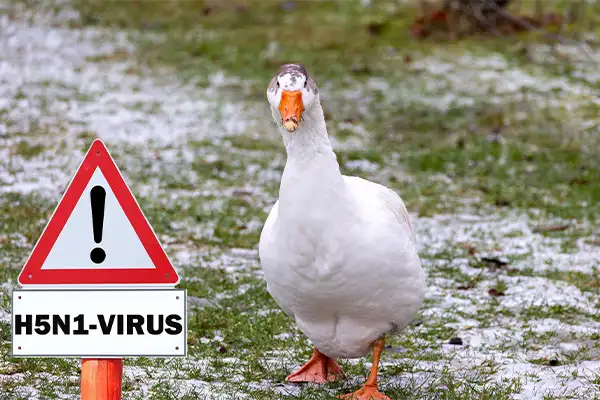
Avian influenza is a viral infection commonly found in birds. Depending on the strain, symptoms include respiratory problems, fever, loss of appetite, diarrhea, weakness, and sudden death. The current concern is the H5N1 strain, a highly pathogenic virus that mutates quickly and now moves through species it did not previously infect.
- Different strains of avian flu were identified as early as the 1950s.
- The first (very few) human cases were recorded in 1997.
- Mutations of the current strain of bird flu (H5N1) are concerning because they happen so quickly.
- Fewer than 100 human cases of bird flu have been recorded in the United States. This highly pathogenic, fast-mutating disease is showing up in outbreaks all over the world.
- Each of us plays a part in preventing spread, which minimizes the risk of a new mutation that could pass to additional animals and humans.
- At this time, no person-to-person infections have been documented.
- New in 2024 to 2025: H5N1 crossed into US dairy herds in over 17 states, and the first severe human case was confirmed by the CDC in early 2025, tied to backyard poultry exposure.
Why Are Birds So Easily Infected?
Bird flu spreads through the feces of infected birds and through animals feeding on birds that have died of the disease.
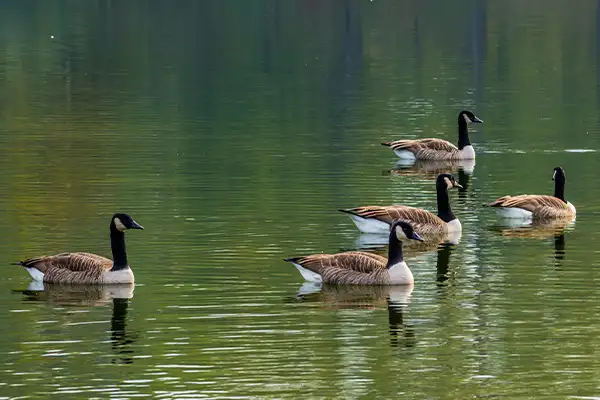
The most vulnerable birds, waterfowl, pigeons, chickens, turkeys, and quail, are highly social and gather in tremendous flocks, both wild and domestic. When so many birds share a pond, a feeder, or a coop, one sick bird has the potential to spread this fatal illness to many other individuals.
What the 2024 to 2026 Data Shows
Where H5N1 detections are running highest. USDA APHIS surveillance data for the 2024 to 2025 winter and spring counted more than 30 million commercial birds culled from confirmed HPAI flocks, plus over 900 dairy herds affected across 17 states. Wild-bird detections cluster around the Pacific, Central, Mississippi, and Atlantic migratory flyways during fall and spring migrations, which is why coastal and Midwestern backyard keepers usually see outbreak alerts weeks before inland regions do.
Human cases so far. The CDC lists roughly 70 confirmed US human cases as of the 2025 to 2026 winter, most linked to direct handling of infected poultry or dairy cattle. The current risk to backyard chicken keepers who follow standard biosecurity remains low, but the risk climbs sharply for anyone who visits multiple flocks, buys and sells birds at auction, or handles wild waterfowl.
Protecting Birds From Bird Flu
Fortunately, safeguarding a flock is doable, whether the flock is a wild visitor list at the feeder, a family of park ducks, or a small backyard coop. The key is cleanliness and vigilance, the same rule that protects people from the seasonal flu that comes around every year.
For wild birds, a handful of easy steps protect them from bird flu and keep the disease from moving to our domestic birds, pets, or other animals.
- Keep Your Distance, A good pair of binoculars helps you see birds better and keeps you well away from any contamination they may present.
- Clean and Sterilize Feeders and Baths, Clean bird feeders and baths 1 to 2 times per week. Soak or rinse with a weak bleach solution, let them dry completely before refilling, and wipe down poles or perches as well.
- Clean Up Feces, Rake or use a leaf vacuum under feeders to break up and remove feces, hulls, and spilled seed. That keeps birds from foraging in potentially contaminated debris and stops any disease from spreading.
- Remove Feeders, If an outbreak hits your region, stop all feeding for 2 to 3 weeks. Removing the feeder encourages large flocks to spread out temporarily, lessening the contact that can keep spreading the disease.
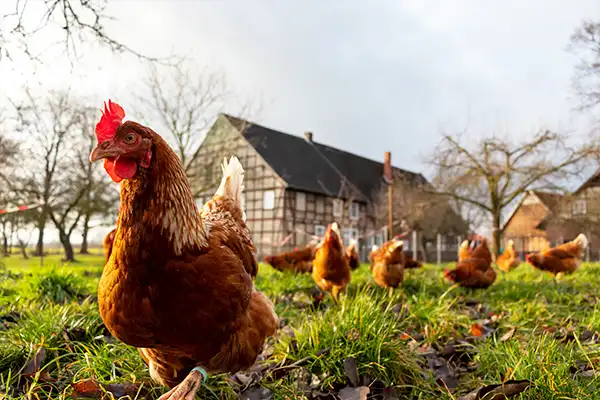
If you keep chickens, turkeys, or ducks, a few extra steps keep your poultry safe from bird flu:
- Clean the Coop, Clean out the coop and remove feces regularly, even frequently. Clean up runs, shelters, shade areas, and every feeding area the poultry can reach.
- Separate the Flock, Do not let domestic poultry roam freely where they could intermingle with wild birds or waterfowl that may be disease carriers. Some separation keeps bird flu from passing between flocks.
- Clean All Equipment, This includes shoes or work boots, mats, trays, incubators, and more. Rule of thumb: if it comes into contact with your poultry in any way, clean and sterilize it every single time.
- Avoid Events, When an outbreak is known to be in a region, skip poultry events until the area is disease-free again. That includes shows, auctions, or other activities where bird flu can easily be spread.
If you notice an outbreak or any illness in your birds, report the situation to the authorities immediately so large-scale prevention can begin if necessary. Contact the USDA directly by calling 1-866-536-7593. Download this PDF for more information, via Animal and Plant Health Inspection Service.

Pets, Humans, and Beyond
The steps that protect birds also protect pets and other animals. Several types of wild and domestic cats have already had recorded cases of bird flu, and dogs may also be vulnerable. Confirmed infections show up in cattle, pigs, goats, alpacas, ferrets, mink, bears, raccoons, foxes, skunks, seals, and dolphins.
These infections are relatively few compared to overall numbers, but they are concerning. The more conscientious we are about cleaning and staying alert to potential spread, the less likely the disease is to rampage through multiple animal populations.
Am I Afraid?
I love to feed my backyard birds, and my Cavalier King Charles Spaniel adores chasing birds on his regular zoomies in the yard. (No, he is not even close to catching them.) I am eagerly anticipating the arrival of spring birds and enjoying my winter residents. Several pairs of painted buntings visit my feeders, and a new pair of white-winged doves are making themselves at home nearby. There are chickens in my neighborhood, and friends have generously shared eggs from their backyard flocks.
But no, I am not afraid of bird flu, though I am alert. Stay on notice, practice good bird-related hygiene, and keep updated on any new developments, and you can enjoy your birds just as much as ever.
Do you have chickens in your backyard?
Are you concerned about bird flu?
Please share your thoughts in the comments.
Frequently Asked Questions
Can backyard chickens get bird flu from wild birds?
Yes. Wild waterfowl, especially ducks and geese along the four US migratory flyways, are the largest reservoir for H5N1. Wild droppings on the ground, shared water in a pond, or a wild bird landing inside a run all present exposure risks. Separating domestic poultry from wild waterfowl is the single highest-value step in a small-flock biosecurity plan.
What are the first symptoms of bird flu in a backyard chicken?
Sudden death without prior signs is one hallmark of H5N1. Watch for respiratory distress, purple discoloration of the comb and wattles, swollen head, tremors, twisted neck, drop in egg production, and diarrhea. Because the strain moves quickly through a coop, any one of those symptoms in more than one bird is a reason to call the USDA at 1-866-536-7593 that day.
Is it safe to eat eggs from my backyard chickens right now?
Yes, when the flock is healthy and eggs are handled and cooked normally. The CDC notes that proper cooking (internal temperature 165 degrees F for poultry, fully cooked yolks and whites for eggs) inactivates the virus. Do not eat eggs or meat from birds you suspect are sick.
How is H5N1 different from seasonal flu?
Seasonal flu strains (H1N1, H3N2) circulate every year in people and cause typical flu illness. H5N1 is a highly pathogenic avian influenza that primarily infects birds and, less often, mammals that eat infected birds. Human cases so far are almost all in people with direct occupational exposure to sick poultry or dairy cattle.
Should I take down my bird feeders?
In most parts of the country, no. Songbird species (finches, chickadees, cardinals) are not the primary carriers of H5N1. If an outbreak is confirmed in your county or your state agriculture department issues an advisory, pull down feeders and baths for 2 to 3 weeks to encourage songbirds to spread out. Clean everything with a weak bleach solution before rehanging.
Does my dog or cat need to worry about bird flu?
Cats appear more susceptible than dogs, and outdoor cats that hunt birds are at higher risk than indoor cats. Confirmed cases have appeared in domestic and wild cats, plus a smaller number in dogs. Keep pets away from dead wild birds and from raw milk or raw poultry that has not been commercially processed.
Can I still buy or trade chickens through a local swap?
USDA and most state ag departments recommend against poultry swaps, shows, and auctions when an outbreak is active in the region. Between outbreaks, quarantine any new bird for 30 days before mixing it with your flock. Ask sellers whether their birds are enrolled in the National Poultry Improvement Plan (NPIP).
Where do I report a sick backyard bird?
Call the USDA sick-bird hotline at 1-866-536-7593. State veterinarians and state agriculture departments also take reports; state-level contacts are listed on the USDA APHIS reporting page. Reporting is free, and prompt reports are how outbreaks are contained.


Melissa Mayntz
Melissa Mayntz is a writer who specializes in birds and birding, though her work spans a wide range—from folklore to healthy living. Her first book, Migration: Exploring the Remarkable Journeys of Birds was published in 2020. Mayntz also writes for National Wildlife Magazine and The Spruce. Find her at MelissaMayntz.com.
- Melissa Mayntz

- Melissa Mayntz
- Melissa Mayntz
- Melissa Mayntz





As I know that is also important to keep food and water clean and protected from wild birds, that may stop spreading. And it’s important to recognize signs of avian flu and practice good hygiene – to everyone who’s working with the birds, wear masks, gloves, and coveralls, to reduce the risk of contamination. And I also add mullein leaf extract https://www.amazon.com/USDA-Organic-Mullein-Drops-Lungs/dp/B0CKBPTPRL to everyone’s daily supplements. It’s not a direct treatment, but it still helps to soothe the respiratory system and may assist in easing mild respiratory irritation.
Have heard that pelletized kim chi (Korean sauerkraut) could help!