

2026 Black Fly Season: Where, When, and How to Repel Them (7 Natural Remedies)
Anyone who enjoys the outdoors in Canada and the northern U.S. knows that black flies can be a bigger pest than mosquitoes. Here are 7 ways to repel them.
Quick Reference
- Peak season: mid-May through early July across most of the Northeast and Upper Midwest, with a shorter pulse in the Pacific Northwest in late May and June.
- Top three natural defenses: long sleeves and light-colored clothing, a hat with mesh netting, and an oscillating fan on the porch.
- Folk remedies worth trying: vanilla extract, lavender, fresh pine-branch sap, apple cider vinegar taken three to four days ahead, and a daily clove of garlic.
- Bite care: wash with soap and warm water, do not scratch, then apply aloe vera, witch hazel, or calamine; reach for an antihistamine if itching persists.
- Stay out of swarms: avoid sweet perfumes, sodas, and candy outdoors; black flies home in on carbon dioxide and dark colors.
Black fly season opens in late May across the northern United States and southern Canada, right as gardeners are setting tomatoes in and rural homeowners are reclaiming the porch. The bites itch for days, the swarms cloud around your face, and unlike mosquitoes they keep at it through full daylight. This guide walks through when black flies arrive, where they are worst, seven plain-English ways to repel them naturally, and how to soothe a bite when one lands.
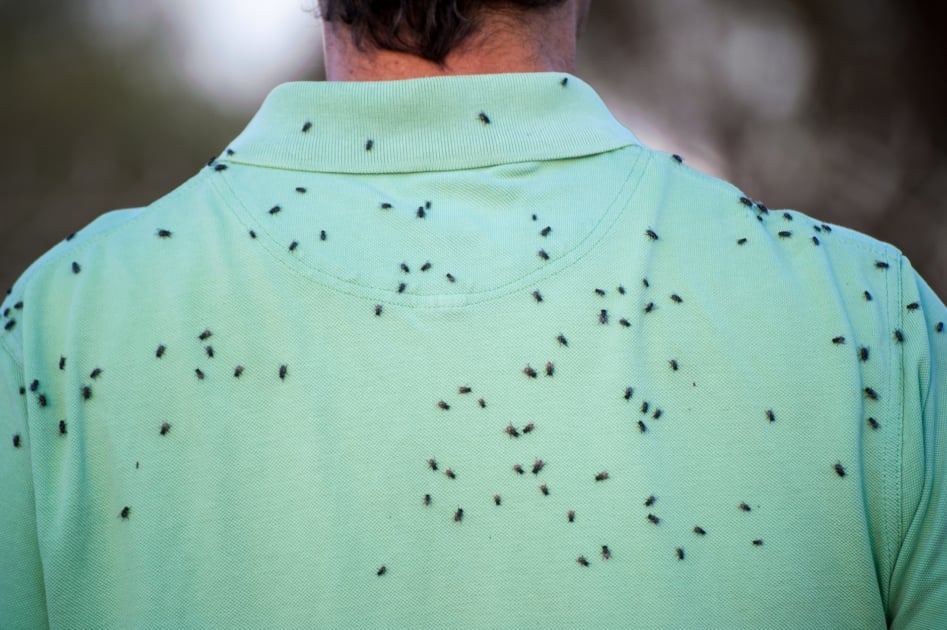
Mosquitoes are a much-dreaded fact of summer throughout the world, but anyone who enjoys the outdoors in Canada and the northernmost U.S. states knows that the real enemy of the wilderness wanderer is the malevolent black fly. Black flies, also known as buffalo gnats or turkey gnats, are small flying insects that feed off the blood of humans and other animals. Though tiny, they reach a maximum length of 1/8 inch when fully grown, and black flies are a formidable foe.
When Do Black Flies Arrive?
Black flies, those pesky insects that make the great outdoors unbearable from mid-May to sometimes July, may not spread disease to humans, but their bites can certainly cause a world of hurt. They are itchy, painful, and take forever to heal. In fact, some people are so allergic that they can have severe reactions to black fly bites, even leading to death. Adding insult to injury, black flies swarm their prey, which means you can end up with multiple bites in a short amount of time, increasing the likelihood of a dangerous reaction. For this reason, some US states try to control black fly populations for public health.
Unlike mosquitoes, which breed in stagnant water, black flies lay their eggs in clean fast-running water, such as rivers and streams. Female black flies lay hundreds of eggs in or near the water, so they are very common in wooded areas near bodies of water. The University of Maine Cooperative Extension notes that black flies need running water to breed and are highly sensitive to water pollution, which is part of why they are most abundant in clean, fast-moving Northeast and Upper Midwest streams.
The CDC reports that in tropical regions black flies can carry the parasite that causes river blindness, but the species you meet on a Northeast porch or Midwest fishing trip do not transmit that disease. The North American problem is the bite itself: a small bleeding wound, persistent itch, and for sensitive people swelling that can last a week.
Black Fly Season by Region
Black fly pressure runs on the same clock as the streams in your area. Cold, clean, fast water hatches the worst swarms. Slow rivers and lakes hatch fewer. Use the regional breakdown below to plan plantings, paddles, and outdoor events.
Northeastern states are the most aggressive in trying to control populations for public health, and EPA-registered insect repellents are the standard recommendation for personal protection when control programs are not enough. Even with controls, the rule for gardeners and rural homeowners is the same one almanac readers have followed for generations: plan outdoor work for early morning or evening on breezy days, and skip the dead-still middle of the afternoon.

Try These 7 Strategies to Repel Black Flies
None of the methods below are magic. Pair two or three together, and you will spend a lot less time slapping. Reader-tested at home gardens and fishing camps across New England and the Upper Midwest.
1. Protect Your Skin

Black flies can be difficult to repel. The simplest way to prevent getting bitten is to protect your skin by wearing long sleeves and pants at all times when outdoors. Because they are attracted to dark colors, it is also a good idea to wear light-colored clothing, such as khaki, tan, or white. Tuck pant legs into socks and cuff your shirt sleeves; black flies crawl under loose fabric to find skin.
2. De-Swarm

One particularly annoying habit of black flies is their tendency to swarm the face. This occurs because they are attracted to the carbon dioxide we exhale. A good way to protect your face is to wear a hat with attached netting, specially designed to protect the head and neck from black flies. A wide brim keeps the mesh off your skin so flies cannot reach you through the fabric.
3. Try Some Pine
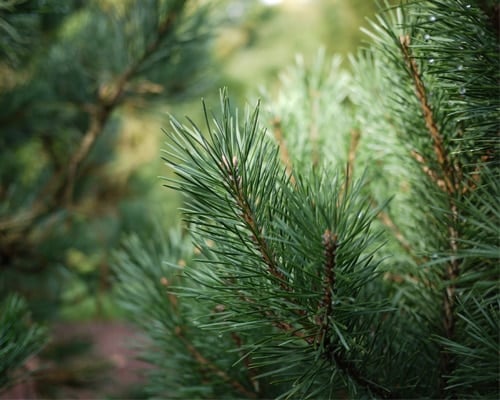
Some recommended natural repellants include vanilla extract, lavender, and the extract from pine branches. Just break open a young branch and rub the moisture from inside on your skin. North-woods guides have used the pine trick for generations, and while direct scientific evidence is limited, the sticky resin and strong scent do seem to discourage swarms long enough to set up camp.
4. Avoid The Sweets

Avoiding wearing sweet-smelling perfumes, fabric softeners, and indulging in candy or soft drinks when outdoors can also help to reduce your risk of attracting black flies. Save the lemonade and the scented hair product for the indoor part of the afternoon.
5. Fan it
For a truly chemical-free way to keep mosquitoes and black flies away from your porch, use a fan. It might seem strange to use a fan outside, but it works. A simple oscillating pedestal fan or box fan will do the trick. This works in two ways: it makes it harder for bugs to fly in the area, and it helps blow away the carbon dioxide that is produced when we exhale. Set it on the floor of the porch aimed across your seating area for the best coverage.
6. ACV to the Rescue

Apple cider vinegar is an old-timey remedy that many say helps with mosquitoes, black flies, and ticks. Start three to four days before your planned outdoor activity and take a tablespoon of vinegar three to four times a day to help your skin ward off biting bugs on its own. The folk reasoning is that the vinegar slightly changes the scent your skin gives off; the science is thin, but the price is low and the cooks in your family will know what to do with the leftover bottle.
7. Garlic

A clove of garlic a day might help keep the bugs away. Simply eat a clove of garlic each day, starting several days before you anticipate exposure to mosquitoes and black flies. For some people, eating garlic may cause you to release a sulfur compound present in garlic called allicin. This is what causes garlic’s smell, and when the scent is produced by your skin it will help mask your natural scent. It might keep the bugs (and people) away.
If you find that these home remedies are not effective, you may need to move up to a commercial insect repellent. Sprays containing DEET are often recommended, though their effectiveness against black flies is unpredictable, and some even report that DEET sprays attract black flies. Repellents containing Permethrin (commonly used to treat lice) are more likely to be effective, but they are also more toxic than DEET sprays and can be harmful to fish, cats, and beneficial insects such as honey bees. The University of New Hampshire Extension recommends applying Permethrin only to clothing, never to skin, and letting it dry fully before wear.
Black Fly Repellent Products: What Actually Works
Natural remedies help, but if you live in a peak zone (Maine, New Hampshire, Vermont, Adirondacks, Boundary Waters, Cascade foothills), the CDC and state health departments recommend EPA-registered repellents for reliable protection. Here is a short buyer’s shortlist ranked by field evidence, not marketing.
| Type | Active ingredient | Best use | Notes |
|---|---|---|---|
| Skin repellent (EPA) | Picaridin 20% | Face, arms, legs | Odorless, does not damage synthetics; 8–12h protection. |
| Skin repellent (EPA) | DEET 25–30% | High-swarm zones | Strongest track record; can damage plastic lenses / watch straps. |
| Skin repellent (natural, EPA) | Oil of lemon eucalyptus (OLE / PMD 30%) | Adults, kids 3+ | Plant-derived; comparable to low-dose DEET in field trials. |
| Clothing treatment | Permethrin 0.5% spray | Shirts, pants, hats, bug net | Bonds to fabric for 6 weeks or 6 washes; do not apply to skin. |
| Bug net & jacket | Fine-mesh headnet, no-see-um jacket | Fishing, portaging, garden work | Non-chemical option; look for 20-count or finer mesh for no-see-ums. |
| Yard fogger | Pyrethrin propane fogger | Deck / patio, event day | Short-term knockdown, 4–6 hours of relief. |
| Natural yard spray | Cedar oil 10–15% | Perimeter, wood edges | Safe on turf and around most pets; reapply after rain. |
The Farmers’ Almanac does not sell repellents. Product categories above are guidance based on EPA data and independent field testing; check current model reviews before buying.
Soothing the Itch of Black Fly Bites

Black fly bites usually turn into itchy welts. If you do get attacked by black flies, there are a number of things you can do to soothe the itch:
- Wash the affected area with soap and warm water.
- Avoid scratching the bites as much as possible. Scratching can break the skin, increasing the risk of infection.
- Apply a topical agent, such as aloe vera, witch hazel, or a gentle over-the-counter remedy, such as calamine lotion, which can also help. If the itching persists or is very bad, an antihistamine cream may be needed.
If a bite swells dramatically, your throat tightens, or you develop hives across your body, treat it as a possible severe allergic reaction and seek medical care. Most bites are merely annoying. A few are not, and the difference matters most for children and anyone with a known insect allergy. Do what is best for your household and call your doctor when in doubt.
Plan Around Black Fly Season
Black flies are loudest from mid-May to July, quietest on hot dry afternoons, and worst in still woodland and stream banks. Plan the heavy garden work, the fishing trip, and the porch supper for the breezier hours, layer up in light colors, and keep the netting hat by the door. The rest of the season is yours.

Frequently Asked Questions
When is black fly season?
Across most of the northern United States and southern Canada, black flies emerge from mid-May and stay heavy through early July. The Upper Midwest can run a little later, into mid-July. Mountain creeks in the Southern Appalachians sometimes start as early as April. Hot dry weather and stiff breezes quiet them down for a few days at a time.
How do I keep black flies away from my yard?
Run an oscillating or box fan on the porch, wear long sleeves in light colors with cuffs tucked, skip sweet perfumes and soft drinks outdoors, and try a netted hat for chores near the woods. Black flies cannot fly well in moving air and they home in on the carbon dioxide you exhale, so the fan helps on both counts.
Does DEET work on black flies?
DEET is unpredictable against black flies. Some readers say it helps, some say it does nothing, and a few report it attracts them. Permethrin-treated clothing tends to work better, but Permethrin should never be applied to skin and is toxic to fish, cats, and honey bees, so use it sparingly and let it dry fully before wear.
Do black flies spread disease?
In tropical regions, some black fly species carry the parasite that causes river blindness, per the CDC. The North American species you meet on a porch or trout stream do not transmit that disease. The risk is the bite itself: a small bleeding wound, days of itching, and for sensitive people swelling or, rarely, a severe allergic reaction that needs medical attention.
What soothes a black fly bite?
Wash with soap and warm water, leave the bite alone, then apply aloe vera, witch hazel, or calamine lotion. An antihistamine cream helps when the itch will not quit. Cool compresses also help in the first hour. If the welt grows fast, you struggle to breathe, or hives spread, treat it as a possible allergic reaction and call your doctor.
Why are black flies so bad some years and not others?
Black flies need clean, cool, fast-running water to hatch. A wet spring with steady stream flow gives them a banner year. A dry spring or a flash flood that scours stream beds knocks the next wave down. Local mosquito-control districts and the University of Maine Cooperative Extension publish stream-temperature notes each May for the worst-hit counties.
Do natural remedies like garlic and apple cider vinegar really work?
Folk remedies like a daily clove of garlic or a tablespoon of apple cider vinegar three or four times a day are time-tested and low-risk. The science behind them is limited, and they will not match a head net or a porch fan for raw effectiveness. Stack them with the physical defenses rather than relying on them alone, and do what works for your household.


Jaime McLeod
Jaime McLeod is a longtime journalist who has written for a wide variety of newspapers, magazines, and websites, including MTV.com. She enjoys the outdoors, growing and eating organic food, and is interested in all aspects of natural wellness.
- Jaime McLeod

- Jaime McLeod

- Jaime McLeod

- Jaime McLeod


Mid may to July.. in other words, 99% of the summer
What is the #1 way to take down swelling or itch after you have been bitten?
Hi Candace, We would recommend cleaning the fly bite with soap and cool water. Then apply a cold compress for 10-20 minutes, which should reduce swelling and numb the itch. Finally, consider applying a topical treatment, such as hydrocortisone cream or calamine lotion. You may also stir up your own anti-itch paste by combining one tablespoon of baking soda with a dash of water. Spread the paste on your bite and let it set for 10 minutes before washing off. Hope this helps! Let us know how it goes! Best wishes from all of us at FA.
I wear a whole body bug suit: shirt with hood and pants. I wish I bought it years ago! Last year after buying it, I was able to go outside for the first time during black fly season and not be eaten alive. Bugs love to bite me but after getting used to the world looking green through the mesh, I was able to mow the lawn and do whatever else I wanted outside in shorts and a t-shirt in peace.
The writer concurs with Ginny . It appears that difficulties arise when systems change systems that work – does not occur. How Food refuse not bagged correctly and disposed of away from the house.
I want to know where they came from. I am 75 and until the last 10 years there was never such a thing as these black flies.
I am with you. They crawl up my hair line behind my head and bite the ever living crap out of me. Only recently started having the issus after living here fro 20 years.
Thanks for the article. I will try these things for regular flies when I go camping. Peppermint oil works for a few minutes but wears off quickly and I need to keep reapplying it. Lavendar & peppermint in water has worked around the house to keep them off the TV. I feel for you guys dealing with black flies. That’s a whole “nother” ball game!
Garlic works really well for mosquitoes as well. When I lived in Chicago they would swarm at sunset. Once, at an outdoor party, everyone around me started getting bitten at sundown. I was untouched. I had eaten a huge plate of spaghetti, cooked with lots of fresh garlic, the night before. Now I try to eat garlic a day or two before going camping, and take some with me to put in my food if I’m staying a while. I haven’t been bitten in years. (I always use fresh garlic, so no idea if the powder would work.)
I am allergic to black flies and when bitten have severe hives. Witch hazel is very helpful and you only need to apply it a couple of times a day. It relieves the itching and also helps the skin to heal.
Using essential oils such as geranium is a very helpful deterrent but you need to apply it every couple of hours. Just be sure to rub it all over, behind your ears, around your eyes, temples, back of neck, arms, etc. You have to be completely covered in it.
Unfortunately, you may have to restrict your outdoor activities and may be forced to stay indoors if they are a big problem for you.
They sure are a pest! I also have an allergy to black fly bites – and love the idea to use witch hazel – thank you!
Nasty little insects!!!! And their bites last for weeks…WEEKS!!!! They love me and the feeling is NOT
mutual! I appreciate the feedback in the comments from everyone. Some good ideas, especially re: once bitten remedies!
Agreed! Black flies are the worst part of Spring in Maine!
Truly? NO TOPICALS WORK. Netting oneself is the only way. I’ve spend a fortune on different Repeller’s ( home made, over the counter) etc.
The bite areas itch for weeks! Not few days. I mean for weeks leaving itching lumps as well. I hate black flies!
I’m in your camp! My black fly bites last for weeks, and they are the worst! Thank goodness it is a short season here in Maine. Good luck to you!
I haven’t figured out how to repel them other than wearing a net over my head, but the best remedy after being bitten is to ice the bite as soon as possible…less swelling and itch. Keep ice on the bite for at least half an hour.