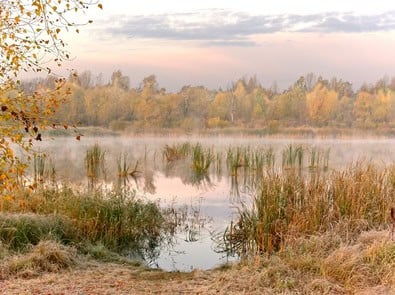
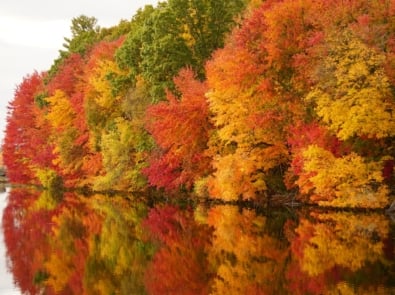
The calendar says fall begins on one date. Meteorologists say another. But trees, birds, butterflies, and frost may tell an entirely different story. Here are the three ways autumn really begins—and how to tell when fall has arrived where you live.
That crisp September morning followed by an 80-degree afternoon isn’t unusual. Here’s why fall often arrives overnight before it shows up during the day.
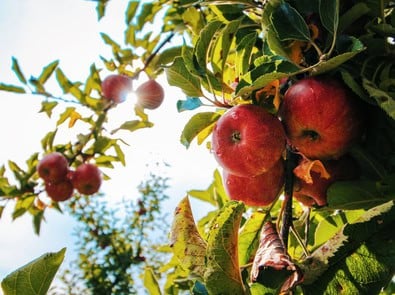
Why do apples suddenly turn redder in September? Cool nights, sunny days and anthocyanins create fall’s beautiful apple blush—but red doesn’t always mean ripe.
September 2026 brings the Harvest Moon, the fall equinox, meteor showers, changing leaves, migrating birds, cooler nights, and plenty to do in the garden. Here’s your Farmers’ Almanac guide to everything worth watching this month.
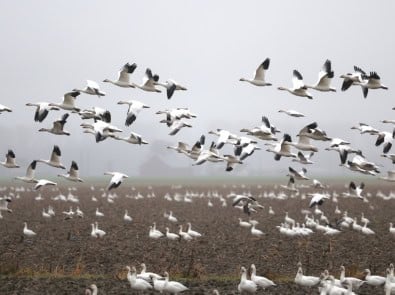
Millions of birds are migrating south right now—and many are flying high overhead while we sleep. Here’s why fall migration happens at night, how birds navigate in the dark, and how you can help them along the way.
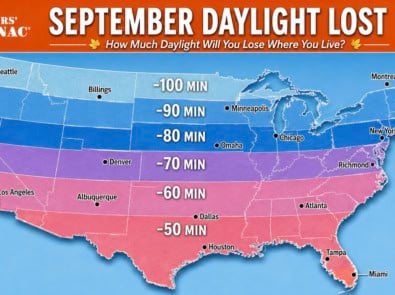
September brings one of the year’s fastest changes in daylight. See how many minutes of sunshine cities across the U.S. lose during September 2026—and why northern locations like Seattle lose more than twice as much daylight as Miami.
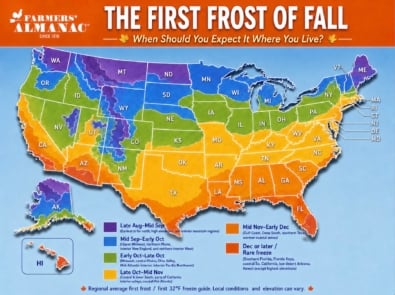
When will the first frost arrive where you live? See our 2026 regional first-frost guide, average frost dates, and what gardeners should protect before temperatures fall.
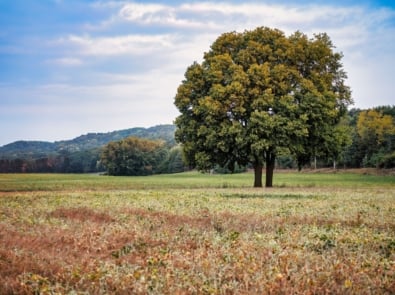
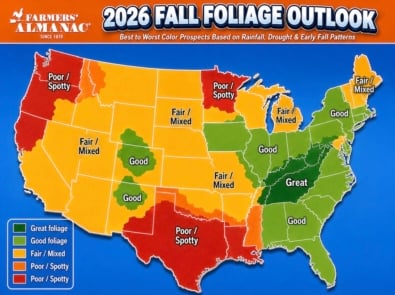
Where will fall color be best in 2026? Our Farmers’ Almanac Fall Foliage Outlook points to the central Appalachians for the strongest display, with generally good prospects across much of the East and Southeast, and more mixed or spotty conditions in parts of the West, Upper Midwest, and southern tier.
Why are fall colors brighter some years? Learn how sunshine, cool nights, rain, drought, frost, and temperature determine how brilliant autumn foliage becomes.