

Do Cold Winters Kill Bugs? What Survives, What Dies, and Why
We often get asked if the cold temps in winter means fewer bugs in the spring and summer. We have the answer.
Quick Reference
- Short answer: Cold winters reduce some pest populations, but most insects survive even severe cold by sheltering underground or under leaf litter.
- Emerald ash borer kill threshold: Sustained -20 degrees F kills about half. Sustained -30 degrees F wipes out most.
- Ticks: Survive a hard freeze under leaf litter and snow cover.
- Fleas: Die outdoors below 37 degrees F for 10 or more consecutive days. Survive indoors year-round.
- Honeybees: Survive normally by clustering in the hive at roughly 90 degrees F core temperature.
- Bottom line: Pair a hard winter with leaf-litter cleanup, year-round pet treatment, and a long-range forecast for your region. One cold snap will not solve the problem.
Cold winters do not kill as many bugs as most people hope. Every insect species has at least one strategy for surviving cold. Most burrow underground, hide under leaf litter, slip under tree bark, or enter true diapause, a kind of insect hibernation. Those tactics work reliably across most North American winters, which is why pest populations stay stable year to year. Here is the real story of what cold weather kills, what it does not, and which pests have actually expanded their range because winters have warmed.
How Cold Does It Have to Get?
The temperature required to kill a meaningful share of a pest population varies sharply by species. Entomologists at Cornell University and other land-grant universities have documented species-by-species cold tolerance for the worst of these pests. Here are the working thresholds:
For most of these pests, the cold has to be both deep and sustained. A single -25 degrees F night will not do much if the next day is back to 20 degrees F. Several days of sub-zero cold are what actually thin populations, and the air temperature is only part of the picture.
The Science: Diapause and Supercooling
Most native North American insects do not just tough it out. They prepare. As days shorten in late summer, they enter diapause, a programmed pause in development triggered by daylength and temperature. During diapause, the insect’s metabolism drops, water is pushed out of the body, and the remaining body fluids load up with cryoprotectants like glycerol that work much like antifreeze. The body fluid then “supercools” below the normal freezing point of water without forming damaging ice crystals. Some Alaskan beetles survive temperatures below -70 degrees F this way. Penn State Extension covers the basic mechanism in its work on overwintering insects and on the spotted lanternfly, whose egg masses ride out most Pennsylvania winters on tree bark.
Regional Breakdown: What a Hard Winter Means in Your Zone
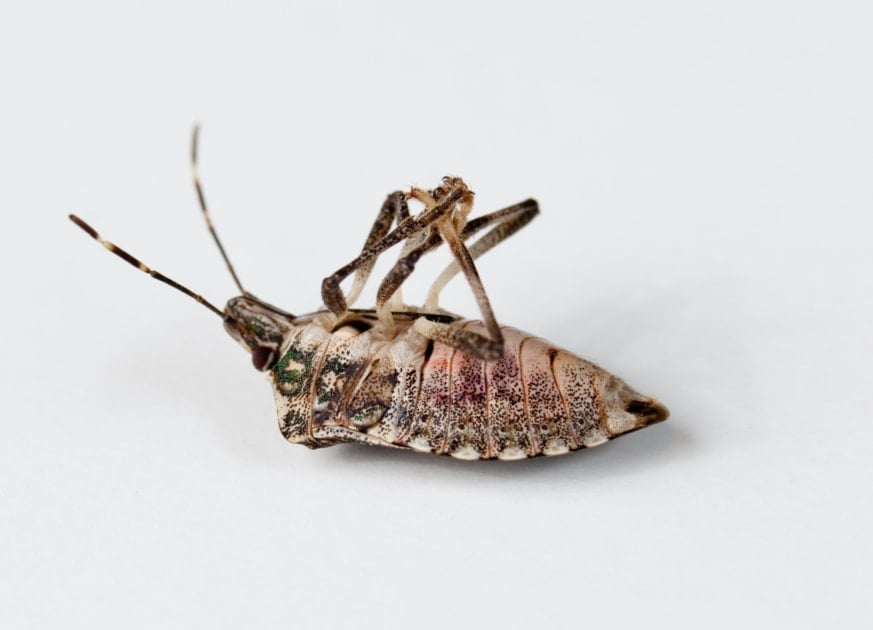
What counts as a “hard winter” varies by region. A 5-degree-F morning thins almost no pests in northern Minnesota, where the local insects are already adapted. The same morning in coastal Georgia is unusual enough to put a real dent in stinkbug numbers. Use this rough guide:
Snow cover changes everything. A foot of snow keeps the ground at or near 32 degrees F regardless of the air temperature, which is why a deep-snow, deep-cold winter is often easier on ground-sheltering pests than a snowless, deep-cold winter. The hardest winter for ticks is a cold, dry one with bare ground.

Why Warm Winters Make Pests Worse
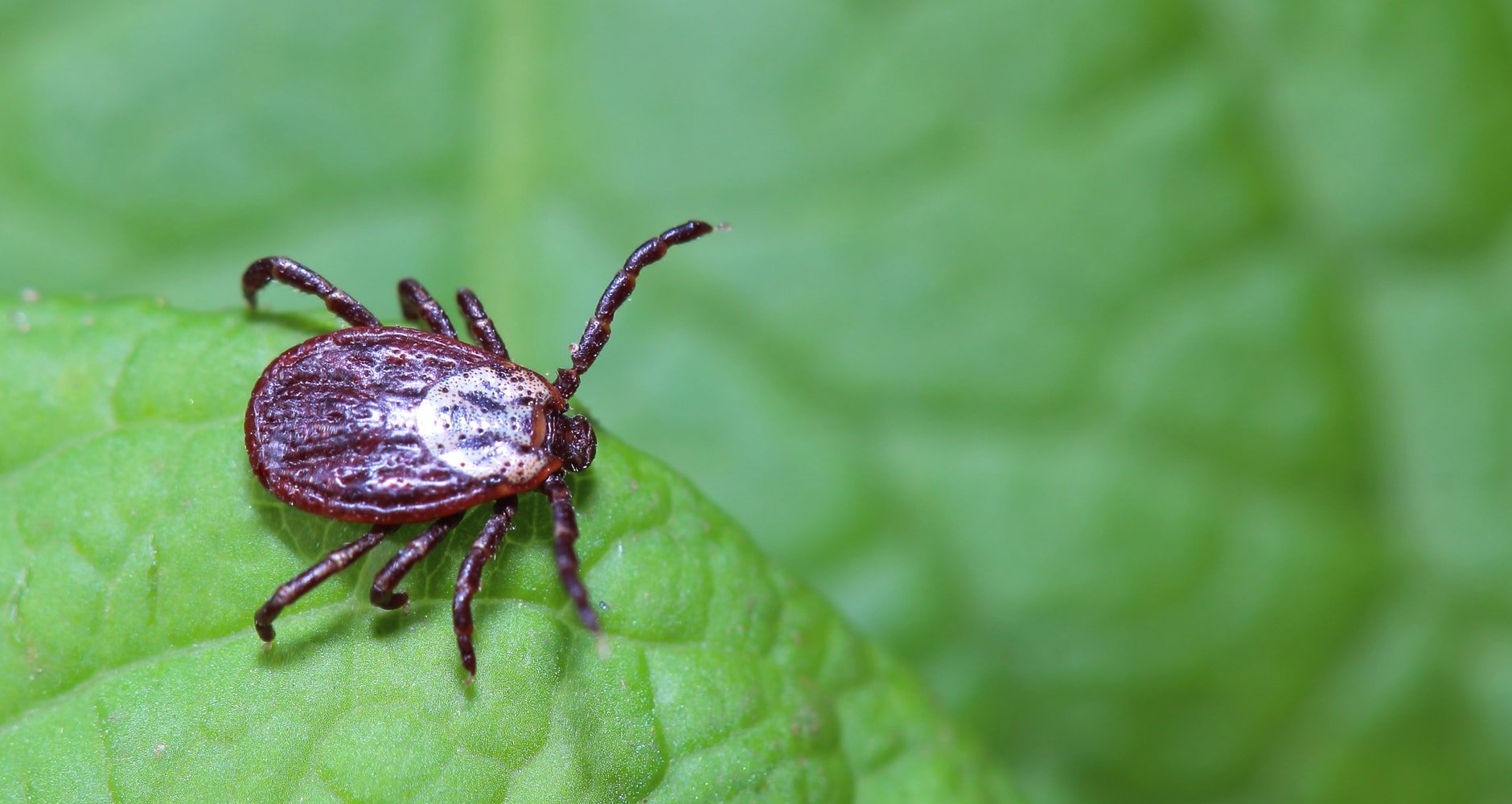
A string of warmer-than-average winters has caused several pest populations to surge. When temperatures never reach extreme lows, the insects that would have been culled survive in higher numbers and reproduce in spring. Deer ticks (which carry Lyme disease) have expanded their range north into Canada and into higher elevations in the U.S. over the past three decades. Brown marmorated stinkbugs have crossed into more states. The emerald ash borer continues to spread west. The Joro spider, a cold-tolerant species from Asia, has spread across the Southeast and is moving north because mild winters do not stop it.
Beneficial Insects Handle Cold Fine
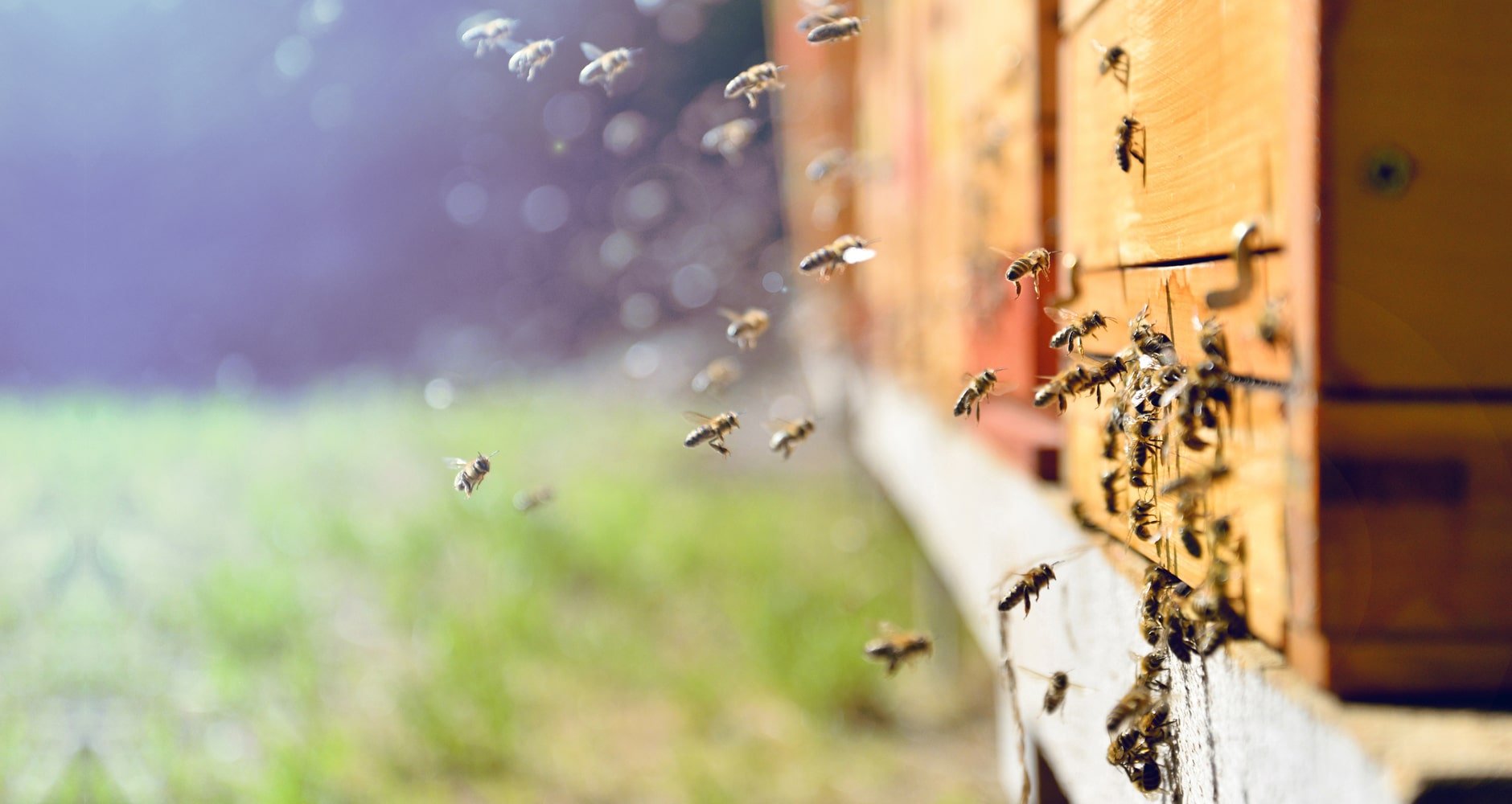
The good news is that beneficial insects already threatened by pesticides and parasitic mite infections are largely unaffected by a hard winter. Honeybees cluster together in the hive and shiver to maintain a core temperature of about 90 degrees F regardless of outside cold. USDA’s Agricultural Research Service tracks the science of honeybee colony health, and overwinter kill is almost always tied to mites, viruses, and food stores, not the cold itself. Native bumblebee queens overwinter underground. Most beneficial wasps and lacewings are also engineered for winter survival.
What About Fleas?
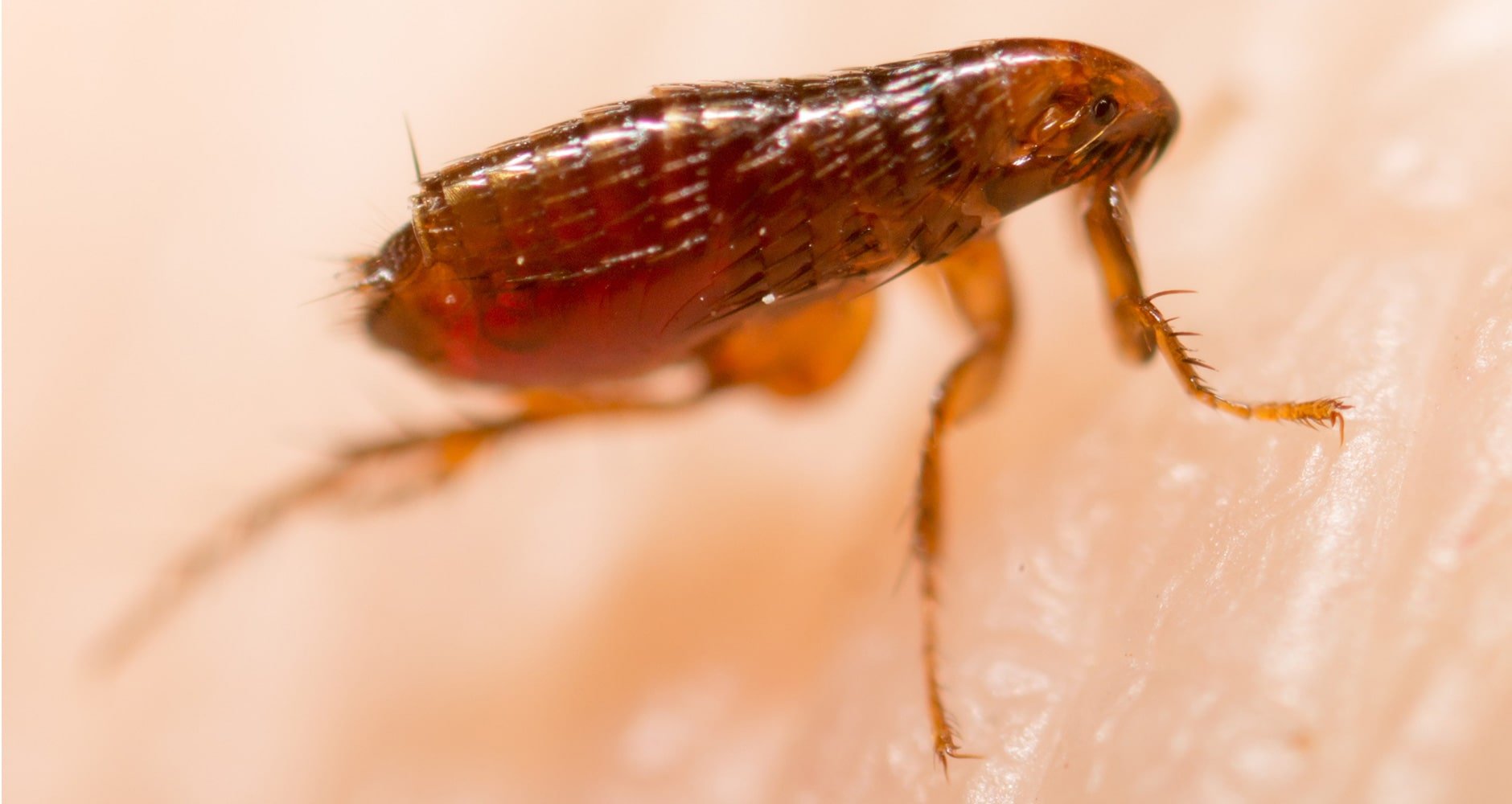
Fleas are a year-round nuisance for pet owners. Outdoors, they die when temperatures stay below 37 degrees F for 10 or more days. Mature fleas, eggs, larvae, and pupae all collapse under those conditions. Indoors is a different story. Your heated house keeps fleas comfortable through any winter. Pupae often go dormant in basement corners or carpet seams and re-emerge weeks later when conditions warm. See our natural remedies for fleas.
Termites?
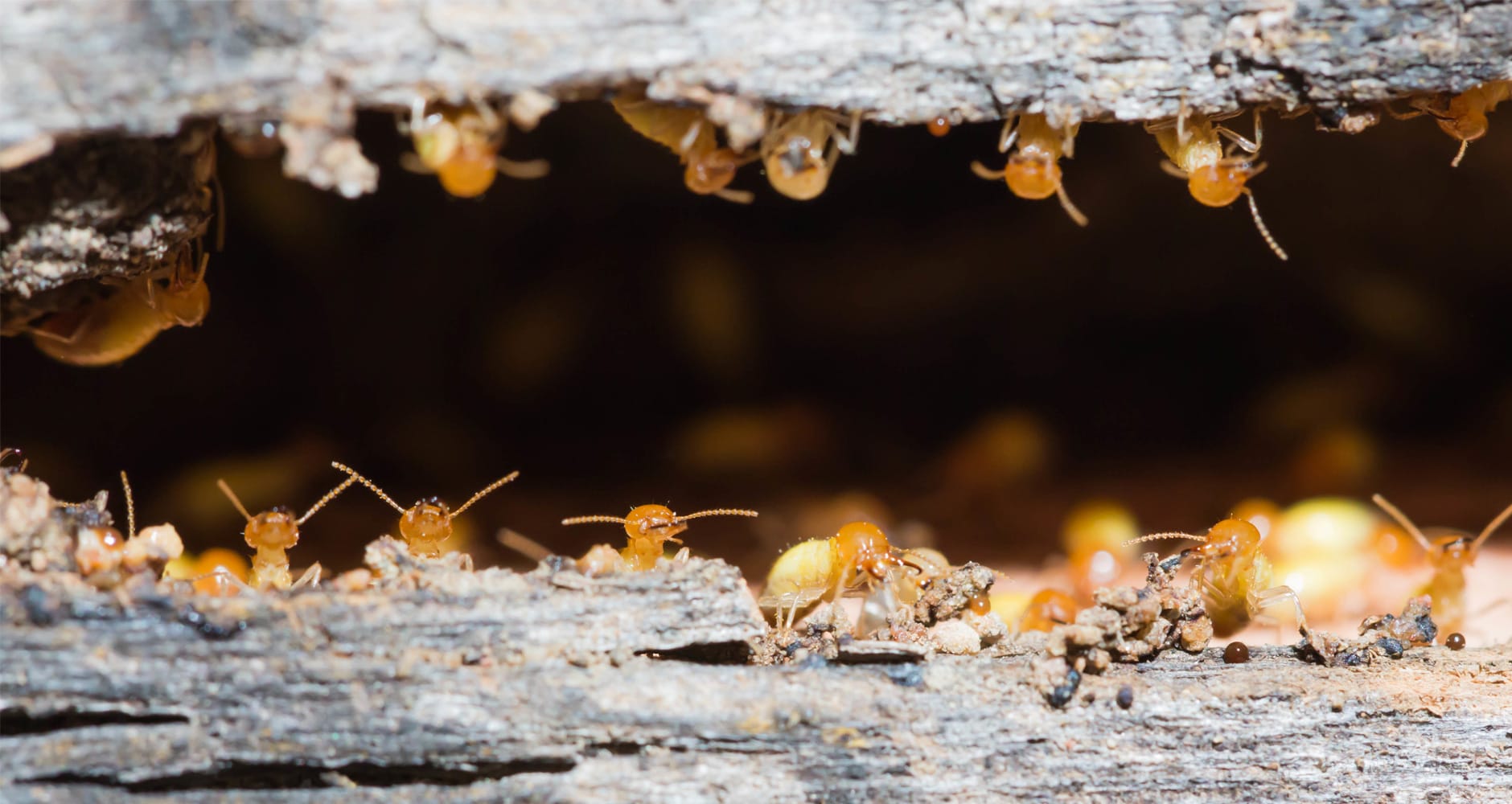
Ohio State University Extension research shows that termite activity is strongly influenced by temperature, both daily and seasonally. Some professional treatment methods in warm climates use direct liquid-nitrogen application for exactly this reason. Termites with no shelter die quickly below 25 degrees F. The catch: subterranean termites in active U.S. infestations almost always are sheltered, either underground or inside heated wood structures. Cold winters do not solve the problem.
Ticks and Leaf Litter: The Snow-Cover Trade-Off
Deer ticks are the species most people are thinking of when they ask whether cold winters kill bugs. The University of Maine Extension has tracked deer-tick activity for years and runs the public Tick ID lab for the Northeast. Their working rule is simple: most ticks survive even a hard freeze because they shelter in leaf litter, and a few inches of snow cover holds the ground temperature near 32 degrees F. To make a dent in tick numbers in your yard, the practical move is to rake and remove leaf litter near pathways and play areas, keep grass short, and treat pets year-round.
A Practical Pest Plan for the Year Ahead
- Watch the long-range forecast for your region. A deep, dry, snowless cold snap is the version that thins pests the most. A snowy cold spell is mostly cosmetic for ticks.
- Clear leaf litter near the house. This is the single biggest move for tick reduction. It also reduces overwintering shelter for stinkbugs.
- Treat pets year-round. Fleas in the carpet do not care what the outdoor thermometer says.
- Inspect for nuisance pests like groundhogs and tunneling rodents as soon as soil thaws. They open paths for ground-shelter insects later.
- Plan spring planting around regional pest pressure rather than the calendar alone. Use winter to plan, then time outdoor work to local soil temperature.
One hard winter is a help, not a cure. Treat the cold as one tool in your kit, alongside leaf-litter cleanup, pet care, and the long-range forecast for your town.

Frequently Asked Questions
Do cold winters kill bugs?
Some. Most insects survive cold winters by burrowing underground, sheltering under leaf litter, or entering diapause. Cold can reduce populations of certain species, like the emerald ash borer below -20 degrees F, but most native pests are well-adapted to winter.
Do ticks survive winter?
Yes. Deer ticks (technically arachnids, not insects) shelter in leaf litter and under snow cover where the temperature stays well above the surface reading. Snow is an excellent insulator, so a snowy winter is often easier on ticks than a cold, snowless one.
How cold does it have to get to kill mosquitoes?
Adult mosquitoes die at the first hard freeze. The catch is that many species overwinter as cold-tolerant eggs in damp soil or tree cavities. Cold winters slow them down. They do not eliminate them.
Does cold weather kill fleas in the house?
No. Indoor temperatures stay well above the 37 degrees F threshold, so fleas, eggs, larvae, and pupae survive year-round in carpet, upholstery, and basement crevices. Treat pets year-round and vacuum often.
Are honeybees harmed by cold winters?
Generally no. Healthy hives cluster in winter, shiver to generate heat, and keep the core temperature near 90 degrees F. Beekeeping losses in cold winters usually come from disease, mite infections, or food shortages, not the cold itself.
What is the best long-term pest control?
Integrated pest management. Keep yards clear of leaf litter near the house, treat pets year-round, monitor regional pest pressure each spring, and rely on weather as one factor among many. Do not count on cold winters alone.
Does a single cold snap matter?
Not much. The cold has to be both deep and sustained, usually several consecutive days of sub-zero readings, to thin a meaningful share of a pest population. A single -25 degrees F night followed by a 20 degrees F day will not move the needle.
Related
- Long-Range Weather Forecast for Your Town
- Can Cold Weather Ever Be a Good Thing?
- Got Stinkbugs? Here’s How to Get Rid of Them
- Joro Spider Invasion Map and FAQ
- How to Get Rid of Groundhogs Naturally


Jaime McLeod
Jaime McLeod is a longtime journalist who has written for a wide variety of newspapers, magazines, and websites, including MTV.com. She enjoys the outdoors, growing and eating organic food, and is interested in all aspects of natural wellness.
- Jaime McLeod

- Jaime McLeod
- Jaime McLeod
- Jaime McLeod





Welp, despite subfreezing temps for at least a week, tdmps over 100 for over a month and no food. What ever these little black biting mite size bugs are, they survived everything I threw at them plus the diatomaceous red earth. I brought the bedding stored in plastic bags and now have mites all over me again. So..despite extended extreme temps, insecticide and other stuff..they survived.
You mean that with all of human recorded history , we dont know ,yet? Lol
Bring on the cold …just in case. And I ride a motorcycle year around!
So many people wish for a freeze to kill all of the bugs and insects and it’s not going to do a single thing in most cases. Especially places as Oklahoma, we’ve had a really nice January if for some reason it does snow a couple of inches it can not stick.
Maybe this year it will be different with the winter freeze we just had, wind chills down to nearly 30 below here in Tulsa, OK.
What will kill asp? Live in Texas. Will cold weather kill them
Did not see any mention about chiggers. Where I live we’ve had almost 2 full weeks of below freezing weather.
Jaime, has the Farmer’s Almanac weighed in on the mini Ice Age that has commenced? If so I must have missed it. What is their stance on the subject please? Thanks!
Jaime, – has the Farmer’s Almanac weighed in on the mini Ice Age that has commenced? If so, I must have missed it. What is their stance on the subject? Thanks!
The best way to eradicate the beetles and stink bugs.
Take a spray bottle, approx 1 litre, fill with water and add one teaspoon of dish soap. Not detergent. Give a little shake and spray the bugs. The die within 10 seconds. What ends up happening, their waxy exoskeleton washes open, they suffocate immediately. The exterior of the skeleton are their lungs, when their wax melts , it’s plugged. Instant clean death.
We have had those terrible asian beetles now for a month here in central Kansas. It is Nov.16 and is 81 degrees outside. Crazy. Will they ever go away and the flies are terrible too. Lived here 30 years and have never seen anything like this.
Does the colder weather kill fire ants? If so how cold with length of cold snap. I live in upper SC.