

Ice Wreath for Chickens: DIY Frozen Treat to Beat the Heat
Help your chickens stay hydrated and comfortable this summer with these timely tips and a recipe for a DIY Confetti Ice Wreath that's easy to make!
Quick Reference: Ice Wreath for Chickens
- Why it matters: chickens cannot sweat and start heat stress at 85 to 90 degree F, per University of Kentucky Cooperative Extension poultry guidance.
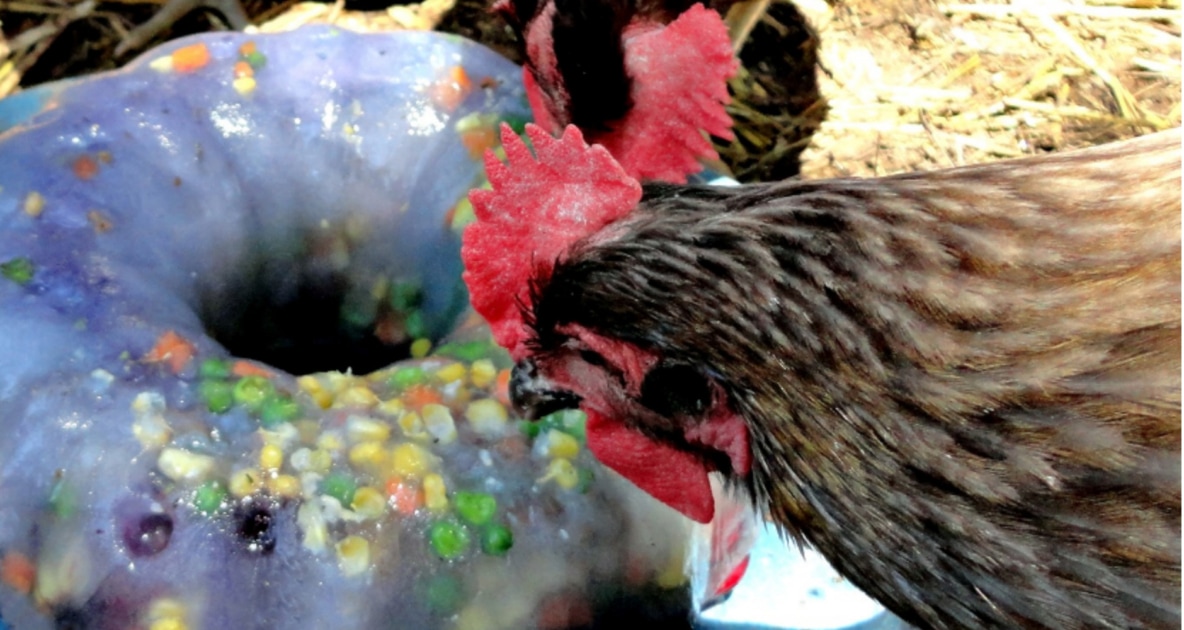
- What it is: a Bundt pan of leftover fruits and vegetables frozen in water, unmolded, served on a shaded dish in the run.
- Prep time: 5 minutes hands-on, plus 6 to 8 hours in the freezer.
- Best hot-weather treats: water-heavy produce (watermelon, cucumber, cantaloupe, berries). Skip corn and cracked grains, which raise body heat during digestion.
- Serve twice-daily: feed at sunrise and just before dusk when temperatures are lower.
- Related tool: the Farmers’ Almanac Long-Range Forecast for planning heat-wave prep.
How do you keep your chickens cool and comfortable in the summer heat? We checked in with Lisa Steele of Fresh Eggs Daily to get some expert advice and a great DIY recipe for the ultimate fowl frozen treat: a Confetti Ice Wreath for Chickens.
Chicken keepers spend most of their winter worrying about frozen waterers and drafty coops, but the season that actually kills more backyard flocks is summer. Per University of Kentucky Cooperative Extension and the Poultry Extension Collaborative, heat stress in laying hens begins around 85 degree F and turns dangerous above 95 degree F. Chickens do not sweat. They pant, hold their wings away from their bodies, and stop eating. The Confetti Ice Wreath below is the single easiest hot-day intervention on a backyard scale, and it uses up produce you would otherwise throw away.
How to Spot Heat Stress in Your Flock
Catch the early signs and you can head off a real emergency. Watch for these behaviors when the thermometer climbs past 85 degree F:
- Open-beak panting and rapid breathing.
- Wings held out and away from the body to shed heat.
- Combs and wattles turn pale or dusky. Bright red combs mean the bird is coping; pale combs mean circulation is under stress.
- Standing still, refusing to move, or lying flat in the shade.
- Sharp drop in feed intake and thicker, watery droppings.
- Egg production slows or shells get thinner as calcium metabolism struggles.
Any three of these together means intervene immediately: move the bird to shade, dip her feet in a shallow tray of cool (not cold) water, and add electrolytes to the drinker.
Feeding Adjustments in Hot Weather
Water-laden treats like watermelon, cucumber, cantaloupe, and berries are some of my chickens’ favorite summer treats. Do not be concerned if their feed intake drops and they drink more water and seem more interested in chilled fruit and veg than layer pellets. That is normal. It helps them stay hydrated. Feeding just after sunrise and then again just before dusk is a good idea in the summer, so your chickens can eat when it is cooler.
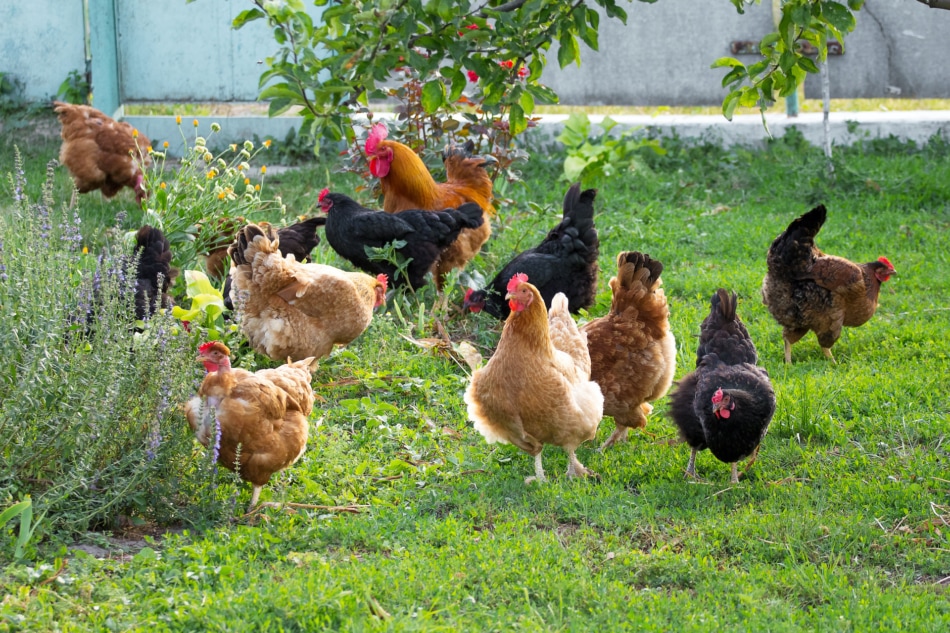
If you normally treat your chickens with corn or cracked grains, skip them when it is hot. Digesting the grains actually heats your chickens’ bodies, which you do not want in summer. Switch to fresh greens (chard, kale, romaine, dandelion), soaked oats, and frozen produce.
With temperatures soaring into the 90s and higher on these summer days, why not serve up this Confetti Ice Wreath? It is not only an excellent way to help your chickens cool down in the summer, it is also a great way to use up leftover fruits and vegetables.

How To Make The Frozen Confetti Ice Wreath for Chickens
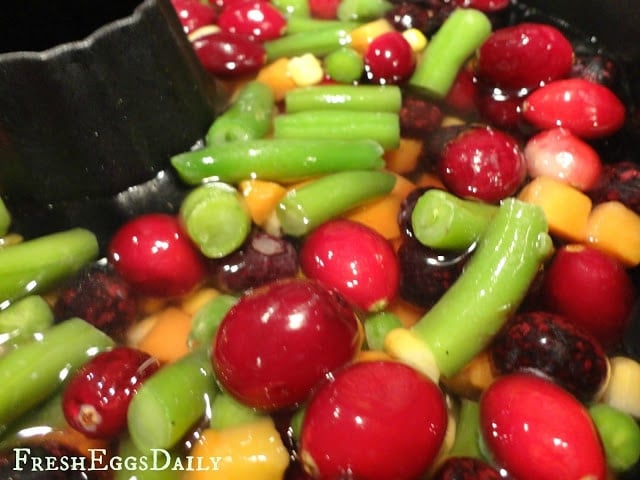
Save up those partial bags of frozen vegetables and leftover canned vegetables. Keep freezer-burned fruit and those cranberries left over from Thanksgiving. Do not toss out bruised blueberries or mushy raspberries. Collect everything in a freezer bag until you are ready to assemble your wreath to make an easy, inexpensive summer treat for your chickens. I use a Bundt pan to make this treat, but you can use any regular cake pan or casserole dish just as easily.
Ingredients
- 1 to 2 cups leftover chopped fruit (blueberries, raspberries, watermelon rind, cranberries, peach).
- 1 to 2 cups leftover vegetables (carrots, corn, green beans, peas, chopped kale).
- Cold water to cover.
- Optional: fresh mint leaves or a handful of fresh herbs from the garden.
Instructions
- Dump a mix of cut-up fruits and vegetables into your Bundt pan (or any cake pan / casserole dish), filling it about two-thirds full. I used a blend of carrots, corn, green beans, cranberries, and blueberries this time, but any mix will work.
- Pour cold water over the produce, almost to the top, so the vegetables are completely covered.
- Freeze solid, 6 to 8 hours or overnight.
- When frozen solid, remove your ice wreath from the freezer and unmold it (running it under warm water for a minute will do the trick).
- Place it on a large dish in the shade in the run for the flock to enjoy. Refill the drinker with fresh cool water at the same time.
Other Cool-Down Tricks Backyard Keepers Swear By
- Deep shade first. A shade sail or tarp over the run drops ground temperature 10 to 15 degree F.
- Frozen water bottles in nesting boxes and against the roost bars. Cheap thermal mass.
- Mister or sprinkler on the coop roof for the hottest hour of the afternoon.
- Electrolytes in the drinker for stretches above 95 degree F. Poultry-grade sachets or a homemade mix (1/4 tsp salt + 1/4 tsp baking soda + 1 tbsp sugar per gallon).
- Shallow wading pan big enough for a hen to stand in ankle-deep water and shed heat through her feet.
- Cross-ventilation at the top of the coop. Heat rises. If your only vent is at floor level, add a gable vent.
Do you have any cool ideas to share to help keep your flock comfortable this summer? Share them with us in the comments below.
Photos and content used with permission by Lisa Steele of Fresh Eggs Daily.

Ice Wreath for Chickens FAQ
At what temperature do chickens start to suffer heat stress?
Per University of Kentucky Cooperative Extension, laying hens begin to show heat stress around 85 degree F and are in real danger above 95 degree F. Heavy dual-purpose breeds (Orpingtons, Brahmas, Wyandottes) struggle earlier than Mediterranean layers (Leghorns, Anconas).
Can I use citrus (oranges, lemons, lime) in the ice wreath?
A small amount of orange or grapefruit is fine, but chickens tend to leave citrus alone. Stick to sweet, water-heavy produce: watermelon, cantaloupe, cucumber, blueberries, strawberries, and peas.
What fruits and vegetables are toxic to chickens?
Skip these: raw dried beans, avocado skin and pit, green potato skins, rhubarb leaves, onions in large amounts, chocolate, and anything mouldy. Everything else on the compost bench is fair game.
How often can I feed my chickens frozen treats?
Once a day during a heat wave, in the mid-afternoon when temperatures peak. Any more and their layer feed intake drops too far, which affects egg quality.
Will an ice wreath alone keep my flock safe in a heat wave?
No. The wreath is a helpful cooling nudge, not a substitute for deep shade, unlimited cool water, cross-ventilation, and electrolytes above 95 degree F. Treat the wreath as one part of a heat-wave kit.
Can I make the ice wreath ahead of the summer?
Yes. Wreaths keep for 3 months in the freezer if wrapped tightly in plastic once unmolded. Batch-freeze in June ahead of the peak in July and August.


Lisa Steele
Lisa Steele is an author and 5th generation chicken keeper who shares a farm in Maine with her husband, mixed flock of chickens and ducks, two dogs, and a cat. She writes the natural chicken keeping blog Fresh Eggs Daily. Visit www.FreshEggsDaily.com.
- Lisa Steele

- Lisa Steele
- Lisa Steele

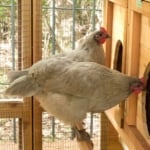

I use Hydro Hen by Manna Pro.
I save my fermented apple’s and peels after making my ACV then make chunky apple sauce out of it , I put the sauce in muffin tins and freeze. I put a few in a pan and give it to my girls . They enjoy it so much !
I buy whole watermelons, chill them, slice them and toss like frisbees in their run. They love it!