

How to Grow Radishes: A Fast, Easy Spring Crop
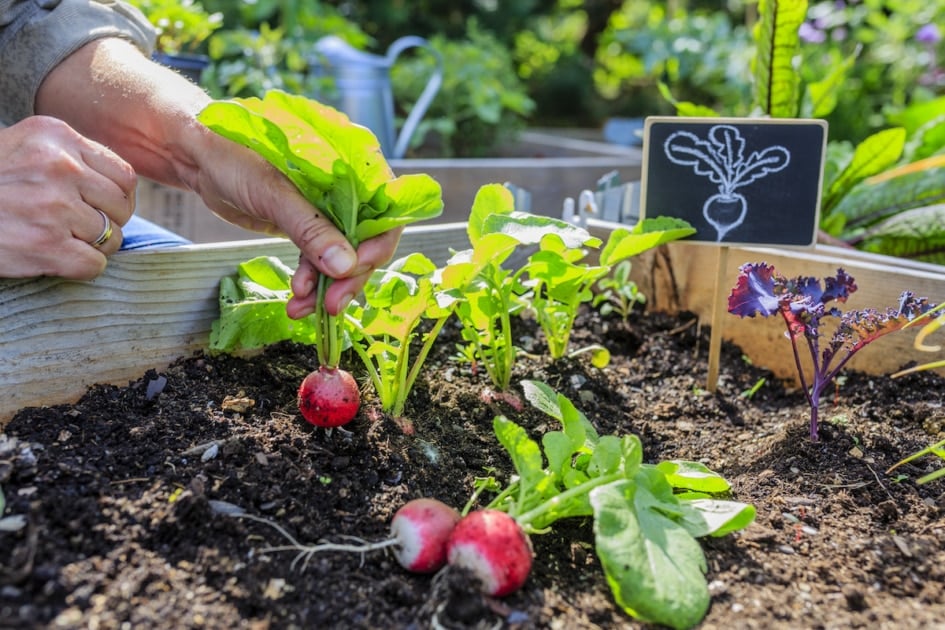
Quick Reference: Growing Radishes
- Plant when: as soon as the soil is workable in spring, then keep sowing through the cool stretches of the growing season.
- How deep: sow seeds 1/2 inch deep and three inches apart, directly in the ground.
- How fast: seeds germinate in 4 to 5 days, and many varieties are ready to pull in about 25 to 30 days.
- Succession: sow a fresh batch every week or two for a steady supply all season.
- Harvest: pull when roots reach about one inch across, before they turn tough and woody.
Few crops reward a little patience as fast as the radish. Drop the seed in cool spring soil and you can be pulling crisp, peppery roots inside a month, often in about 25 to 30 days. Plant a new short row every week or two and you will have radishes coming on all season, ready to slice onto a salad or roast alongside the Sunday meat. Here is how to grow radishes from seed, when to plant them, and how to keep them coming.
How to Plant Radishes
Always start radishes from seed sown right where they will grow. They do not like to be moved, and there is no need to fuss with transplants when the seed sprouts so quickly. Expect germination in just 4 to 5 days. You can plant as soon as the soil is workable in spring, and keep planting through the growing season. To sow, place the seeds three inches apart at a depth of 1/2 inch.
For a steady supply, practice succession planting. Sow a fresh batch of seed every week or two so you always have harvestable radishes in the garden rather than one big glut all at once. The University of Minnesota Extension keeps a plain-English guide to growing radishes if you want to confirm the timing for your own ground. To plan the rhythm of repeat sowings, see our primer on succession gardening.
Water, Soil, Light, and Feeding
Water: Radishes prefer moist soil, but it must drain well, with no standing water. About one inch of rain or watering per week is just right.
Soil: Radishes tolerate almost any kind of soil, though they grow best in ground that is not heavy with clay. Aim for a soil pH of 5.8 to 6.8.
Light: Give them at least 6 hours of sunlight a day. That said, radishes do not mind a little shade, which makes them easy to slot in here and there.
Fertilize: Radishes do not need much feeding. If you do feed them, go easy on nitrogen. A heavy dose of nitrogen gives you lush, leafy tops but small, stunted roots, which is the opposite of what you want.

When to Plant Radishes by Region
Radishes are a cool-season crop, so they shine in spring and again in fall, while they tend to bolt and turn sharp in the heat of midsummer. If you plan to grow radishes all season, take temperatures into account and choose a few different varieties bred for spring and for fall. The trigger is soil you can work and weather on the cool side, not a fixed calendar date, so the window shifts with your region.
| Region | Average last spring frost | When to sow radishes |
|---|---|---|
| Deep South and Gulf Coast | Late February into March | October through March |
| Mid-South and Southern Plains | Mid to late March | February into April, and again in September |
| Mid-Atlantic and Ohio Valley | Mid to late April | March into May, and again in September |
| Midwest and Great Lakes | Early to mid May | April into May, and again in August |
| Northeast and New England | Mid to late May | April into May, and again in August |
| Mountain West and Pacific Northwest | Mid May into early June | April into June, and again in August |
In Canada, gardeners in British Columbia and southern Ontario can sow in early to mid spring, while the Prairies, Quebec, and the Maritimes wait until the soil thaws and warms a little. In every region the rule is the same: cool weather, workable soil, and short repeat sowings for a steady harvest.
Harvesting Radishes
Check your radishes often, because they grow fast. Pull them up when the roots are about one inch in diameter. If you let them grow too large, they can turn tough and woody, and the flavor goes sharp. When in doubt, pull one and taste it. The whole row will not be ready on the same day, so harvest as they size up.
Companion Plants and Spacing Tips
Radishes are small and they do not mind a little shade, so you do not have to give them much room of their own. Instead, tuck them in between rows of slower crops like carrots, beets, or lettuce to make use of the empty spaces. The radishes come and go before the bigger plants need the room, and they help mark the rows while you wait. For more pairings that earn their keep, see our companion planting guide, and start your other crops on schedule with the vegetable seed starting chart.

Growing Radishes: Frequently Asked Questions
How long do radishes take to grow?
Radishes are one of the fastest crops in the garden. The seeds germinate in just 4 to 5 days, and many common varieties are ready to pull in about 25 to 30 days from sowing. Pull them when the roots are about one inch across, before they turn tough and woody.
When should I plant radishes?
Plant as soon as the soil is workable in spring, then keep sowing through the cool stretches of the season. Radishes are a cool-season crop that bolts in summer heat, so spring and fall are best. Choose spring and fall varieties to match the temperatures where you garden.
How deep and how far apart do I sow radish seeds?
Sow radish seeds 1/2 inch deep and three inches apart, directly in the garden where they will grow. They do not transplant well, and the seed sprouts so fast there is no reason to start them indoors.
What is succession planting for radishes?
Succession planting means sowing a fresh, short row of seed every week or two instead of all at once. Because radishes mature so quickly, this keeps harvestable roots in the garden all season rather than giving you one big glut that passes its prime before you can use it.
Why are my radishes all leaves and no root?
Too much nitrogen is the usual cause. Radishes do not need much fertilizer, and a heavy dose of nitrogen pushes lush, leafy tops while leaving the roots small and stunted. Go easy on feeding, give them at least 6 hours of sun, and keep the soil moist but well drained.
What soil do radishes like?
Radishes tolerate almost any soil, but they grow best in ground that is not heavy with clay, since hard, compacted soil deforms the roots. Aim for a soil pH between 5.8 and 6.8, and keep it moist but draining freely, with no standing water.


This article was published by the Staff at FarmersAlmanac.com. Any questions? Contact us at [email protected].
- Farmers' Almanac Staff

- Farmers' Almanac Staff

- Farmers' Almanac Staff

- Farmers' Almanac Staff




Very good advices!
Very good advices